Key Points
- Partial Reopening Scheduled: Treatment room services at the Winifred Kettle Health Centre in Westhoughton will resume operation for two days per week, specifically on Mondays and Thursdays, starting from 2 July.
- Temporary Suspensions Resolved: The local clinics were initially paused in early June 2026 due to critical staffing shortages and operational pressures within the regional healthcare infrastructure.
- Continuity of Local Care: During the suspension period, patients requiring vital medical treatments—including advanced wound care, specialized clinical dressings, complex leg ulcer management, and catheter support—were forced to travel to alternative clinics spread across the wider Bolton area.
- Comprehensive Strategic Review: Bolton NHS Foundation Trust will utilize this phased reopening period to conduct a formal assessment regarding how the local service is used and to directly gauge patient experiences.
- Public Consultation Initiated: Healthcare bosses are actively calling upon local patients, dedicated carers, and nearby residents to complete an interactive survey, ensuring future structural decisions remain heavily informed by public feedback.
- Political and Community Outcry: The initial service halt generated significant community pushback and political concern, with local representatives warning that losing localized treatment rooms presents a massive blow to one of the fastest-growing towns in the region.
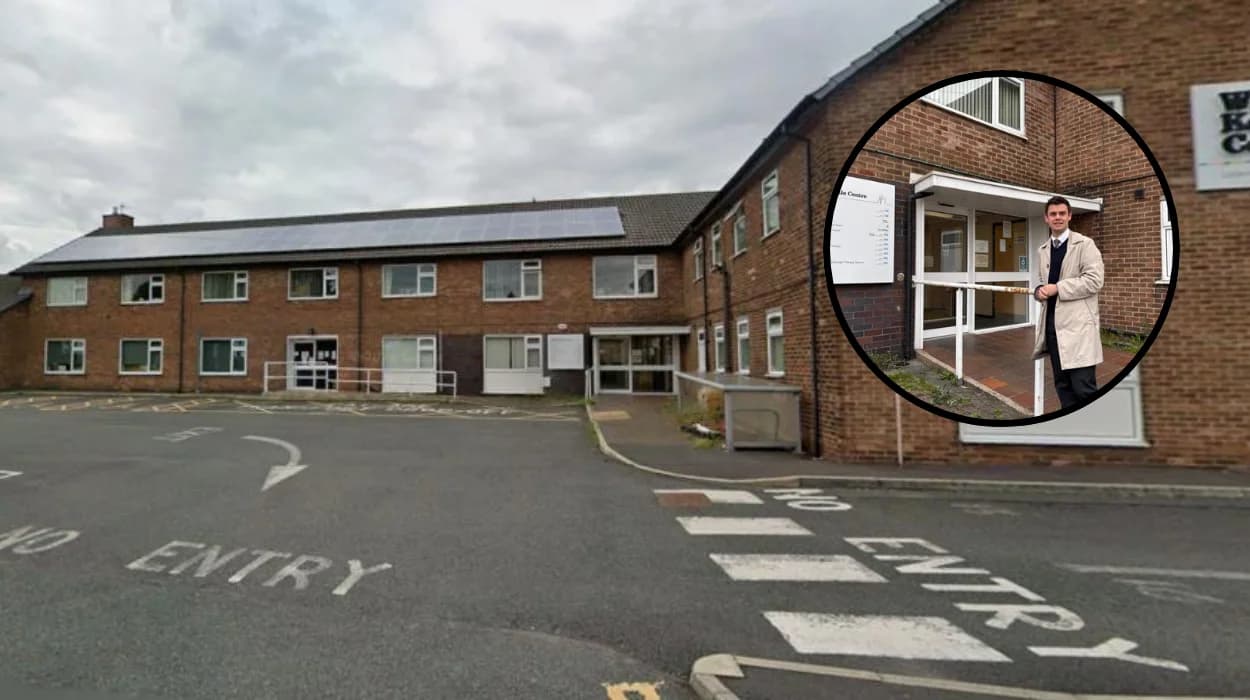
Westhoughton (Bolton Today) July 1, 2026 - Local treatment room services at a prominent Westhoughton health centre are officially scheduled to reopen to the public for two days each week starting tomorrow, 2 July, providing essential localized medical care while senior healthcare managers continue to execute a comprehensive review into the facility's long-term operational future. The vital clinical services hosted inside the popular Winifred Kettle Health Centre were abruptly suspended in early June following severe staffing shortages, which forced vulnerable local patients to travel much further distances across Greater Manchester to receive basic treatments such as leg ulcer management and wound care.
The decision to reintroduce partial services comes after a period of intense public scrutiny and a dedicated campaign from community representatives who feared the town was losing its primary healthcare footprint. Bolton NHS Foundation Trust confirmed that as immediate workforce pressures have begun to ease across their network, clinics will initially run on fixed schedules every Monday and Thursday.
Why Was the Winifred Kettle Treatment Room Temporarily Closed?
As detailed in the initial reporting by Isobel Forbes, a senior reporter for The Bolton News, the temporary closure of the treatment rooms at the Winifred Kettle Health Centre sparked widespread concern across Westhoughton. The suspension, implemented in early June 2026, left a significant gap in localized, accessible community care.
In an official statement obtained by Forbes, a spokesperson for the Bolton NHS Foundation Trust explained the operational reality that precipitated the sudden halt in services:
"In early June 2026, we made the difficult decision to temporarily pause treatment room clinics at this site due to staffing pressures. This allowed us to safely maintain services across Bolton, ensuring patients could continue to receive care at alternative locations."
The trust's leadership emphasized that the decision was not made lightly but was driven by the necessity of pooling thin healthcare staffing resources to prevent a total collapse of treatment room services across the broader borough. By consolidating clinical staff at centralized hubs, the trust aimed to maintain safety standards, though it simultaneously created localized access challenges for residents living on the periphery of the metropolitan footprint.
How Were Local Patients Impacted During the Service Suspension?
During the multi-week suspension of services at the Winifred Kettle site, hundreds of local patients requiring routine yet critical medical interventions had to adjust to highly inconvenient travel arrangements. The clinic at Winifred Kettle had long served as a vital neighborhood asset for individuals dealing with chronic health issues and post-operative recovery needs.
According to the reporting compiled by Isobel Forbes of The Bolton News, patients were required to seek treatments elsewhere for an array of essential clinical needs, which included:
- Comprehensive and sterile wound care management
- Routine changing of surgical and traumatic dressings
- Long-term leg ulcer assessment and specialized compression therapy
- Continuous catheter management, changes, and clinical support
These specific services are predominantly utilized by elderly individuals, those with limited mobility, and patients managing long-term physical health conditions. Consequently, the relocation of these clinics to alternative sites across Bolton placed a disproportionate burden on the community's most vulnerable demographics.
Acknowledging the disruption this logistics shift caused for local families, the Bolton NHS Foundation Trust issued an explicit statement regarding the community's cooperation, noting:
"We understand that this has meant some people have had to travel further than usual, and we appreciate your patience during this time."
Explore More Westhoughton News
Washacre School Pupils Explore Media Careers in Westhoughton (2026)
Anger at Loss of Winifred Kettle Treatment Room: Westhoughton 2026
What are the Reopening Plans for the Westhoughton Health Centre?
The operational landscape has shifted positively heading into July, allowing healthcare managers to craft a pathway toward restoring local access. Thanks to a stabilization of the nursing and support staff workforces, the trust is now in a position to re-establish a localized clinical presence in Westhoughton, albeit on a part-time framework.
Writing for The Bolton News, reporter Isobel Forbes verified that the trust will reintroduce the treatment room clinics at Winifred Kettle on a two-day-a-week schedule, utilizing Mondays and Thursdays to process appointments. The formal restoration of care is set to commence on Thursday, 2 July.
The trust spokesperson further detailed the underlying operational strategy for the part-time format, stating:
"As staffing pressures begin to ease, we are now reintroducing treatment room clinics at Winifred Kettle on Mondays and Thursdays from Thursday 2 July. We will use this period to review how the service is used and to better understand patient experience."
This phased reopening is intentionally structured to serve as a live testing ground. Healthcare administrators intend to closely monitor attendance figures, appointment utilization rates, and the overall flow of patients to determine the true level of localized demand versus the operational costs of keeping the site fully staffed.
How Can Residents Participate in the Review of Future Services?
The temporary closure has forced a broader conversation about how community healthcare should be delivered in the region moving forward. Rather than making permanent structural changes behind closed doors, the NHS trust is embarking on a public consultation campaign to gather primary data directly from the individuals who rely on the Winifred Kettle facility.
Patients, dedicated family carers, and ordinary Westhoughton residents are being explicitly urged by health bosses to participate in a newly launched community survey designed to fully map out the local user experience.
The trust's official communication channels emphasized the value of democratic input in shaping public health provisions, stating:
"We want to make sure that any future decisions about treatment room services are informed by the people who use them."
The scope of the public survey is designed to look beyond basic patient metrics, diving into the logistical and emotional realities of navigating the regional healthcare landscape. Explaining the objectives of the data gathering effort, the trust added:
"Your feedback will help us understand how easy it is to access appointments, what matters most to you when choosing where to attend, and how any changes have affected you."
Independent analysts and healthcare planners will eventually review this qualitative public feedback in tandem with quantitative service data, such as staffing ratios and financial overheads, before compiling formal long-term recommendations for the facility's permanent operational model.
Why is Winifred Kettle Deemed Critical for Westhoughton's Population Growth?
The suspension of the treatment room clinics did not occur in a vacuum; instead, it immediately triggered sharp political backlash and heightened anxiety among local policymakers. Westhoughton has experienced significant residential expansion over the last decade, with major new housing developments placing an unyielding strain on preexisting public infrastructure, including schools, roads, and primary medical care facilities.
The initial closure notice raised immediate red flags for Westhoughton councillor David Wilkinson, who actively championed the community's concerns during the service suspension. As tracked by The Bolton News editorial team, Councillor Wilkinson warned that cutting back on localized medical options creates deep systemic issues for an expanding town.
Voicing the frustrations of his constituents, Councillor Wilkinson stated plainly that the loss of the treatment room would represent a severe blow to one of Bolton's fastest-growing towns. Local leaders argue that as populations increase, essential services should be systematically expanded rather than contracted or centralized inside distant urban centers.
The compromise to reopen the treatment rooms for two days a week is viewed by local representatives as an important first step, but community advocates remain vigilant, emphasizing that a part-time solution must transition back into a full-time service to adequately support Westhoughton's growing population.