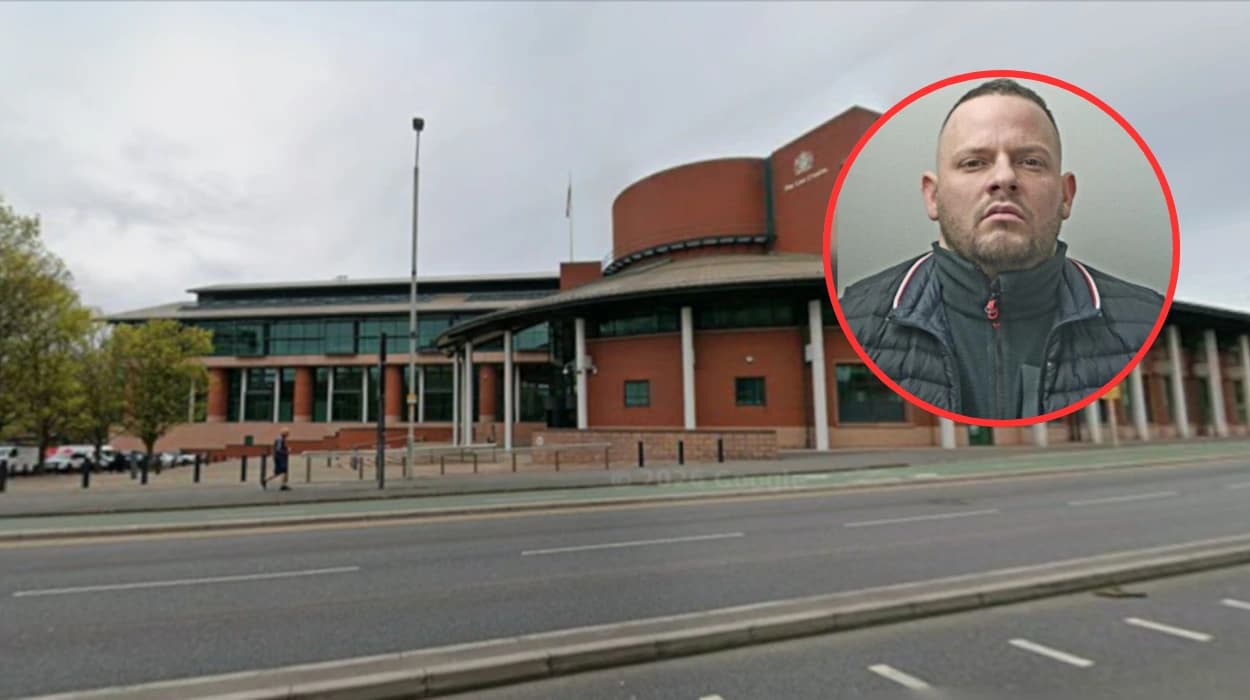
Key Points
- Benefit of Crime: The court determined that James Bury, 39, generated a total criminal benefit of £665,130 from his illicit postal drug dealing operation.
- Confiscation Order: Under the Proceeds of Crime Act (POCA), Bury has been ordered to pay back an available sum of £49,133.
- Cryptocurrency Seizure: The confiscated assets include approximately £2,000 in cryptocurrency recovered by investigators.
- Original Conviction: Bury, of Victoria Street, Westhoughton, Bolton, was previously sentenced to 10 years and six months in prison on 10 June 2025.
- Modus Operandi: He operated a "postal service" supply line, using the UK mail network to smuggle Class A drugs.
- Interception: The investigation commenced in October 2024 when Border Force officers in Northern Ireland intercepted four packages containing more than 2kg of cocaine.
- Raids and Seizures: Following his arrest on 19 December 2024, law enforcement raided his home and a business unit in Burnley, finding Class A, B, and C substances.
Westhoughton (Bolton Today) July 17, 2026 - A convicted drug dealer who established a sophisticated postal distribution ring to mail cocaine parcels across the United Kingdom has been ordered to pay back less than £50,000, despite amassing more than £665,000 from his illicit network. James Bury, 39, of Victoria Street, Westhoughton, Bolton, was previously handed a prison term of 10 years and six months after admitting to his central role in a multi-agency conspiracy. Following a comprehensive financial investigation by regional detectives, a Proceeds of Crime Act (POCA) hearing concluded that whilst his criminal empire generated vast profits, only a fraction of those funds remains available for state seizure.
The finalisation of the confiscation proceedings marks the end of a long-running investigation spearheaded by the North West Regional Organised Crime Unit (NWROCU). The inquiry originally began in October 2024, when specialist taskforce officers identified that the UK postal network was actively being exploited to transport high-purity Class A substances. Border Force authorities in Northern Ireland subsequently intercepted four parcels sent by Bury, which were found to contain more than two kilogrammes of cocaine. This physical evidence directly linked the Westhoughton resident to the mail order racket, prompting a fast-tracked police operation that culminated in his arrest at his home address in December 2024.
Upon searching Bury’s residential property and a commercial business unit he rented in Burnley, Lancashire, police officers uncovered further stock, including varying quantities of Class A, Class B, and Class C drugs. Confronted with the overwhelming physical and digital evidence compiled against him, Bury entered guilty pleas to charges of conspiracy to supply Class A drugs and possession with intent to supply controlled drugs. He was sentenced at Preston Crown Court on 10 June 2025. The subsequent financial clawback stage sought to trace the entirety of his assets, ultimately tracking down physical cash, property equity, and digital cryptocurrency holdings.
Who is James Bury and How Did His Postal Drug Operation Function?
As reported by Chief Reporter Joe Harrigan of the Lancashire Telegraph, James Bury, a resident of Victoria Street in Westhoughton, believed he could operate with impunity by turning the traditional Royal Mail and UK postal networks into his personal courier service. Rather than utilizing street-level runners to transport dangerous substances, Bury packaged quantities of high-purity cocaine into seemingly innocuous parcels and posted them to various destinations across the country.
The strategy was designed to minimize physical contact with buyers and bypass regional police patrols. However, as documented by reporter Paul Britton of the Manchester Evening News, the scheme collapsed when Border Force officers stationed in Northern Ireland flags four suspicious deliveries. Upon opening the packages, officers discovered more than two kilograms of cocaine concealed within, triggering a referral to mainland organized crime units.
What Did the Police Find During the Raids on Victoria Street and Burnley?
Following the interceptions in Northern Ireland, detectives from the North West Regional Organised Crime Unit’s Taskforce Team launched a targeted operation. On 19 December 2024, tactical teams executed a coordinated raid on Bury’s domestic residence in Westhoughton.
Concurrently, officers searched a commercial premises in Burnley, Lancashire, which Bury rented under the guise of a legitimate business. Inside both locations, search teams discovered a diverse inventory of illegal substances spanning Class A, B, and C categories, along with packaging materials and digital scales. These discoveries confirmed that the postal service operation was a large-scale enterprise utilizing industrial-grade preparation methods.
Explore More Westhoughton News
Glass Painting Workshop at The Beer School, Westhoughton 2026
Under The Sea kids art class at The Hub — Westhoughton 2026
How Much Money Did James Bury Make From His Crimes?
During the Proceeds of Crime Act (POCA) hearing at Preston Crown Court, financial investigators laid bare the true scale of Bury's illicit operations. The prosecution presented detailed records indicating that Bury’s criminal activity had yielded a total benefit of £665,130.
Under British legislation, a POCA benefit figure represents the total value of all transactions and assets attributed to criminal conduct, rather than just the cash remaining in a bank account. Despite the massive scale of the operation, the court was forced to recognize that the vast majority of the £665,000 had either been spent, hidden, or laundered beyond the immediate reach of investigators.
Why is James Bury Paying Back Less Than £50,000?
In UK confiscation law, a court can only order an offender to repay their "available assets" at the time of the POCA hearing, even if that figure falls drastically short of the total "benefit" figure. In Bury's case, the court determined his remaining assets amounted to just £49,133—representing less than 7.4% of the total revenue he made from dealing.
This available sum comprises seized cash, personal property, and a small sum of cryptocurrency. As reported by Paul Britton of the Manchester Evening News, the NWROCU confirmed that this package of assets included approximately £2,000 in cryptocurrency recovered by digital forensic investigators. If Bury fails to hand over the £49,133 within a court-mandated timeframe, he will face an additional prison sentence added to his current ten-and-a-half-year term, while the debt will remain outstanding indefinitely.
What Have the Police and Investigators Said About the Case?
Following the conclusion of the confiscation proceedings, senior figures within regional policing expressed satisfaction with the final court order. They emphasized that stripping criminals of their assets, however small the percentage may seem, is a vital tool in neutralizing organized crime syndicates.
As officially released by the North West Regional Organised Crime Unit, Detective Constable Darren Gibson of the NWROCU’s Economic Crime Unit stated:
"Confiscation proceedings are an important part of our work to disrupt organised crime. Criminals are motivated by profit, and we are committed not only to securing convictions but also to recovering the money and assets gained through illegal activity."
Detective Constable Gibson further commented on the wider message of the court's decision, adding:
"The court found that Bury had benefited significantly from his offending, and today's outcome demonstrates that crime does not pay. We will continue to use all available powers under the Proceeds of Crime Act to target offenders and remove the financial gains they have made through criminality."
This sentiment was mirrored by Detective Sergeant Jamie Illingworth of the NWROCU Operations Team during the initial sentencing phase in June 2025. As reported by the Manchester Evening News, Detective Sergeant Illingworth noted:
"James Bury believed he could exploit the postal system to courier drugs across the UK. Today's sentence sends a clear message, if you're involved in the supply of Class A drugs, we will identify you, arrest you and bring you to justice. Drugs cause untold harm to our communities, and we remain committed to targeting those who profit from this misery."
The NWROCU has reiterated that should further assets belonging to Bury be identified in the future, the state retains the power to return to court to seize them until the full £665,130 benefit figure is entirely paid off.