Key Points
- A Bolton borough councillor has raised concerns over the size of one neighbourhood in the town's community health model, questioning why the "entire west of the borough" – including Westhoughton and Horwich – is covered by a single area.
- The borough was divided into six Neighbourhood Health and Care Teams from April 2024, each serving populations of around 30,000 to 55,000 people to foster better community connections.
- These teams aim to shift healthcare focus "from hospital to community" and currently include adult social care, community nursing and therapy, a mental health practitioner per neighbourhood, FT administrators, and pharmacy personnel.
- Expansion to include children and family services is planned from April 2026.
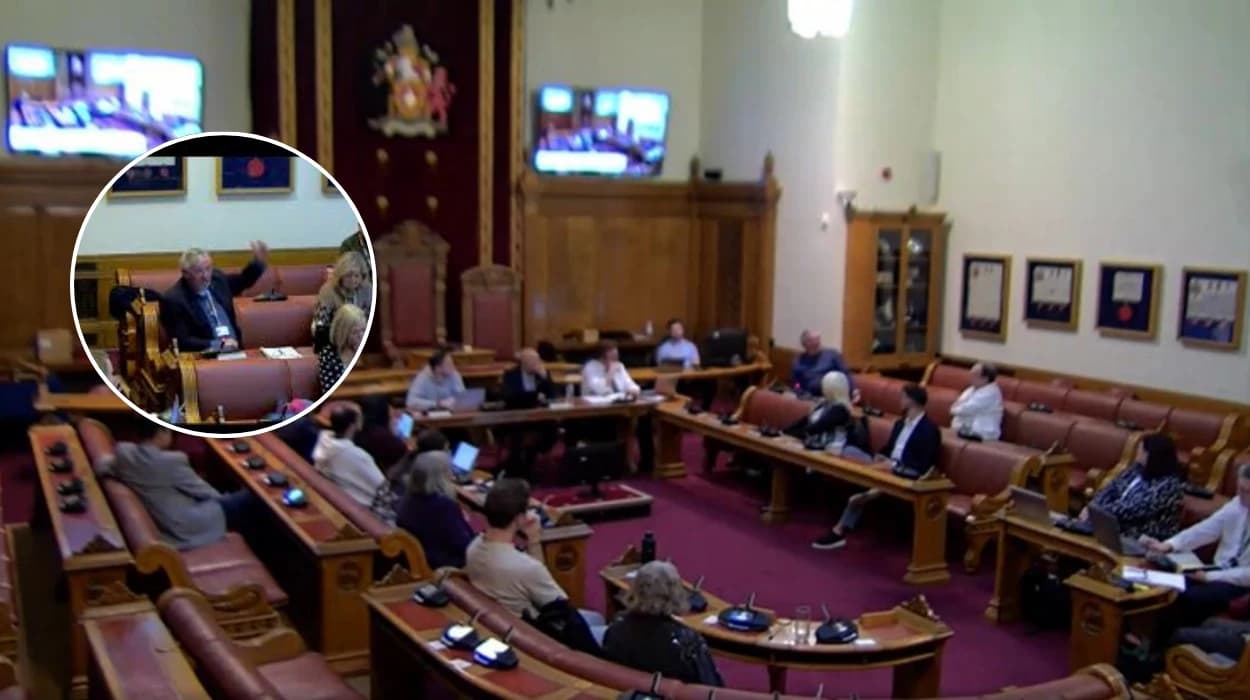
- During Bolton Council's health overview and adults communities and integration scrutiny committee meeting on Tuesday, December 9, 2025, an officer explained that dots on a map represent GP practices within a primary care network.
- The officer stated: “We’re trying to understand the populations and then to understand how we can best target our resources to have the most significant impact on health.”
- Councillor David Wilkinson, representing Westhoughton South, highlighted ongoing and future developments in Westhoughton and Horwich, projecting an additional 6,000 residents in Westhoughton alone in the coming years, on top of recent increases of a couple of thousand.
- Cllr Wilkinson asked: “So how does half the borough become one area?”
Bolton councillor challenges the scale of a single health neighbourhood encompassing the entire west of the borough, sparking debate on resource allocation amid rapid population growth.
The scrutiny came to light during a key council meeting, where local representatives dissected the implementation of Bolton's innovative Neighbourhood Health and Care Teams. As reported by journalists covering the event, the model represents a strategic pivot in healthcare delivery, yet faces immediate pushback on its geographical boundaries.
Why Has Bolton Divided into Neighbourhood Health Teams?
Bolton's borough has been segmented into six Neighbourhood Health and Care Teams operational since April 2024. Council officers emphasise that these teams target populations ranging from 30,000 to 55,000 residents each, designed to build "a good understanding and connection to communities."
This structure underpins a broader ambition to redirect healthcare "from hospital to community." At present, the teams integrate adult social care, community nursing and therapy services, alongside a dedicated mental health practitioner for each neighbourhood, Foundation Trust (FT) administrators, and pharmacy personnel.
Expansion remains on the horizon. Council officers confirmed plans to incorporate children and family services starting from April 2026, broadening the model's scope to address diverse needs across age groups.
What Sparked the Councillor's Concerns at the Scrutiny Committee?
The discussion unfolded at Bolton Council's health overview and adults communities and integration scrutiny committee on Tuesday, December 9, 2025. An unnamed officer presented a map during the session, clarifying that the dots marked GP practices forming part of a primary care network.
As reported by staff writers at The Bolton News in their coverage of local government and health topics, the officer elaborated:
“We’re trying to understand the populations and then to understand how we can best target our resources to have the most significant impact on health.”
This explanation prompted direct intervention from Cllr David Wilkinson, councillor for Westhoughton South. He zeroed in on the western neighbourhood, which blankets the "entire west of the borough," incorporating distinct areas like Westhoughton and Horwich.
Which Areas Are Covered by the Controversial Western Neighbourhood?
Cllr Wilkinson's query spotlighted Westhoughton and Horwich as prime examples within this expansive zone. He noted visible and impending developments driving population surges in these locales.
“In Westhoughton and Horwich we’ve seen – and will see very shortly – even more development and more residents,”
Cllr Wilkinson stated, as quoted in The Bolton News health overview article.
He quantified the growth, projecting
"something like an additional 6,000 people in the next few years – on top of the couple of thousand we’ve already had recently"
specifically in Westhoughton. This raises alarms about the neighbourhood's capacity to serve such expansion under one umbrella.
How Does the Western Neighbourhood Fit into the Primary Care Network?
The officer's map presentation tied into the primary care network, where GP practices serve as anchor points. This network informs resource targeting, aiming for maximum health impact by aligning services with local demographics.
Council officers maintain that the 30,000 to 55,000 population threshold per neighbourhood strikes a balance for effective community engagement. Yet, Cllr Wilkinson's pointed question –
“For argument’s sake, in Westhoughton we’ll probably see something like an additional 6,000 people in the next few years – on top of the couple of thousand we’ve already had recently. So how does half the borough become one area?”
encapsulates the tension between planned scale and real-world growth.
What Is the Role of Neighbourhood Health and Care Teams?
These teams mark a departure from traditional hospital-centric care. By embedding services like community nursing, therapy, mental health support, administrative oversight, and pharmacy expertise directly into neighbourhoods, Bolton seeks proactive, localised interventions.
The inclusion of a mental health practitioner per neighbourhood underscores a commitment to holistic care. FT administrators ensure seamless coordination, while pharmacy personnel bolster preventive measures.
Future integration of children and family services from April 2026 promises a family-wide approach, potentially addressing paediatric and familial health challenges at the community level.
Why Focus on Population Understanding for Resource Targeting?
The officer's remarks at the December 9 meeting highlighted data-driven strategy.
“We’re trying to understand the populations and then to understand how we can best target our resources to have the most significant impact on health,”
they affirmed, per The Bolton News reporting.
This methodology relies on granular population insights to prioritise interventions, from chronic disease management to mental health support. In Westhoughton South, Cllr Wilkinson's advocacy reflects constituent worries that broad boundaries might dilute this precision amid housing booms.
What Developments Are Fueling Concerns in Westhoughton and Horwich?
Westhoughton has absorbed a couple of thousand new residents recently, with forecasts of 6,000 more imminent. Horwich mirrors this trajectory, fuelling Cllr Wilkinson's assertion of "even more development and more residents."
Such influxes strain existing infrastructure, prompting questions on whether one neighbourhood can equitably distribute health resources across what he termed "half the borough." The scrutiny committee provided a platform for these voices, ensuring public accountability.
How Does This Model Shift Care from Hospital to Community?
Bolton's initiative embodies a national trend towards community-based healthcare. By colocating multidisciplinary teams, it reduces hospital admissions through early intervention, regular monitoring, and tailored therapies.
Adult social care integration supports vulnerable populations, while mental health practitioners address rising demand. Pharmacy involvement enhances medication management, and administrative roles streamline operations.
When Will Children and Family Services Join the Teams?
Council officers project April 2026 for this expansion, aligning with fiscal planning cycles. This timeline allows refinement of current operations before scaling to younger demographics, potentially mitigating risks highlighted by Cllr Wilkinson.
What Broader Implications Arise from the Councillor's Question?
Cllr David Wilkinson's intervention, as detailed in The Bolton News coverage of Westhoughton and Horwich news, underscores a perennial council challenge: balancing efficiency with locality. His full statement –
“In Westhoughton and Horwich we’ve seen – and will see very shortly – even more development and more residents. For argument’s sake, in Westhoughton we’ll probably see something like an additional 6,000 people in the next few years – on top of the couple of thousand we’ve already had recently. So how does half the borough become one area?”
demands rigorous response.