Key Points
- Sustainable Travel Drive: The Sixth Form Bolton has collaborated with local authorities to host an Active Travel Day, encouraging students to choose healthier, greener transit methods.
- Strategic Partnerships: The initiative was delivered in direct partnership with Bolton Council and Transport for Greater Manchester (TfGM).
- Student-Led Initiative: The entire event was developed as part of a "Live Brief" project by Sport and PE students, who planned, promoted, and managed the day.
- Interactive Challenges: Key highlights included a one-minute cycle challenge, a 5,000-steps-a-day walking challenge, and a town-centre scavenger hunt.
- Academic and Personal Growth: Organisers highlighted that the event provided participants with invaluable real-world project management experience outside traditional classroom boundaries.
Bolton (Bolton Today) May 25, 2026 — A major sustainable travel initiative has launched in Greater Manchester as a local college successfully staged an interactive community event designed to inspire the younger generation to embrace eco-friendly and active methods of commuting. The Sixth Form Bolton joined forces with Bolton Council and Transport for Greater Manchester (TfGM) to host the highly anticipated "Active Travel Day". This collaborative campaign was established to directly challenge traditional student commuting habits, raising awareness of the physical, financial, and environmental advantages of walking, cycling, and utilizing public transport infrastructure.
The entirety of the initiative was developed via an innovative student-led "Live Brief" project, shifting the responsibility of community engagement onto the college's Sport and Physical Education (PE) cohorts. This academic framework gave the participating organisers hands-on experience in the complex mechanics of corporate event management, community marketing, and operational execution, creating a real-life initiative that directly impacted their peers.
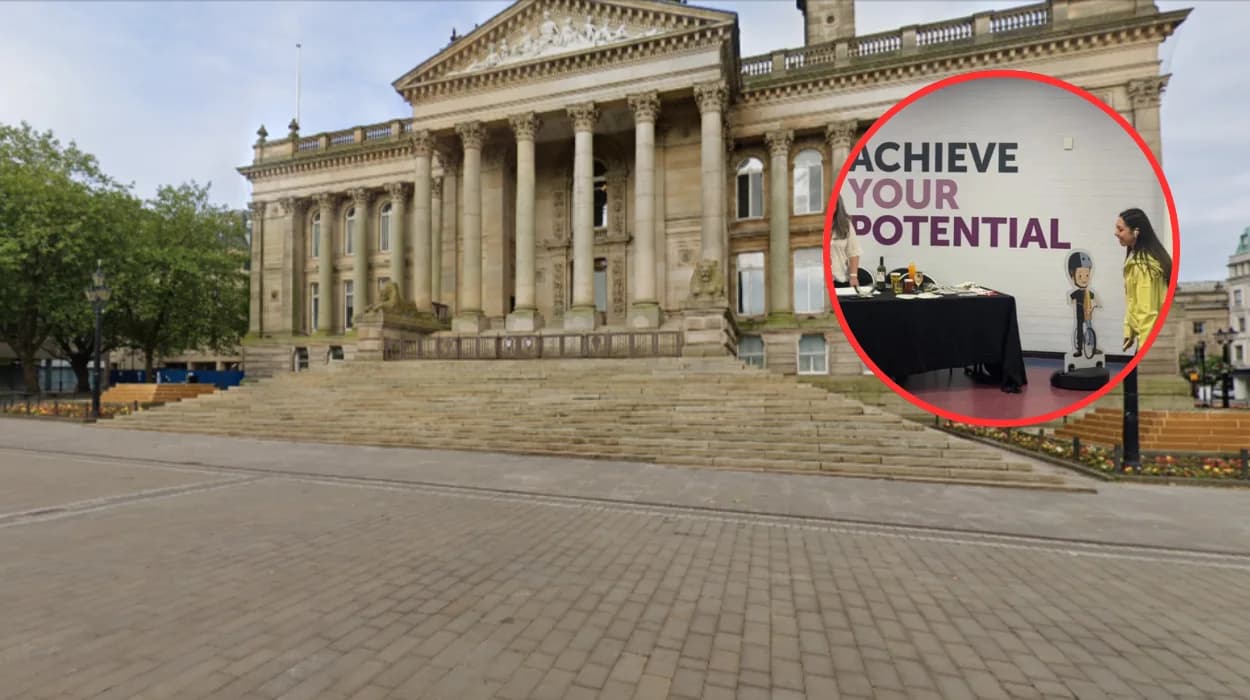
Housed within the central hub of the campus, the event successfully transformed the college’s main hall into an interactive exhibition space filled with competitive physical challenges, educational workshops, and digital engagement opportunities. Local authorities used the platform to advocate for safer road habits, whilst college leaders praised the initiative for providing essential vocational skills that students can carry forward into higher education and future employment.
What was the primary purpose of Bolton's Active Travel Day?
As reported by James McNeill, Reporter for The Bolton News, the foundational goal of the event was to encourage a sustained cultural shift within the student body toward embracing sustainable travel options. By moving away from a reliance on single-occupancy private vehicle journeys, the initiative sought to align the student population with broader regional environmental goals focused on reducing urban carbon emissions and improving air quality.
The event, which ran from 10:00 am to 1:00 pm inside the spacious Sixth Form Hall, served as a centralized hub where young people could directly confront the realities of their daily environmental impact. Through structured dialogues with transport experts, students were encouraged to critically re-evaluate how they travel to college and navigate the wider town centre, replacing passive transit habits with highly active, sustainable alternatives.
How did local government partners support the sustainable travel event?
The success of the Active Travel Day was heavily bolstered by the strategic involvement of regional public bodies. Representatives from Bolton Council and Transport for Greater Manchester (TfGM) were on-site throughout the day, providing professional resources and educational toolkits aimed at addressing the practical barriers to active travel.
According to the reporting published by James McNeill of The Bolton News, municipal representatives focused extensively on promoting road safety protocols, outlining secure cycling routes across the borough, and emphasizing the interconnected health benefits of a more physically active lifestyle. By providing authoritative insight into the region's expanding sustainable infrastructure, the partners aimed to instil long-term confidence in young commuters looking to make the transition to walking or cycling.
Explore More Bolton Council News
Council Plans Security Upgrades at Longsight Park: Harwood 2026
Bolton Council Launches Urgent Heritage Repairs: Mawdsley Street 2026
What specific challenges and activities did the students experience?
To maintain high levels of engagement among teenage participants, the student organisers rejected traditional lecture-style instruction in favour of competitive, gamified fitness challenges and interactive exploration.
How did the indoor fitness challenges test student endurance?
The central floor of the Sixth Form Hall featured two primary physical challenges designed to push participants' limits. Students could step up to a high-intensity "one-minute cycle challenge," which measured short-burst aerobic output on stationary bicycles. Alongside the cycling event, organisers implemented an all-day pedometer step challenge, which incentivised students to track their movement with the targeted objective of walking more than 5,000 steps over the course of the day.
What was the Bolton Scavenger Hunt?
Beyond the campus walls, the event featured the "Bolton Scavenger Hunt," a creative town-centre geographic challenge. Participants were tasked with completing a selfie-based tour across six of Bolton’s most iconic architectural and cultural landmarks. The route specifically required students to navigate to:
- The historic Bolton Library, a cornerstone of the town's cultural district.
- The famous Fred Dibnah statue, celebrating the town's industrial heritage.
- Four additional prominent town-centre landmarks.
To drive high participation rates, the organisers secured a selection of premium tech rewards and retail incentives, allowing students who successfully completed the tasks to enter a draw to win high-quality headphones and shopping vouchers.
What did council officials say about the success of the event?
The strategic execution of the project drew strong praise from municipal leaders who attended the sessions. Officials expressed optimism that the thought-provoking nature of the event would lead to permanent, positive lifestyle choices among the attendees.
As reported by James McNeill of The Bolton News, Neil Hart of Bolton Council commended the academic rigor and professional execution displayed by the organisers, stating:
"Following presentations and a dragon's den style pitch from the students, I feel the staff and students delivered a fantastic event showcasing Active Travel and its many benefits to the Sixth Form community."
Highlighting the dynamic atmosphere generated within the exhibition hall, Neil Hart of Bolton Council further observed:
"It was fantastic to see the enthusiasm in the room on the day, taking part in the challenges, reviewing their daily journey into college and beyond, and listening to the partners in the room. There really were some thought-provoking moments that the students took away with them, hopefully into a safer and more active lifestyle. Well done to the organising group in planning and delivering a fantastic event."
How did college leadership view the project's educational outcomes?
From an academic perspective, senior faculty members viewed the Active Travel Day as a triumph for vocational learning, proving that practical, community-facing briefs can yield excellent educational outcomes.
As detailed by James McNeill within The Bolton News coverage, Jill Errington, the Head of Sport and Public Services at The Sixth Form Bolton, emphasized the immense value of integrating real-world project management directly into the curriculum, stating:
"This has been a great opportunity for our students to work together on something practical and relevant to their everyday lives. They've done a really good job of creating an event that feels accessible and engaging for their peers."
Reflecting on the wider long-term behavioral changes and professional growth observed across the student body, Jill Errington of The Sixth Form Bolton added:
"It's been encouraging to see students getting involved in the activities and thinking a bit more about their daily travel habits. The project has also given those involved valuable experience that they can take forward beyond the classroom."
Why are active travel initiatives growing in Greater Manchester?
The deployment of the Active Travel Day at The Sixth Form Bolton comes amidst a broader, multi-million-pound regional push across Greater Manchester to revolutionize urban transport systems. Under local government frameworks, authorities are heavily investing in expanding dedicated cycling lanes, pedestrianising high-density urban areas, and lowering speed limits around educational institutions to safeguard young pedestrians.
By targeting sixth-form colleges, local authorities and transport planners aim to capture young commuters at a critical transitional crossroad in their lives—just as they begin to formulate independent travel habits and look toward learning to drive. Academic and municipal partnerships, such as the one demonstrated in Bolton, are increasingly viewed as a highly cost-effective method for lowering regional traffic congestion, curbing local carbon footprints, and fostering a healthier, more environmentally conscious generation.