Key Points
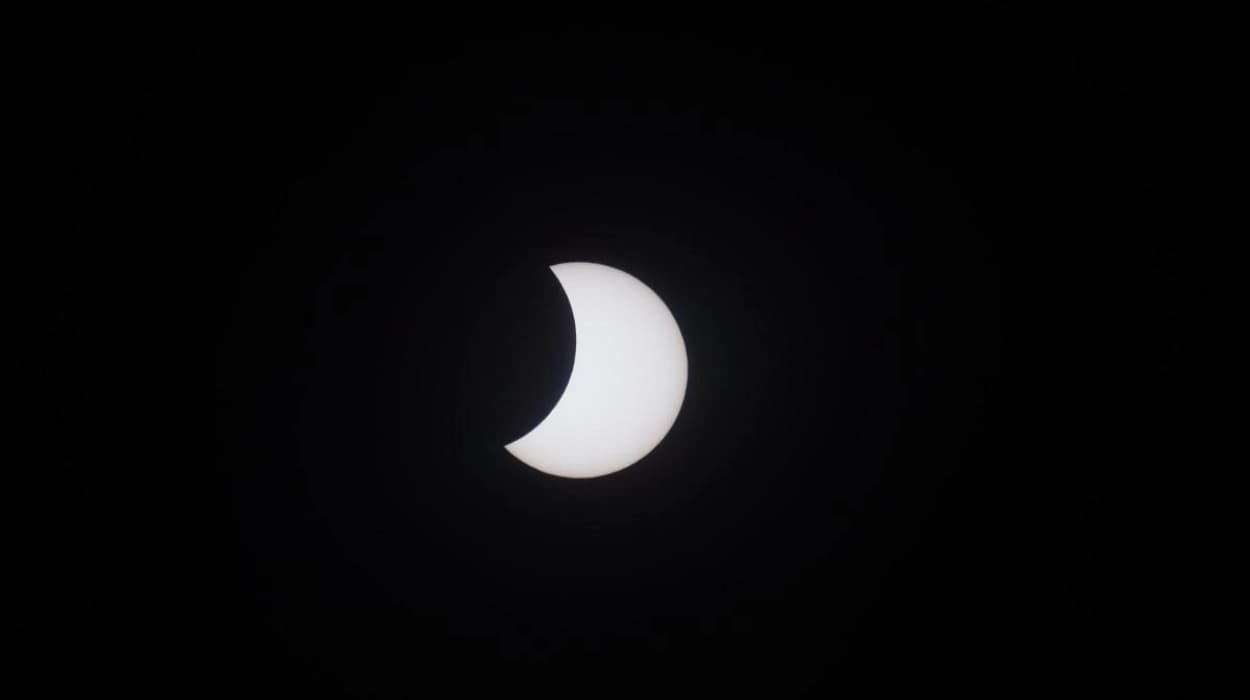
- Major Astronomical Event: Between 90% and 96% of the Sun will be obscured by the Moon on Wednesday, August 12, 2026, marking the most significant solar eclipse visible from the UK since August 1999.
- Regional Timings: In the North West and Bolton area, the eclipse begins shortly after 6:10 pm, reaches peak coverage of over 90% at approximately 7:10 pm, and concludes just after 8:00 pm.
- Ainsworth Methodist School Hall Event: Hosting a lawn watch-party in Greenside from 6:00 pm to 8:30 pm. Attendees are advised to bring picnics and chairs; viewing glasses are on sale for £1, with refreshments available for a donation.
- Harwood Methodist Church Event: Running a free community session from 6:30 pm to 7:30 pm, offering free eclipse glasses, refreshments, a tuck shop, and family crafts and games.
- Regional & Educational Gatherings: Heaton Park Astronomy Group in Manchester is running a free public watch-along, while Sharples High School in Bolton is hosting a viewing party for pupils and families using its school observatory facilities.
- Safety Mandate: Astronomers and organisers strictly warn the public never to look directly at the Sun without certified, safe solar projection or viewing apparatus.
Bolton (Bolton Today) August 12, 2026 - Communities across Bolton and Greater Manchester are gathering at public watch parties this evening to observe the most dramatic solar eclipse visible from the United Kingdom in nearly 27 years.
As reported by Saiqa Chaudhari, Audience & Content Editor at The Bolton News, astronomers confirm that between 90 and 96 per cent of the Sun's surface will be obscured by the Moon on Wednesday evening, August 12, 2026. This occurrence represents the most substantial solar alignment seen over Britain since August 1999, with scientists noting that an event of similar magnitude will not recur in the region for more than half a century. While path-of-totality observers in Greenland, Iceland, and northern Spain will witness a total solar eclipse, residents across North West England will experience deep partial coverage exceeding 90 per cent.
What Time Does the Solar Eclipse Peak in Bolton?
According to reporting by Saiqa Chaudhari of The Bolton News, astronomical timings for the North West indicate that the Moon will begin its transit across the Sun shortly after 6:10 pm. The maximum coverage—where over 90 per cent of the solar disc is blocked in the Bolton area—will occur at approximately 7:10 pm, before the phenomenon concludes just after 8:00 pm.
Although total darkness will not occur in the UK, experts cited by The Bolton News explain that members of the public will observe noticeable drop-offs in ambient daylight levels alongside a temporary reduction in ambient temperature as solar irradiance dips during peak alignment.
Explore More Bolton News
Bolton Charity Launches School Uniform Giveaway Event in Horwich 2026
International Aid Trust Founder Wins Prestigious Ukraine Award in Bolton 2026
Where Are the Local Community Viewing Events Being Held?
As documented by The Bolton News, several local venues and institutions have established public watch-along locations:
- Ainsworth Methodist School Hall (Greenside): Running from 6:00 pm to 8:30 pm. Visitors are encouraged to bring folding camping chairs and picnics to the hall lawn. Eclipse-viewing glasses are available for purchase on site for £1, alongside tea, coffee, and biscuits provided for a voluntary donation.
- Harwood Methodist Church: Hosting a free family viewing event from 6:30 pm to 7:30 pm. The venue provides complimentary eclipse glasses and refreshments, complemented by a tuck shop, children's crafts, and interactive games.
- Sharples High School: Organising a dedicated evening viewing party for pupils and families, leveraging the school’s on-site observatory telescope facilities—previously featured when student Ameena Patel engaged in observational work at the site.
- Heaton Park (Manchester): Organised by the Heaton Park Astronomy Group, offering a free regional watch-along equipped with specialized eclipse glasses for attending visitors.
How Can You Safely View the Solar Eclipse Without Eye Damage?
Event organisers, astronomers, and health professionals quoted in the report by Saiqa Chaudhari explicitly warn against looking directly at the Sun with the naked eye, standard sunglasses, or unverified optical filters. Looking directly at solar radiation during a partial eclipse causes permanent optical thermal damage to retinal tissues. Safe observation requires ISO-certified solar eclipse glasses, handheld solar viewers, or indirect pinhole projection methods.