Key Points
- Application Rejected: Bolton Council planners have officially turned down a planning bid to establish a commercial hand car wash and vehicle valeting business on a prominent town centre site.
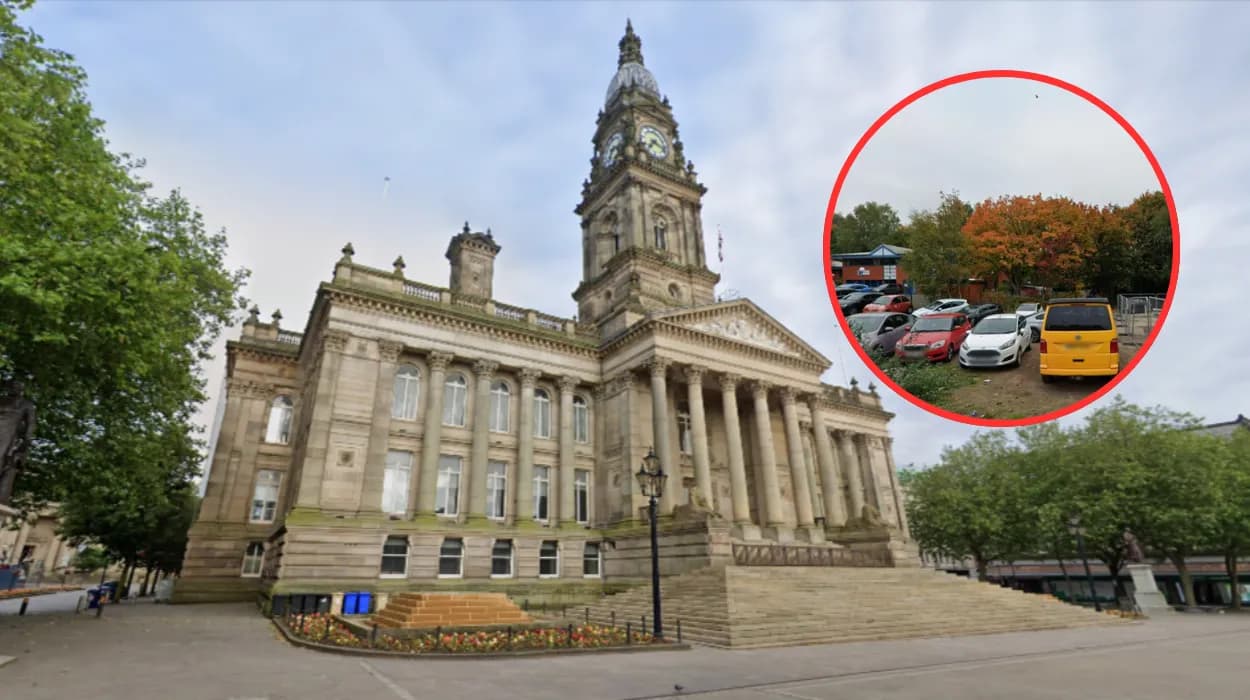
- The Targeted Location: The proposed development was designated for the vacant former Spa Mill site, situated on Spa Road, directly adjacent to the popular Queens Park.
- Proposed Infrastructure: The development layout outlined plans to erect a timber office cabin, overhead washing canopies, perimeter security fencing, specialized drainage infrastructure, and newly modified vehicle access points.
- Primary Reasons for Refusal: Municipal planning officers rejected the proposal based on three central concerns: structural and visual impact on the town gateway, the complete obstruction of a long-standing pedestrian access route, and an absence of vital noise pollution data.
- Heritage Area Protection: Authorities explicitly noted that the "makeshift" design would cause visual harm to nearby protected heritage assets, specifically the Queens Park Conservation Area and the Grade II-listed Church of St Paul's.
- Pedestrian Link Severed: The proposed layout threatened to block an informal but heavily utilized pedestrian pathway that serves as a core regeneration corridor connecting Spa Road with the park.
- Economic vs. Environmental Balance: Despite the applicant's projection that the car wash facility would create up to six full-time local jobs, municipal authorities concluded that the economic benefits were heavily outweighed by the environmental, structural, and aesthetic harms identified.
- Partial Departmental Approval: While the main planning board rejected the site overhaul, both highway engineers and pollution control officers raised no technical objections regarding traffic flow or the proposed operating hours.
Bolton (Bolton Today) July 2, 2026 - A controversial planning bid to transform a prominent, vacant town centre plot into a commercial hand car wash and valeting facility has been officially rejected by municipal authorities, it has emerged. The application sought comprehensive permission to repurpose the former Spa Mill site, located on Spa Road, into an active automotive washing hub complete with standalone timber administrative cabins, physical canopies, security boundary fencing, and updated vehicle access points. However, planners at Bolton Council ultimately threw out the blueprint, determining that the project would fundamentally damage the visual integrity of a major town gateway, disrupt critical public footpaths, and fail to satisfy statutory environmental safety metrics regarding noise pollution control.
Why Did Bolton Council Reject the Hand Car Wash Proposal?
The refusal of the commercial planning application rests heavily on the aesthetic standards required for major metropolitan entrance routes. As reported by Isobel Forbes of The Bolton News, municipal planning officers explicitly stated in their comprehensive evaluation report that the proposed timber buildings, perimeter fencing, and overall physical layout would fail to enhance one of the main gateway routes into the Bolton town centre.
Local authorities detailed that the architectural style of the development was heavily out of keeping with the established structural character of the surrounding urban area. According to official documentation published by the planning board, the proposed commercial footprint presented an unacceptable design profile that was deemed too industrial and visually unappealing for such a highly visible, public-facing location.
How Does the Decision Protect Local Heritage Assets near Queens Park?
The spatial proximity of the vacant Spa Road site to historic public spaces formed a major battleground during the planning assessment. Writing for The Bolton News, local journalist Isobel Forbes revealed that the planning inspectorate's report added substantial weight to protecting the nearby historic environment, explicitly noting that the development would harm the pristine setting of close-by heritage assets.
The council's formal refusal documentation singled out two specific sites of major historical significance that would suffer direct visual degradation under the plans:
- The Queens Park Conservation Area
- The Grade II-listed Church of St Paul's
In a stinging critique of the developer’s design aesthetic, planning officers described the entire commercial scheme as possessing a distinctly "makeshift and rudimentary appearance," making it entirely incompatible with the preservation goals established for the surrounding conservation zone.
Explore More Bolton Council News
Labour Minority Tested in Crucial Ward By-Election: Bolton 2026
Farnworth House Extension Ordered Down After Appeal Fails: Farnworth 2026
What Impact Would the Car Wash Have on Pedestrian Access?
Beyond the visual and historical concerns, the physical blocking of public transit routes emerged as a critical structural reason for the council's firm refusal. As reported by Isobel Forbes of The Bolton News, the municipal council raised severe objections to the commercial proposal because the planned layout would completely block a long-established, informal pedestrian route that currently links Spa Road directly with Queens Park.
For years, local residents and commuters have utilized this thoroughfare as a seamless green corridor between the urban center and the parkland. The planning inspectorate emphasized this point in their final report, stating that improving fluid pedestrian access between Queens Park and the Bolton town centre has been a long-standing, high-priority objective for the town's broader regeneration framework. Planners concluded that the layout of the proposed car wash would actively reduce public connectivity rather than improve it, directly violating long-term urban development strategies.
Why Did the Lack of a Noise Impact Assessment Trigger an Automatic Refusal?
A third and equally vital administrative reason for the immediate refusal related directly to environmental noise control and local residential amenity protection. In the coverage provided by The Bolton News, reporter Isobel Forbes highlighted that the council took issue with the complete omission of specialized environmental data, confirming that no formal Noise Impact Assessment had been submitted by the applicant.
The local planning board argued that without a scientific acoustic evaluation, it was impossible to prove that the business could operate safely without disrupting the peace. The council explicitly noted that the continuous use of high-pressure industrial washers, heavy vehicle movements, and various other loud activities associated with a high-volume valeting business would likely affect residents of an adjacent apartment development that is currently under construction nearby. Protecting the living conditions of these future residents meant the plan could not progress without rigorous acoustic proof.
Did the Apparent Economic Benefits and Job Creation Outweigh the Planning Disadvantages?
The developers had attempted to bolster their application by highlighting the positive economic impacts the new business would bring to the local community. As detailed by Isobel Forbes of The Bolton News, the commercial application explicitly stated that the hand car wash operation could successfully create up to six full-time jobs for the area, providing an active employment use for a plot of land that has sat vacant since the demolition of Spa Mill.
However, this economic argument failed to sway the local planning directorate. Planning officers concluded in their final summary that the localized economic benefits of these six projected roles were completely outweighed by the substantial structural, historical, and environmental harm identified across the rest of the proposal. The long-term damage to the town's regeneration goals was ultimately deemed a far greater risk than the short-term benefit of commercial site reoccupation.
Which Municipal Departments Raised No Objections to the Spa Road Plans?
While the overarching planning application was decisively refused by the main board, certain technical departments within the local authority did not find fault with the operational aspects of the business. According to the investigative reporting published by Isobel Forbes of The Bolton News, municipal highway engineers ultimately raised no official objections to the plans, concluding that the updated vehicle access points and projected traffic turning circles would not negatively impact the existing road network or cause safety hazards on Spa Road.
Furthermore, local pollution control officers also weighed in on the application, confirming that they considered the business's proposed daily operating hours to be acceptable in principle from a regulatory perspective. Despite these isolated departmental clearances, Bolton Council ultimately concluded that the scheme broadly and fundamentally conflicted with core local planning policies, leading to the absolute refusal of the application.