Key Points
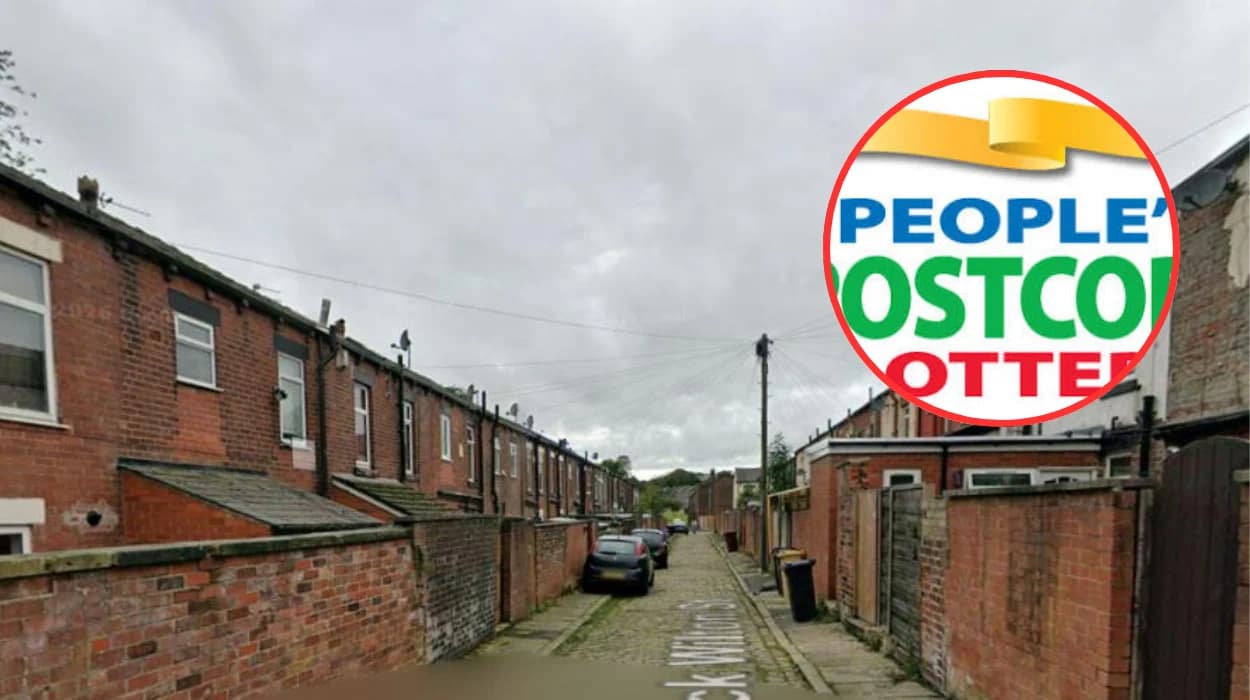
- Astley Bridge Success: Neighbours living on Back Wilton Street, Astley Bridge, secured a cash windfall in the People’s Postcode Lottery.
- Winning Postcode: The precise postcode drawn for the primary daily prize was BL1 8PW.
- Individual Payouts: Every eligible ticket holder within the winning postcode region receives a cash sum of £1,000 per ticket.
- National Context: The Bolton street was one of 19 across the United Kingdom chosen during this specific daily draw cycle.
- Charitable Donations: The subscription-based model ensures that 33% of all ticket sales are routed directly to national and local charitable organisations.
Bolton (Bolton Today) July 2, 2026 - Residents of an Astley Bridge street are celebrating a significant financial boost after their neighbourhood was drawn in the latest People’s Postcode Lottery selection. The individuals living on Back Wilton Street, operating under the postcode BL1 8PW, were officially confirmed as winners of the lottery’s daily prize distribution. Each participant registered with an eligible ticket in the specific area will receive a direct payout of £1,000, providing an unexpected windfall for the local community.
The recent announcement saw the Bolton enclave join a select group of 19 other winning postcodes across the United Kingdom. Under the operational guidelines of the lottery, the precise financial return for each household is dictated by the volume of active tickets held by individual players. Those playing with a single ticket receive the standard baseline prize, whilst neighbours holding multiple active subscriptions find their cash payouts multiplied accordingly.
Which Bolton Communities Have Struck It Lucky Recently?
The lottery win in Astley Bridge represents the latest chapter in a broader sequence of consecutive lottery successes documented across the metropolitan borough of Bolton. Local media analysis indicates that the region has frequently featured within the daily prize announcements over the preceding months, highlighting a statistical surge in community wins.
As reported by Isobel Forbes, a reporter for The Bolton News, the Back Wilton Street victory has contributed to a growing sense of celebration within the town. In her direct analysis of the event, Forbes stated that
"neighbours living on Back Wilton Street, Astley Bridge, covered by the postcode BL1 8PW, were announced as winners of the lottery's daily prize."
This observation underpins a broader trend of working-class areas across Greater Manchester benefiting from the localized draw format.
Furthermore, historical records published by the regional press confirm that the Astley Bridge district has repeatedly drawn focus from the lottery's ball machines. As noted by Senior Reporter Zach Harrison of The Bolton News, a separate cohort of residents on Florence Avenue in Astley Bridge, under the postcode BL1 8RG, secured an identical £1,000 daily prize tracking. In his published report, Harrison stated that
"residents struck it lucky with a win on a postcode lottery,"
highlighting the geographical distribution of consecutive wins within the same postal sector.
What Happened in the Surrounding Bolton Suburbs?
Beyond Astley Bridge, the broader municipal boundaries of Bolton have witnessed several instances of localized lottery windfalls. In May, residents of Hastings Road in the town centre sector experienced a similar outcome. As reported by Ruby Watson, a reporter for The Bolton News, those living under the postcode BL1 4NG began their weekend substantially richer. In her reporting, Watson observed that
"those who live on Hastings Road in Bolton and play the Postcode Lottery had their postcode, BL1 4NG, drawn,"
reinforcing the fact that entire blocks frequently experience synchronized wins.
In a separate account focusing on the urban periphery, the town centre itself was highlighted when Chorley New Road was selected. In a report compiled by Zach Harrison of The Bolton News, it was confirmed that ticket holders residing near Queens Park and the Bolton Hospice under the BL1 4AP postcode were awarded individual cash packages. Harrison recorded that
"Residents in Bolton have been given a reason to be cheerful after winning on a postcode lottery,"
drawing attention to how these wins often touch areas located next to key civic infrastructure.
How Does the People’s Postcode Lottery Operational Model Work?
To understand how a single street like Back Wilton Street can collectively secure a financial payout, it is necessary to examine the foundational logistics of the subscription mechanism. Unlike traditional lottery frameworks where individuals choose independent number combinations, this format anchors the participant's entry to their home address.
What Are the Entry Requirements and Cost Structures?
The system operates on a fixed subscription architecture. For a monthly fee of £12.50, players register their residential postcode as their permanent ticket number. The software automatically inputs every active address into a series of daily, weekly, and monthly prize draws.
As detailed by Ruby Watson of The Bolton News, the subscription parameters ensure a predictable reward loop. Watson explained that
"For £12.50 a month, you're entered into every prize draw, and there are guaranteed winners every day."
This format shifts the gaming dynamic away from single-event ticket purchases towards an ongoing community stake.
How Are Multi-Ticket Payouts Calculated?
A distinguishing feature of the daily draw format is the capacity for proportional compounding. If a specific postcode is drawn, every single ticket registered to that sequence wins a dedicated share.
As outlined in the operational briefs published by The Bolton News editorial staff, the presence of multiple tickets within a single household alters the final payout. The publication clarified that
"If you play with two tickets, you receive double the winning prize amount."
Consequently, a resident holding three active subscriptions on Back Wilton Street would secure £3,000, even though the baseline daily prize is fixed at £1,000 per ticket.
Explore More Astley Bridge News
Cannabis Farm Waste Dumped on Scout Road in Bolton 2026
Dawn Raid at Astley Bridge Property Leads to Teen Arrest, 2026
What Impact Does the Draw Have on National and Local Charities?
While the immediate focus of localized wins remains fixed on the personal windfalls of the neighbours involved, the systemic infrastructure of the People's Postcode Lottery is explicitly tied to non-profit funding. A fixed percentage of all subscription revenue is legally mandated to bypass the prize fund and enter philanthropic accounts.
How Much Funding is Allocated to Good Causes?
According to the official statutory filings of the lottery organization, more than 33% of the price of every ticket is donated directly to charities. This funding mechanism has cumulative long-term effects.
As reported by Lisa Valentine, a Senior Reporter for The Bolton News, the macro-scale financial distribution of the lottery has passed significant thresholds. In her reporting on regional lottery outcomes, Valentine stated that
"Players have raised more than £1.7 billion for thousands of good causes in Britain and internationally."
This massive capital injection is managed through a structure of 20 distinct charitable trusts, each representing a specific sector of public utility, environmental preservation, or medical research.
Which Specific Charities Receive Financial Support?
The funds raised through the subscription fees of residents in towns like Bolton are distributed across a network of nationally recognized institutions and localized community groups. The overarching framework ensures that prominent charities receive sustained monthly budgets.
As confirmed by the investigative teams at The Bolton News, the roster of major beneficiaries includes organizations dealing with mental health, animal welfare, and terminal illness support. The publication noted that the lottery provides "essential support" to entities such as:
- Maggie’s Cancer Care Centres: Providing emotional and practical support to individuals navigating oncology treatments.
- Alzheimer’s Society: Funding clinical research and localized dementia care initiatives across the North West.
- Dogs Trust: Underwriting the operational costs of canine rescue and rehoming facilities.
- Mind: Sustaining regional mental health helplines and community-based support networks.
- NSPCC: Financing child protection systems and therapeutic services for vulnerable youth.
A spokesperson for the People’s Postcode Lottery, in an official statement broadcast via their digital channels, captured the dual purpose of the enterprise by stating:
"Drum roll, please. It's time to announce today's Daily Prize winners. There's a lovely £1,000 on its way to you if you play with one of these 20 lucky postcodes."
The representative further emphasized that the model balances individual entertainment with predictable, non-discretionary funding for social infrastructure.
How Do Postcode Wins Affect Local Neighbourhood Dynamics?
The structural design of a postcode-based draw introduces a distinct social element to the concept of lottery success. Because wins are geographically concentrated, they often trigger localized communal celebrations that differ significantly from the isolated experiences of individual lottery winners.
Does Community Play Foster Social Cohesion?
When an entire street wins simultaneously, the shared experience frequently alters the immediate social environment. On streets such as Back Wilton Street or Booth Road, the simultaneous distribution of prizes means that neighbours share a common cause for celebration.
As observed by Neil Brandwood, a reporter covering the Little Lever lottery distribution for The Bolton News, the announcements often transform ordinary weekdays. Brandwood recorded that
"Lucky neighbours had plenty to celebrate today, as the week got off to an amazing start for them,"
adding that
"neighbours on one street found themselves richer today after a lottery win."
This shared economic upgrade can improve community relationships, as the typical envy associated with solo lottery wins is replaced by a collective celebration.
However, sociologists and financial analysts note that the model can also create localized peer pressure. Because the winning ticket is tied directly to the home address, residents who opted out of the monthly subscription are explicitly aware that their immediate neighbours have secured a windfall while they have not. This dynamic serves as a powerful marketing driver for the lottery, ensuring high subscription density within specific postal sectors.