Key Points
- Council Refusal: Bolton Council planning chiefs have officially refused a retrospective planning application for a 2.8-metre-high boundary fence.
- Property Location: The fence was erected at a property known as "The Elms" on Blackburn Road in Astley Bridge, occupying a prominent corner position at the junction of Blackburn Road and Bar Lane.
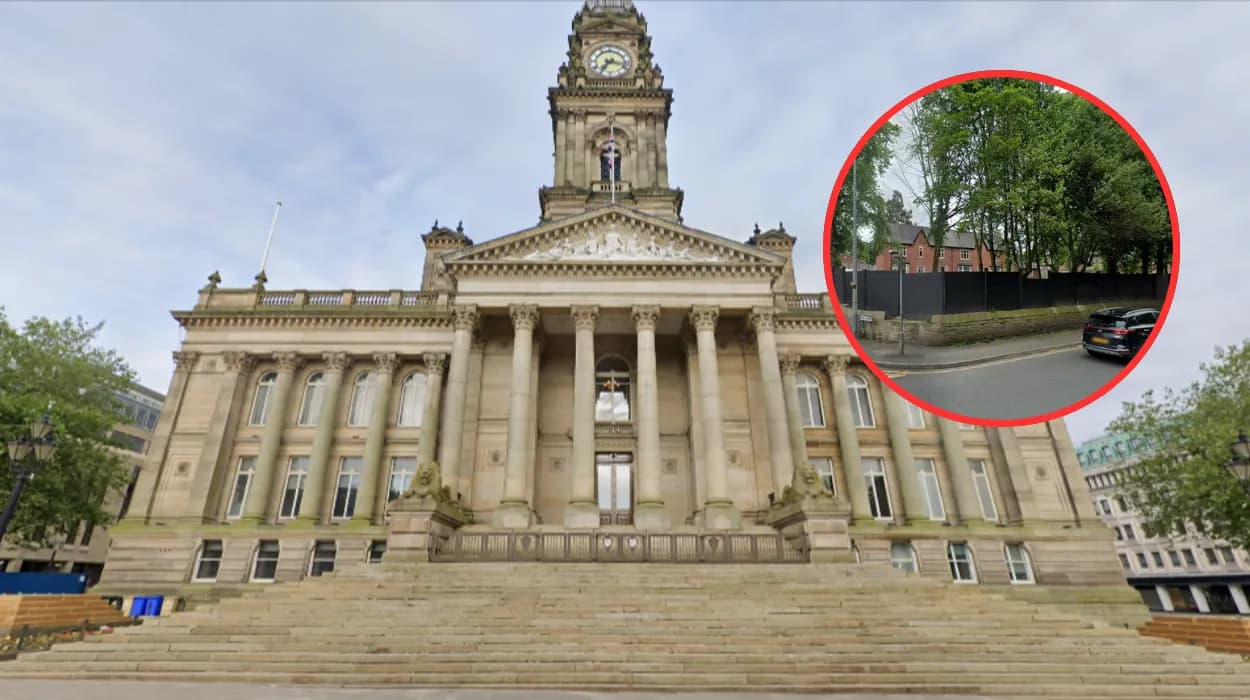
- Structure Specifications: The boundary structure consists of an existing 1.1-metre-high stone wall with an additional 1.7 metres of modern black composite screening panels mounted directly on top.
- Aesthetic and Visual Impact: Local planning officers ruled that the structure’s considerable height, stark colour, contemporary material, and highly visible position created an "undue impact on the street scene," harming the established character of the major road junction.
- Road Safety Issues: Highways officers raised concerns regarding potential obstructions to motorist and pedestrian visibility splays at the busy junction, noting a distinct lack of technical visibility drawings from the applicant.
- Residential Impact: Despite the visual and safety objections, council planners conceded that the fence was unlikely to negatively affect neighbouring residents regarding overlooking, overshadowing, or loss of privacy.
- Public Consensus: The formal council application process concluded with zero objections or letters of protest lodged by members of the general public.
- Legal Enforcement Risk: Following the official refusal on May 20, 2026, the property owner now faces enforcement action requiring the removal or modification of the fence unless a successful statutory appeal is lodged.
Astley Bridge (Bolton Today) May 21, 2026 – A homeowner in Astley Bridge faces being forced to dismantle a newly erected black boundary fence after local authority planning chiefs determined the structure was causing significant detriment to the visual character of a major road junction. Bolton Council has rejected a retrospective planning application for the 2.8-metre-high boundary treatment at a prominent local property known as The Elms, situated on Blackburn Road. Municipal planners ruled that the imposing installation stands out sharply against the established street scene, creating an unacceptable visual clash with nearby traditional low-level brick and stone boundaries.
The controversial boundary installation, constructed using contemporary black composite panels fixed atop an existing stone wall, had already been built before formal regulatory permission was sought from the local planning office. Following the council's decisive refusal, the property owner is locked in a regulatory standoff and could be legally compelled to demolish the modern screening. The resident’s remaining avenues to prevent enforcement action include submitting a substantially revised design or lodging a formal statutory appeal with the Planning Inspectorate.
What is the Planning Dispute on Blackburn Road About?
The core of the dispute rests on the unsanctioned modification of a residential boundary wall located at a high-profile traffic intersection. The application sought retrospective approval for what council documents classify as the erection of a boundary fence. The built structure comprises a combined boundary height of roughly 2.8 metres, which incorporates a baseline 1.1-metre traditional stone wall supporting an additional 1.7 metres of black composite screening panels.
As reported by Isobel Forbes, Reporter for The Bolton News, the structure was deemed by planning authorities to be "too imposing and out of keeping with the surrounding street scene." Because the construction work had already been finalized prior to the submission of the paperwork, the application was treated under retrospective planning laws, which judge completed developments by the exact same strict criteria as unbuilt proposals.
The localized visual impact is particularly heightened due to the property's geographic positioning. The fence sits squarely at the heavily trafficked junction of Blackburn Road and Bar Lane, making it a highly visible feature for thousands of daily commuters, pedestrians, and local residents navigating the Astley Bridge area.
Why Did Bolton Council Refuse Retrospective Planning Permission?
The decision by municipal authorities to reject the boundary fence came down to a combination of strict local planning criteria concerning urban aesthetics, contextual design, and potential highway safety hazards. Municipal planning officers evaluated the modern addition against existing local development frameworks that govern how residential alterations affect the broader community identity.
As reported by Isobel Forbes of The Bolton News, council planning officers formally stated in their assessment report backing the refusal that the fence’s “height, colour, material and position” combined to exert an “undue impact on the street scene.” The local authority’s technical assessment concluded that the dark, contemporary composite material failed to harmonise with the historic and architectural fabric of the neighborhood, which is dominated by low-level stone and brick masonry.
Furthermore, the physical height of 2.8 metres was deemed excessively overbearing for a front-facing boundary in that specific street setting. By extending so far above the standard sightlines, the fence was viewed by council experts as an architectural anomaly that disrupted the open feel of the Blackburn Road and Bar Lane junction.
Explore More Bolton Council News
The Lamb Hotel Astley Bridge Nominated for 2025 Community Pub Award
Bollards Proposed for Astley Bridge Selfish Drivers, Bolton 2026
What Highway Safety Concerns Were Raised by Officials?
Beyond the purely aesthetic arguments that dominated the council's report, serious technical concerns were brought forward by municipal transport and infrastructure experts. The location of the property at the corner of a busy urban intersection meant that any significant increase in boundary height would automatically trigger an evaluation of traffic safety metrics.
As reported by Isobel Forbes, Reporter for The Bolton News, local highways officers raised significant concerns over road safety, noting that they
"had not been given enough information to judge whether the fence could affect visibility for drivers and pedestrians near the junction."
In standard planning procedures involving corner properties, applicants are required to prove that their developments do not impede the clear sightlines required by motorists turning into or out of side streets.
To satisfy these technical safety standards, council highways officers had explicitly requested the submission of formal visibility splay drawings. However, as confirmed by the council's published records, these technical illustrations were never provided by the applicant during the assessment window. This lack of data left highways officials unable to formally clear the structure of being a hazard to road users, compounding the reasons for refusal.
How Does the Fence Affect Nearby Residents and the Public?
While the local planning authority and highways departments found major fault with the black composite fence, the impact of the structure on the immediate human population presented a more nuanced picture. In many domestic planning battles, proposals are derailed by bitter neighbour disputes or organized local opposition; however, this instance lacked such public friction.
As reported by Isobel Forbes of The Bolton News, council planners explicitly acknowledged that the fencing was
"unlikely to negatively affect neighbouring residents in terms of privacy, overshadowing or overlooking."
Because of the specific alignment of The Elms relative to adjacent homes, the substantial 2.8-metre barrier did not cut off vital daylight from neighbouring windows, nor did it create an oppressive sense of enclosure for the immediate residents next door.
This objective assessment by planning officers was reflected in the broader community’s reaction to the public notice of development. During the statutory public consultation phase, in which local residents are invited to submit letters of support or formal objections, the council received absolutely no correspondence. The entire application process concluded with zero public objections lodged against the black composite screening.
What are the Next Legal Steps for the Homeowner?
With the official refusal notice issued by Bolton Council on May 20, 2026, the procedural timeline now shifts toward enforcement options and potential legal appeals. The homeowner is currently left with an unauthorized structure that stands in breach of local planning controls, leaving the property vulnerable to formal legal interventions by the local authority.
As reported by Isobel Forbes, Reporter for The Bolton News, the homeowner
"could be forced to take the fence down unless a successful appeal is lodged or changes are made to the design."
Under UK planning law, the council has the discretionary power to issue a formal Planning Enforcement Notice. This legal document would dictate a specific timeframe within which the homeowner must completely remove the black composite panels and restore the boundary wall to an authorised state.
To avoid the forced demolition of the structure, the homeowner has two primary administrative remedies. The first option is to lodge an appeal against Bolton Council’s refusal with the independent Planning Inspectorate, a central government body that reviews local planning decisions. If a national inspector determines the council was overly harsh, they can overturn the refusal. Alternatively, the homeowner can engage in negotiations with local planning officers to submit a brand-new application featuring a modified design—such as lowering the height of the screening panels or swapping the black composite material for a traditional timber or stone alternative that complements the Astley Bridge street scene.