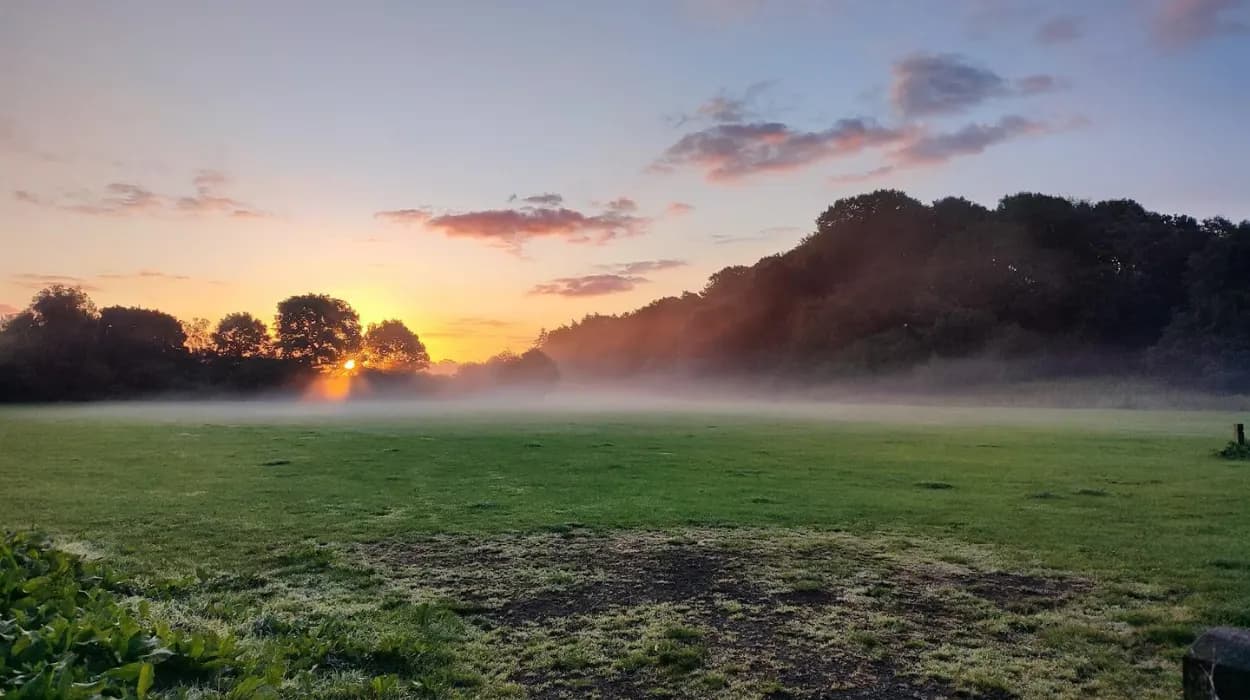
Sunrise transforms the landscape of Bolton through changing light, elevated viewpoints, and seasonal colours. The town's upland moorland, reservoirs, country parks, and historic landmarks provide some of Greater Manchester's most rewarding locations for early morning photography. Beyond visual appeal, these places also preserve centuries of industrial, agricultural, religious, and environmental history, making every sunrise outing an opportunity to experience both natural beauty and local heritage.
Morning photography has become increasingly popular because sunrise offers softer light, clearer atmospheric conditions, and fewer visitors than later hours. Bolton's location on the western edge of the Pennines creates elevated terrain that captures the first daylight spreading across Lancashire, Greater Manchester, and, on exceptionally clear mornings, distant mountain ranges.
Why is Bolton an outstanding destination for sunrise photography?
Bolton combines elevated moorland, historic landscapes, reservoirs, woodland, and protected countryside within a compact area. This geographical diversity creates varied sunrise compositions throughout the year while preserving centuries of cultural and environmental heritage that enrich every photographic location with historical significance and natural character.
Bolton lies between the West Pennine Moors and the urban landscapes of Greater Manchester. This transition zone creates diverse terrain ranging from dramatic hilltops to peaceful lakes and historic parks. The varying elevations allow photographers to capture different perspectives of the rising sun throughout the seasons.
The area's western position also contributes to dramatic dawn conditions. Overnight cooling frequently produces mist over reservoirs and valleys during autumn and early winter, while spring mornings often deliver exceptionally clear visibility following Atlantic weather systems.
The region contains protected landscapes managed by organisations including the National Trust, United Utilities, Bolton Council, and local conservation groups. Their preservation efforts maintain habitats, historic monuments, walking routes, and public viewpoints that remain accessible throughout the year.
Photographers benefit from changing seasonal scenery. Spring introduces fresh woodland colours. Summer provides extended golden-hour photography. Autumn creates colourful forests and mist-filled valleys. Winter often delivers frost-covered landscapes with crisp visibility.
Bolton's accessibility further distinguishes it. Most major sunrise viewpoints lie within a short drive from the town centre while remaining immersed in protected countryside.
Which sunrise locations offer the best panoramic views across Bolton?
Several elevated viewpoints deliver uninterrupted eastern horizons, expansive landscapes, and dramatic compositions. These locations combine geological prominence, historical importance, and accessible walking routes, making them ideal for capturing sunrise over Bolton, the West Pennine Moors, and neighbouring counties throughout every season.
Winter Hill
Winter Hill stands approximately 456 metres above sea level and represents Bolton's highest and most recognisable summit. The hill forms part of the West Pennine Moors and has served as an important navigation point for centuries.
At sunrise, photographers overlook Bolton, Chorley, Manchester, and extensive Pennine landscapes. During exceptional visibility, distant views extend towards Snowdonia and the Lake District.
The summit's broadcasting mast has become a defining modern landmark, while surrounding peat moorland reflects thousands of years of natural landscape evolution. Bronze Age archaeological discoveries across nearby moorland demonstrate human occupation stretching back more than 4,000 years.
Morning conditions frequently produce low cloud inversions, creating dramatic images with hilltops emerging above mist-covered valleys.
Rivington Pike
Although located immediately outside Bolton, Rivington Pike remains closely associated with the town's outdoor heritage.
The summit reaches approximately 363 metres and features the historic Pike Tower, completed in 1733. Originally constructed as a hunting lodge, the tower now serves as one of the region's best-known viewpoints.
Sunrise illuminates the reservoirs below while casting long shadows across the surrounding moorland. The historic stone structure creates an excellent foreground subject for landscape photography.
Two Lads Cairn
Two Lads Cairn occupies elevated moorland between Winter Hill and Belmont.
The prehistoric burial cairn dates to the Bronze Age and connects sunrise photography with one of the area's oldest surviving archaeological monuments.
Its open position provides panoramic eastern views with minimal visual obstruction, making it especially attractive for photographers seeking natural compositions without modern infrastructure dominating the landscape.
How do Bolton's reservoirs create exceptional sunrise photography?
Bolton's reservoirs provide calm water reflections, seasonal mist, surrounding woodland, and historic engineering features. Their combination of natural beauty and Victorian infrastructure creates balanced sunrise compositions that appeal to landscape photographers while demonstrating nineteenth-century advances in public water supply engineering.
The reservoir network surrounding Bolton originated largely during the nineteenth century to supply growing industrial communities with reliable drinking water.
Jumbles Reservoir
Completed during the Victorian period, Jumbles Reservoir sits within woodland north of Bolton.
Early morning conditions frequently generate mirror-like reflections before wind develops later in the day. Tree-lined banks frame the sunrise while footpaths offer multiple viewing angles.
Wildlife including herons, ducks, and kingfishers occasionally provide additional photographic interest during quiet dawn hours.
Wayoh Reservoir
Wayoh Reservoir supplies drinking water and occupies a peaceful valley surrounded by woodland.
Morning mist frequently forms above the water during autumn, producing atmospheric images that combine reflections, woodland, and soft golden light.
The stone dam, historic valve towers, and surrounding hills create varied photographic compositions beyond simple landscape views.
Belmont Reservoir
Belmont Reservoir sits beneath Winter Hill and reflects the surrounding upland scenery.
The combination of moorland vegetation, historic reservoir engineering, and wide-open skies creates distinctive sunrise photographs throughout every season.
Winter mornings often produce frost-covered grasses that enhance foreground detail.
Which country parks provide peaceful sunrise experiences?
Bolton's country parks combine managed landscapes, mature woodland, open grassland, and historic estates. Their maintained footpaths and protected habitats create accessible sunrise opportunities while preserving important examples of Victorian landscape design and twentieth-century environmental conservation.
Moses Gate Country Park
Moses Gate Country Park occupies former industrial land transformed through environmental restoration.
The park demonstrates successful regeneration by converting former mining and industrial landscapes into wildlife habitats, lakes, and woodland.
Sunrise reflects across lakes while surrounding trees provide natural framing for photographers.
Leverhulme Park
Named after industrialist William Hesketh Lever, Leverhulme Park reflects twentieth-century civic planning and public recreation.
Large open fields provide unobstructed eastern views while mature trees create silhouette opportunities during sunrise.
Morning visitors often encounter quiet conditions suitable for peaceful photography.
Seven Acres Country Park
Seven Acres combines woodland, ponds, grassland, and conservation habitats.
Early morning sunlight filtering through mature woodland creates attractive light beams, particularly during autumn when colourful foliage enhances compositions.
The park also supports numerous bird species that become active shortly after sunrise.
What historic landmarks enhance Bolton sunrise photography?
Historic landmarks introduce architectural character, cultural identity, and historical continuity into sunrise photography. Bolton's churches, monuments, towers, and heritage landscapes connect contemporary photography with centuries of regional development, religious history, and industrial expansion across Greater Manchester.
Historic structures add scale and narrative to landscape photography.
Smithills Hall, dating largely from the fourteenth century with later Tudor additions, stands among woodland and landscaped grounds.
Morning light illuminates the medieval manor while surrounding trees soften the historic architecture.
Turton Tower, another important medieval building, combines fortified architecture with landscaped grounds that become especially photogenic during sunrise.
Bolton Parish Church, formally dedicated as St Peter's Church, remains an important religious landmark whose tower catches early sunlight beautifully during clear mornings.
These historic sites illustrate Bolton's development from medieval settlement through industrial expansion into the modern borough.
To experience these historic landmarks in person today, consult our comprehensive [History of Bolton's Hills, Viewpoints, and Scenic Landscapes] for itineraries and visiting parameters.
How do seasonal changes affect sunrise photography in Bolton?
Seasonal variation transforms Bolton's sunrise locations through changing daylight, vegetation, weather patterns, and atmospheric conditions. Every season produces distinct photographic opportunities while reflecting natural ecological cycles that shape the appearance of the surrounding countryside throughout the calendar year.
Spring introduces fresh green vegetation across woodland and moorland.
Bluebells appear in selected ancient woodlands during April and early May, while flowering hedgerows increase colour diversity throughout rural landscapes.
Summer provides the earliest sunrise times and longest golden-hour opportunities.
Clear mornings frequently produce excellent visibility across distant landscapes, although earlier departure times become necessary.
Autumn delivers perhaps the most varied photographic conditions.
Woodland changes into red, orange, and gold foliage while cooler overnight temperatures increase mist formation across reservoirs and valleys.
Winter offers frost, occasional snowfall, and lower sunrise angles that create prolonged golden-hour lighting.
Reduced vegetation also improves visibility towards distant landmarks.
Why are the West Pennine Moors important to Bolton's landscape?
The West Pennine Moors preserve extensive upland habitats, archaeological monuments, water catchments, and recreational landscapes. Their environmental importance supports biodiversity while protecting geological formations and cultural heritage that define Bolton's surrounding countryside and scenic identity.
The West Pennine Moors cover approximately 90 square miles across Lancashire and Greater Manchester.
Their peatlands function as important carbon stores while supporting specialised plants including heather, cotton grass, and bilberry.
Bird species include curlew, skylark, meadow pipit, kestrel, and short-eared owl, illustrating the ecological diversity of upland habitats.
Historical evidence demonstrates continuous human activity across the moors from prehistoric communities through medieval farming and later industrial development.
Stone quarries, abandoned mining remains, historic packhorse routes, and ancient boundary markers remain visible throughout the landscape.
Conservation projects continue restoring damaged peatland to improve biodiversity, reduce flooding, and enhance long-term environmental sustainability.
What photography techniques work best during Bolton sunrises?
Successful sunrise photography depends on preparation, composition, weather awareness, and careful exposure control. Bolton's varied terrain rewards photographers who understand changing seasonal conditions while respecting protected landscapes and adapting techniques to local environmental characteristics.
Photographers typically arrive at least thirty minutes before official sunrise.
This period often produces colourful twilight skies before the sun appears above the horizon.
Wide-angle lenses capture expansive moorland landscapes while moderate telephoto lenses isolate distant hills illuminated by early sunlight.
Tripods remain valuable because low light requires slower shutter speeds before sunrise.
Graduated neutral-density filters help balance bright skies with darker foreground landscapes.
Foreground elements strengthen composition. Dry stone walls, historic gateposts, reservoir edges, mature trees, and heather provide visual depth that guides viewers toward the rising sun.
Weather forecasting also improves photographic success.
Following overnight rainfall, clear high-pressure conditions frequently create excellent visibility across the Pennines.
Calm mornings increase opportunities for perfect reservoir reflections.
How has conservation protected Bolton's sunrise landscapes?
Conservation organisations protect Bolton's scenic landscapes through habitat restoration, heritage preservation, public access management, and environmental monitoring. Their long-term work ensures future generations continue enjoying historically significant viewpoints while maintaining biodiversity and safeguarding important archaeological and cultural resources.
The National Trust protects extensive landscapes around nearby Rivington and surrounding countryside.
United Utilities manages reservoirs while balancing public recreation with drinking water protection and wildlife conservation.
Bolton Council oversees numerous parks, nature reserves, and public green spaces that support biodiversity alongside outdoor recreation.
Volunteer organisations regularly repair footpaths, restore dry stone walls, remove invasive vegetation, and organise litter collection initiatives.
Peatland restoration represents one of the most significant environmental projects across the West Pennine Moors.
Healthy peat stores carbon, improves water quality, supports wildlife habitats, and reduces erosion affecting surrounding landscapes.
Historic England and local archaeological organisations also document prehistoric monuments, historic buildings, and industrial heritage sites, ensuring preservation accompanies modern recreational use.
Why do Bolton's sunrise locations remain valuable for future generations?
Bolton's sunrise viewpoints represent a combination of natural beauty, historical continuity, ecological importance, and public accessibility. Their continued preservation strengthens cultural identity while encouraging responsible tourism, outdoor recreation, environmental education, and appreciation of the region's diverse heritage landscapes.
Sunrise photography encourages visitors to experience Bolton during its quietest hours, reducing pressure on busy daytime attractions while promoting responsible enjoyment of protected countryside.
Educational institutions increasingly use local landscapes to teach geography, environmental science, archaeology, ecology, and photography. Students gain practical understanding of geological processes, habitat conservation, and regional history through direct observation rather than classroom instruction alone.
The area's heritage extends beyond individual landmarks. Reservoirs demonstrate Victorian engineering. Moorland preserves prehistoric archaeology. Country parks illustrate environmental regeneration. Historic buildings reflect medieval settlement, industrial prosperity, and civic development.
Tourism associated with landscape photography also contributes to the local economy by supporting accommodation providers, cafés, outdoor retailers, and guided walking businesses. Visitors frequently return during different seasons to document changing landscapes, extending tourism benefits throughout the year.
Climate adaptation and continued conservation will shape the future appearance of Bolton's countryside. Peatland restoration, woodland management, biodiversity initiatives, and heritage preservation programmes ensure these sunrise locations remain resilient against environmental pressures while retaining their historical character.
For photographers, historians, educators, and visitors alike, Bolton offers an exceptional combination of accessible viewpoints, protected natural environments, and centuries of cultural heritage. Every sunrise reveals not only changing light but also the enduring relationship between landscape, history, and community that has defined Bolton for generations.
FAQS
What is the best sunrise spot in Bolton?
Winter Hill is widely regarded as the best sunrise location in Bolton due to its high elevation, panoramic views across Greater Manchester, Lancashire, and the West Pennine Moors, and excellent opportunities for landscape photography.