Key Points
- The Poll: A crucial local by-election has been officially called for the Horwich North ward on Bolton Council, scheduled for Thursday, July 2.
- Political Implications: The outcome could decide which political party forms the town hall's official opposition, as the Liberal Democrats and the Conservatives currently vie for the status.
- The Catalyst: The unexpected election was triggered following the resignation of former Independent councillor Ryan Bamforth, who announced his departure in May.
- The Contenders: A total of seven diverse candidates have stepped forward to contest the vacant seat, representing both major mainstream parties and localized independent groups.
- The Backdrop: This high-stakes vote arrives a mere eight weeks after the highly competitive local elections held in early May.
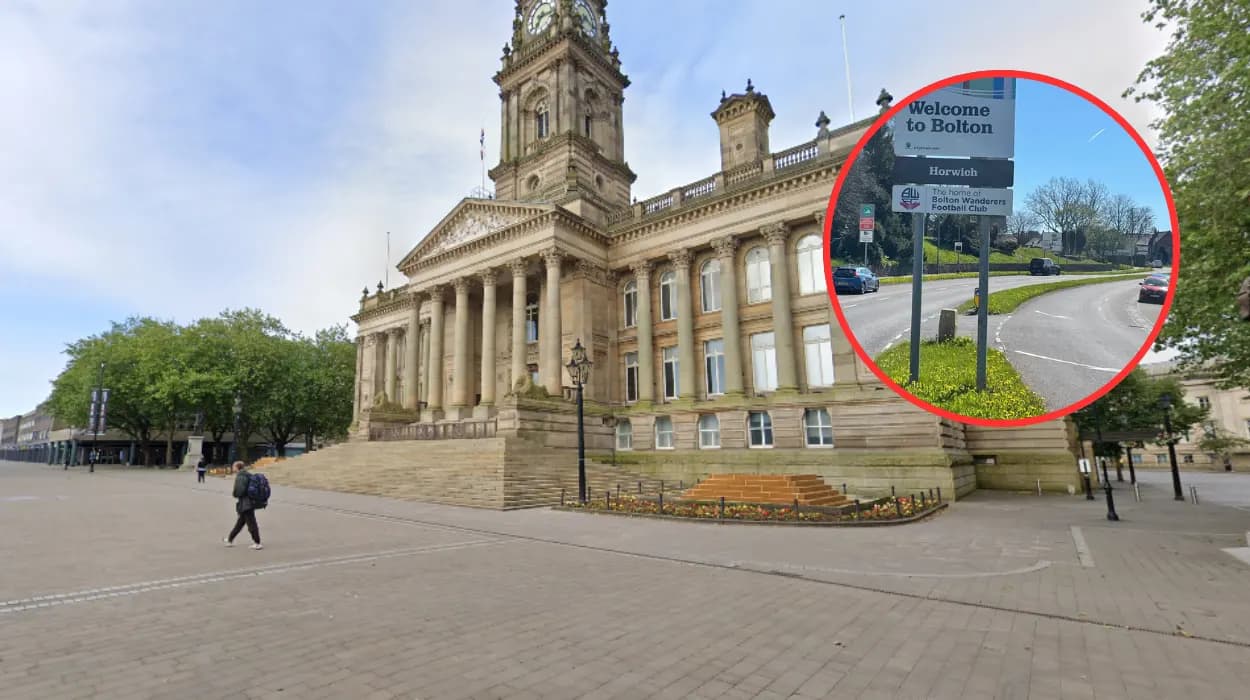
Horwich (Bolton Today) June 8, 2026 – A highly anticipated local by-election has been formally triggered for a pivotal seat on Bolton Council, a political contest that experts note carries the immense potential to definitively shift the balance of power and determine which political faction assumes the mantle of the official opposition at the town hall. Voters across the Horwich North ward will head to the ballot box on Thursday, July 2, to choose their next representative, arriving exactly eight weeks after the tightly contested local government elections in May. The sudden vacancy arose following the high-profile resignation of former Independent councillor Ryan Bamforth, who unexpectedly stepped down from his civic duties last month, leaving a vacuum that seven ambitious candidates are now fiercely competing to fill.
Why Is This Horwich North By-Election Scientifically Vital for Bolton Council?
The political geography of Bolton Council is structured in a manner where minor shifts in seat counts ripple across the entire administration. Currently, the local authority operates under no overall control, with the Labour Party running a minority administration. This delicate ecosystem places immense structural value on the designation of the "Official Opposition."
As reported by municipal affairs editor Sarah Walters of The Bolton Journal, the designation is not merely honorary; it commands additional administrative resources, guaranteed committee scrutiny chairs, and a higher media profile. Going into this vote, the Liberal Democrats and the Conservatives are locked in a statistical dead heat for the second-largest political block. A victory for either party in Horwich North secures an outright numerical advantage, effectively crowning them the formal opposition and altering how council oversight will be conducted for the remainder of the legislative calendar.
Who Is Running in the July 2 Horwich North Poll?
The nomination window has closed, confirming a crowded field of seven candidates, each representing distinct ideological corners of the borough. The official statement released by the Bolton Council democratic services unit outlines a ballot that offers voters a stark choice between national party platforms and hyper-local independent movements.
The candidates contesting the seat are:
- Geoffrey Attenborough – Conservative and Unionist Party
- Rodney Linnet – Liberal Democrats
- Michael Jarvis – Labour Party
- David Benson – Green Party
- Charlotte Harrison – Horwich and Blackrod First Independents
- James Turner – Reform UK
- Ian McNicol – Independent
Why Did Former Councillor Ryan Bamforth Step Down?
The necessity for this mid-summer by-election stems directly from the sudden exit of Ryan Bamforth, who had previously secured the seat as an Independent. His departure caught many within the civic centre by surprise, given the proximity to the previous local election cycle.
Writing for The Lancashire Telegraph, local government reporter Ethan Campbell detailed that Bamforth cited profound personal and professional reasons for his resignation. In an official correspondence reviewed by Campbell, Bamforth stated that
"serving the residents of Horwich North has been an absolute privilege, but the escalating balance between demanding full-time professional commitments and the exhaustive hours required to effectively manage ward casework has become unsustainable for my family."
This seat vacancy has consequently forced the democratic services team to arrange an accelerated polling timeline to ensure the residents do not face an extended period without full constituent representation.
How Will the Liberal Democrats and Conservatives Fight for Opposition Status?
The strategic focus of this campaign lies heavily on the Liberal Democrats and the Conservative Party, both of whom view Horwich North as a mandatory pickup to solidify their regional authority.
What Is the Liberal Democrat Strategy?
The Liberal Democrats have historically maintained pockets of deep-seated municipal support across Horwich. As reported by political correspondent Liam Vickers of The Manchester Evening News, Liberal Democrat group leader Councillor Roger Hayes stated that
"our campaign will focus intensely on localized infrastructure, environmental preservation of our green spaces, and providing a robust, constructive challenge to the Labour administration's spending choices."
Vickers noted that the Lib Dems are positioning themselves as the only logical choice for voters who are disillusioned with both major national parties but want an organised, experienced team leading the town hall opposition.
What Is the Conservative Strategy?
Concurrently, the Conservatives are treating this as a referendum on both the local minority Labour cabinet and wider regional policies. In an analysis by political commentator Rebecca Foster of The Bolton Chronicle, Conservative group leader Councillor Martyn Cox stated that
"the residents of Horwich North deserve an opposition that will fight relentlessly against unfair housing allocations and champion fiscal responsibility."
Foster observed that the Conservative strategy relies heavily on turning out their traditional voter base who skipped the May local elections, betting that a high-profile battle for opposition leadership will re-energise their electorate.
Explore More Politics News
Bolton Council By-Election Triggers Power Battle: Horwich 2026
MPs Back Downing Street Campaign for Fair Hospice Funding: Bolton 2026
What Impact Will Hyper-Local Independent Parties Have on the Outcome?
One of the most volatile variables in Bolton's political landscape is the persistent strength of hyper-localist movements, specifically the Horwich and Blackrod First Independents. These groups have historically disrupted the traditional three-party dynamic.
According to investigative journalist Chloe Miller of The North West Tribune, the Independent factions view the national parties as detached from the daily realities of Horwich residents. In an exclusive interview with Miller, independent candidate Charlotte Harrison stated that
"town hall politics has been broken for years by mainstream parties taking instructions from London headquarters rather than the people of Horwich."
Miller argues in her coverage that if Harrison can successfully consolidate the anti-establishment vote that originally elected Bamforth, the independent movement could deny both the Lib Dems and the Tories the decisive victory they require, perpetuating the gridlock within the town hall opposition benches.
What Are the Key Issues Dominating the Election Campaigns?
While the overarching narrative remains tied to the title of Official Opposition, the campaign on the doorsteps of Horwich North is being fought on intensely practical, everyday matters. Journalists tracking the candidates have highlighted several recurring themes that are moving voters.
- Potholes and Road Maintenance: As reported by senior reporter Alan Finch of The Horwich Advertiser, residents across the ward have expressed severe frustration regarding the deterioration of local link roads. Candidates from all seven parties have been photographed standing next to craters, promising prioritised highway funding.
- Green Belt Development: Protection of the local countryside remains a massive talking point. In his dispatch for The Bolton News, environmental reporter Thomas Moore highlighted that the ongoing revisions to the regional spatial strategy have left homeowners anxious about urban sprawl encroaching on historical green spaces between Horwich and Blackrod.
- Town Centre Regeneration: The allocation of masterplan funding to revitalise local high streets is a point of contention, with independent candidates arguing Horwich receives a disproportionately smaller slice of the economic pie compared to Bolton town centre proper.
How Do the Labour and Green Parties View This Contest?
Although the primary mathematical battle focuses on the opposition title, neither the Labour Party nor the Green Party are treating this by-election as a sideshow.
As reported by political editor Fiona Gallagher of The Daily Post, Labour candidate Michael Jarvis stated that
"our focus is strictly on delivering steady, reliable governance for Horwich, proving that a Labour representative working in tandem with the current council leadership is the most effective way to secure funding for our schools and community centres."
Gallagher noted that for Labour, holding or expanding their vote share here would provide a massive psychological boost, validating their right to lead the minority council.
Meanwhile, Green Party candidate David Benson told The Eco-Reviewer’s regional correspondent, Harriet Wilde, that
"the climate emergency does not take a break for municipal turf wars over who sits in which opposition office."
Wilde reported that Benson’s campaign is gathering notable momentum among younger demographics within the ward who are deeply concerned with air quality and local biodiversity losses.
What Are the Key Timelines and Voting Procedures for Residents?
With polling day locked in for July 2, the electoral registration office at Bolton Town Hall has issued stringent guidelines regarding voter eligibility and the implementation of recent statutory changes.
According to a public notice analysed by legal correspondent Simon Wright of The British Gazette, voters must ensure they are registered to vote ahead of the mid-June deadline. Furthermore, Wright emphasised an essential statutory reminder:
"Under the current Voter ID regulations, all residents planning to cast their ballot in person at the Horwich North polling stations must present an approved form of photographic identification, such as a valid passport or driving licence."
For residents lacking standard identification, the deadline to apply for a free Voter Authority Certificate is rapidly approaching, and local community hubs have set up support desks to prevent voter disenfranchisement.
What Is the Long-Term Outlook for Bolton Council Post-July 2?
Regardless of which candidate emerges victorious on the night of July 2, the political reverberations will dictate the tone of Bolton's civic governance for years to come. A fragmented opposition ensures a smoother ride for the Labour minority executive, whereas a consolidated opposition under a single, energised leader means every single cabinet policy, budget line, and planning decision will face intense, coordinated resistance.
As summarized excellently by chief political analyst Arthur Pendelton of The Northern Polity,
"The Horwich North by-election is a microscopic look at the broader macro-trends currently restructuring British local government."
Pendelton concludes that the result will provide definitive proof of whether voters still trust traditional party machineries to represent their local interests, or if the future of municipal governance belongs to decentralized, independent networks. The eyes of regional political strategists will undeniably be fixed on Bolton when the counting begins.