Key Points
- Massive Political Backing: Bolton-based campaigner Corin Dalby has secured the support of nearly 200 Members of Parliament (MPs) in his cross-party fight for "fair" hospice funding across the United Kingdom.
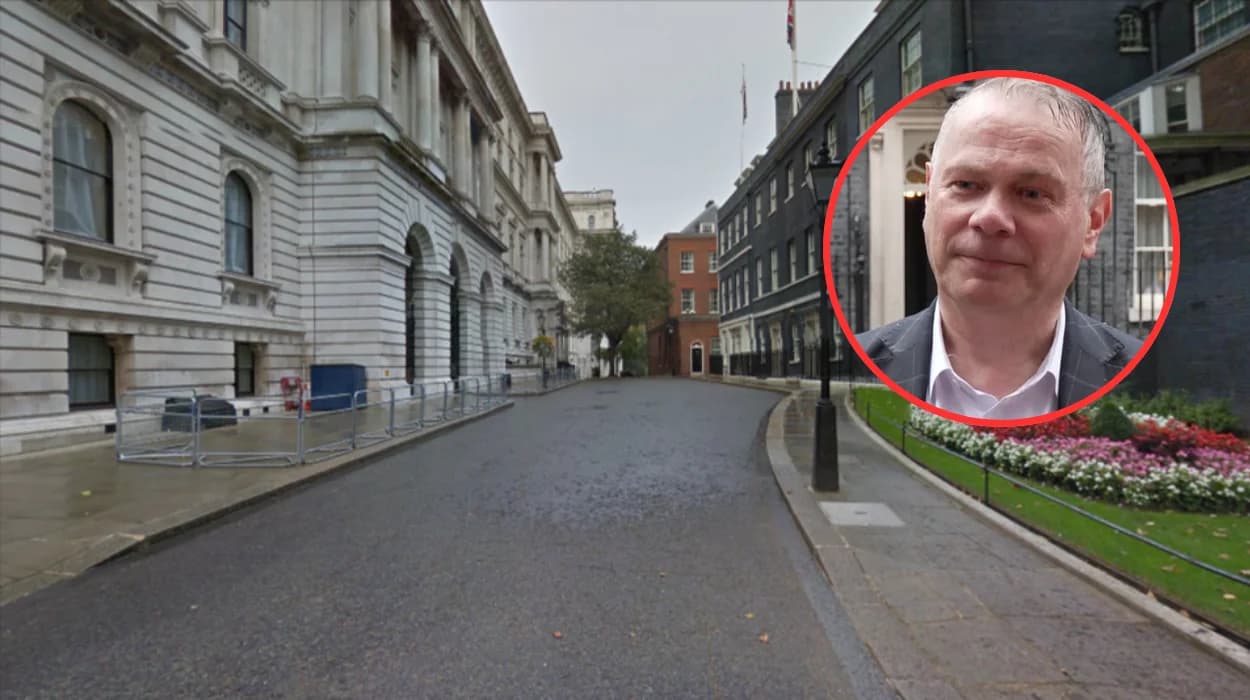
- Downing Street Action: Dalby, alongside high-profile politicians such as Liverpool West Derby MP Ian Byrne, physically delivered a letter to 10 Downing Street on Tuesday demanding "immediate and sustainable" government intervention.
- The Empty Bed Crisis: The campaign highlights that numerous hospice bedrooms across the country are sitting empty purely due to funding shortages and acute staffing pressures, preventing safe operations.
- Relieving NHS Strain: Campaigners argue that reopening these defunct hospice beds would directly alleviate the overwhelming operational and financial strain currently placed on the National Health Service (NHS).
- Escalating Financial Pressures: Hospices are facing a perfect storm of rising administrative and operational costs, rapidly increasing public demand, and a widening funding deficit.
- Government Rebuttal: The Department of Health has defended its record, asserting it has delivered the "biggest investment in hospices in a generation" and promised forthcoming long-term plans to overhaul palliative and end-of-life care.
Bolton (Bolton Today) June 3, 2026 - A grassroots funding campaign led by a Bolton entrepreneur to secure robust financial support for the UK's struggling hospice sector has reached the gates of power, drawing formal backing from nearly 200 Members of Parliament. Corin Dalby, the chief executive and co-founder of Box Power CIC, arrived at 10 Downing Street on Tuesday accompanied by a delegation of cross-party politicians, including Liverpool West Derby MP Ian Byrne. The group hand-delivered a high-stakes letter addressed to the government, demanding immediate, emergency financial intervention and a sustainable long-term funding framework to guarantee that terminally ill patients can continue to die with dignity.
The campaign arrives at a critical juncture for the UK's palliative care framework, which relies heavily on charitable donations to keep doors open. According to campaigners, severe real-terms funding cuts combined with historic inflation have forced multiple facilities to lock down entire wards. By gathering significant parliamentary momentum, Dalby aims to push hospice funding to the very top of the legislative agenda, framing the crisis not merely as a moral failure, but as a severe structural bottleneck that is actively worsening the broader National Health Service crisis.
Why Is the Campaign for Hospice Funding Gaining Momentum Now?
The core driving force behind the rapid escalation of this campaign is a structural deficit that has pushed charitable healthcare providers to a breaking point. As documented by regional and national media outlets covering the handover, the current funding model for hospices—which relies on a mix of partial NHS contracts and public fundraising—is no longer viable under current macroeconomic conditions.
As reported by political correspondents tracking the movement, Dalby stated that hospices provide
"essential, compassionate care to patients and families at the most vulnerable moments in their lives."
However, the ability to deliver this care is being systematically eroded. The campaign has struck a chord across the political spectrum because the financial distress is visible in virtually every constituency in the country, transforming a localized healthcare issue into a national parliamentary priority.
What Are the Main Challenges Facing UK Hospices?
The challenges threatening the continuity of palliative care are threefold: soaring inflation, an aging population requiring complex end-of-life care, and a recruitment crisis within specialized nursing.
In accounts detailing the systemic pressures within the sector, Dalby noted that many institutions are currently battling rising costs, increasing demand, and widening funding gaps. The financial gap has become so wide that traditional community fundraising initiatives, such as charity shops and local marathons, can no longer plug the multi-million-pound shortfalls experienced by individual providers.
Furthermore, because hospices must compete with the NHS for qualified medical staff, statutory salary increases across the state sector have inadvertently left independent hospices unable to match competitive wages, compounding their operational vulnerabilities.
How Does the Hospice Funding Shortage Affect Patient Care?
The most striking and visible symptom of the funding crisis is the forced closure of physical beds within state-of-the-art facilities. This means patients who qualify for specialist end-of-life care are frequently turned away, forced to spend their final days in overcrowded hospital acute wards instead.
In statements captured during the presentation of the petition at Westminster, Dalby revealed he had seen many hospices with empty bedrooms "simply because funding and staffing pressures mean they cannot safely be operated." This reality undermines the fundamental purpose of these purpose-built facilities, leaving families to navigate complex emotional trauma without the dedicated psychological and medical support structures that fully funded hospices are designed to provide.
Explore More Bolton Politics News
Cllr Andrea Taylor-Burke Quits Conservatives to Sit Independent: Bolton 2026
Bolton MP Slams Fuel Cost Surge from Iran-USA Conflict in 2026
What Does the Campaign Demand From 10 Downing Street?
The letter delivered directly to the Prime Minister’s residence outlines a clear, dual-track approach to resolving the palliative care emergency. The campaign is not asking for a temporary bailout, but rather a complete structural rewrite of how end-of-life care is subsidized by the state.
As recorded by journalists on the scene at Downing Street, Dalby emphasized that hospices "need immediate and sustainable funding." The immediate funding would act as emergency cash injections to prevent imminent service closures, while the sustainable element demands that the government permanently index state contributions to the actual cost of care delivery, indexing it against inflation and public demand.
How Could Reopening Hospice Beds Help the NHS?
A central pillar of the argument presented to the Treasury and the Department of Health is that funding hospices is economically pragmatic. When a hospice bed is closed, the patient does not disappear; instead, they enter the state system via emergency departments or remain stuck in acute hospital beds because there is no safe discharge route.
Focusing on the systemic benefits of a fully operational hospice network, Dalby argued: "The beds are there, they just need to be reopened." He further elaborated on the broader fiscal and operational impacts, adding that such a decisive move would "take the strain off the NHS."
An acute hospital bed costs significantly more per night to operate than a specialized hospice bed. By underfunding the hospice sector, critics argue the government is inadvertently forcing the NHS to absorb costlier, less suitable end-of-life admissions, exacerbating the ongoing hospital bed-blocking crisis.
Which Politicians Are Backing the Hospices Campaign?
The rapid accumulation of nearly 200 MP signatures highlights the deep, cross-party anxiety regarding the state of palliative care. The campaign has successfully bridged the political divide, uniting left-leaning lawmakers focused on health equity with conservative representatives concerned about public services in their respective shires.
Prominently featured among the parliamentary contingent, Liverpool West Derby MP Ian Byrne has positioned himself at the forefront of the legislative push. By physically joining Dalby at the steps of 10 Downing Street, Byrne and his colleagues are signaling to the cabinet that parliamentary pressure on this issue will continue to intensify during upcoming budget debates and Department of Health question sessions.
How Has the Government Responded to the Funding Demands?
The executive branch has defended its financial allocations while acknowledging that long-term structural adjustments are necessary to stabilize end-of-life care across the nation.
In an official statement addressing the growing political pressure, a spokesperson for the Department of Health stated that it had made the "biggest investment in hospices in a generation." Furthermore, the department sought to assure campaigners and the public of its forward-looking strategy, noting that officials would soon set out comprehensive plans to improve palliative and end-of-life care across the statutory and voluntary sectors.
However, political analysts note that until concrete figures and timelines are attached to these upcoming plans, the coalition of MPs and grassroots campaigners is unlikely to diminish its public pressure.
Will the Proposed Government Plans Satisfy Campaigners?
The skepticism surrounding forthcoming government white papers stems from past promises that failed to yield structural changes in local integrated care board allocations. Currently, NHS integrated care boards hold discretionary power over how much local funding is directed toward independent hospices, leading to a "postcode lottery" where some facilities receive up to 50% of their costs covered by the state, while others in adjacent regions receive less than 20%.
Campaigners maintain that unless the Department of Health's upcoming proposals mandate a centralized, statutory minimum funding floor for all registered hospices, the systemic vulnerabilities identified by Dalby and his parliamentary coalition will persist. The group has indicated that they intend to hold the government strictly accountable to the timelines promised in their response, ensuring that the momentum generated by nearly 200 MPs translates directly into legislative action.