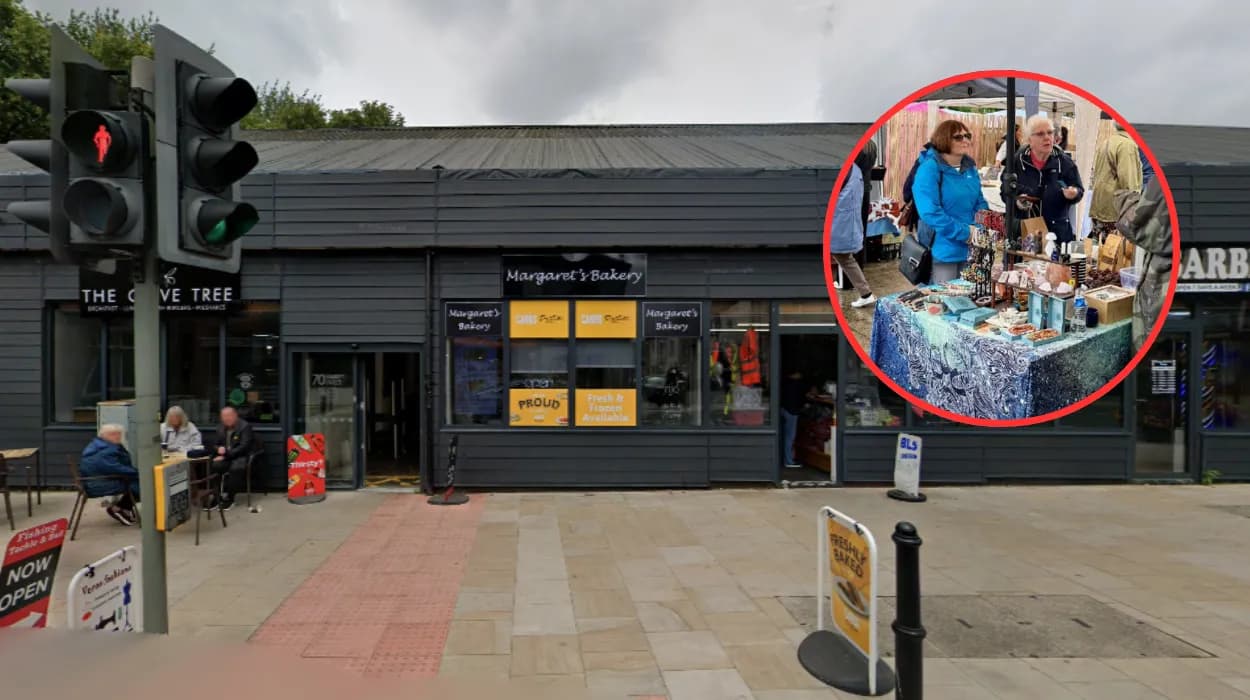
Key Points
- Massive Community Turnout: Crowds flocked in significant numbers to the newly established monthly farmers' market in Westhoughton, showcasing an overwhelming local appetite for regional, artisanal food and craft products.
- Rapid Sell-Out: The high demand resulted in multiple trading stalls completely selling out of their stock early in the afternoon, with many running dry by 1:00 pm.
- Showcase of Regional Produce: The market provided a prominent platform for independent local creators, farmers, and artisans to present a wide variety of fresh, handmade goods directly to the community.
- Strong Economic Footprint: Organisers and independent vendors highlighted the event's role in driving footfall to the high street, stimulating the local economy, and creating essential face-to-face consumer relationships.
- Positive Consumer Sentiment: Early visitor feedback strongly praised the high quality, variety, and freshness of the food items on display, reflecting a growing consumer preference for locally sourced, sustainable alternatives to major supermarket chains.
Westhoughton (Bolton Today) June 13, 2026 - A bustling new monthly farmers' market in Westhoughton has experienced an exceptional wave of community support, with massive crowds drawing local traders to sell out their inventories ahead of schedule. The community-centric event, designed to celebrate and elevate independent regional food creators and artisans, saw a major surge in foot traffic that completely cleared out numerous trading stalls by 1:00 pm. The phenomenal response has highlighted a strong local demand for high-quality, sustainable alternatives to mass-market commercial goods, firmly anchoring the new market as a potential staple of the town’s monthly economic and social calendar.
The sheer volume of attendees caught several vendors by surprise, transforming the local venue into a thriving hub of commerce. Artisan bakers, independent meat producers, craft brewers, and small-scale cheese makers reported consistent queues from the moment the event opened its doors. According to early operational reports, the rapid depletion of stock was a uniform trend across multiple popular stalls, proving that regional consumers are highly willing to invest in premium, traceably sourced goods when given a dedicated platform.
Organisers emphasised that the core mission of the market extends beyond basic retail, acting as a crucial economic engine for the local high street. By drawing thousands of shoppers into the heart of Westhoughton, the event generated a notable spillover effect, benefiting adjacent brick-and-mortar shops, traditional pubs, and independent cafes. This symbiotic relationship between transient market stalls and established high-street businesses is increasingly seen by municipal planners as a vital strategy for revitalising town centres facing stiff competition from online retail platforms and out-of-town shopping developments.
Furthermore, the face-to-face nature of the farmers' market has allowed independent producers to establish direct relationships with their target audience. Vendors were able to share the histories behind their products, detail their sustainable farming or manufacturing methods, and receive real-time feedback from buyers. This level of transparency and community engagement is something that mainstream supermarkets cannot replicate, offering a distinct competitive edge to the regional growers and creators involved.
What Caused the Stalls to Sell Out So Early?
As documented by reporter Dan Dougherty of The Bolton News, the community response exceeded initial projections, leading to a scenario where multiple independent business owners exhausted their inventories hours before the market's scheduled conclusion. The influx of eager shoppers began early in the morning, creating sustained transaction volumes that left popular stalls bare shortly after midday.
As reported by Dan Dougherty of The Bolton News, local resident Andreana Bateman, who attended the event alongside her partner, expressed immense satisfaction with the overall quality of the event, stating that
"The market is giving locals the perfect opportunity to try delicious local produce."
Bateman’s statement encapsulates a broader shift in consumer behavior within Greater Manchester, where communities are increasingly prioritizing regional supply chains over long-distance logistics.
Explore More Westhoughton News
Provenance Food Hall: Independent Culinary Gem of Westhoughton 2026
Bolton Ladies Netball League Celebrates 75th Anniversary: Bolton 2026
Who Captured the Visual Essence of the Crowds?
The vibrant energy, long queues, and community interaction were documented extensively through professional regional photography. As reported by Dan Dougherty of The Bolton News, photojournalist Kyria Kyriacou captured a series of defining images that illustrated the scale of the event, including detailed portraits of stallholders interacting with customers and local patrons like Andreana Bateman exploring the diverse range of artisanal food and craft options. The visual documentation by Kyria Kyriacou showcased rows of meticulously arranged stalls offering everything from fresh farm produce to handmade pastries, serving as empirical proof of the market’s immediate popular appeal.
How Do Direct-to-Consumer Sales Benefit Regional Traders?
For small-scale agricultural and artisanal businesses, traditional retail structures present significant financial barriers, including high listing fees, unfavorable payment terms, and the necessity of massive production scales. A direct-to-consumer environment like the Westhoughton Farmers' Market eliminates the corporate intermediary, allowing producers to retain full retail margins. This financial injection is vital for the survival of micro-businesses, enabling them to reinvest capital directly into sustainable farming practices, local hiring, and product development.
What Role Does Product Traceability Play in Consumer Trust?
Modern consumers are highly sophisticated and increasingly skeptical of vague corporate sustainability claims. By purchasing directly from the individual who grew the crop, raised the livestock, or baked the bread, shoppers gain unparalleled insight into the product's origin. This direct dialogue creates a transparent framework where questions regarding animal welfare, pesticide use, and chemical additives can be answered honestly and instantly, fostering a deep sense of consumer trust that drives long-term brand loyalty.
Can Transient Events Revitalize Brick-and-Mortar Districts?
High streets across the United Kingdom have faced structural decline due to changing consumer habits, but targeted experiential events are proving to be an effective antidote. A monthly farmers' market transforms a standard shopping district into a dynamic community destination. The high footfall attracted by artisanal food stalls naturally distributes itself throughout the surrounding area, boosting secondary spending in local boutiques, hardware shops, and service providers that might otherwise experience quiet weekend trading.
How Does This Support the "Shop Local" Movement?
While digital marketing campaigns frequently urge citizens to support local businesses, physical infrastructure is required to turn that sentiment into actual economic transactions. The Westhoughton Farmers' Market acts as a physical manifestation of the "shop local" philosophy, gathering a curated selection of the region's finest makers into one accessible space, thereby reducing the friction of ethical consumerism for the general public.