Key Points
- Proposed Development: A formal planning application has been submitted to Bolton Council to convert an existing residential property into a specialized children's care home.
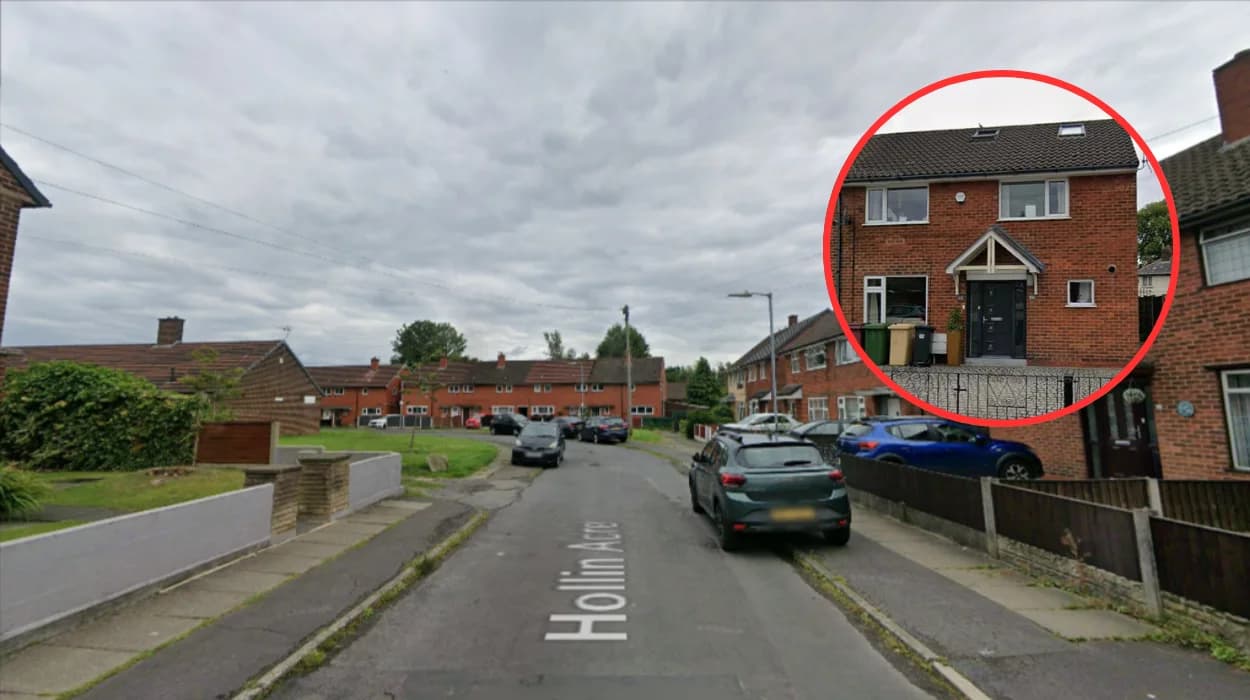
- Target Location: The subject of the application is a residential dwelling situated at 45 Hollin Acre, Westhoughton, Bolton, BL5 2LJ.
- Intended Purpose: The facility is designed to provide a structured, safe, and nurturing environment for vulnerable young individuals who are unable to reside with their biological families.
- Capacity and Operations: The home is intended to accommodate a small number of children, operating with a rotatired system of professional care staff providing round-the-clock supervision.
- Regulatory Oversight: If approved by local planning authorities, the facility will be subject to strict registration, regular inspections, and regulatory monitoring by Ofsted (the Office for Standards in Education, Children's Services and Skills).
- Next Steps in Process: The application will undergo a standard statutory public consultation period, allowing local residents, neighbors, and stakeholders to submit formal feedback before Bolton Council's planning committee reaches a final decision.
Westhoughton (Bolton Today) May 30, 2026 — A formal planning application has been submitted to local authorities detailing proposals to establish a new children's care home within a residential neighborhood in Westhoughton. The change-of-use scheme seeks to transform an established domestic dwelling into a specialized supportive facility designed specifically for vulnerable young people who cannot live with their own families.
As officially documented in the public planning register, the application focuses directly on the property located at 45 Hollin Acre, Westhoughton. According to investigative reporting by Dan Dougherty, a staff reporter for The Bolton News, the comprehensive development plans were submitted to Bolton Council for detailed administrative review, signaling the commencement of a statutory assessment process regarding how local social care infrastructure intersects with residential zoning frameworks.
The core objective of the submitted proposal is to create a highly regulated, domestic-style environment that can offer stability and intensive emotional and physical support for children requiring specialized care. Rather than operating as a large-scale institutional facility, the project has been envisioned as a small-occupancy home that closely mirrors a conventional family structure, allowing resident youth to integrate seamlessly into the surrounding community while receiving continuous professional supervision.
What are the Precise Details of the Hollin Acre Planning Application?
As outlined by reporter Dan Dougherty of The Bolton News, the full planning submission requests a formal change of use from a standard Class C3(a) residential dwellinghouse to a Class C3(b) or specialized residential institution classification, specifically adapted for the provision of care to young people. The building, identified as 45 Hollin Acre, is positioned within a well-established residential enclave in Westhoughton, an area predominantly characterized by suburban family housing, close proximity to local schools, and neighborhood recreational spaces.
The scope of the operational plan mandates that the property will undergo minor internal modifications to accommodate the logistical demands of a professional care facility. These adaptations are intended to ensure compliance with modern safeguarding frameworks, accessibility standards, and occupational health and safety requirements, all while retaining the external architectural aesthetic of a traditional family home to avoid altering the visual character of the street scene.
Why is a New Children's Care Home Required in Westhoughton?
According to structural documentation accompanying local authority social briefs referenced in The Bolton News, there is a documented, escalating demand across the Borough of Bolton and the wider Greater Manchester region for localized, high-quality residential care placements. Social services agencies frequently emphasize that keeping looked-after children within or close to their home boroughs is critical for maintaining educational continuity, facilitating safe familial contact where appropriate, and reducing the acute psychological trauma associated with long-distance displacements.
The planning documentation emphasizes that the young people envisioned to reside at 45 Hollin Acre are individuals who, through no fault of their own, have experienced significant domestic disruption, neglect, or complex trauma, rendering them unable to remain in their primary family homes. By establishing a localized footprint in Westhoughton, the project organizers aim to fulfill a critical statutory obligation, providing these children with access to a stable base from which they can attend local schools, engage with therapeutic services, and develop essential independent living skills.
Explore More Westhoughton News
Be One Homes Apologises to Evicted Westhoughton Residents, Bolton 2026
Westhoughton’s The Bonk Secures £23k from Persimmon Homes; Westhoughton 2026
How Will the Care Home Operate on a Day-to-Day Basis?
In his journalistic coverage for The Bolton News, Dan Dougherty highlights that the proposed operational model for the Hollin Acre site centers heavily on minimizing neighborhood disruption while maximizing the quality of care. The facility is designed to host a strictly limited number of young residents at any given time—typically between two and three children—ensuring that the density of occupation remains entirely consistent with that of a standard biological family occupying a property of similar dimensions.
The home will not be staffed by live-in parents, but will instead utilize a highly structured, shift-based rotation of qualified residential care workers. The operational breakdown specifies the following protocols:
- 24-Hour Supervision: Professional care staff will be present on the premises 24 hours a day, 365 days a year, ensuring that residents are never left unmonitored.
- Shift Patterns: Staff members will typically work on rotas consisting of day shifts, evening shifts, and awake or sleep-in night shifts, resulting in routine handovers that are carefully scheduled to minimize traffic and noise during unsociable hours.
- Professional Management: A registered manager will oversee the daily administration, compliance, and community relations of the home, acting as a direct point of contact for local authorities and immediate neighbors.
What Regulatory Standards and Safeguards Will Be Enforced?
Beyond the initial planning permissions handled by Bolton Council, any operational children's home in England must comply with rigid statutory legal frameworks. As noted within the wider reporting context of The Bolton News, a successful planning outcome is merely the first step; the operators must secure formal registration with Ofsted before a single child can be placed at the address.
Ofsted enforces the Children's Homes (England) Regulations 2015 alongside the overarching Quality Standards. These strict metrics govern everything from the physical safety of the building to the qualifications of the staff, nutritional standards, and behavioral management strategies. The facility will be subject to unannounced, rigorous physical inspections twice a year, with the resulting evaluation reports published transparently in the public domain.
What are the Main Community Concerns and Next Steps in the Planning Process?
Following the publication of the planning notices on lampposts and online portals by Bolton Council, the application entered its mandatory statutory public consultation phase. As is typical with change-of-use applications for residential care facilities, local planning officers anticipate a thorough review of community feedback regarding issues such as parking allocation, highway safety, potential noise dynamics, and the overall suitability of the location.
The consultation period grants immediate neighbors and members of the Westhoughton community the legal right to submit formal expressions of support or objections via the Bolton Council planning portal. Once the consultation window closes, a dedicated local authority planning officer will collate all public submissions, review internal consultee reports from highways and social care departments, and assess whether the application aligns with the Bolton Local Plan and national planning policy frameworks. The application will subsequently be scheduled for a definitive vote before the Bolton Council Planning Committee, or decided under delegated powers by senior planning officials later this year.