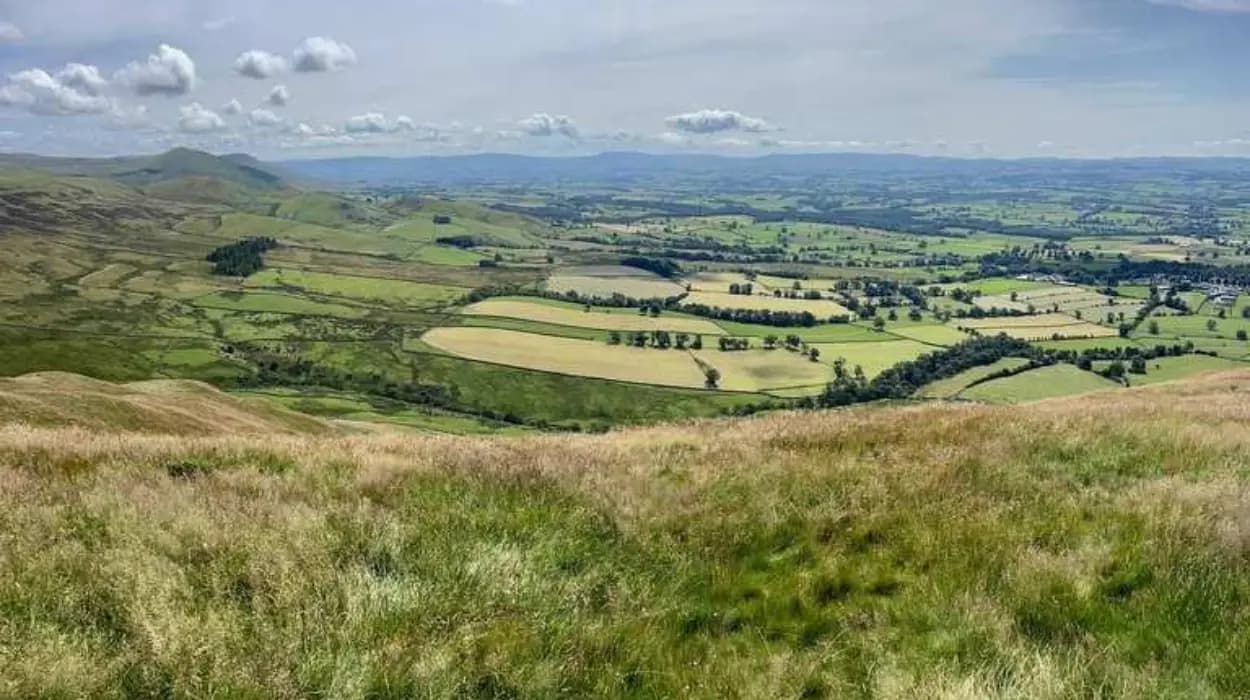
Blackrod is a historic village in the Metropolitan Borough of Bolton, Greater Manchester. Located on elevated ground between Bolton and Wigan, the village combines centuries of history with accessible countryside, walking routes, heritage landmarks, and nearby visitor attractions. Its location on the edge of West Pennine landscapes makes it an important destination for outdoor recreation, local heritage exploration, and rural tourism in North West England.
Visitors seeking scenic walks, traditional village character, and access to surrounding attractions find Blackrod an effective base for exploring both countryside and historic communities. The village retains elements of its medieval origins while providing access to modern recreational facilities, transport links, and protected green spaces.
What makes Blackrod a worthwhile destination for visitors?
Blackrod combines historic village character, accessible countryside trails, traditional architecture, heritage landmarks, and proximity to major attractions. Visitors can experience rural landscapes, industrial-era heritage, and recreational opportunities within a compact area connected to Greater Manchester and Lancashire.
Blackrod occupies a strategic position on high ground overlooking surrounding valleys and transport corridors. The settlement developed over many centuries, evolving from an agricultural community into a village influenced by textile production, mining, transport infrastructure, and regional trade.
Today, visitors encounter a settlement where historic and modern landscapes coexist. Traditional stone buildings stand alongside contemporary residential developments. Historic churches, former industrial sites, and preserved green spaces provide insight into the area's development from the medieval period through the Industrial Revolution and into the twenty-first century.
The village's location also enhances its appeal. Blackrod sits near several important recreational destinations, including reservoirs, woodland areas, country parks, and long-distance walking routes. This concentration of attractions allows visitors to combine cultural exploration with outdoor activity during a single visit.
For travellers interested in local heritage, Blackrod serves as an example of how historic Lancashire communities adapted to industrialisation while retaining aspects of their original village identity.
Where can visitors enjoy scenic walking trails around Blackrod?
Visitors can access countryside paths, woodland routes, reservoir walks, and elevated viewpoints around Blackrod. These trails provide opportunities to explore natural landscapes, historic transport corridors, and rural environments connected to the wider West Pennine region.
Walking represents one of the most popular activities in and around Blackrod. The surrounding landscape contains a network of public rights of way established over centuries of agricultural use and local travel.
Many routes follow historic pathways that connected farms, markets, churches, and neighbouring settlements before the development of modern roads. These paths now serve recreational walkers seeking access to countryside scenery and local history.
Exploring the Blackrod Circular Walk
One of the most accessible options is a circular route that incorporates village streets, open countryside, and elevated viewpoints. Walkers encounter agricultural land, traditional dry-stone boundaries, and views across Greater Manchester.
The route demonstrates the geographical characteristics that influenced settlement patterns in the area. Higher ground provided defensive advantages and visibility, while nearby valleys supported agriculture and transportation.
Seasonal variation also enhances the experience. Spring brings wildflowers and increased bird activity. Summer provides extended daylight and clearer views. Autumn highlights woodland colours, while winter offers expansive visibility across surrounding landscapes.
Walking through local woodland environments
Several woodland areas near Blackrod provide opportunities for shorter recreational walks. These woodlands support diverse habitats including native tree species, birds, insects, and small mammals.
Many woodland sections occupy land formerly associated with agricultural use or industrial activity. Natural regeneration and conservation efforts have transformed these areas into valued recreational resources.
Interpretive opportunities exist throughout these environments. Visitors can observe landscape features that reveal previous land use while experiencing habitats that contribute to regional biodiversity.
Following historic transport routes
Historic transport corridors form another important walking resource. Former railway alignments, canal-related routes, and ancient pathways illustrate how movement shaped regional development.
These routes connect Blackrod with neighbouring communities and provide insight into the infrastructure that supported industrial growth during the eighteenth and nineteenth centuries.
The combination of transportation history and recreational access creates a unique educational experience for walkers interested in both heritage and landscape.
How does Blackrod’s village centre reflect its historic character?
Blackrod’s village centre preserves architectural features, historic street patterns, religious landmarks, and community spaces that illustrate centuries of development. These elements provide visitors with visible connections to medieval, industrial, and modern phases of local history.
The village centre contains several structures and landscape features that reveal Blackrod's historical evolution. Streets generally follow patterns established long before modern urban planning. Many routes originated as connections between farms, churches, markets, and neighbouring settlements.
Building materials also reflect regional traditions. Stone construction appears throughout older sections of the village, demonstrating the use of locally available resources and traditional building methods.
Visiting historic parish landmarks
Religious institutions have played a central role in Blackrod's development. Church buildings often occupy prominent positions within the village landscape, reflecting their historical importance as centres of worship, administration, education, and community life.
These structures preserve architectural details associated with different periods of construction and renovation. Features such as stonework, memorials, stained glass, and churchyards provide valuable evidence for understanding local history.
Church records have also contributed significantly to genealogical research. Baptism, marriage, and burial registers help historians and family researchers reconstruct patterns of settlement and population change across generations.
Understanding Blackrod’s traditional settlement pattern
The layout of the village reflects practical responses to geography, agriculture, and transportation. Settlement concentrated around key routes and communal facilities while maintaining connections to surrounding farmland.
This pattern remained relatively stable for centuries before expanding during industrialisation. Population growth associated with mining, textiles, and transport infrastructure increased demand for housing and community facilities.
Modern development has expanded the village, yet historic sections continue to provide insight into earlier phases of settlement.
To experience this historic landmark in person today, consult our comprehensive [Blackrod Through the Ages: The Story of One of Bolton’s Oldest Settlements] for itineraries and visiting parameters.
What outdoor attractions are located near Blackrod?
Blackrod provides convenient access to reservoirs, country parks, conservation areas, and recreational landscapes. These nearby attractions support walking, wildlife observation, photography, and outdoor education while showcasing the environmental diversity of the region.
The surrounding area contains numerous destinations that complement a visit to Blackrod. Many originated from industrial, agricultural, or water-management activities before evolving into recreational resources.
The transition from industrial utility to environmental conservation represents an important aspect of regional landscape history.
Exploring reservoirs and waterside environments
Reservoirs near Blackrod serve both practical and recreational functions. Originally developed to support growing populations and industrial activity, these water bodies now contribute to leisure, conservation, and tourism.
Visitors frequently use reservoir routes for walking, running, cycling, and wildlife observation. Waterfowl, migratory birds, and aquatic habitats create opportunities for environmental education and photography.
These landscapes also illustrate the engineering achievements associated with nineteenth-century infrastructure development.
Visiting nearby country parks
Country parks within easy reach of Blackrod preserve significant areas of open land while providing managed recreational facilities.
Such parks typically include maintained pathways, visitor amenities, educational signage, and conservation initiatives. They balance public access with environmental protection, ensuring long-term preservation of natural resources.
These locations demonstrate changing attitudes toward land management. Areas once valued primarily for agricultural or industrial productivity now support recreation, biodiversity conservation, and public wellbeing.
Discovering elevated viewpoints
The higher ground surrounding Blackrod offers extensive views across Greater Manchester, Lancashire, and the West Pennine landscape.
These viewpoints help visitors understand regional geography. Urban centres, transport networks, agricultural land, and upland environments become visible within a single panorama.
Historical interpretation also benefits from these perspectives. Observers can appreciate how geography influenced settlement locations, transportation routes, and economic development over many centuries.
Which heritage attractions can visitors explore in the surrounding area?
The wider Blackrod area contains historic churches, industrial heritage sites, transport landmarks, and preserved landscapes. Together, these attractions illustrate the social, economic, and technological changes that shaped North West England from medieval times onward.
Heritage tourism forms an important component of visitor activity in the region. Nearby attractions document different periods of development, from medieval settlement through industrial expansion and modern regeneration.
Learning about industrial heritage
The Industrial Revolution transformed communities throughout Lancashire and Greater Manchester. Textile production, coal mining, engineering, and transportation created new employment opportunities while reshaping settlement patterns.
Remnants of these industries remain visible in the landscape. Former mining sites, transport corridors, warehouses, and worker housing provide evidence of the area's industrial past.
Interpretation of these sites helps visitors understand broader economic changes that affected communities across Britain during the eighteenth and nineteenth centuries.
Exploring railway history
Railways played a crucial role in Blackrod's development. Improved transportation increased access to markets, facilitated movement of raw materials, and supported population growth.
Historic railway infrastructure continues to influence local geography. Stations, embankments, bridges, and route alignments remain important components of the landscape.
The preservation of railway heritage contributes to public understanding of technological innovation and regional economic integration.
Visiting neighbouring historic settlements
Several nearby communities possess distinct historical identities and visitor attractions. Together they form a network of destinations connected through shared economic, social, and cultural histories.
Exploring neighbouring settlements enables visitors to compare different patterns of development and architectural character while gaining broader insight into regional history.
How can families and casual visitors spend a day in Blackrod?
Families and casual visitors can combine village exploration, countryside walks, heritage sightseeing, local dining, and nearby attractions into a varied day trip. The compact geography allows multiple experiences without extensive travel between locations.
A typical visit often begins in the village centre, where visitors can observe historic architecture and community landmarks. This introduction provides context for understanding the area's development and character.
Walking routes then offer opportunities to explore surrounding landscapes. Short trails suit casual visitors, while longer routes accommodate more experienced walkers.
Combining heritage and outdoor recreation
One advantage of Blackrod is the close relationship between historical and environmental attractions. Visitors move easily between built heritage and natural landscapes.
This combination reflects the village's historical development. Agricultural activity, industrial growth, transportation infrastructure, and environmental conservation all contributed to shaping the present-day landscape.
Educational groups frequently benefit from this integration because historical concepts become visible within real-world environments.
Enjoying local hospitality
Traditional village amenities contribute to the visitor experience. Cafés, public houses, and local businesses support tourism while maintaining community identity.
Many hospitality venues occupy buildings connected to earlier phases of village development. Their continued use demonstrates the adaptation of historic structures to modern needs.
This continuity strengthens Blackrod's sense of place and preserves links between past and present.
Why does Blackrod remain important for heritage and tourism today?
Blackrod remains significant because it preserves evidence of medieval settlement, industrial transformation, transport development, and environmental change. Its accessible location and diverse attractions support education, tourism, conservation, and community engagement across generations.
Heritage value derives from the survival of multiple historical layers within a relatively compact area. Medieval origins, agricultural traditions, industrial expansion, railway development, and modern conservation efforts all remain visible.
Researchers continue to study local records, archaeological evidence, and landscape features to improve understanding of the village's historical development.
Supporting education and research
Blackrod provides valuable resources for historians, students, genealogists, and heritage organisations. Parish records, historic maps, census data, and surviving structures contribute to ongoing research.
Educational visits help demonstrate broader historical themes including industrialisation, transportation, urbanisation, and environmental management.
The village therefore functions as both a visitor destination and a learning environment.
Preserving historical landscapes
Conservation initiatives protect important elements of Blackrod's historic environment. Preservation efforts support long-term access to heritage resources while maintaining community identity.
Protected buildings, maintained pathways, and conserved green spaces ensure that future generations can continue to explore and understand the area's development.
Tourism and heritage management increasingly emphasise sustainability. Blackrod's combination of accessible transport, walkable attractions, and preserved landscapes aligns with contemporary approaches to responsible tourism.
Future preservation efforts will continue balancing development needs with protection of historical and environmental assets.
As interest in local heritage, walking tourism, and cultural landscapes grows, Blackrod remains well positioned to attract visitors seeking authentic experiences rooted in history and place. Its scenic trails, village character, and surrounding attractions provide enduring value for residents, researchers, educators, and travellers exploring the heritage-rich landscapes of Greater Manchester and historic Lancashire.
FAQS
What are the best things to do in Blackrod?
The best things to do in Blackrod include exploring historic village streets, visiting local heritage sites, enjoying countryside walks, discovering nearby reservoirs, and experiencing the surrounding rural landscapes.