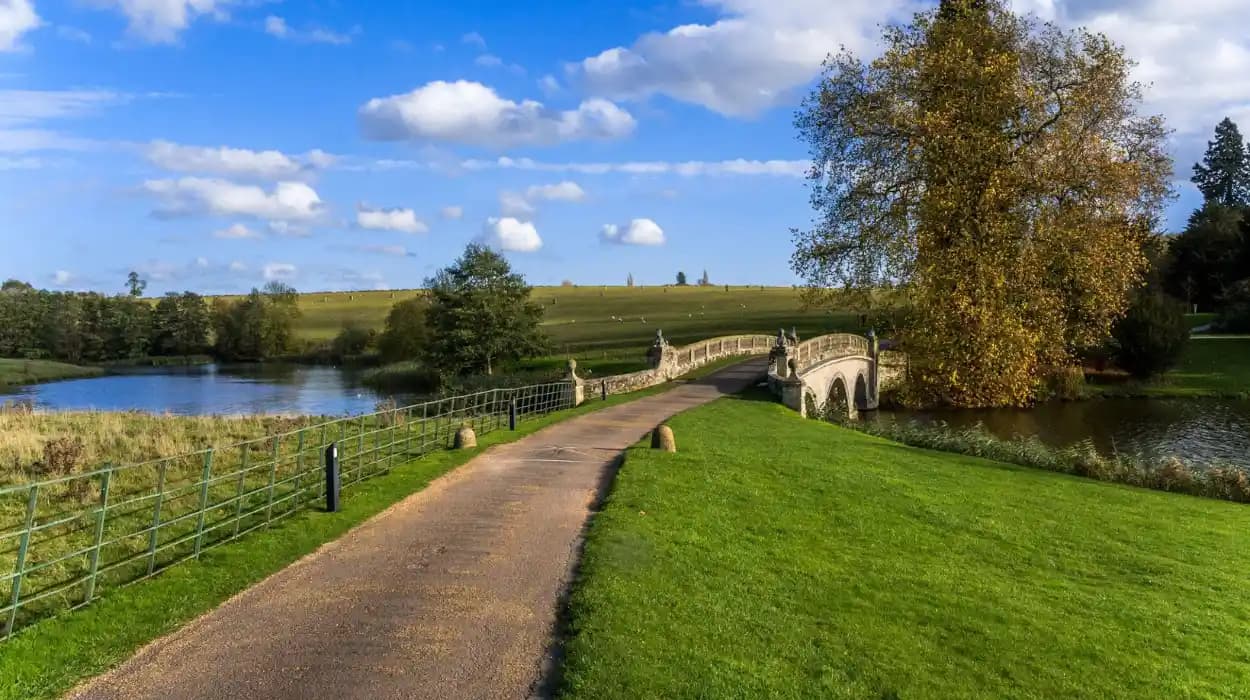
Astley Bridge is a historic district within Bolton, located in North West England. It developed from a rural township into a densely structured industrial suburb during the 18th and 19th centuries. Today, it functions as a layered landscape where historical infrastructure, river valleys, parks, and walking routes combine to form a continuous outdoor environment shaped by industrial heritage and natural geography.
The area sits near the River Tonge corridor and connects to upland terrain rising toward Turton and the West Pennine Moors. These geographical features define the outdoor recreational patterns of the district. Public parks, canal remnants, and reclaimed industrial land provide structured green space, while historical routes reflect earlier transport and textile-based economies. Outdoor activity in Astley Bridge operates as a direct continuation of its historical land use transformation.
What is Astley Bridge and why does it matter for outdoor recreation today?
Astley Bridge is a historic suburban district of Bolton where river valleys, parks, and former industrial land combine to form a structured outdoor environment. Its importance lies in its transformation from rural farmland into a connected recreational and ecological corridor shaped by industrial-era development and modern urban regeneration.
Astley Bridge developed along the northern edge of Bolton during the expansion of textile manufacturing in the Industrial Revolution. The settlement absorbed surrounding agricultural land and redirected it into mill infrastructure, worker housing, and transport routes. This process created a mixed landscape where natural features such as the River Tonge remained embedded within industrial development.
The district’s outdoor relevance today is defined by its preserved green corridors and accessible walking routes. These include riverbank paths, public parks, and hillside transitions leading toward the West Pennine uplands. The layering of industrial and natural geography creates a continuous outdoor system rather than isolated recreational sites.
The area’s outdoor structure also reflects historical connectivity. Former packhorse routes and mill access roads have been adapted into walking and cycling pathways. These routes link residential zones with surrounding countryside, reinforcing Astley Bridge’s role as a transitional landscape between urban Bolton and rural Lancashire uplands.
To experience this historic landscape in person today, consult our comprehensive How Astley Bridge Evolved from a Rural Settlement into a Bolton Suburb for itineraries and seasonal route planning.
How did industrial history shape outdoor landscapes around Astley Bridge?
Industrial expansion in the 18th and 19th centuries reshaped Astley Bridge by converting farmland into mills, reservoirs, and housing, while preserving river valleys and hillside terrain. This created a fragmented yet connected outdoor landscape that defines modern walking routes and green corridors.
During the Industrial Revolution, Bolton became a major cotton manufacturing centre within Greater Manchester. Astley Bridge absorbed this expansion, with mills constructed along water sources such as the River Tonge. Water power and later steam technology required structured land use, leading to the diversion and containment of natural waterways.
The construction of mills and associated infrastructure created a distinct spatial pattern. Industrial buildings occupied valley floors, while steep slopes remained undeveloped due to engineering constraints. These slopes later became informal green spaces and woodland areas. This uneven development preserved natural gradients within the urban fabric.
Reservoirs and mill ponds were built to regulate industrial water demand. Many of these features have since been integrated into recreational walking landscapes. The retention of these water systems supports biodiversity and contributes to modern ecological restoration efforts.
Transport routes such as tramways and industrial roads later evolved into pedestrian pathways. These routes connect residential zones with parkland and river corridors. The result is a layered outdoor environment where industrial remnants structure modern recreational movement patterns.
What spring outdoor activities are available around Astley Bridge?
Spring in Astley Bridge supports walking, river corridor exploration, and hillside hiking as vegetation regenerates along the River Tonge and surrounding woodlands. Temperatures and daylight increase, making structured heritage walks and ecological observation routes accessible across interconnected park systems.
Spring conditions transform Astley Bridge into a high-visibility ecological corridor. Woodland areas along the riverbanks experience rapid biological regeneration, with native species such as oak, ash, and hawthorn re-establishing canopy coverage. These natural processes enhance accessibility for walking routes and interpretive heritage trails.
The River Tonge corridor becomes a focal point for seasonal outdoor activity. Footpaths alongside the river provide linear walking routes that connect residential districts with upstream rural transitions. These paths reflect historic industrial access routes that once supported mill operations.
Spring also activates hillside walking routes leading toward the West Pennine fringe. These gradients reflect the geological structure of the region, where glacial and millstone grit formations create stepped terrain. Walkers encounter layered historical landscapes transitioning from urban density to open countryside.
Bird migration patterns increase ecological visibility during spring months. Species such as blackbirds, robins, and thrushes re-establish nesting territories within park boundaries and river corridors. This seasonal biodiversity enhances interpretive walking experiences.
What summer outdoor experiences define Astley Bridge’s green spaces?
Summer in Astley Bridge enables extended walking, cycling, and park-based recreation across fully accessible green corridors. Long daylight hours support full traversal of river pathways, historic routes, and elevated walking circuits connecting Bolton’s urban edge to surrounding countryside.
Summer represents peak accessibility for outdoor activity in Astley Bridge due to extended daylight and stable weather conditions. Parkland areas experience full canopy development, creating shaded walking environments along established pedestrian routes.
The River Tonge corridor functions as a continuous recreational spine. Walking and cycling paths extend along its length, linking multiple neighbourhood zones. These routes follow historical industrial corridors that have been repurposed for public access.
Public parks within and near Astley Bridge, including Moss Bank Park, provide structured recreational infrastructure. These spaces contain historical landscaping elements from the Victorian period, including terraced gardens and managed woodland sections that reflect 19th-century urban planning principles.
Cycling routes expand in summer due to dry ground conditions on elevated terrain. These routes connect Astley Bridge with surrounding districts of Bolton and upland entry points toward the West Pennine Moors. The connectivity reflects historical transport corridors originally used for industrial logistics.
What autumn walking routes and heritage trails exist in Astley Bridge?
Autumn in Astley Bridge highlights woodland trails, river walks, and heritage routes where industrial history and natural foliage intersect. Seasonal colour change enhances visibility of historical structures, mill remnants, and elevated paths connecting Bolton’s suburban edge to rural uplands.
Autumn produces significant visual transformation across Astley Bridge’s outdoor network. Deciduous woodlands along river corridors display seasonal colour shifts driven by reduced chlorophyll production in tree foliage. This enhances visibility of underlying landscape structures such as stone walls and industrial foundations.
Heritage trails become more prominent during this season due to improved contrast between built and natural environments. Former mill access roads and railway alignments are more clearly visible as vegetation recedes. These routes preserve historical transport logic from the industrial period.
Riverbank walking routes remain accessible and gain interpretive value through seasonal water level variation. Increased rainfall contributes to higher flow rates in the River Tonge, exposing sedimentary layers and structural river engineering features introduced during industrial expansion.
Autumn also connects Astley Bridge to upland walking systems leading toward the West Pennine Moors. These transitions reflect historical grazing and mining landscapes that predate industrial development. The integration of ecological and historical layers defines the area’s outdoor identity.
What winter outdoor activities can visitors enjoy in Astley Bridge?
Winter in Astley Bridge supports structured walking, heritage exploration, and short-distance river corridor routes. Reduced vegetation improves visibility of industrial archaeology, while frozen or damp conditions emphasize historical drainage systems and hillside settlement patterns.
Winter conditions reduce foliage density across Astley Bridge, exposing underlying structural elements of the landscape. This includes stone retaining walls, mill foundations, and transport alignments from the industrial era. These features become more visible and interpretable during colder months.
Walking remains the primary winter outdoor activity. Routes along the River Tonge provide accessible linear pathways with reduced recreational traffic. These paths reflect historical industrial logistics corridors designed for continuous movement between mills and residential zones.
Elevated terrain around Astley Bridge provides clear observational vantage points during winter due to reduced atmospheric haze. These viewpoints allow structural interpretation of Bolton’s urban expansion and the transition from valley-based industry to hillside housing development.
Winter rainfall increases river flow variability, making hydrological features more pronounced. Historic drainage channels and mill water management systems remain partially visible within the river corridor, demonstrating the engineering complexity of 19th-century industrial infrastructure.
Which historical parks, rivers, and green corridors define Astley Bridge outdoors?
Astley Bridge is defined by interconnected green corridors including the River Tonge system, Victorian-era parkland, and reclaimed industrial land. These elements form a continuous ecological and recreational network linking Bolton’s urban core with surrounding upland landscapes.
The River Tonge is the central ecological and historical feature shaping Astley Bridge’s outdoor structure. It provided essential water resources for early textile mills and continues to function as a biodiversity corridor supporting aquatic and riparian ecosystems.
Parkland areas such as Moss Bank Park and nearby green spaces represent Victorian urban planning ideals. These parks were designed to provide structured recreational access for industrial populations. Their layouts include formal gardens, woodland walks, and terraced viewing areas.
Green corridors extend beyond formal parks into informal woodland and hillside zones. These areas emerged from abandoned industrial land and marginal agricultural fields. Natural regeneration processes have converted them into semi-wild ecological zones.
Connectivity between these spaces is reinforced by pedestrian pathways that follow historical transport routes. These corridors link residential zones with river valleys and upland transitions, preserving the spatial logic of industrial-era movement systems.
How has conservation and urban planning preserved outdoor heritage in Astley Bridge?
Conservation efforts in Astley Bridge focus on protecting river systems, maintaining parkland heritage, and integrating former industrial land into accessible green infrastructure. Urban planning policies prioritise ecological restoration and historical landscape continuity within Bolton’s suburban framework.
Modern conservation strategies in Astley Bridge are guided by municipal planning frameworks within Bolton and regional environmental policies. These frameworks aim to preserve river corridors, prevent overdevelopment, and maintain ecological continuity across urban boundaries.
River restoration projects along the River Tonge focus on improving water quality and stabilising natural habitats. These interventions address historical pollution from industrial activity while preserving channel alignment that reflects original industrial engineering.
Urban planning has prioritised the conversion of disused industrial land into public green space. This includes reclamation of former mill sites and integration into walking networks. These transformations maintain historical land use patterns while improving public accessibility.
Heritage preservation policies also protect architectural remnants of the industrial era. Surviving mill structures, stone bridges, and retaining walls are incorporated into interpretive landscapes that combine historical education with recreational use.
FAQS
Is Astley Bridge good for walking and outdoor activities?
Yes, Astley Bridge offers river walks, hillside routes, and green spaces that connect urban Bolton with countryside paths leading toward the West Pennine Moors.