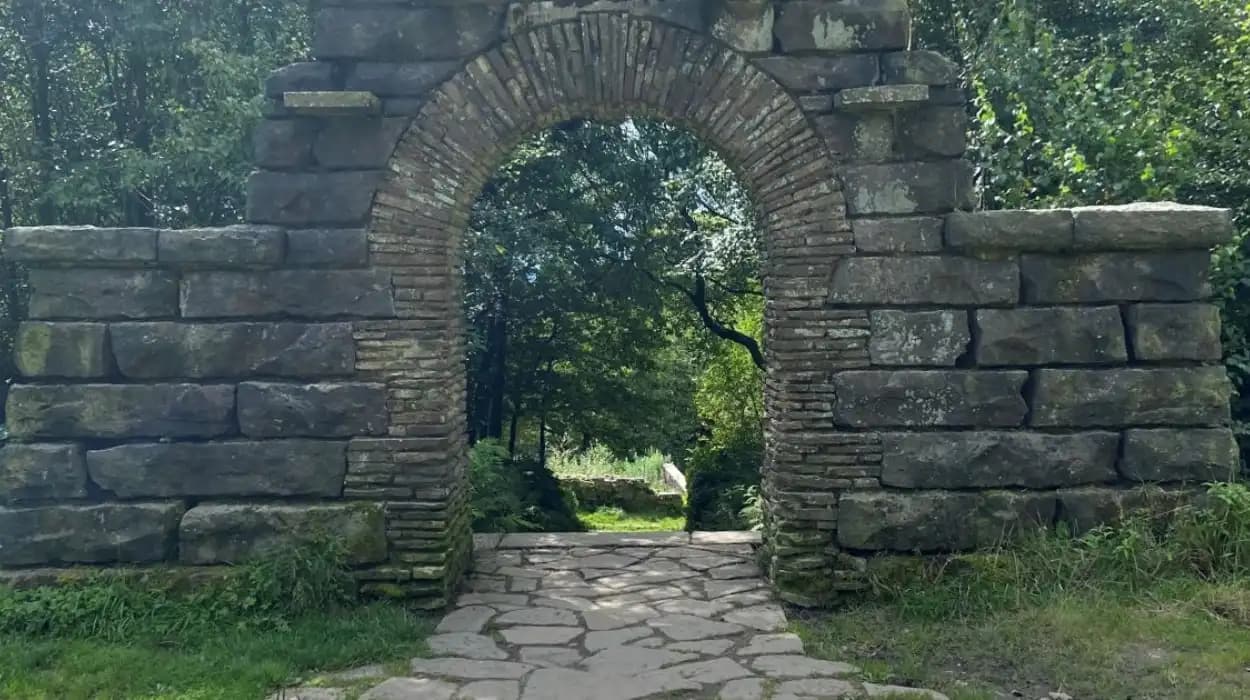
Blackrod is a historic town on the western edge of the Metropolitan Borough of Bolton in Greater Manchester. Positioned between Bolton, Horwich, and Wigan, it combines centuries of local history with accessible countryside, community parks, heritage landmarks, and walking routes. A day in Blackrod offers visitors the opportunity to experience Lancashire's rural landscape, industrial heritage, and modern community life within a compact area.
The town developed from a medieval settlement into an important transport and industrial centre during the eighteenth and nineteenth centuries. Today, remnants of that development remain visible in historic churches, former transport corridors, and surrounding agricultural landscapes. Blackrod also provides access to green spaces that connect visitors with the area's natural environment and historical character.
Why is Blackrod a rewarding destination for a day trip?
Blackrod combines historic landmarks, countryside walks, local parks, and community attractions within a compact setting. Visitors can experience medieval heritage, industrial-era development, and natural landscapes while exploring a town that reflects the wider history of Greater Manchester and Lancashire.
Located approximately six miles west of Bolton town centre, Blackrod occupies a strategic position along historic transport routes linking Lancashire with Greater Manchester. Its location contributed significantly to its development over several centuries.
The settlement appears in medieval records and expanded during the Industrial Revolution. Unlike larger urban centres that experienced extensive redevelopment, Blackrod retains visible evidence of different historical periods. Visitors can observe medieval religious architecture, nineteenth-century transport infrastructure, and twentieth-century community development within a single day.
The town's manageable size also makes it suitable for walking. Most key attractions, parks, and local amenities are located within a relatively short distance of each other, allowing visitors to explore without extensive travel.
For those interested in combining historical exploration with outdoor recreation, Blackrod offers a balance that distinguishes it from many larger urban destinations in Greater Manchester.
What should visitors see first when arriving in Blackrod?
The historic centre provides the best introduction to Blackrod. Beginning near St Katharine's Church allows visitors to understand the town's medieval origins before exploring later developments that shaped local society, transport networks, and community identity.
The most logical starting point is the historic core of the town. This area reflects Blackrod's earliest development and contains some of its most significant heritage assets.
St Katharine's Church and Blackrod's Medieval Origins
The parish church of St Katharine represents one of Blackrod's most important historic landmarks. The church occupies a site associated with religious activity dating back centuries and serves as a visible reminder of the town's medieval foundations.
Religious institutions played a central role in English settlements throughout the medieval period. Churches functioned as centres of worship, administration, education, and community gathering. Blackrod followed this pattern, with St Katharine's helping shape local identity over generations.
Architectural elements within the church reflect different phases of construction and restoration. These features demonstrate how communities adapted historic structures to changing needs while preserving their significance.
The churchyard also provides insight into local history. Gravestones and memorials document families, occupations, and social developments that influenced Blackrod's growth.
Understanding the Historic Street Pattern
The arrangement of roads around the historic centre reveals aspects of medieval settlement planning. Many routes evolved gradually rather than being designed according to a formal urban plan.
This organic development pattern is common among older Lancashire settlements. It reflects centuries of adaptation influenced by agriculture, trade, population growth, and transportation improvements.
Walking through the historic centre allows visitors to observe how older buildings coexist with later residential and commercial developments.
Which parks offer the best outdoor experience in Blackrod?
Blackrod's parks provide accessible green space for recreation, walking, and relaxation. They preserve community open land while offering opportunities to appreciate local biodiversity, landscape character, and connections between the town and its surrounding countryside.
Public green spaces contribute significantly to Blackrod's appeal as a day-trip destination.
Blackrod Community Green Spaces
Local parks serve multiple functions. They support recreation, environmental conservation, and community activities while improving quality of life for residents and visitors.
These spaces include maintained grassland, mature trees, pathways, and seating areas. Such features encourage walking, exercise, and informal leisure activities.
Urban green spaces became increasingly important during the nineteenth and twentieth centuries as industrialisation transformed many Lancashire communities. Public parks were established to improve health, provide recreation, and preserve open land.
Blackrod's green areas continue this tradition today.
Seasonal Landscape Features
Each season creates distinct experiences within local parks.
Spring brings flowering plants and increased bird activity. Summer offers longer daylight hours and favourable conditions for walking. Autumn highlights changing foliage colours across mature tree populations. Winter reveals landscape features often hidden during periods of dense vegetation.
These seasonal variations encourage repeat visits throughout the year.
Where can visitors enjoy the best walks around Blackrod?
The countryside surrounding Blackrod contains some of the area's most attractive walking routes. Paths across farmland, former transport corridors, and elevated terrain provide opportunities to explore both natural landscapes and historical features within a short distance of town.
Walking remains one of the most effective ways to understand Blackrod's geography and historical development.
Exploring the West Pennine Fringe
Blackrod sits near landscapes associated with the western edge of the Pennines. This geographical position provides access to varied terrain and extensive views across Greater Manchester and Lancashire.
Walking routes reveal how physical geography influenced settlement patterns, agricultural activity, and transport infrastructure.
Higher ground offers perspectives that help visitors understand the strategic significance of routes connecting Bolton, Wigan, Chorley, and surrounding communities.
Rural Footpaths and Agricultural Landscapes
Agriculture shaped Blackrod for centuries before industrial expansion altered the local economy.
Many footpaths follow historic routes used by farmers, traders, and residents. These pathways pass through fields, hedgerows, and open countryside that preserve elements of the area's agricultural heritage.
The landscape includes examples of traditional field boundaries, drainage systems, and farming practices that influenced rural life throughout Lancashire.
To experience these routes in person today, consult our comprehensive [From Farming Village to Railway Community: The Historical Evolution of Blackrod] for itineraries and visiting parameters.
Wildlife and Environmental Interest
The countryside around Blackrod supports a range of wildlife habitats.
Bird species, small mammals, insects, and native plant communities occupy hedgerows, grasslands, and woodland areas. These habitats contribute to regional biodiversity and demonstrate the ecological value of maintaining interconnected green spaces.
Conservation initiatives across Greater Manchester increasingly recognise the importance of such landscapes in supporting wildlife populations.
How does Blackrod's transport history enhance a visitor experience?
Blackrod's transport heritage explains much of its historical growth. Railways, roads, and regional connections transformed the settlement from a rural village into an integrated part of Lancashire's industrial and commercial network.
Transport infrastructure played a decisive role in Blackrod's development.
The Arrival of the Railway
The nineteenth century witnessed dramatic changes across northern England. Railway expansion connected communities to regional and national markets.
Blackrod benefited from improved access to employment, commerce, and movement of goods. Rail services linked the town with major industrial centres including Bolton, Manchester, Liverpool, and Preston.
The arrival of railway infrastructure encouraged residential growth and increased economic activity.
Many visitors overlook transport history when exploring local heritage. However, understanding railway development provides important context for interpreting modern settlement patterns.
Historic Road Networks
Long before railways, roads connected Blackrod to neighbouring communities.
Trade routes facilitated movement of agricultural products, raw materials, and manufactured goods. Improvements to road infrastructure during the eighteenth century supported economic expansion throughout Lancashire.
Several modern routes continue to follow historical alignments established centuries earlier.
Observing these transport corridors helps explain why particular areas developed and how communities remained connected across generations.
Which local favourites reflect Blackrod's community character?
Local gathering places, independent businesses, community facilities, and long-established institutions reflect Blackrod's identity. These locations demonstrate how historical continuity and modern community life combine to create a distinctive local atmosphere.
Community character develops through long-term social interaction and shared local experiences.
Traditional Community Institutions
Churches, schools, sports organisations, and civic groups have contributed to Blackrod's social structure for generations.
These institutions support community engagement and preserve local traditions. Many originated during periods of rapid population growth associated with industrialisation.
Their continued presence demonstrates the resilience of local civic culture.
Independent Businesses and Local Services
Small businesses contribute to Blackrod's economic and social environment.
Independent shops, cafés, and service providers often occupy locations that have served commercial functions for decades. These enterprises help maintain local identity while supporting economic activity.
Visitors exploring the town encounter evidence of everyday community life that distinguishes Blackrod from larger urban centres.
Community Events and Local Heritage
Throughout the year, community events reinforce connections between residents and local history.
Heritage activities, seasonal celebrations, and civic gatherings encourage awareness of Blackrod's historical development.
Such events contribute to the preservation of local traditions and strengthen public appreciation of cultural heritage.
What historical landmarks can visitors explore during a day in Blackrod?
Blackrod contains several landmarks that illustrate its historical evolution. Religious buildings, transport infrastructure, memorials, and historic streetscapes provide evidence of medieval settlement, industrial expansion, and twentieth-century community development.
Historical landmarks help visitors understand long-term change.
Religious Heritage Sites
Religious buildings represent some of the oldest surviving structures within the town.
They preserve architectural details, historical records, and community memories spanning multiple generations. Their continued use demonstrates the enduring importance of these institutions.
Memorials and Civic Features
War memorials and civic monuments document significant events that affected local residents.
The First World War and Second World War had profound impacts on communities across Britain. Memorials commemorate individuals whose lives were connected to Blackrod and preserve local historical memory.
These sites provide important educational opportunities for visitors interested in social and military history.
Historic Buildings and Streetscapes
Historic buildings reveal changes in architectural styles, construction methods, and economic conditions.
Residential properties, commercial premises, and institutional buildings collectively illustrate how Blackrod evolved through different historical periods.
Preservation efforts help maintain these physical connections to the past.
How has Blackrod preserved its heritage while adapting to modern life?
Blackrod balances heritage preservation with contemporary development. Historic buildings remain integrated into community life while conservation efforts protect important cultural assets that document the town's evolution from medieval settlement to modern residential community.
Heritage preservation requires ongoing management and public engagement.
Conservation of Historic Structures
Historic structures require maintenance, restoration, and appropriate use to remain viable.
Conservation initiatives seek to protect architectural significance while ensuring buildings continue to serve practical functions.
This approach reflects broader heritage-management principles adopted throughout the United Kingdom.
Maintaining Historical Identity
Local identity depends partly on preserving visible links to the past.
Historic landmarks, traditional street patterns, and surviving cultural institutions help maintain continuity despite demographic and economic change.
These features distinguish Blackrod from newer settlements lacking comparable historical depth.
Educational Value for Future Generations
Preserved heritage supports education and research.
Students, genealogists, historians, and heritage organisations use local records and historic sites to investigate broader themes in British social, economic, and cultural history.
Blackrod's surviving heritage assets contribute valuable evidence for such research.
What is the ideal way to spend a full day in Blackrod?
An ideal day begins in the historic centre, continues through local parks and countryside walks, includes exploration of transport heritage and landmarks, and concludes with time spent experiencing the town's community atmosphere and local amenities.
A structured itinerary allows visitors to experience Blackrod's most significant attractions efficiently.
Morning exploration should focus on the historic core, including St Katharine's Church and the surrounding streets. This provides essential historical context before moving into the wider landscape.
Late morning and early afternoon are well-suited to park visits and countryside walks. These activities highlight the geographical setting that influenced Blackrod's development.
Mid-afternoon offers opportunities to examine transport heritage, historic buildings, and community landmarks. Understanding these features deepens appreciation of the town's transformation during the Industrial Revolution.
The final portion of the day can be dedicated to experiencing local businesses, community spaces, and public amenities that represent contemporary Blackrod.
This combination of heritage, recreation, and local culture creates a comprehensive understanding of the town.
Why does Blackrod remain important within Bolton's heritage landscape?
Blackrod remains significant because it preserves evidence of medieval settlement, agricultural traditions, industrial transformation, and community continuity. Its landscapes and landmarks help explain broader historical developments that shaped Bolton, Lancashire, and Greater Manchester.
The importance of Blackrod extends beyond its physical size.
Its history reflects processes that transformed many English communities over centuries. Agricultural development, religious organisation, transport innovation, industrialisation, and modern suburban growth all influenced the town's evolution.
What distinguishes Blackrod is the visibility of these historical layers within a relatively compact area. Visitors can observe connections between landscape, infrastructure, architecture, and community identity in ways that remain accessible and understandable.
As interest in local history, heritage tourism, and cultural preservation continues to grow, Blackrod provides an important example of how smaller communities contribute to regional historical understanding.
For visitors seeking a day that combines outdoor exploration with meaningful historical context, Blackrod offers a distinctive experience rooted in centuries of continuous development. Its parks, walks, landmarks, and local favourites collectively reveal the story of a community that has adapted to change while preserving its connection to the past.
FAQS
Is Blackrod a good place for a day trip?
es, Blackrod is an excellent destination for a day trip because it combines heritage attractions, countryside walks, parks, and local community spaces within a compact area.
Visitors can explore historic landmarks, enjoy outdoor routes, discover local history, and experience the character of a traditional Lancashire settlement without needing a long journey between attractions.