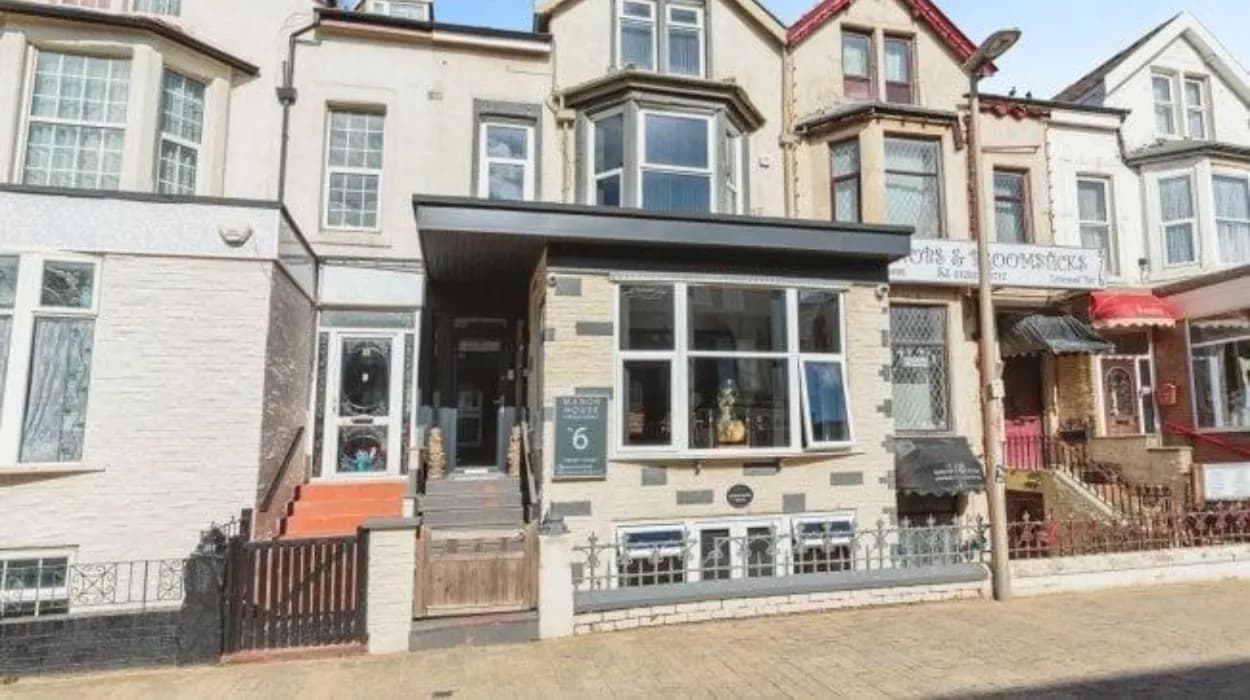
Astley Bridge is one of the most historically significant districts in Bolton, Greater Manchester. Located north of Bolton town centre, the area developed from a small rural settlement into an important industrial and residential community during the nineteenth and twentieth centuries. Today, Astley Bridge combines industrial heritage, Victorian architecture, religious landmarks, green spaces, and modern amenities, making it a valuable destination for visitors interested in local history and culture.
For first-time visitors, understanding Astley Bridge requires exploring both its historic development and its surviving landmarks. The area's streets, public buildings, churches, parks, and former industrial sites reveal how the district evolved alongside Bolton's rise as one of Britain's leading textile centres.
Why is Astley Bridge important to visitors exploring Bolton?
Astley Bridge offers visitors a concentrated view of Bolton's industrial heritage, Victorian urban development, religious architecture, community institutions, and green spaces. The district preserves key historical landmarks while providing insight into the economic and social changes that transformed Greater Manchester during the Industrial Revolution.
Astley Bridge occupies a strategic position along the northern approaches to Bolton. Historically, it connected agricultural land with expanding industrial districts and transportation routes. This location enabled the area to grow rapidly during the nineteenth century when textile manufacturing dominated the regional economy.
The district takes its name from a bridge crossing Astley Brook. The brook served as an important geographical feature long before urban development reached the area. Early settlements relied on local watercourses for agriculture, transport, and industrial processes.
By the mid-nineteenth century, Bolton's expanding population created demand for housing beyond the town centre. Astley Bridge became a key residential district for mill workers, managers, merchants, and skilled craftsmen. This social diversity remains visible in the variety of housing styles that survive today.
Visitors encounter a district that reflects several historical eras, including medieval agricultural origins, Victorian industrial expansion, Edwardian suburban growth, and twentieth-century redevelopment. Examples include surviving stone cottages, Victorian terraces, Edwardian villas, and modern residential estates.
How did Astley Bridge develop from a rural settlement into an urban district?
Astley Bridge evolved from farmland and scattered hamlets into a densely populated suburban district during the nineteenth century. Industrialisation, textile production, transport improvements, and population growth transformed the landscape and established Astley Bridge as a major residential and commercial area within Bolton.
Before industrialisation, the area consisted primarily of agricultural land associated with historic townships surrounding Bolton. Farming communities cultivated crops and raised livestock across the rolling landscape north of the town.
The Industrial Revolution accelerated change throughout Lancashire. Bolton emerged as one of Britain's most important cotton-spinning centres. Between the late eighteenth century and the late nineteenth century, hundreds of mills were established across the region.
As factories expanded, workers required housing near places of employment. Developers constructed rows of terraced houses across Astley Bridge to accommodate the growing population. These residential developments were accompanied by schools, churches, shops, and civic facilities.
Transportation improvements further stimulated growth. Roads connecting Bolton with surrounding settlements became increasingly important for commerce and commuting. Improved accessibility encouraged suburban expansion and increased property development.
By the early twentieth century, Astley Bridge had become an established urban district characterised by residential neighbourhoods, commercial streets, religious institutions, and community organisations. Many elements of this historic urban fabric remain visible to modern visitors.
What historic landmarks should first-time visitors see in Astley Bridge?
First-time visitors should explore Astley Bridge's churches, historic commercial buildings, surviving Victorian housing, former industrial sites, and community landmarks. These locations illustrate the district's transformation during the nineteenth and twentieth centuries and preserve important evidence of Bolton's industrial and social history.
Several landmarks help explain the district's development.
Among the most significant are the area's historic churches. Religious institutions played a central role in Victorian communities by providing education, welfare, and social support. Church buildings often represent some of the most architecturally significant structures in the district.
Victorian and Edwardian residential streets also form an important part of Astley Bridge's heritage. The architectural details visible in stone-built terraces, semi-detached homes, and larger villas reveal distinctions in wealth, occupation, and social status during different periods of development.
Historic commercial properties along principal roads reflect the area's emergence as a self-contained suburban centre. Many buildings retain architectural features associated with late nineteenth-century retail development.
Former industrial sites provide additional historical context. While numerous textile mills have disappeared through redevelopment, their locations continue to influence street layouts and local identity.
To experience these historic landmarks in person today, consult our comprehensive [Exploring the Heart of Astley Bridge: Top Places for Visitors and Residents] for itineraries and visiting parameters.
What role did religion play in shaping Astley Bridge's identity?
Religious institutions shaped Astley Bridge by providing education, welfare, community leadership, and architectural landmarks. Churches became centres of social life during the Victorian era and contributed significantly to the district's cultural development and community cohesion.
The nineteenth century witnessed extensive church construction throughout Lancashire. Rapid population growth created demand for new places of worship capable of serving expanding urban communities.
Anglican, Methodist, Baptist, and other Christian denominations established congregations across Bolton. These institutions often sponsored schools, charitable organisations, youth groups, and educational programmes.
Church architecture reflected contemporary design trends and community aspirations. Gothic Revival styles became particularly popular during the Victorian era. Stone construction, decorative windows, towers, and prominent locations reinforced the civic importance of religious buildings.
Religious organisations also addressed social challenges associated with industrialisation. Poverty, overcrowding, public health concerns, and educational needs prompted churches to expand their activities beyond worship services.
Many historic churches remain active today. Their continued presence provides visitors with tangible links to the district's Victorian and Edwardian heritage.
How does Astley Bridge reflect Bolton's textile industry heritage?
Astley Bridge reflects Bolton's textile heritage through its historic housing patterns, former mill locations, transportation networks, and community institutions. The district developed directly in response to the expansion of cotton manufacturing, which dominated the local economy throughout the nineteenth century.
Bolton became internationally recognised for cotton spinning during the Industrial Revolution. Technological innovations increased production capacity and transformed the town into a major manufacturing centre.
The success of textile enterprises generated substantial population growth. Workers migrated from surrounding rural areas and other regions seeking employment opportunities.
Astley Bridge accommodated this expansion through residential development. Housing construction followed predictable patterns associated with industrial communities. Examples include workers' terraces, artisans' housing, and managerial residences.
Industrial wealth also funded public infrastructure. Schools, churches, libraries, and recreational facilities benefited from investment generated by manufacturing success.
The decline of Britain's textile industry during the twentieth century altered the area's economic foundations. However, surviving buildings, street patterns, and community institutions continue to reflect the influence of cotton manufacturing on local development.
Historical records indicate that Bolton contained hundreds of textile-related businesses at the industry's peak. This concentration established the town among the most important manufacturing centres in the world.
Which architectural features stand out in Astley Bridge?
Astley Bridge contains notable examples of Victorian, Edwardian, and early twentieth-century architecture. Stone-built terraces, Gothic Revival churches, civic structures, and suburban residences illustrate changing design preferences and economic conditions across several periods of development.
Local architecture reflects the availability of regional building materials. Stone construction became particularly common throughout Bolton and surrounding districts.
Victorian terraces often feature decorative stonework, bay windows, slate roofs, and ornamental detailing. These characteristics reveal the craftsmanship associated with nineteenth-century urban development.
Religious buildings demonstrate greater architectural complexity. Gothic Revival influences appear in pointed arches, stained-glass windows, towers, and carved stone decoration.
Edwardian expansion introduced new residential styles. Larger homes incorporated broader façades, landscaped gardens, and increased attention to domestic comfort.
Commercial buildings also contribute to the area's visual identity. Historic shopfronts and mixed-use properties illustrate the development of local retail and service economies.
Architectural preservation efforts help maintain these historic characteristics. Surviving structures provide valuable evidence of social and economic changes across multiple generations.
What green spaces and outdoor locations should visitors explore?
Astley Bridge offers access to green spaces, walking routes, recreational areas, and nearby countryside. These landscapes demonstrate how urban development coexisted with natural features and continue to provide important environmental and cultural benefits for residents and visitors.
Although industrialisation transformed much of Bolton, significant open spaces survived within and around Astley Bridge.
Astley Brook remains an important natural feature connected to the district's origins. Watercourses influenced settlement patterns, industrial development, and landscape character for centuries.
Nearby parks provide opportunities to observe the relationship between urban growth and environmental preservation. Public parks became increasingly common during the Victorian era as municipal authorities recognised the health benefits of recreational spaces.
Visitors can also explore routes leading toward surrounding countryside. The transition from urban neighbourhoods to open landscapes illustrates the geographical setting that shaped local development.
Green spaces perform several functions today. Examples include recreation, biodiversity conservation, heritage interpretation, and community engagement.
These environments complement Astley Bridge's built heritage by preserving elements of the natural landscape that existed before large-scale urbanisation.
How did education contribute to community development in Astley Bridge?
Education contributed to Astley Bridge's development by improving literacy, supporting workforce skills, and strengthening community institutions. Schools established during the nineteenth and twentieth centuries reflected broader national efforts to expand educational access throughout industrial Britain.
Early education in the area often relied on religious organisations. Church-sponsored schools provided basic instruction before state involvement expanded.
The nineteenth century witnessed major educational reforms across England. Legislation increased access to formal schooling and established new administrative structures.
Industrial communities recognised the importance of literacy and numeracy. Employers, civic leaders, and religious organisations frequently supported educational initiatives designed to improve opportunities for local residents.
School buildings became prominent features of neighbourhood development. Their architecture often reflected public investment in community infrastructure.
Educational institutions also served broader social functions. Examples included public meetings, cultural events, recreational programmes, and civic activities.
Today, surviving historic school buildings help illustrate changing attitudes toward education and social improvement during Britain's industrial era.
What local experiences help visitors understand Astley Bridge today?
Visitors gain a deeper understanding of Astley Bridge by exploring historic streets, observing architectural details, visiting community landmarks, engaging with local businesses, and examining how historic development continues to influence modern life within the district.
Understanding Astley Bridge requires more than viewing individual landmarks. The district functions as a living community where historical patterns remain visible in everyday environments.
Walking through residential neighbourhoods reveals how Victorian and Edwardian planners organised housing, transportation, and public services. Street layouts often preserve historical development patterns established more than a century ago.
Local commercial areas demonstrate continuity between past and present economic activity. Shops, cafés, service businesses, and community facilities occupy spaces that have long supported neighbourhood life.
Community organisations continue traditions established by earlier generations. Religious institutions, educational facilities, and civic groups maintain connections to historical networks of local engagement.
Visitors interested in genealogy also find value in exploring Astley Bridge. Census records, parish registers, school records, and municipal archives provide important resources for researchers tracing family histories connected to Bolton and Lancashire.
These experiences help transform historical information into observable reality, allowing visitors to understand how past developments continue to shape contemporary communities.
Why does Astley Bridge remain historically significant in the twenty-first century?
Astley Bridge remains historically significant because it preserves evidence of industrialisation, urban expansion, community development, and architectural change. The district provides a valuable case study of how British industrial communities evolved while maintaining strong connections to their historical foundations.
Historians increasingly recognise the importance of preserving everyday urban landscapes alongside nationally famous landmarks. Districts such as Astley Bridge document the experiences of ordinary residents whose lives contributed to broader historical transformations.
The area illustrates several major themes in British history. Examples include industrialisation, urbanisation, religious development, educational reform, and suburban growth.
Preservation efforts protect important buildings and cultural assets from loss. Conservation supports research, education, tourism, and community identity.
Academic researchers continue examining local archives, census records, maps, and architectural evidence to better understand the district's evolution. These studies contribute to broader knowledge of regional and national history.
For visitors, Astley Bridge offers an accessible introduction to the forces that shaped modern Bolton. Its surviving streets, institutions, landscapes, and landmarks provide direct evidence of historical processes that transformed Britain between the eighteenth and twentieth centuries.
As interest in industrial heritage continues to grow, Astley Bridge remains an important destination for cultural tourists, educators, students, and local residents seeking a deeper understanding of Bolton's past. Its combination of historic architecture, community institutions, industrial connections, and natural features ensures that the district retains lasting historical relevance for future generations.
FAQS
What are the main things to see in Astley Bridge?
Visitors can explore historic churches, Victorian terraces, commercial streets, community buildings, and nearby natural areas linked to Astley Brook.