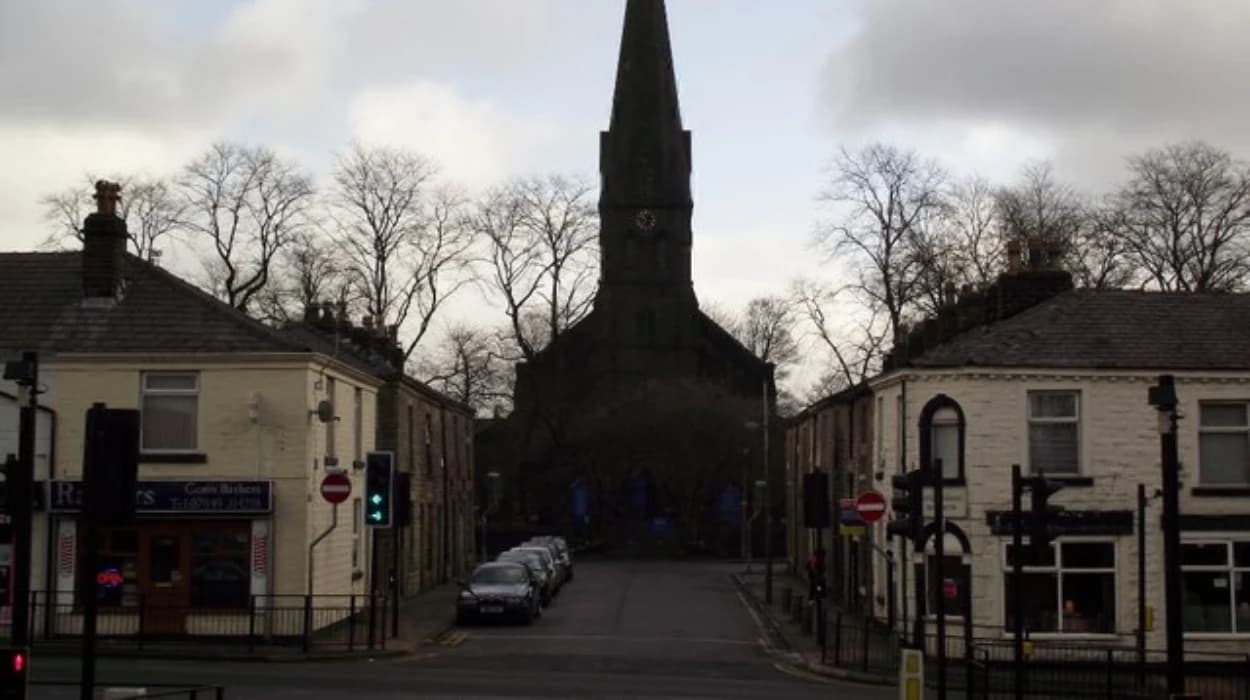
Astley Bridge is one of Bolton’s most historically significant districts, combining industrial heritage, Victorian development, green spaces, community institutions, and modern amenities. Its evolution from rural farmland to a thriving suburban centre reflects broader economic and social changes that shaped Greater Manchester.
Located on the northern edge of Bolton in Astley Bridge, Astley Bridge occupies a strategic position between the urban centre of Bolton and the upland landscapes leading toward the West Pennine Moors. Today it serves as both a residential community and a destination for visitors seeking local history, architecture, outdoor recreation, and cultural heritage.
The district developed rapidly during the nineteenth century as Bolton expanded during the Industrial Revolution. Textile manufacturing, engineering industries, and population growth transformed previously agricultural land into a densely populated suburban area. The construction of roads, churches, schools, and commercial premises established Astley Bridge as an important community within the wider Bolton region.
Modern Astley Bridge retains visible evidence of this development. Historic buildings stand alongside contemporary housing and retail centres. Community organisations continue to preserve local traditions while adapting to changing economic conditions.
For visitors exploring Bolton, Astley Bridge offers insight into the area's industrial past while providing access to parks, heritage sites, and local amenities that remain central to community life.
Which historic landmarks define Astley Bridge today?
Astley Bridge contains several landmarks that illustrate its development from a rural settlement into a Victorian suburb. Churches, memorials, educational institutions, and surviving historic structures provide evidence of the area's social, religious, and industrial history.
One of the most notable landmarks is St Paul's Church. Built during the nineteenth century, the church reflects the rapid population growth experienced throughout Bolton's industrial expansion. Like many Victorian ecclesiastical buildings, it served not only as a place of worship but also as a community centre, educational venue, and social support institution.
Religious architecture played a central role in shaping local identity. During the nineteenth century, church construction frequently accompanied urban growth. New parishes were created to accommodate expanding populations, and Astley Bridge followed this pattern.
War memorials throughout the district also provide important historical reference points. Following the First World War from 1914 to 1918 and the Second World War from 1939 to 1945, communities across Britain erected memorials commemorating local residents who served and died during military conflicts.
Educational buildings contribute additional historical significance. Victorian-era schools represented major investments in public education following reforms that expanded access to schooling across England. Many original educational institutions helped shape generations of local residents and remain recognised community landmarks.
Together, these structures provide tangible evidence of social change, religious development, and civic investment across more than 150 years of Astley Bridge history.
Why is Astley Bridge Park considered a community cornerstone?
Astley Bridge Park provides recreational space, environmental benefits, and historical continuity within an increasingly urban environment. The park reflects nineteenth-century public health initiatives that sought to improve living conditions for industrial communities across Britain.
Public parks became increasingly important during the Victorian era. Industrial towns experienced rapid population growth, dense housing development, and environmental challenges associated with manufacturing. Municipal authorities responded by creating green spaces designed to improve public health and provide recreational opportunities.
Astley Bridge Park remains a valuable example of this tradition. The park offers walking routes, sports facilities, open grassland, and landscaped areas that serve residents throughout the year.
The environmental role of urban parks has become increasingly significant in the twenty-first century. Green spaces support biodiversity, improve air quality, and contribute to physical and mental wellbeing. Research conducted by public health organisations consistently demonstrates the benefits of accessible outdoor recreation areas within urban communities.
Astley Bridge Park also functions as a venue for local events, community gatherings, and recreational activities. This continuity of public use connects modern residents with earlier generations who utilised similar spaces for leisure and social interaction.
The park remains one of the clearest examples of how historic planning decisions continue to influence quality of life within contemporary communities.
How did Astley Bridge develop during the Industrial Revolution?
Astley Bridge expanded rapidly during the Industrial Revolution because of Bolton’s prominence in textile manufacturing. Industrial growth created employment opportunities, attracted workers, stimulated housing construction, and transformed rural landscapes into urban neighbourhoods.
Before industrialisation, much of the area consisted of farmland and scattered rural settlements. The late eighteenth century and the nineteenth century brought substantial economic change across Lancashire.
Bolton became internationally recognised for cotton spinning and textile production. The introduction of mechanised manufacturing increased productivity and generated demand for labour. Workers migrated from surrounding rural regions to industrial centres seeking employment.
Astley Bridge benefited directly from this expansion. New housing developments accommodated growing populations. Roads improved transportation links between residential areas and industrial workplaces. Commercial enterprises emerged to serve local needs.
The cotton industry became one of Britain's most important economic sectors. By the mid-nineteenth century, Lancashire dominated global cotton production. Bolton's mills formed part of this wider industrial network.
Industrialisation also influenced social structures. Educational institutions expanded. Religious organisations increased their presence. Local government responsibilities grew as populations increased.
The physical layout of Astley Bridge today continues to reflect decisions made during this transformative period. Street patterns, residential districts, and community infrastructure all reveal connections to nineteenth-century industrial growth.
What cultural and community venues attract visitors to Astley Bridge?
Community venues in Astley Bridge reflect the area's strong traditions of civic engagement, education, religion, and recreation. These institutions help preserve local identity while providing services that support modern residents and visitors.
Community halls, churches, sports clubs, and local organisations remain important gathering places. Throughout British history, such institutions have played essential roles in fostering social cohesion and community participation.
Religious institutions continue to contribute to local cultural life. Many historic churches host concerts, educational programmes, heritage events, and charitable initiatives alongside regular worship activities.
Sports organisations also hold significant importance. Lancashire communities developed strong traditions in football, cricket, and other recreational activities during the nineteenth and twentieth centuries. These activities strengthened local identity and encouraged social interaction.
Libraries and educational facilities have similarly shaped community development. Access to knowledge, literacy programmes, and cultural resources became increasingly important following educational reforms enacted during the Victorian period.
Visitors interested in understanding local life often gain valuable insight through these community institutions. They reveal how Astley Bridge has maintained continuity despite substantial economic and demographic changes over time.
What shopping and commercial areas serve Astley Bridge today?
Modern commercial centres in Astley Bridge combine traditional local businesses with contemporary retail developments. These commercial areas continue a long history of trade and economic activity that dates back to the district’s industrial expansion.
Commercial growth typically followed residential development during the nineteenth century. As populations increased, demand emerged for shops, services, and marketplaces. Local entrepreneurs established businesses that supported daily life within expanding communities.
Today, Astley Bridge contains a mixture of independent retailers, service providers, restaurants, and larger commercial developments. These facilities serve both residents and visitors while contributing to the local economy.
The evolution of commercial areas reflects broader economic trends affecting Britain. Traditional high streets have adapted to changing consumer behaviour, technological developments, and regional planning initiatives.
Despite these changes, local businesses remain important contributors to community identity. Independent enterprises frequently provide specialised services and help maintain distinct local character.
Commercial activity also supports employment opportunities and generates economic investment that contributes to long-term community sustainability.
Which outdoor attractions can visitors explore near Astley Bridge?
Astley Bridge provides convenient access to natural landscapes, walking routes, and recreational areas that showcase the environmental diversity of Greater Manchester. Nearby countryside creates opportunities for outdoor activities throughout the year.
The district's location near the northern edge of Bolton places it close to upland environments associated with the West Pennine region.
Visitors can explore routes leading toward Smithills Estate, one of the area's most significant historic and environmental assets. The estate includes extensive woodland, farmland, moorland, and heritage features that illustrate centuries of land use and management.
Walking and cycling routes connect urban communities with surrounding countryside. These networks encourage outdoor recreation while supporting environmental awareness and heritage tourism.
Natural landscapes also provide insight into pre-industrial conditions. Before urban expansion transformed the region, much of the surrounding area consisted of agricultural land, woodland, and open moorland.
To experience this historic landmark in person today, consult our comprehensive [Astley Bridge for First-Time Visitors: Essential Sights and Local Experiences] for itineraries and visiting parameters.
The continued preservation of these landscapes demonstrates the importance of balancing urban development with environmental conservation.
How does Astley Bridge preserve its historical heritage?
Astley Bridge preserves its heritage through conservation efforts, community organisations, historic buildings, archival records, and educational initiatives. These activities ensure that local history remains accessible to future generations.
Heritage preservation involves multiple approaches. Physical conservation protects significant buildings and monuments. Archival preservation safeguards documents, photographs, maps, and municipal records. Educational programmes promote public understanding of local history.
Organisations throughout Bolton contribute to these efforts. Historical societies document community developments, conduct research, and organise public events focused on local heritage.
Historic churches, schools, memorials, and civic buildings provide visible reminders of earlier periods. Preservation initiatives help maintain architectural integrity while allowing continued community use.
Digital technology has expanded opportunities for heritage preservation. Historical records can now be digitised and made accessible to researchers worldwide. Genealogical researchers tracing family histories frequently utilise these resources to investigate connections with Bolton and surrounding communities.
Academic studies also contribute to understanding Astley Bridge's development. Research into industrialisation, urban planning, social history, and demographic change provides broader context for interpreting local historical evidence.
These combined efforts help ensure that historical knowledge remains available despite ongoing urban and economic transformation.
What role does Astley Bridge play in Bolton’s wider identity?
Astley Bridge represents a significant chapter in Bolton’s historical development. Its industrial heritage, residential growth, community institutions, and cultural traditions illustrate many of the forces that shaped the town during the nineteenth and twentieth centuries.
Bolton emerged as one of Britain's most important industrial centres during the Industrial Revolution. Communities such as Astley Bridge contributed directly to this success by providing housing, labour, infrastructure, and social institutions necessary for sustained growth.
The district reflects broader themes in British urban history. These themes include industrialisation, population expansion, educational reform, public health initiatives, and community development.
Modern Astley Bridge continues to fulfil an important role within Bolton. Residential neighbourhoods support a diverse population. Community organisations strengthen local engagement. Commercial areas contribute economic activity. Green spaces improve environmental quality.
Visitors exploring the district gain a deeper understanding of how industrial communities evolved over time. Residents benefit from a strong sense of place rooted in more than two centuries of historical development.
As heritage preservation efforts continue and community institutions adapt to contemporary needs, Astley Bridge remains an important example of how historic districts can maintain relevance while preserving connections to the past.
Why should first-time visitors include Astley Bridge in their Bolton itinerary?
Astley Bridge offers a combination of heritage, architecture, green spaces, community culture, and access to surrounding countryside. These features provide a comprehensive introduction to Bolton’s historical development and contemporary character.
First-time visitors often focus on major regional attractions. However, districts such as Astley Bridge provide valuable insight into everyday historical experiences that shaped industrial Britain.
Historic churches reveal Victorian social priorities. Parks demonstrate public health reforms. Community institutions illustrate local civic traditions. Commercial areas reflect economic adaptation across generations.
The district also benefits from excellent connections to other parts of Bolton and Greater Manchester, making it a practical addition to wider exploration plans.
Most importantly, Astley Bridge demonstrates how local communities contributed to national historical developments. Industrialisation, urbanisation, education reform, and heritage preservation all left visible marks on the landscape.
For residents, the district represents a continuing story of community identity and adaptation. For visitors, it offers an accessible and informative introduction to one of Bolton's most historically significant neighbourhoods.
Through its landmarks, public spaces, institutions, and surviving heritage, Astley Bridge remains a living record of the economic, social, and cultural forces that shaped modern Bolton and continue to influence the community today.
FAQS
Why is Astley Bridge historically significant?
The area played an important role in Bolton's industrial growth during the nineteenth century, particularly through its connection to the textile industry and suburban development.