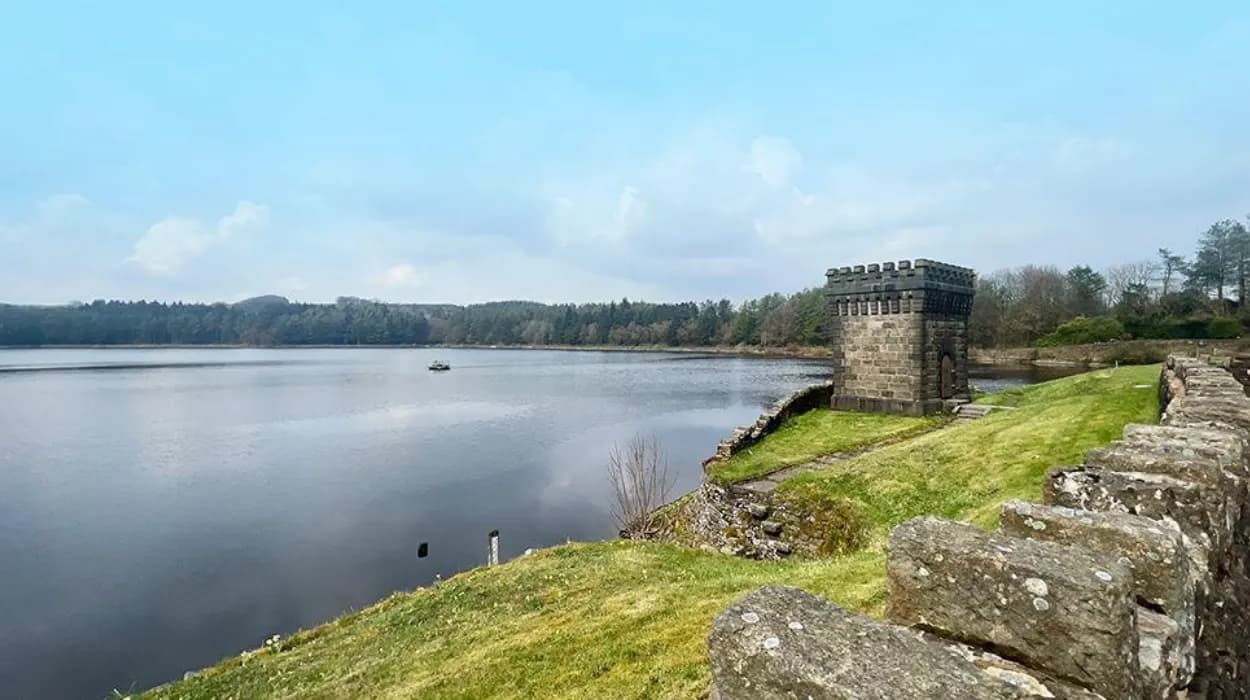
Bolton combines centuries of industrial heritage with extensive public parks, historic country estates, reservoirs, and protected woodlands that provide outstanding picnic destinations throughout the year. These green spaces preserve the borough's environmental history while supporting recreation, biodiversity, education, and local tourism. Families, walkers, photographers, and history enthusiasts continue to visit these landscapes because they represent the evolution of Bolton from a medieval market settlement into one of Lancashire's largest industrial towns while maintaining significant areas of natural countryside.
Today, Bolton contains more than 80 public parks and green spaces alongside large country parks, reservoirs, nature reserves, and woodland estates. Many originated as private aristocratic lands before becoming publicly accessible during the nineteenth and twentieth centuries. Others developed through municipal investment that reflected Victorian public health reforms encouraging outdoor recreation for rapidly expanding industrial communities.
Whether visitors seek peaceful lakeside settings, woodland walks, children's play facilities, panoramic moorland views, or heritage landscapes, Bolton offers picnic locations that combine historical significance with modern amenities.
Why is Bolton an excellent destination for outdoor family picnics?
Bolton offers diverse picnic environments including Victorian parks, historic estates, reservoirs, moorland landscapes, and protected woodlands. Together these locations combine accessible recreation, preserved heritage, wildlife habitats, educational opportunities, and family facilities within a compact borough connected by established transport networks.
Bolton occupies the foothills of the West Pennine Moors in Greater Manchester. Its geography creates remarkable diversity within a relatively small area. Visitors can enjoy formal Victorian gardens in the town centre before reaching reservoirs, forests, and open moorland within a short journey.
The borough developed rapidly during Britain's Industrial Revolution. Between the late eighteenth century and early twentieth century, textile manufacturing transformed Bolton into one of England's largest cotton-producing towns. Industrial expansion increased demand for healthy public spaces where workers and families could spend leisure time away from crowded urban neighbourhoods.
Victorian councils responded by creating municipal parks, preserving open land, and improving public access to countryside areas. This legacy continues today through Bolton's extensive green infrastructure.
Many picnic sites also protect important habitats. Woodlands support native bird species including great spotted woodpeckers and tawny owls. Reservoirs attract waterfowl including tufted ducks, great crested grebes, and Canada geese. Meadows preserve seasonal wildflowers including buttercups, oxeye daisies, and red clover.
These landscapes provide recreational value while preserving ecological diversity and historical character.
Which historic parks provide the best family picnic experiences in Bolton?
Historic parks including Queen's Park, Leverhulme Park, Moss Bank Park, and Astley Hall grounds combine landscaped gardens, mature trees, recreational facilities, and nineteenth-century civic planning that continues serving local communities more than one hundred years after their creation.
Queen's Park
Queen's Park opened in 1866 and represents one of Bolton's earliest municipal parks. The park formed part of Victorian public health reforms designed to improve living conditions for industrial populations.
Its landscaped gardens feature ornamental lakes, mature tree avenues, open lawns, and traditional pathways suitable for family picnics. Visitors enjoy extensive grassed areas that accommodate large family gatherings without overcrowding.
Victorian landscape architects incorporated decorative planting, formal layouts, and recreational spaces that remain visible today.
Leverhulme Park
Leverhulme Park originated through philanthropy associated with William Hesketh Lever, later the first Viscount Leverhulme. The industrial entrepreneur believed accessible green spaces improved community wellbeing.
Modern visitors benefit from wide open fields, riverside areas, sports facilities, and woodland sections suitable for both active recreation and quiet family meals outdoors.
Large picnic areas accommodate multiple family groups while preserving generous personal space.
Moss Bank Park
Moss Bank Park combines landscaped gardens with woodland environments across substantial public grounds.
Children's playgrounds, miniature railway facilities during operating periods, ornamental gardens, and shaded picnic lawns create varied recreational opportunities throughout the year.
Seasonal flower displays continue Victorian traditions of municipal horticulture while supporting local biodiversity.
Astley Hall Grounds
Astley Hall dates primarily from the sixteenth century, although earlier occupation existed on the site. The surrounding parkland preserves the historic landscape associated with one of Bolton's most significant manor houses.
Families enjoy expansive lawns overlooking the historic building while woodland walks extend into quieter sections of the estate.
To experience this historic landmark in person today, consult our comprehensive [History of Bolton's Parks and Green Spaces] for itineraries and visiting parameters.
Which country parks offer the most scenic picnic locations near Bolton?
Country parks surrounding Bolton preserve extensive natural landscapes including reservoirs, forests, moorland, and agricultural heritage. These protected environments provide peaceful picnic settings alongside walking routes, wildlife observation opportunities, and significant historical landscapes dating across several centuries.
Country parks represent the transition from privately managed estates to publicly accessible conservation landscapes.
Jumbles Country Park
Jumbles Country Park surrounds Jumbles Reservoir, completed during the nineteenth century to support regional water supplies.
The reservoir now functions as a recreational destination while continuing its role within local water management infrastructure.
Picnic areas overlook open water where visitors regularly observe swans, coots, mallards, and grey herons.
Circular walking routes allow families to combine outdoor dining with moderate exercise.
Moses Gate Country Park
Moses Gate Country Park occupies land previously influenced by mining, farming, and industrial activity.
Environmental restoration transformed former industrial landscapes into wetlands, woodlands, lakes, and meadow habitats supporting diverse wildlife.
Today, families enjoy designated picnic areas near water features alongside educational interpretation explaining ecological restoration.
Smithills Estate
Smithills Estate covers approximately 2,000 acres of woodland, farmland, moorland, and historic buildings.
The estate preserves centuries of agricultural history while supporting public recreation through maintained footpaths and visitor facilities.
Picnic opportunities range from woodland clearings to panoramic viewpoints overlooking the West Pennine Moors.
Historic farm buildings and traditional dry-stone walls reinforce the area's agricultural heritage.
Why are Bolton's reservoirs popular picnic destinations?
Bolton's reservoirs combine engineering heritage, protected wildlife habitats, attractive walking routes, and open water landscapes. Originally constructed to support industrial growth, these reservoirs now provide peaceful recreational environments valued by families, photographers, walkers, and environmental educators throughout the year.
Reservoir construction formed an essential part of nineteenth-century industrial development.
Textile manufacturing required reliable water supplies for steam engines, processing, and urban populations.
As engineering technology improved, reservoirs became increasingly sophisticated infrastructure projects that permanently altered local landscapes.
Entwistle Reservoir
Completed during the 1830s, Entwistle Reservoir ranks among Britain's earliest large municipal reservoirs.
Its historic importance extends beyond recreation because it demonstrated advances in public water supply engineering during the Industrial Revolution.
Modern picnic visitors enjoy woodland surroundings, peaceful shoreline views, and accessible walking paths.
Wayoh Reservoir
Wayoh Reservoir opened in the late nineteenth century to increase Bolton's water capacity.
Surrounding woodland creates sheltered picnic areas while nearby trails connect visitors with extensive countryside.
Birdwatchers frequently observe kingfishers, cormorants, and various migratory species depending upon the season.
Jumbles Reservoir
Jumbles Reservoir continues attracting families seeking relaxed outdoor experiences.
Its combination of accessible parking, maintained pathways, woodland scenery, and waterside views makes it one of Bolton's most consistently popular picnic locations.
These reservoirs illustrate how Victorian engineering infrastructure evolved into valuable recreational landscapes supporting both heritage appreciation and environmental conservation.
Which woodland locations create peaceful picnic experiences for nature lovers?
Bolton's protected woodlands preserve ancient habitats, native tree species, and ecological diversity while offering shaded picnic environments away from urban activity. These forests represent important conservation landscapes supporting wildlife, environmental education, and sustainable outdoor recreation.
Woodlands historically supplied timber, fuel, grazing opportunities, and hunting grounds before increasing urbanisation reduced forest coverage.
Modern conservation efforts protect remaining woodland habitats throughout Bolton.
Seven Acres Country Park
Seven Acres includes mixed woodland, wetlands, grassland, and ponds supporting numerous plant and animal species.
Families often choose woodland picnic areas during warmer months because mature tree canopies provide natural shade.
Interpretation boards explain local ecology and habitat management.
Longsight Park
Longsight Park combines woodland character with formal recreational facilities.
Quiet seating areas, maintained lawns, and tree-lined paths create relaxed environments suitable for multi-generational family outings.
Seasonal changes transform the landscape through spring blossoms, summer foliage, autumn colours, and winter woodland scenery.
Smithills Woodland
The woodland sections of Smithills Estate contain mature oak, beech, birch, and ash trees.
These habitats support mammals including squirrels, foxes, and badgers alongside numerous woodland birds.
Picnic visitors benefit from peaceful surroundings while respecting conservation guidance protecting sensitive habitats.
How do Bolton's picnic locations reflect the borough's historical development?
Bolton's picnic landscapes demonstrate the borough's transformation from medieval agricultural settlements through industrial expansion into a modern community prioritising heritage conservation, environmental restoration, and public wellbeing. Every major green space reflects distinct stages of local historical development.
Before industrialisation, much of Bolton consisted of agricultural land divided into farms, commons, woodland, and scattered villages.
Population growth during the eighteenth century accelerated urban expansion.
Industrial prosperity generated wealth that enabled investment in public parks, civic improvements, and philanthropic landscape projects.
Victorian social reformers increasingly recognised that parks improved physical health and social wellbeing.
Public authorities acquired land specifically for recreation.
Former aristocratic estates gradually became public assets through municipal ownership, charitable donations, or conservation initiatives.
During the twentieth century, environmental priorities shifted toward preserving biodiversity, restoring former industrial landscapes, and protecting heritage assets.
Country parks emerged from restored mining land, reclaimed reservoirs, and managed woodland estates.
Today's picnic visitors therefore experience landscapes shaped by centuries of changing economic, environmental, and social priorities.
What wildlife and natural habitats enhance Bolton's outdoor picnic destinations?
Bolton's parks, reservoirs, meadows, and woodlands support diverse ecosystems containing native birds, mammals, insects, aquatic species, and wildflowers. Habitat management balances recreation with conservation, ensuring long-term ecological sustainability alongside accessible public enjoyment.
Woodland habitats contain mature deciduous trees supporting insects, fungi, birds, and mammals.
Oak trees sustain hundreds of associated species throughout their ecological lifespan.
Reservoir ecosystems attract resident and migratory waterbirds.
Visitors frequently observe mute swans, mallards, tufted ducks, moorhens, and grey herons feeding along shorelines.
Seasonal migration introduces additional bird diversity during spring and autumn.
Wildflower meadows encourage pollinating insects including honeybees, bumblebees, butterflies, and hoverflies.
These pollinators contribute significantly to regional biodiversity by supporting flowering plant reproduction.
Environmental management includes habitat restoration, invasive species control, woodland thinning, and grassland maintenance.
These conservation measures preserve ecological resilience while maintaining attractive recreational landscapes.
Families benefit from opportunities to observe wildlife directly, encouraging environmental education through practical outdoor experiences.
What facilities make Bolton's picnic areas suitable for families?
Bolton's principal picnic destinations provide accessible pathways, children's playgrounds, visitor centres, parking, toilets, seating, walking routes, and open lawns. These facilities support safe, comfortable outdoor recreation while protecting surrounding heritage landscapes and environmentally sensitive habitats.
Modern park management balances visitor comfort with conservation priorities.
Most established picnic sites include maintained grass areas specifically suitable for outdoor dining.
Children's play facilities encourage extended family visits.
Walking routes vary from short accessible circuits to longer countryside trails.
Many parks include interpretation boards explaining local history, wildlife, geology, or historic buildings.
Educational information transforms recreational visits into broader learning experiences suitable for schools and families.
Accessible pathways improve inclusion for visitors with limited mobility, parents using pushchairs, and elderly family members.
Parking availability varies by location, although principal country parks generally provide designated visitor car parks.
Visitor centres at larger parks supply refreshments, educational displays, maps, and local information supporting safe exploration.
How does heritage conservation protect Bolton's best picnic destinations?
Heritage conservation safeguards Bolton's historic parks, reservoirs, estates, and woodlands through legal protection, ecological management, restoration programmes, and community involvement. These coordinated efforts preserve cultural landscapes while maintaining public access for recreation and environmental education.
Historic landscapes require continuous management rather than passive preservation.
Landscape architects, ecologists, archaeologists, and local authorities collaborate to maintain historical authenticity while accommodating modern visitors.
Historic structures including bridges, gatehouses, boundary walls, and ornamental features receive specialist conservation using traditional techniques where appropriate.
Woodland management encourages healthy tree populations while reducing disease risks.
Reservoir maintenance protects engineering heritage alongside water quality and public safety.
Volunteer organisations contribute thousands of hours annually through tree planting, litter collection, habitat surveys, and educational events.
Community participation strengthens public understanding of local heritage while supporting long-term environmental stewardship.
National planning policies increasingly recognise historic parks and landscapes as valuable cultural assets deserving sustained protection.
These frameworks help ensure future generations continue enjoying Bolton's historic picnic locations.
Why do Bolton's picnic spots remain important for future generations?
Bolton's picnic destinations preserve environmental heritage, support biodiversity, encourage outdoor recreation, strengthen community wellbeing, and protect historic landscapes. Their continued conservation ensures valuable educational, ecological, cultural, and recreational resources remain accessible for future residents and visitors alike.
Climate adaptation increases the importance of urban green spaces.
Trees reduce summer temperatures, improve air quality, absorb rainfall, and provide wildlife habitats.
Public parks contribute significantly to environmental resilience.
Heritage landscapes also support local tourism by attracting visitors interested in history, architecture, photography, walking, and nature.
This economic contribution encourages continued investment in conservation and visitor facilities.
Educational institutions regularly use parks and country estates to teach local history, environmental science, geography, ecology, and landscape management.
Students observe practical examples of conservation rather than relying solely on classroom instruction.
As Bolton continues evolving, its historic green spaces provide continuity between past and present.
Former industrial infrastructure, aristocratic estates, Victorian municipal parks, restored wetlands, and protected woodlands collectively illustrate how communities adapt landscapes across generations while preserving cultural identity.
FAQS
Where are the best picnic spots in Bolton for families?
The best family picnic spots in Bolton include Queen's Park, Moss Bank Park, Leverhulme Park, Jumbles Country Park, Smithills Estate, Moses Gate Country Park, and Astley Hall Grounds. These locations offer open lawns, playgrounds, walking trails, toilets, parking, and scenic surrounding