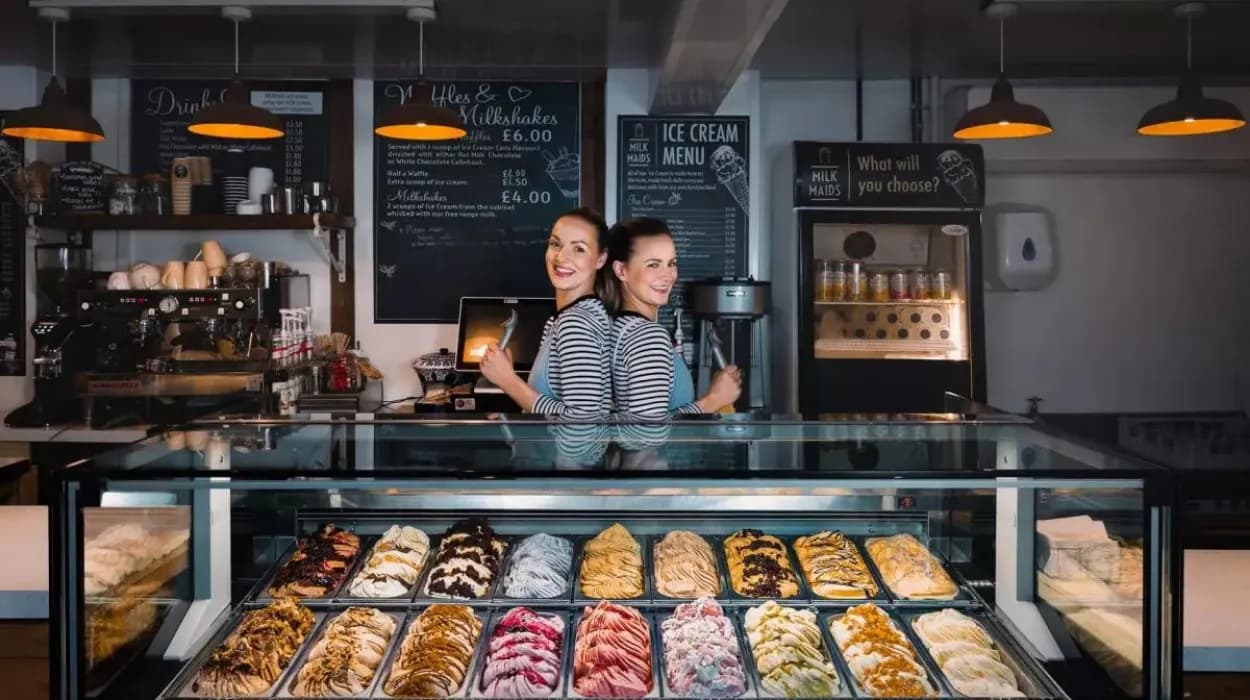
Westhoughton is one of the most welcoming market towns in the Metropolitan Borough of Bolton, Greater Manchester. While the town is widely recognised for its industrial heritage, historic churches, and traditional Lancashire character, it has also developed a thriving independent food scene. Among its strongest attractions are locally owned dessert shops, bakeries, cafés, and family-run businesses that reflect changing British dining habits while preserving the area's long-standing culture of hospitality.
Modern dessert venues in Westhoughton combine traditional British baking with international influences such as Italian gelato, Belgian waffles, American-style cheesecakes, Middle Eastern sweets, and artisan coffee culture. Many businesses occupy premises within the historic commercial centre, creating a link between Victorian high streets and contemporary independent retail.
For visitors exploring Bolton, these dessert destinations provide convenient places to experience local hospitality while supporting independent businesses that contribute to the town's economy.
Why is Westhoughton becoming a popular destination for dessert lovers visiting Bolton?
Westhoughton has become a recognised dessert destination because it combines independent cafés, traditional bakeries, modern dessert parlours, excellent transport connections, and a historic market-town atmosphere. These factors create an accessible visitor experience that complements Bolton's wider cultural and culinary attractions throughout the year.
Westhoughton lies approximately five miles southwest of Bolton town centre and benefits from direct rail connections to Manchester, Wigan, and Southport. The town also sits close to the M61 motorway, making it easily accessible for day visitors.
Historically, market towns developed around weekly markets where food traders sold baked goods, dairy products, and confectionery. Although modern retail has transformed these traditions, independent food businesses remain central to Westhoughton's identity.
The town's commercial centre continues to support locally owned cafés, bakeries, and dessert businesses rather than relying exclusively on national chains. This independent business culture gives visitors a more distinctive experience.
The growth of Britain's café culture during the early twenty-first century has encouraged businesses to expand beyond traditional tea rooms into specialist dessert venues offering handcrafted products prepared daily.
Visitors often combine dessert stops with shopping, heritage walks, and visits to nearby attractions across Bolton.
To experience this historic market town in person today, consult our comprehensive [History of Traditional Bakeries in Westhoughton] for itineraries and visiting parameters.
What makes independent dessert shops important to Westhoughton's local character?
Independent dessert shops preserve traditional hospitality, strengthen local employment, encourage community interaction, and maintain the commercial vitality of Westhoughton's historic shopping streets. Their presence supports sustainable town-centre economies while offering distinctive visitor experiences unavailable through national retail chains.
Independent businesses have long formed the backbone of Lancashire market towns.
Before supermarkets became widespread during the second half of the twentieth century, most residents purchased cakes, bread, pastries, and sweets from local family-owned bakeries.
Many of today's dessert businesses continue this tradition through small-scale production, personalised customer service, and locally adapted menus.
Independent ownership also encourages innovation. Businesses regularly introduce seasonal desserts, locally inspired recipes, and limited-edition creations reflecting changing customer preferences.
Economic research consistently shows that spending within independent businesses generates greater local economic circulation because profits remain within the community through employment, supplier purchases, and local investment.
For visitors, these establishments offer an authentic sense of place rather than a standardised national experience.
Which traditional British desserts can visitors expect to find in Westhoughton?
Visitors commonly find classic British desserts including Victoria sponge, sticky toffee pudding, Bakewell tart, scones, bread-and-butter pudding, custard slices, Eccles cakes, examples including Lancashire recipes, alongside contemporary interpretations served in cafés and dessert parlours.
Traditional British desserts remain an important part of café menus throughout Greater Manchester.
Victoria sponge originated during the Victorian period and remains one of Britain's best-known cakes. It consists of two layers of sponge filled with jam and buttercream.
Sticky toffee pudding became nationally popular during the twentieth century and typically includes sponge cake served with hot toffee sauce.
Bakewell tart originated in Derbyshire but has become widely available throughout England.
Lancashire's own baking traditions influence many local bakeries. Eccles cakes, examples including currant-filled flaky pastries, remain closely associated with Greater Manchester.
Fresh scones served with butter, jam, and cream continue Britain's afternoon tea tradition.
Many cafés also prepare homemade cheesecakes, brownies, millionaire's shortbread, and traditional traybakes using locally sourced dairy products where possible.
How have international dessert traditions influenced Westhoughton's food scene?
International dessert traditions have expanded Westhoughton's culinary diversity through Italian gelato, Belgian waffles, American cheesecakes, French pastries, Turkish sweets, examples including baklava, and premium coffee culture while complementing established British baking traditions rather than replacing them.
British dessert culture has become increasingly international during the last three decades.
Italian-style gelato differs from conventional ice cream because it contains less fat and is churned more slowly, creating a denser texture.
Belgian waffles have become a staple of modern dessert parlours, typically served with chocolate sauces, fresh fruit, and whipped cream.
American desserts such as New York cheesecake, cookie dough, brownies, and thick milkshakes have gained widespread popularity among younger customers.
French-inspired pastries, including croissants and macarons, appear in artisan cafés serving speciality coffee.
Middle Eastern desserts such as baklava introduce honey, pistachios, and filo pastry to local menus.
Rather than replacing British desserts, these international influences broaden consumer choice while encouraging culinary innovation.
How do local bakeries preserve Westhoughton's food heritage?
Local bakeries preserve food heritage by maintaining traditional baking techniques, producing fresh goods daily, supporting regional recipes, employing skilled bakers, and serving communities from historic commercial premises that continue longstanding retail traditions across the town centre.
Bakeries have served Lancashire communities for centuries.
Before industrial food production expanded nationally, bread and cakes were prepared locally each morning using regional flour and dairy products.
Many independent bakeries continue this pattern through fresh daily production.
Traditional recipes often remain central to their offerings despite modern equipment improving efficiency.
Local bakeries also contribute to cultural continuity by supplying celebration cakes for birthdays, weddings, and community events.
These businesses maintain relationships with generations of customers, creating continuity between historic and modern commercial life.
For visitors, traditional bakeries offer opportunities to sample authentic regional baking alongside contemporary products.
What role does café culture play in Westhoughton's visitor experience?
Café culture encourages longer visits, supports independent retail, provides social gathering spaces, and enhances tourism by combining quality refreshments with relaxed environments that complement shopping, heritage exploration, and local community life throughout the year.
Modern cafés function as social spaces rather than simply food outlets.
Throughout Britain, independent cafés contribute significantly to town-centre regeneration by attracting regular visitors who also support nearby shops.
Westhoughton's cafés provide comfortable meeting places for residents, commuters, students, and tourists.
Many establishments specialise in artisan coffee prepared using espresso-based methods developed in Italy before expanding globally.
Coffee culture has also encouraged businesses to invest in premium desserts that pair naturally with speciality beverages.
Seasonal menus featuring autumn cakes, festive desserts, and summer ice cream create repeat visitation throughout the year.
Why do dessert businesses contribute to Westhoughton's local economy?
Dessert businesses generate employment, attract tourism spending, strengthen independent retail, encourage repeat visits, support regional suppliers, and improve commercial resilience by increasing customer activity across Westhoughton's historic shopping areas throughout every trading season.
Hospitality represents an important component of Britain's service economy.
Independent cafés and dessert parlours create employment opportunities across food preparation, customer service, management, cleaning, and supply chains.
Visitor spending extends beyond desserts.
Customers frequently purchase additional goods from nearby retailers, benefiting the wider town centre.
Local sourcing also strengthens regional agriculture and food production where businesses purchase dairy products, eggs, flour, fruit, and seasonal ingredients from nearby suppliers.
Successful food businesses enhance destination branding by giving towns memorable culinary identities that encourage recommendations through travel guides and online reviews.
What should visitors consider when planning a dessert tour around Westhoughton?
Visitors benefit from exploring the town centre on foot, combining dessert stops with heritage attractions, supporting independent businesses, checking seasonal opening hours, and allowing sufficient time to experience Westhoughton's broader cultural and commercial environment.
Westhoughton's compact commercial centre makes walking practical for most visitors.
Combining cafés with independent shops creates a fuller understanding of the town's character.
Morning visits often provide the widest bakery selection because many products are prepared fresh each day.
Afternoon remains the busiest period for dessert parlours serving waffles, milkshakes, and ice cream.
Visitors should also consider seasonal menus, as many businesses introduce limited-edition desserts reflecting holidays, local celebrations, and changing produce availability.
Supporting independent businesses contributes directly to preserving Westhoughton's distinctive commercial identity.
How does Westhoughton compare with other dessert destinations across Greater Manchester?
Westhoughton offers a smaller-scale, community-focused dessert experience distinguished by independent ownership, historic surroundings, personalised service, and accessible transport links, contrasting with larger city-centre food districts while maintaining high-quality culinary standards.
Greater Manchester contains numerous food destinations, including Manchester city centre, Salford, Bury, and Bolton.
Westhoughton's advantage lies in its manageable scale.
Visitors can comfortably explore the commercial centre within a single afternoon.
The town retains many characteristics associated with traditional Lancashire communities, including locally owned retailers and welcoming customer service.
Unlike major urban centres where national chains dominate, Westhoughton's independent businesses provide greater individuality.
This environment appeals to travellers seeking authentic local experiences rather than high-volume commercial districts.
Its convenient location also makes the town an easy addition to broader Bolton travel itineraries.
How is Westhoughton's dessert culture likely to develop in the future?
Westhoughton's dessert sector continues evolving through artisan production, sustainable sourcing, premium ingredients, digital ordering, seasonal innovation, examples including vegan desserts, reduced-sugar recipes, and locally inspired specialities while preserving independent business traditions.
Consumer expectations continue changing across Britain's hospitality industry.
Many businesses increasingly offer vegetarian, vegan, gluten-free, and reduced-sugar desserts to meet broader dietary requirements.
Environmental sustainability has also become more significant.
Independent cafés increasingly reduce single-use plastics, encourage reusable cups, and source ingredients responsibly.
Digital technology enables online ordering, loyalty programmes, and social media marketing that expand customer reach beyond traditional advertising.
Despite technological change, the core strengths of Westhoughton's dessert culture remain consistent.
Fresh preparation, independent ownership, welcoming hospitality, and strong community relationships continue defining the town's reputation.
These characteristics provide resilience against changing retail trends while strengthening Westhoughton's position within Bolton's wider tourism economy.
Westhoughton demonstrates how a historic Lancashire market town can preserve its local identity while embracing modern culinary trends. Its dessert shops, bakeries, cafés, and independent food businesses represent more than places to enjoy sweet treats. They continue centuries of commercial tradition rooted in hospitality, craftsmanship, and community engagement.
Visitors exploring Bolton benefit from including Westhoughton within their itinerary because the town offers an authentic combination of heritage streets, locally owned businesses, and diverse dessert experiences. Traditional British baking sits comfortably alongside international influences, reflecting the evolution of contemporary food culture without losing regional character.
As independent businesses continue investing in quality ingredients, seasonal creativity, and sustainable practices, Westhoughton's dessert scene remains an important contributor to both the local economy and the visitor experience. This combination of history, hospitality, and culinary diversity ensures that the town will remain one of Bolton's most rewarding destinations for travellers seeking memorable desserts in an authentic Lancashire setting.
FAQS
What are the best dessert shops in Westhoughton?
Westhoughton is home to a variety of independent dessert parlours, bakeries, cafés, and ice cream shops offering waffles, cakes, cheesecakes, gelato, milkshakes, and artisan coffee.