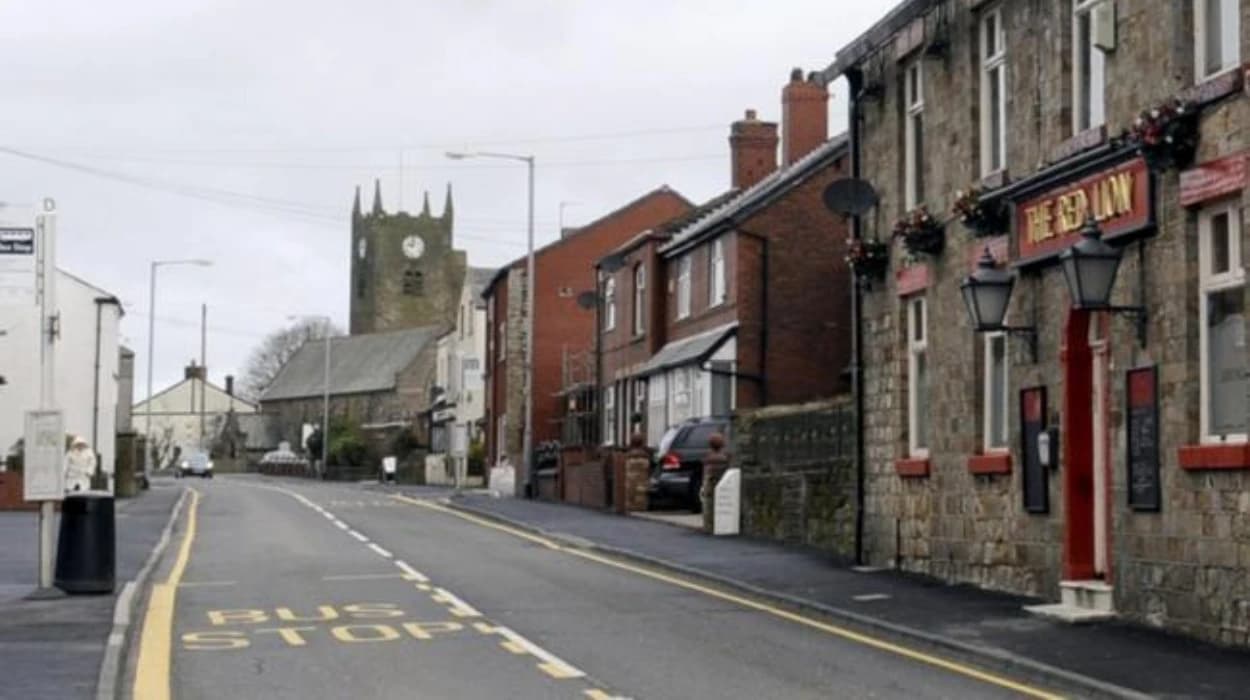
Blackrod is one of the oldest settlements in the western part of present-day Bolton. Positioned on historic transport routes linking Lancashire with neighboring counties, the village developed from an early medieval agricultural community into an industrial-era settlement and ultimately a modern residential community within the Metropolitan Borough of Bolton. Its history reflects wider changes in English society, including feudal administration, religious transformation, industrialization, railway expansion, urban governance reforms, and heritage preservation. Understanding Blackrod provides valuable insight into how local communities in Lancashire adapted to nearly a thousand years of economic, social, and political change.
What is the historical significance of Blackrod?
Blackrod is historically significant because it preserves evidence of medieval settlement, agricultural development, transport networks, industrial growth, and local governance changes that shaped western Lancashire and later Bolton. Its continuity of occupation spans several centuries and reflects broader regional historical transformations.
Blackrod is a village and civil parish located west of Bolton in Greater Manchester. Historically, it formed part of the county of Lancashire before local government reorganization in 1974 placed it within the Metropolitan Borough of Bolton.
The settlement occupies a strategic position near historic routes connecting Manchester, Wigan, Chorley, and Preston. This location contributed significantly to its long-term development. Villages positioned on transport corridors often became centers for trade, communication, and agricultural exchange. Blackrod followed this pattern throughout its history.
The name Blackrod appears in historical records dating to the medieval period. Linguistic analysis suggests origins linked to Old English place-name elements describing landscape features. Such place names provide evidence for early settlement activity across Lancashire following Anglo-Saxon expansion into the region.
Blackrod's significance also derives from its survival as a distinct community despite substantial urban growth throughout Greater Manchester. Many historic villages were absorbed completely into expanding industrial towns. Blackrod retained a recognizable identity while adapting to modern administrative structures.
Its surviving churches, historic road alignments, railway connections, and residential areas collectively illustrate multiple phases of English local history.
How did Blackrod originate in the medieval period?
Blackrod emerged as a medieval agricultural settlement within Lancashire's manorial system, supported by farming, local landholding structures, and regional trade routes. Documentary evidence from medieval records confirms its existence as an established community several centuries before industrialization transformed northern England.
The origins of Blackrod are rooted in the medieval landscape of Lancashire. During the Norman and post-Norman periods, much of the region operated through manorial administration. Land ownership, agricultural production, taxation, and local justice were organized through these structures.
By the twelfth and thirteenth centuries, Blackrod functioned as a settled rural community. Medieval inhabitants primarily relied on agriculture. Farming included grain cultivation, livestock grazing, and associated rural industries.
The surrounding countryside provided arable land suitable for crops and pasture. Agricultural production formed the foundation of local economic life for hundreds of years before industrial activity became dominant.
Medieval Lancashire experienced gradual population growth. As settlements expanded, communities such as Blackrod developed local institutions that supported social stability.
What role did religion play in medieval Blackrod?
Religion formed a central element of medieval life. Parish structures connected local populations to wider ecclesiastical administration.
Church attendance, religious festivals, and parish obligations shaped the annual calendar. The church also served administrative and social functions beyond worship.
Ecclesiastical records provide historians with valuable evidence regarding population patterns, land ownership, and community organization.
How was medieval society organized in Blackrod?
Medieval society operated through hierarchical structures involving landowners, tenant farmers, craftsmen, and laborers.
Most residents worked directly or indirectly within agriculture. Economic relationships depended on land access and obligations between tenants and landholders.
These systems remained influential until major economic and political transformations reshaped England during later centuries.
Why did transport routes become important to Blackrod's development?
Blackrod's location along important regional transport corridors encouraged trade, movement, and economic growth. Roads, coaching routes, canals in the wider region, and later railways connected the village to expanding industrial markets across Lancashire and beyond.
Geography played a decisive role in Blackrod's development. Settlements located near major routes often benefited from increased economic activity.
Historically, roads linking Manchester with western Lancashire passed near Blackrod. These routes enabled the movement of goods, livestock, agricultural produce, and travelers.
As commerce expanded during the early modern period, transport infrastructure became increasingly important.
How did road networks influence growth?
Improved roads reduced travel times and increased commercial opportunities.
The eighteenth century witnessed substantial investment in turnpike roads throughout England. Turnpike trusts collected tolls to fund maintenance and upgrades.
Better roads allowed local producers to reach larger markets. Agricultural goods could be transported more efficiently to growing urban populations.
Improved connectivity also encouraged population mobility and commercial exchange.
What impact did the railway have on Blackrod?
Railway expansion transformed many Lancashire communities during the nineteenth century.
The arrival of rail services connected Blackrod directly to industrial centers and employment opportunities.
Rail transport reduced journey times dramatically compared with horse-drawn travel.
The station became an important asset for residents, businesses, and regional commerce. Improved accessibility encouraged residential growth and integrated Blackrod more closely into the wider Lancashire economy.
How did the Industrial Revolution affect Blackrod?
The Industrial Revolution altered Blackrod through population growth, employment diversification, improved transport infrastructure, and closer integration with Lancashire's manufacturing economy. Although less industrialized than major mill towns, the village experienced significant economic and social change.
The Industrial Revolution transformed northern England between the late eighteenth and nineteenth centuries.
Lancashire became one of the world's most important manufacturing regions. Textile production, coal mining, engineering, and transport infrastructure expanded rapidly.
Blackrod participated in these wider regional changes.
While nearby industrial centers developed extensive factory districts, Blackrod maintained a mixed economic character. Residents increasingly worked in industrial occupations while retaining connections to traditional rural activities.
How did employment patterns change?
Industrialization created new forms of work.
Residents gained access to employment in factories, workshops, transport services, mining operations, and related industries.
Economic diversification reduced dependence on agriculture alone.
The growth of nearby industrial towns increased commuting opportunities and strengthened regional economic integration.
How did industrialization affect housing?
Population growth created demand for additional housing.
New residential developments appeared during the nineteenth century.
Workers required accommodation near employment opportunities and transport connections.
The resulting built environment reflected changing economic conditions and population needs.
Many surviving nineteenth-century structures continue to contribute to Blackrod's architectural character.
What historic buildings and landmarks define Blackrod?
Blackrod contains several important historic structures that illustrate its religious, civic, residential, and transport heritage. These buildings provide tangible evidence of the village's development from a medieval settlement into a modern community while preserving important architectural traditions.
Historic buildings serve as physical records of community development.
Blackrod retains structures associated with multiple historical periods.
Religious buildings represent some of the most prominent landmarks.
Church architecture often reflects changing styles, local prosperity, and community priorities.
Public buildings, historic residences, and transport-related structures also contribute to the area's heritage significance.
Why is St Katharine's Church important?
St Katharine's Church is one of Blackrod's most significant historic landmarks.
The church reflects centuries of religious life and community development.
Its architecture incorporates features associated with different phases of construction and renovation.
Church records provide valuable information for historians and genealogical researchers investigating local family histories.
What other historic features survive?
Historic road alignments, stone buildings, memorials, and traditional housing contribute to Blackrod's heritage landscape.
These surviving elements demonstrate how settlement patterns evolved over time.
To experience these historic landmarks in person today, consult our comprehensive [A Local Guide to Blackrod: Walks, Historic Spots, and Everyday Hidden Gems] for itineraries and visiting parameters.
Preservation efforts help ensure that these features remain accessible to future generations.
How did governance and administration change over time?
Blackrod transitioned from medieval manorial administration to modern local government through centuries of political reform. Changes in parish organization, municipal governance, and national legislation gradually reshaped how the community was managed and represented.
English local government evolved substantially between the medieval period and the modern era.
Early administration relied heavily on manorial institutions and parish structures.
Over time, growing populations and increasing economic complexity created demand for more formal governance systems.
What reforms affected Blackrod?
Several major reforms reshaped local administration.
The nineteenth century introduced significant changes to public health, local representation, infrastructure management, and municipal organization.
National legislation created more standardized systems of local governance across England.
These reforms improved oversight of sanitation, roads, housing, and public services.
How did Blackrod become part of modern Bolton?
The most significant modern administrative change occurred during local government reorganization in 1974.
This reform established the Metropolitan Borough of Bolton within Greater Manchester.
Blackrod became part of this new administrative structure while retaining its local identity.
The change reflected broader efforts to align governance boundaries with economic and urban realities.
How did education and community institutions develop in Blackrod?
Education and community institutions expanded significantly during the nineteenth and twentieth centuries, reflecting national reforms and population growth. Schools, churches, civic organizations, and recreational facilities strengthened community identity and social development.
Educational opportunities were limited during much of the medieval and early modern periods.
The nineteenth century brought substantial educational reform across England.
Schools became increasingly important as literacy rates rose and compulsory education expanded.
What role did schools play?
Schools contributed to social mobility and workforce development.
They provided instruction in literacy, numeracy, and practical skills.
Educational institutions also became important community centers.
Successive generations benefited from improved access to learning opportunities.
How did community organizations contribute?
Religious groups, charitable organizations, sports clubs, and civic associations helped strengthen social connections.
These institutions provided support networks and opportunities for participation in community life.
Collectively, they contributed to the development of a strong local identity that continues today.
What does Blackrod reveal about Lancashire's wider history?
Blackrod illustrates major themes in Lancashire history, including agricultural settlement, medieval administration, transport development, industrialization, urban expansion, and heritage preservation. The village provides a local case study of broader historical processes that transformed northern England.
Local history often reflects larger regional patterns.
Blackrod demonstrates how small settlements adapted to changing economic and social conditions over centuries.
Lancashire experienced dramatic transformations between the medieval period and the modern era.
The village's history mirrors many of these developments.
How does Blackrod reflect agricultural Lancashire?
Before industrialization, agriculture dominated economic life.
Blackrod's early development followed patterns common across rural Lancashire.
Farming shaped settlement patterns, land use, and social structures.
Agricultural foundations remained important even as industrial employment expanded.
How does Blackrod reflect industrial Lancashire?
Industrial growth transformed regional economies.
Improved transport, manufacturing expansion, and population growth reshaped communities throughout Lancashire.
Blackrod participated in these changes while maintaining characteristics of a historic village.
This combination of continuity and adaptation makes it an important example of Lancashire's historical evolution.
Why does Blackrod's history remain relevant today?
Blackrod's history remains relevant because it demonstrates how communities adapt to economic, political, and technological change while preserving local identity. Historic buildings, archival records, and surviving landscapes continue to support education, tourism, heritage research, and community engagement.
Historical understanding helps explain contemporary landscapes.
Roads, neighborhoods, public institutions, and administrative boundaries often have deep historical roots.
Blackrod provides a clear example of long-term community continuity.
Its development illustrates how local decisions interact with national economic and political changes.
How does heritage support education and research?
Historical records support multiple forms of research.
Genealogical researchers use parish registers, census returns, and local archives to trace family histories.
Academic researchers examine settlement development, industrialization, and governance change.
Educational institutions use local history to connect students with broader historical themes.
What preservation efforts protect Blackrod's heritage?
Conservation policies, heritage organizations, and local community initiatives help preserve historic assets.
Historic buildings receive protection through planning frameworks and heritage designation processes.
Archival collections preserve documentary evidence for future study.
These efforts ensure that Blackrod's historical record remains accessible and relevant.
Blackrod's history spans nearly a millennium of social, economic, and political change. From its origins as a medieval agricultural settlement within historic Lancashire, the village evolved through periods of religious transformation, transport expansion, industrial growth, educational development, and administrative reform. Its location on important regional routes connected it to wider economic networks, while its institutions and built environment preserved a strong local identity.
Today, Blackrod remains an important part of the Metropolitan Borough of Bolton. Historic churches, traditional streetscapes, transport links, archival records, and community institutions continue to demonstrate how the settlement adapted to changing circumstances across centuries. For historians, educators, cultural tourists, genealogical researchers, and heritage preservationists, Blackrod offers a valuable case study in the long-term evolution of English local communities and the enduring relationship between place, identity, and historical continuity.
FAQS
How old is Blackrod?
Blackrod's origins date back to the medieval period, with historical records indicating it existed as an established settlement by the 12th and 13th centuries. Its history likely extends even earlier through Anglo-Saxon occupation of the area.