Key Points
- Free Community Access: Farnworth Library is hosting monthly 'Tea and T’internet' drop-in sessions, offering free hot drinks and tailored digital skills support to local residents.
- Flexible Support Schedule: The drop-in events take place on the third Monday of every month between 2:00 pm and 4:00 pm, requiring no prior booking.
- Personalised One-to-One Guidance: Friendly digital helpers provide tailored assistance for smartphones, tablets, and laptops, covering device setup, email creation, job applications, and online safety.
- Borough-Wide Digital Inclusion Network: The Farnworth scheme forms part of a broader Bolton Council initiative operating across Central, Harwood, Horwich, and Little Lever libraries.
- Healthcare Integration: The sessions assist residents in navigating digital health tools, including setting up the NHS App, ordering repeat prescriptions, and accessing medical portals.
- Wider Council Schemes: Attendees can also access free equipment loans via the Bolton Digital Lending Library, free mobile data SIM cards through the National Databank, and advice on discounted social broadband tariffs.
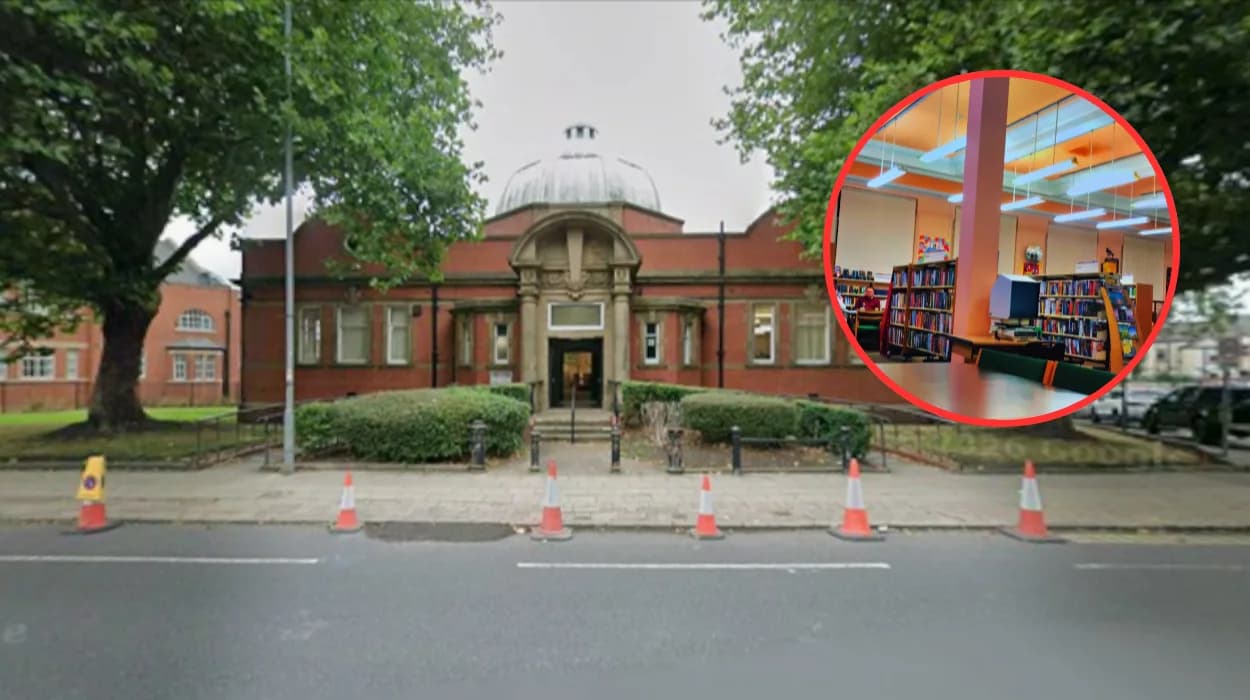
Farnworth (Bolton Today) July 22, 2026 - Residents across Farnworth and the wider Bolton area are being invited to boost their technology confidence while enjoying a complimentary hot beverage at Farnworth Library’s monthly 'Tea and T’internet' drop-in sessions.
The initiative, designed to provide accessible, low-pressure technology support to community members of all experience levels, offers one-to-one assistance from dedicated digital helpers. As reported by Maddie Avery of The Bolton News, the informal monthly gatherings aim to tackle local digital exclusion by equipping residents with the core skills needed to navigate an increasingly online world. Whether individuals bring their own smartphones, tablets, or laptops, or require general digital advice, the drop-in sessions provide free guidance tailored to personal requirements.
What is the 'Tea and T’internet' initiative at Farnworth Library?
The 'Tea and T’internet' initiative is a community-focused scheme designed to demystify digital technology for individuals who feel overwhelmed or excluded by modern digital systems. Held in the comfortable surrounding of Farnworth Library, the project pairs local learners with patient, knowledgeable digital helpers over a hot drink.
As reported by Maddie Avery of The Bolton News, the session structure is deliberately informal, allowing attendees to ask questions without fear of judgment or pressure. Many older residents or non-digital natives often find commercial technical support overwhelming or costly; 'Tea and T’internet' removes these barriers by offering free, local, face-to-face contact.
By combining community socialising with practical learning, the programme creates an encouraging space where participants can build their digital self-reliance step by step. The warm atmosphere ensures that learners can progress at their own pace, returning each month to reinforce their knowledge or troubleshoot new technological hurdles.
What specific digital skills and device help are provided to residents?
The scope of support available at Farnworth Library spans a wide array of everyday digital activities. As reported by Maddie Avery of The Bolton News, digital helpers work directly with residents to address their specific goals, whether they are complete novices acquiring their first mobile device or individuals seeking to expand their existing skill set.
The primary areas of assistance available during the drop-in sessions include:
- Initial Device Setup: Configuring new smartphones, laptops, or tablets, adjusting font sizes and accessibility settings, and connecting safely to local Wi-Fi networks.
- Communication & Connectivity: Creating new email accounts, managing existing inboxes, and learning how to use video-calling tools to keep in touch with distant relatives and friends.
- Online Safety & Cybersecurity: Identifying potential scam emails, managing safe password hygiene, and learning how to browse the internet securely without risking personal data.
- Employment & Career Support: Searching for local employment vacancies, uploading curriculum vitae (CVs), and completing online job applications.
- Essential Administrative Tasks: Completing municipal forms, managing utility bills, and shopping safely online.
How do digital helpers assist residents with healthcare access and the NHS App?
In addition to day-to-day computing tasks, health literacy has become a central focus of local digital training. As highlighted in health bulletin reports published by The Dunstan Partnership, staff and volunteers at the library drop-in sessions assist patients in utilizing digital healthcare tools.
With general practitioner surgeries and NHS services increasingly migrating to digital platforms, residents can receive hands-on help setting up and navigating the official NHS App. During 'Tea and T’internet' drop-ins, participants learn how to turn on app notifications, request repeat prescriptions online, review appointment schedules, and view medical histories. Furthermore, helpers assist local patients with specialized healthcare tools, such as the newly launched Diabetic Eye Screening Patient Portal, ensuring that vulnerable residents remain connected to essential health services.
Explore More Farnworth News
Farnworth Town Hall To Host Local Councillor Surgery Session, Farnworth 2026
Royal Bolton Hospital Drop-Off Zone Plan Advances in Bolton 2026
How does 'Tea and T'internet' aim to bridge the digital divide in Bolton?
Digital exclusion remains a significant socioeconomic challenge across the United Kingdom, particularly within communities affected by economic inequality or shifting demographic trends. As reported by Maddie Avery of The Bolton News, the overarching objective of the 'Tea and T’internet' initiative is to bridge the digital divide, ensuring that all residents can take advantage of the social, financial, and educational opportunities presented by digital connectivity.
When essential service providers—ranging from banking institutions and local council departments to utility companies—transition away from physical branches toward digital-first models, individuals without digital skills risk becoming marginalized.
The drop-in sessions actively counteract these barriers by establishing equitable access to skills. By restoring digital autonomy to older citizens, jobseekers, and low-income families, the programme prevents vulnerable residents from suffering systemic isolation or economic disadvantage.
What additional digital support resources does Bolton Council offer?
The 'Tea and T’internet' sessions operate alongside a suite of complementary digital inclusion projects coordinated by Bolton Digital, Employment and Skills (DES). For residents who require hardware, mobile data, or affordable internet, the local authority provides several supporting frameworks.
What is the Bolton Digital Lending Library?
According to official public guidance published by Bolton Digital, Employment and Skills (DES), residents enrolled in learning courses or seeking work who lack computer equipment at home can borrow hardware free of charge. The Bolton Digital Lending Library maintains a stock of Samsung Tablets and Chromebooks available for temporary personal loan, subject to a referral from a partner community organization. Individuals borrowing devices can schedule dedicated one-to-one sessions with digital helpers to master operating systems before taking equipment home.
How can low-income residents access free mobile data through the National Databank?
To alleviate digital poverty caused by the rising cost of living, Bolton Council collaborates with the National Databank to distribute free mobile connectivity. According to public announcements released by Bolton DES, eligible low-income residents who lack home internet or cannot afford mobile data top-ups can receive a free SIM card providing up to 20GB of data, alongside calls and texts.
To streamline service delivery and reduce drop-in wait times, Bolton DES established a dedicated National Databank Drop-In every Friday from 2:00 pm to 4:00 pm at Bolton Central Library, alongside monthly distribution points across local library branches.
What other local initiatives support digital literacy and device access?
Further practical resources integrated into Bolton’s digital framework include:
- Social Broadband Tariffs: As detailed by Bolton DES, staff offer guidance on applying for discounted broadband packages available to benefit recipients, which can save households approximately £180 per year.
- Recycle-IT! Equipment Scheme: Operating from Bolton Market Place, the Recycle-IT! social enterprise accepts donated computer hardware, refurbishing devices to supply low-cost equipment to local households while reducing electronic waste.
- Accredited Digital Qualifications: Through national learning portals such as Learn My Way and the Inspiring Digital Enterprise Award (iDEA), residents can earn accredited digital badges—including an exclusive 'Digital Bolton' badge—to enhance their personal development and job prospect credentials.