Key Points
- Planning Application Under Review: Bolton Council’s planning committee is set to rule on a controversial proposal to convert existing industrial units at Halliwell Business Park into a new events venue.
- Lavish Intentions: The developers aim to build a "smart, elegant and lavish" multi-use space suitable for weddings, corporate gatherings, and community celebrations.
- Community Resistance: Local residents and business owners have lodged formal objections, citing potential disruptions involving anti-social behaviour, unmanageable traffic, and littering.
- Acoustic and Firework Concerns: Serious anxieties have been raised regarding late-night noise pollution and the disruptive deployment of celebratory fireworks in a highly built-up locality.
- Economic versus Environmental Balance: Proponents argue the venue will bring vital jobs and economic regeneration to Halliwell, while opponents claim the infrastructure cannot support the influx of visitors.
Halliwell (Bolton Today) July 7, 2026 - A controversial planning application that seeks to transform industrial spaces within Halliwell Business Park into a high-end events venue has reached a critical juncture, with Bolton Council's planning officials preparing to hand down a definitive decision. The project has sparked an intense civil debate in the community, setting the developer's promises of commercial revitalization and premium hospitality against local residents' stark anxieties regarding environmental disruption. As municipal planners review the final submissions, documentation shows that a split has formed between those welcoming economic investment and a vocal contingent of neighbours terrified that their quiet evenings will be replaced by parking chaos, late-night music, and celebratory fireworks.
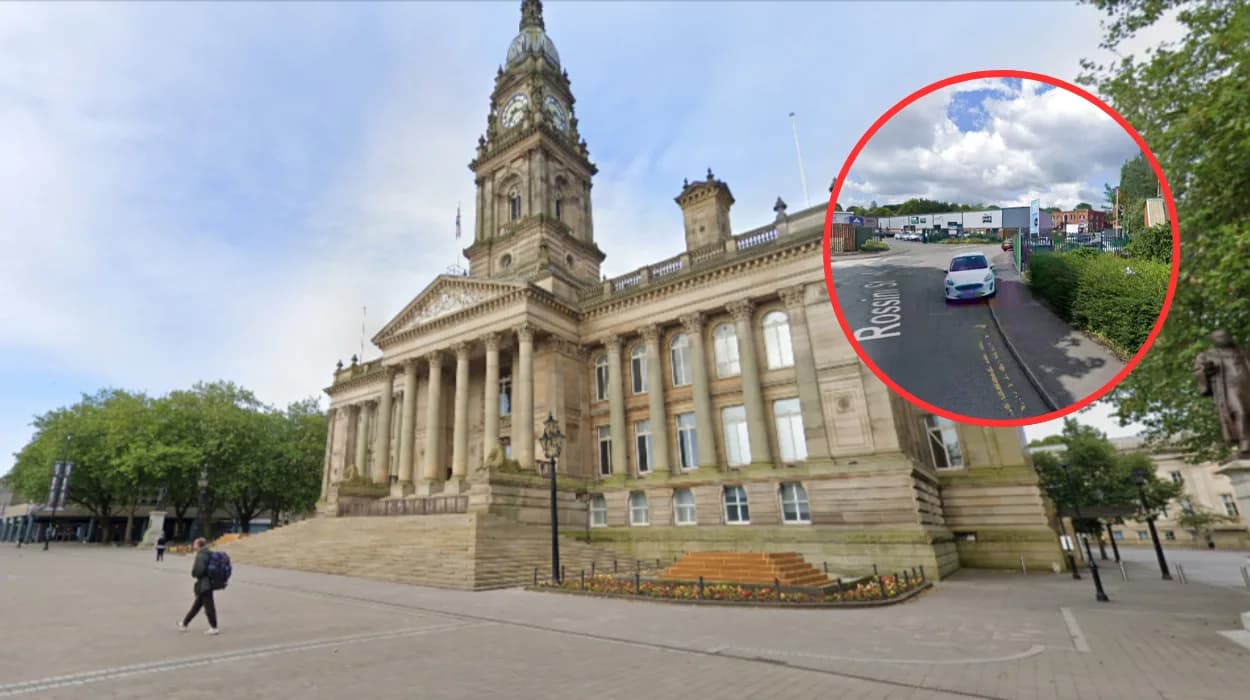
The application proposes a comprehensive change of use for the industrial site located off Rossini Street, transforming the area into a hub for large-scale social events, weddings, and corporate functions. According to public planning files, the venue intends to cater to hundreds of guests per event, a scale that local objectors claim is entirely incompatible with the surrounding narrow street network and adjacent residential blocks. With both sides submitting extensive arguments, the impending decision by the local authority will serve as a bellwether for how the borough balances industrial preservation, commercial growth, and residential amenity.
What are the specific details of the proposed Halliwell Business Park development?
The core of the planning application revolves around a dramatic structural and operational transition for the units situated within the historic Halliwell Business Park. As originally detailed in preliminary structural reports, the project looks to convert conventional light-industrial warehouses into a luxury banquet and meeting hall. The architectural blueprints submitted to the local authority describe a facility complete with modern interior staging, advanced lighting arrays, acoustic baffling, and dedicated catering preparation zones.
The developers have consistently maintained that the venue fills a distinct void in the local market. In the initial planning statements submitted to municipal officers, the applicant's agent argued that Bolton lacks high-calibre, accessible indoor spaces capable of hosting multi-faith weddings and large-scale corporate conferences without forcing residents to travel to Manchester or Blackburn. The layout design emphasizes a versatile floor plan with retractable partitions, allowing the space to seamlessly transition from an intimate community workshop during daylight hours to an expansive dining hall by evening.
Financially, the developers assert that the transition represents a higher-value use of the property compared to standard storage or mechanical workshops. The planning documents highlight that the venture will require a significant capital layout, which will be spent directly on local contractors for masonry, electrical engineering, and luxury interior design. Furthermore, proponents argue that an elegant events space will act as a prestige asset for Halliwell, drawing affluent visitors who will subsequently patronise nearby retail businesses, petrol stations, and lodging facilities.
Why are local residents objecting to the new events venue?
Despite the promises of economic upliftment, the proposal has encountered stiff resistance from people living in the immediate vicinity of Rossini Street and the broader Halliwell ward. Formal objection letters uploaded to the Bolton Council planning portal outline a long list of grievances, with the primary focus directed at the sheer scale of the operation. Neighbors argue that introducing a high-capacity hospitality venue into an active business park will inevitably result in a clash of uses, particularly during weekend hours when residential peace is highly valued.
A major point of contention highlighted by local community groups is the risk of escalating anti-social behaviour. Residents fear that a licensed venue operating late into the night will lead to large crowds spilling out into the streets, doors slamming, and shouting as patrons exit the premises. Letters from families living on nearby residential arteries describe fears that their children's sleep schedules will be completely shattered by the operational hours of the hall. There is also widespread skepticism regarding the venue's ability to police its own client base once guests leave the boundaries of the business park.
Litter and environmental degradation form another pillar of the community's opposition. Objectors have pointed out that large events inherently generate vast quantities of commercial waste, ranging from food scraps to single-use plastics and glassware. Local residents argue that Halliwell already suffers from localized fly-tipping and litter management issues, and they fear that windblown rubbish from overflowing commercial bins at the venue will worsen the situation. The presence of late-night fast-food wrappers and discarded party items in nearby alleys is seen by many as an unavoidable consequence if the plans are approved.
Explore More Bolton News
England World Cup Win Sparks All-Night Celebrations Across Bolton 2026
Bolton Pubs Allowed 5am Opening For England World Cup Match, Bolton 2026
How will the events venue impact traffic and parking on Rossini Street?
The logistical realities of hosting large gatherings in an older industrial sector have drawn intense scrutiny from traffic safety analysts and local drivers alike. As reported by Dan Dougherty, a reporter for The Bolton News, fears over traffic congestion and inadequate parking have taken centre stage in the civic opposition to the venue. Rossini Street, which serves as the primary access point to the business park, is a traditional industrial thoroughfare that frequently experiences high volumes of heavy goods vehicle (HGV) movements during the day and suffers from tight physical bottlenecks where it intersects with residential rows.
The parking provisions outlined in the developer's transport assessment have been branded as unrealistic by neighboring business operators. Critics point out that while the venue claims to have access to shared parking bays within the wider business park during evening hours, these spaces are often unlit, poorly marked, or legally reserved for other commercial tenants who maintain 24-hour operations. If the on-site spaces fill up, drivers will have no choice but to seek parking on the surrounding residential side streets, potentially blocking private driveways, narrowing thoroughfares to a single lane, and obstructing emergency service vehicles.
Furthermore, highways department consultations have noted that event arrival and departure patterns differ fundamentally from standard industrial shifts. Rather than a slow, predictable trickle of staff vehicles throughout the day, an events venue generates massive surges of traffic within compressed 30-minute windows—specifically when guests arrive for a ceremony or depart en masse at closing time. Local objectors stress that the surrounding road infrastructure was simply never engineered to handle hundreds of vehicles trying to navigate the same minor junctions simultaneously.
What concerns have been raised about noise pollution and fireworks?
Of all the issues raised by the public, the twin threats of acoustic disruption and the unauthorized use of celebratory fireworks have evoked the most passionate responses. As detailed by Dan Dougherty of The Bolton News, the potential for late-night noise pollution has become a primary source of anxiety for families living within earshot of the business park boundaries. Industrial units are traditionally constructed with single-skin metal cladding or basic brickwork, which possesses remarkably poor acoustic insulation qualities unless heavily modified with specialized soundproofing materials.
Residents are deeply worried that low-frequency bass notes from amplified music, live bands, and public address systems will easily penetrate the venue walls and travel across the open spaces of the business park into local homes. The applicant has submitted a noise management plan promising that all external doors and windows will remain tightly shut during performances and that electronic noise limiters will be hardwired into the sound systems. However, community members remain unconvinced, noting that enforcing such restrictions relies entirely on venue management diligence, which can fluctuate wildly in practice.
The issue of fireworks represents an even more volatile aspect of the debate. In many cultural celebrations and weddings, the launching of loud fireworks is a traditional component of the festivities. In a dense urban area like Halliwell, the unexpected detonation of high-decibel pyrotechnics at midnight can cause severe distress to vulnerable residents, elderly citizens, and domestic pets. Opponents argue that even if the venue institutes a strict ban on fireworks within its immediate curtilage, they cannot legally prevent guests from launching fireworks from adjacent public footpaths or nearby car parks, leaving the community vulnerable to sudden, unregulated audio disruptions.
What are the arguments in favour of approving the venue plans?
While the volume of objections is significant, the planning file also contains representations from individuals and corporate entities who believe the events venue represents a positive step forward for the borough. Supporters view the project through the lens of urban regeneration, arguing that rejecting commercial diversification in an aging industrial estate could lead to long-term economic stagnation. They point out that several units within Halliwell Business Park have historically struggled with structural vacancies, occasionally attracting vandalism and illegal dumping due to lack of footfall.
Proponents emphasize the employment opportunities that a premium events space would inject into the local economy. A operating venue of this magnitude requires a diverse, multi-layered workforce, including:
- Full-time event coordinators and administrative staff
- Professional chefs, kitchen assistants, and licensed bartenders
- Security personnel, parking marshals, and facilities maintenance crews
- Local florists, decorators, and entertainment technicians hired independently by clients
Supporters argue that these jobs would provide flexible, entry-level employment and specialized hospitality training for young people residing within Halliwell and the wider Bolton area.
Furthermore, advocates for the development suggest that fears regarding noise and traffic are frequently exaggerated during the planning phase of any major hospitality project. They contend that modern architectural engineering can completely neutralize acoustic leakage through the installation of secondary acoustic lobbies, heavy-duty dampening insulation, and double-glazed structural glass. From an economic perspective, they argue that instead of driving wealth out of the town, an elegant venue within Bolton boundaries ensures that local disposable income is retained locally, supporting municipal tax bases and fostering community pride.
How will Bolton Council make its final decision on the application?
The determination of the application rests with the members of Bolton Council’s planning committee, who must evaluate the proposal against a complex matrix of local and national planning policies. The committee cannot make a decision based on emotion or unproven assertions; instead, they are legally bound to weigh "material planning considerations." These considerations include statutory highway safety data, verified noise impact assessments, air quality indexes, and the overarching architectural design compatibility with the existing urban landscape.
Planning officers will present a comprehensive report to the elected committee members, compiling all consultation responses from professional bodies alongside the letters of objection and support received from the general public. The highways department will provide a definitive verdict on whether the proposed parking allocation meets the minimum legal threshold for a leisure facility of this capacity, while environmental health officers will deliver an assessment on the viability of the applicant’s proposed soundproofing measures.
If the committee feels that the negative impacts on residential amenity cannot be successfully mitigated through enforceable planning conditions, they are fully empowered to refuse the application outright. Conversely, if the technical data demonstrates that the venue can operate safely without causing severe harm to the local road network or breaching established noise thresholds, the committee may grant approval, albeit attached to a highly restrictive set of legally binding conditions. These conditions would likely restrict the hours of operation, mandate the permanent installation of sound limiters, explicitly ban external pyrotechnics, and require ongoing monitoring by local enforcement officers to ensure total compliance.