Key Points
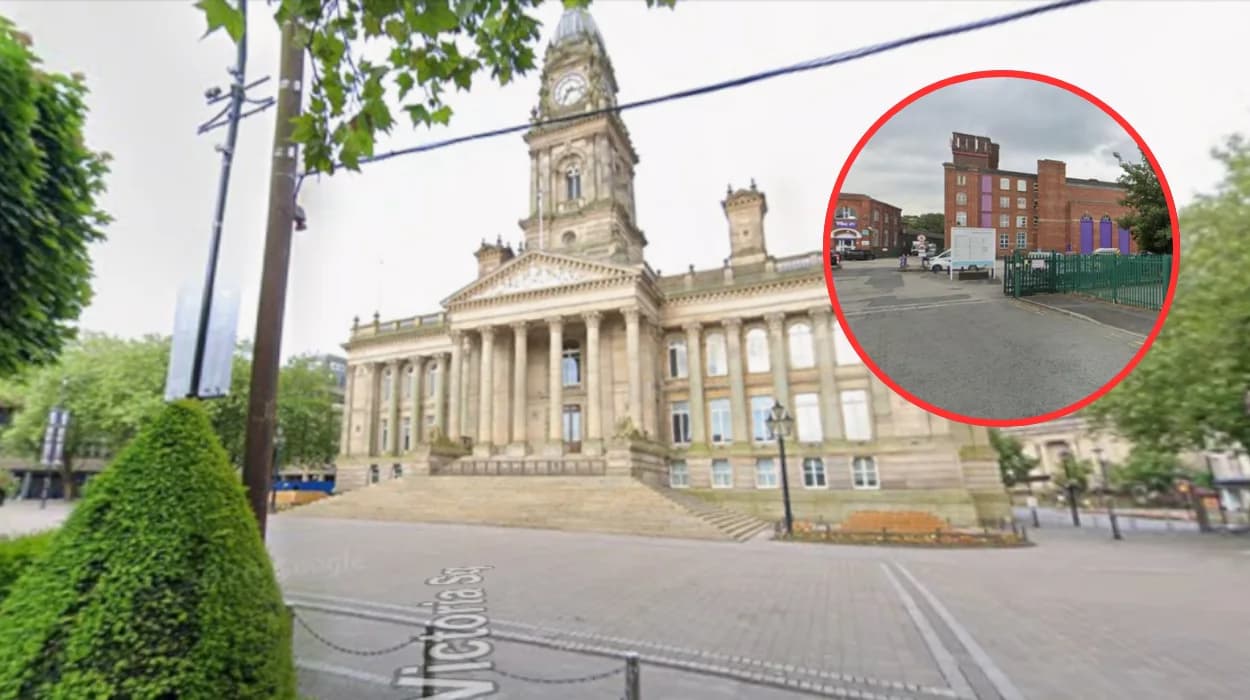
- Bolton Council has approved plans to convert two industrial units at Victoria Mill in Halliwell Business Park into an events venue and community facility.
- The venue will be able to host conferences, exhibitions and community events, with a maximum operational capacity of 350 people.
- The application drew 24 individual objections, 36 pro forma letters and a petition signed by 78 people.
- The scheme covers two vacant ground-floor units at Halliwell Mills on Rossini Street, which have been empty for more than 12 months.
- Conditions linked to the approval include a ban on fireworks and outdoor drumming, along with controls on noise and use of the site.
- Planning officers said the proposal represented the “optimum viable use” of the units within a non-designated heritage asset.
Bolton (Bolton Today) July 11, 2026 - councillors have backed the conversion of two vacant industrial units at Victoria Mill, Halliwell, into a venue for conferences, exhibitions and community events, despite a significant local backlash. The approval means the site can now be used for gatherings of up to 350 people, subject to conditions intended to limit disturbance to nearby residents.
What was approved?
The application sought permission to change the use of two ground-floor units at Halliwell Mills on Rossini Street into an events venue and community facility. According to the planning report described in coverage of the decision, the space is designed for conferences, exhibitions and local community events, with the 350-person cap set as the maximum operational capacity. The units had reportedly been vacant for more than a year before the proposal was brought forward.
The planning case also referred to the site as part of a non-designated heritage asset, with the applicant arguing that the development would put the empty units to their best viable use. In simple terms, supporters said the building needed a productive long-term use rather than continuing to sit idle. The council ultimately accepted that argument and gave the plan the go-ahead.
Why did residents object?
The proposal sparked strong opposition from nearby residents, who raised concerns about how an events venue might affect the area. Planning officers said the application received 24 individual objections, 36 pro forma letters and a petition containing 78 signatures. That level of response shows the scale of local unease ahead of the committee decision.
While the exact wording of every objection is not listed in the available report, the key issue was the potential impact on the surrounding neighbourhood. Residents were understood to fear noise, parking pressure and general disturbance from a larger venue operating in a mainly industrial setting. Those concerns were central to the debate before councillors made their decision.
Explore More Bolton Council News
Bolton Council Workers Ballot For Strike Action Over Pay Dispute: Bolton 2026
Latest Bolton Planning Applications: Extensions, Tree Works, Changes 2026
What did the applicant say?
Matthew Wyatt, associate town planner at PWA Planning, told councillors that the scheme represented the best practical use for the vacant units. He said, as reported in coverage of the meeting, that the proposal was
“the optimum viable use of a pair of units that have been vacant for over 12 months within a non-designated heritage asset”.
That argument placed the emphasis on reuse, viability and the future of the site rather than leaving the buildings empty. It also suggested the applicant wanted the council to view the project as a regeneration measure rather than simply a party or functions venue. The planning case was therefore framed as both an economic and community proposal.
What conditions apply?
The approval was not unconditional, and the council attached controls aimed at reducing noise and disruption. Coverage of the decision says fireworks and outdoor drumming will be banned at the site. The venue will also have to follow operational guidance designed to keep noise within acceptable limits.
The planning details reported alongside the decision also indicated that windows and doors would need to remain closed during use in order to reduce noise escaping from the premises. The committee was also told about the internal layout planned for the venue, which includes facilities intended to support the type of events being hosted. Those measures were clearly designed to make the project more acceptable to councillors and to nearby households.
How will the venue operate?
The venue is intended to host conferences, exhibitions, and community events rather than unrestricted late-night use. Reported operating hours run from Monday to Thursday, 6pm to 11pm, Fridays from 6pm to midnight, Saturdays from 11am to midnight, and Sundays and bank holidays from 11am to 11pm. That schedule suggests the council expected a managed event space rather than a casual all-day entertainment site.
Parking was also discussed as part of the application. The report said there are 96 designated parking bays already on site, alongside 79 informal spaces that are managed. Those figures were relevant because parking was likely one of the main practical concerns for neighbours and planners.
What happens next?
The approval means work can now proceed in line with the planning conditions set by Bolton Council. Any future operation will need to stay within the approved capacity, hours and noise restrictions. If the operator breaches those controls, the council would have planning enforcement options available.
For Halliwell, the decision marks a shift from vacant industrial space to a regulated events use. Supporters will see that as a sensible reuse of empty units, while opponents are likely to remain wary until the venue begins operating in practice. The real test now will be whether the conditions are enough to balance business use with residential amenity.