Key Points
- Council Criticised: Local residents visiting their deceased loved ones at Astley Bridge Cemetery have strongly criticised Bolton Council for leaving graves unkept and neglected due to overgrown grass.
- Severe Overgrowth: Mourners claim that the grass has been allowed to grow up to three feet (approximately 0.9 metres) high in the older sections of the cemetery, making sections virtually inaccessible.
- Impact on Elderly Visitors: The dense, tall grass and hanging hedges have created physical barriers for elderly visitors, preventing some from viewing or accessing their family graves without manual intervention.
- Disrespect to Deceased: Complainants have labelled the lack of maintenance as "disrespectful" and "a shame," particularly given that the historic cemetery dates back to 1884 and holds graves from the 1950s as well as historic war graves.
- Council's Maintenance Programme: Bolton Council maintains that the cemetery is covered by a year-round maintenance schedule, which includes spring and summer grass cutting and strimming, alongside winter clearing of brambles and overgrown ivy.
- Ownership and Responsibility: Local authority guidance outlines that whilst "lawn graves" are fully maintained by the council, traditional grave plots remain the formal legal responsibility of the individual grave owners.
- Funding and Standards: Mourners acknowledge current local government financial pressures but argue basic dignity must be maintained. The council had previously claimed that extra investments were made to deploy dedicated teams to improve borough cemetery standards.
Bolton (Bolton Today) June 5, 2026 — Local residents visiting their deceased loved ones at a historic Greater Manchester cemetery have fiercely criticised the local authority after numerous graves were left in an unkept and neglected state due to severely overgrown grass. Astley Bridge Cemetery, which has served the local community for over 140 years, has become the subject of intense emotional distress for families who find themselves physically blocked from paying their respects. Mourners claim that a stark lack of routine maintenance from the local council has transformed parts of the final resting place into an overgrown wilderness, leaving elderly visitors unable to navigate the pathways or locate family plots.
The primary source of contention centres on the uneven attention given to different areas of the burial ground, with the older, historical sections allegedly bearing the brunt of the neglect. According to grieving family members, the grass surrounding older plots has been permitted to shoot up to three feet high, completely engulfing headstones and obscuring family histories. While modern lawn sections of the cemetery appear to receive regular care, those with relatives buried in traditional plots from the mid-20th century onwards report that they are being forced to bring their own gardening equipment to clear paths to the headstones.
Bolton Council, the public body charged with the upkeep and environmental management of the cemetery lands, has defended its operational record by pointing to an active, year-round maintenance framework. The local authority stated that its schedules are designed to adapt to the seasons, utilising dedicated teams funded by recent investments to handle both seasonal grass cutting and heavy winter clearance. However, the council's regulatory small print draws a firm legal line between modern lawn setups and older traditional plots, assigning the upkeep of the latter to the families themselves — a distinction that has sparked further confusion and anger among the tax-paying public.
Why are Bolton residents complaining about Astley Bridge Cemetery?
The emotional weight of visiting a cemetery means that its physical appearance directly impacts the grieving process of the local community. For many regular visitors to Astley Bridge Cemetery, the current state of the grounds has moved past a minor aesthetic issue and turned into a significant display of public neglect. Families who expect a tranquil, clean, and respectful environment to remember their departed relatives have instead been met with waist-high weeds, unstrimmed borders, and drooping hedges that obstruct the historical paths.
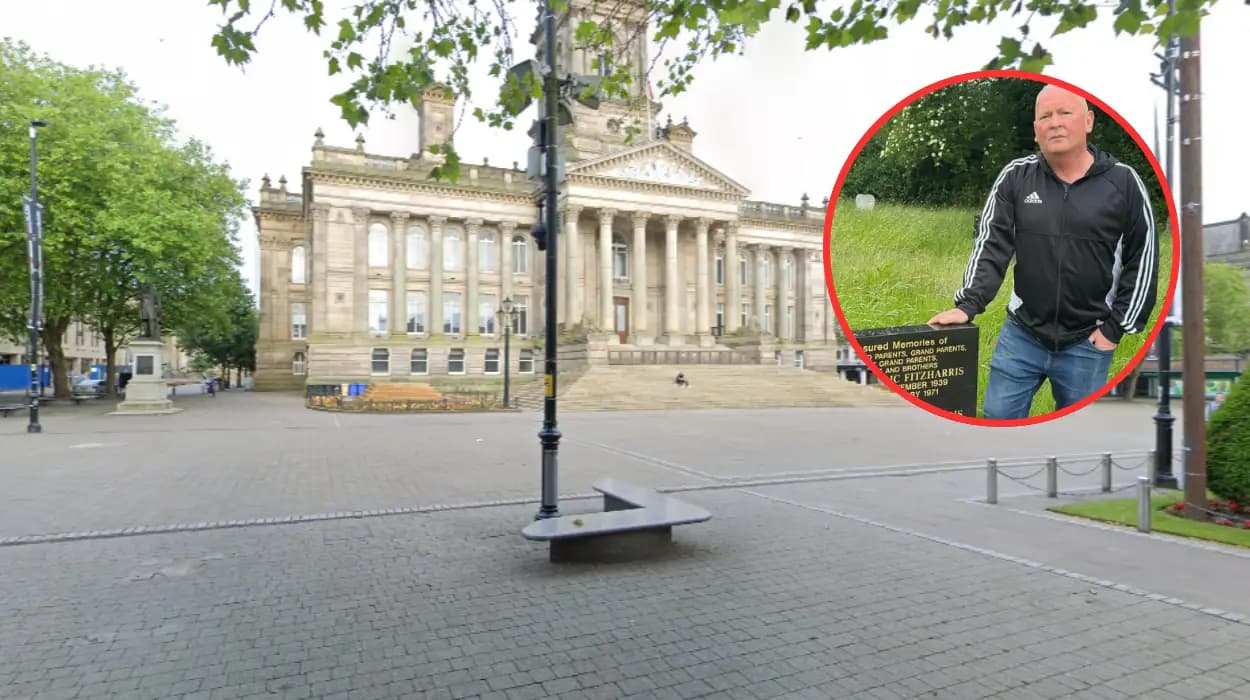
As reported by Joe Regent of The Bolton News, resident Stephen Fitzharris expressed deep frustration regarding the unequal distribution of care across the cemetery grounds. Mr Fitzharris, a 66-year-old resident from the nearby area of Smithills, pointed out that the older side of Astley Bridge Cemetery — which predominantly features older family graves — has clearly seen significantly less operational attention from Bolton Council compared to newer sections.
The physical toll of this lack of maintenance has directly affected vulnerable family members who are structurally blocked from navigating the site. As further reported by Joe Regent of The Bolton News, Mr Fitzharris explained that the severe lack of cutting has resulted in his 80-year-old uncle being completely unable to properly see or visit the resting places of his own siblings and other passed family members. The thick, high grass forms a natural barrier that an elderly individual cannot safely walk through, meaning that the family's connection to their heritage is entirely dependent on whether younger relatives can step in to perform municipal duties.
How bad is the overgrowth at the burial grounds?
The scale of the overgrowth described by regular visitors indicates a problem that has been compounding over many weeks of the growing season. Rather than slightly untidy edges, the vegetation in the historical sectors of the cemetery has reached heights that challenge the physical accessibility of the site. Visitors walking through the gates are met with a stark contrast between well-kept pathways and completely hidden burial plots.
Providing an eyewitness account of the structural state of the plots, as reported by Joe Regent of The Bolton News, Stephen Fitzharris stated:
"Look how many people probably visit graves all throughout the year. The grass comes up to me at three feet in most of the areas, and we have hedges with the elderly walking past that are hanging. It's not good, it just seems to be failing, and it's just disrespectful."
This level of overgrowth means that smaller headstones, footstones, and memorial plaques are entirely swallowed by the green canopy. For families trying to locate graves that may not have been visited in a few months, the cemetery has turned into an indistinguishable field, forcing them to guess where their loved ones rest or physically trample down dense weeds just to read the inscriptions on the stone.
What is the historical significance of Astley Bridge Cemetery?
Astley Bridge Cemetery is not merely a modern municipal plot; it is a foundational piece of Bolton’s local heritage and a permanent record of the town's demographic history. The site serves as an open-air archive holding the remains of generations of local families, industrial workers, and military service personnel who shaped the region.
Originally opened in 1884 during the Victorian expansion of the town, the cemetery houses a vast array of graves stretching back to the late 19th century. Among its winding paths and older stone sections are dedicated war graves, honoring servicemen who fell during the global conflicts of the 20th century. Additionally, a substantial portion of the visible plots date back to roughly the 1950s. While some of these older plots have naturally been forgotten by time as families moved away or passed on themselves, a significant number remain actively visited by surviving children, nieces, nephews, and siblings who retain a strong emotional bond to the site.
Explore More Astley Bridge News
Homeowner Faces Forced Removal of Refused Blackburn Road Fence, Astley Bridge 2026
Starbucks Blackburn Road Astley Bridge Revamped with Drive-Through, Digital Upgrades
How do families manage to access their loved ones' graves?
Because municipal workers have allegedly bypassed the older plots during regular mowing rotations, families have had to take matters into their own hands. The act of remembrance has transformed from a quiet, reflective visit into a physical chore requiring manual labour and landscaping tools.
To ensure his elderly uncle can still participate in family memorials, Stephen Fitzharris has been forced to personally maintain the public ground. As reported by Joe Regent of The Bolton News, Mr Fitzharris must regularly bring his own tools to cut the grass directly around his family's grave plot. Without this volunteer intervention, the headstones would be completely cut off from the main paths.
Traditionally, the maintenance protocol for cemeteries of this style follows a specific structural layout:
- Central Access Pathways: Large mowers cut a clean swath down the middle of the walkways to allow foot traffic to move through the rows.
- Inter-Grave Trimming: Ground teams use handheld strimmers to carefully cut the grass over the top of individual graves and around the bases of headstones where heavy machinery cannot fit.
Residents argue that while the central pathways are sometimes cleared, the vital secondary step of inter-grave trimming has been completely abandoned in the older sectors, isolating the headstones in islands of tall weeds. Expressing his sadness over the visual decay of the site, as reported by Joe Regent of The Bolton News, Mr Fitzharris added: “It's just neglected; it's a shame. Somebody needs to sort this out a little bit better than what they are doing, and I know money's tight, but come on, guys, get it sorted.”
What is Bolton Council's official stance on cemetery maintenance?
In response to growing public anger and questions regarding its operational efficiency, Bolton Council has stood by its structured public maintenance frameworks. The local authority emphasizes that it does not treat cemetery care as a sporadic task, but rather operates a continuous, multi-season system engineered to keep municipal churchyards and cemeteries functional.
The local authority has previously stated that its enhanced maintenance framework was specifically introduced to elevate environmental and aesthetic standards across all cemetery sites within the borough. This initiative was reportedly backed by targeted financial investments, which allowed the council to set up and deploy dedicated operational teams focused entirely on the borough's historical resting places and active churchyards.
Who is legally responsible for maintaining individual grave plots?
A core reason for the friction between frustrated residents and the local council lies in the strict legal definitions of grave ownership and maintenance responsibilities. Many residents assume that paying local council tax guarantees the total upkeep of the cemetery landscape, but local government guidelines draw a sharp distinction based on the architectural style of the grave plot.
According to formal council guidance documents, the division of maintenance duties is split into two distinct categories:
Lawn Graves
These are modern cemetery sections designed specifically for easy municipal maintenance. Headstones are placed back-to-back in continuous straight rows on a flat, concrete foundation, with the entire surrounding area laid out as a continuous lawn of grass. Bolton Council takes full operational and financial responsibility for mowing and maintaining these open lawn sections, as mechanical mowers can pass over them quickly without obstruction.
Traditional Grave Plots
These older plots, common in the historical sections of Astley Bridge Cemetery, often feature larger stone surrounds, kerb sets, decorative chippings, or elaborate Victorian monuments. Council guidance explicitly states that traditional grave plots remain the private legal responsibility of the individual deed owner or the family descendants.
While the council maintains the communal paths between these traditional plots, its workers are technically restricted from operating heavy machinery over the private stone boundaries. This policy leaves a grey area where grass growing between closely packed traditional headstones is frequently left untouched unless families step in, leading directly to the three-foot-high overgrowth criticized by local visitors.
Why did the council fail to respond to the media deadline?
The growing public debate surrounding the cemetery's upkeep prompted direct press inquiries to investigate why the local authority's dedicated maintenance teams had seemingly fallen behind on their spring and summer rotations. Journalists sought clarification on whether recent budget cuts, staff shortages, or mechanical breakdowns had contributed to the severe overgrowth in the older sectors of the site.
However, the local authority chose not to clarify its current operational challenges before the story was published. As reported by Joe Regent of The Bolton News, Bolton Council was formally contacted for an official comment regarding the specific complaints raised by Mr Fitzharris and other visitors, but the administration failed to provide a response in time for the newspaper's editorial deadline. The lack of an immediate explanation has left local residents demanding transparency over how municipal tax funds are allocated to preserve the dignity of the town's historical burial grounds.