Key Points
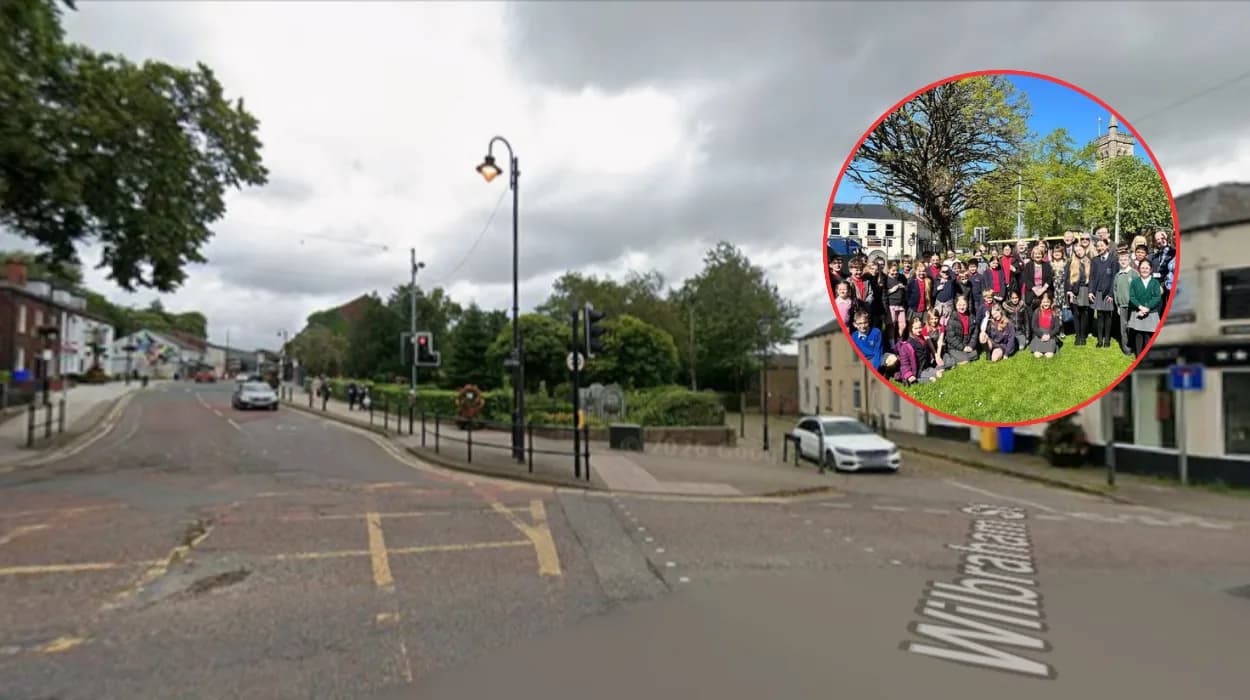
- Schoolchildren from Westhoughton gathered in Ditchfield Gardens on Sunday, April 26, 2026, to commemorate the Pretoria Pit disaster.
- The event marks the ongoing remembrance of the mining tragedy that claimed 344 lives on December 21, 1910, at Hulton Colliery Bank Pit No. 3 in Over Hulton, Westhoughton.
- A black scarf placed at a memorial in Westhoughton was reportedly removed, as noted in related coverage by The Bolton News.
- Memorials include a Grade II listed monument in Westhoughton cemetery, erected in 1910, and a statue opposite Westhoughton church unveiled in 2010.
- Annual memorial services continue at the cemetery, with artifacts displayed in Westhoughton Central Library.
Westhoughton (Bolton Today) April 29, 2026 - Schoolchildren from local schools assembled in Ditchfield Gardens on Sunday, April 26, to honour the victims of the Pretoria Pit disaster, one of Britain's deadliest mining tragedies that killed 344 men and boys on December 21, 1910. The commemoration, hosted in the heart of Westhoughton, drew community members to reflect on the historic catastrophe at Hulton Colliery Bank Pit No. 3, known as Pretoria Pit, in Over Hulton. This annual event underscores the lasting impact of the explosion, which remains the third worst in British mining history after the 1866 Oaks Disaster and the 1913 Senghenydd Colliery Disaster.
What was the Pretoria Pit disaster?
The Pretoria Pit disaster occurred on December 21, 1910, when a firedamp explosion ripped through the underground workings of No. 3 Bank Pit at Hulton Colliery in Over Hulton, Westhoughton, then part of historic Lancashire. A total of 344 men and boys perished, making it the worst mining accident in Lancashire's history and one of the most devastating in the United Kingdom. The pit, owned by the Hulton Colliery Company, was a complex of coal mines where workers faced perilous conditions daily.
As detailed in historical records from Wikipedia, the explosion was triggered by ignited firedamp, a highly flammable gas common in coal mines, leading to an immediate and catastrophic loss of life. Rescue efforts were hampered by toxic fumes and collapsed tunnels, with many victims never recovered or identified; 24 unidentified bodies are interred under a dedicated memorial. The disaster shocked the nation, prompting inquiries into mine safety and ventilation practices.
When and where did the recent memorial event take place?
The latest memorial gathering unfolded on Sunday, April 26, 2026, in Ditchfield Gardens, Westhoughton, as reported by The Bolton News. Schoolchildren from the area participated actively, laying wreaths and observing a moment of silence to remember the 344 victims. This public space, central to the community, has become a focal point for such remembrances, complementing other sites like the cemetery memorial.
According to coverage in The Bolton News, the event coincided with ongoing community efforts to preserve the memory of the tragedy, despite reports of a black scarf—likely a tribute item—being removed from a nearby memorial. Organisers emphasised the importance of educating younger generations, with children reciting poems and sharing stories passed down through families. The date, just days before the current reporting on April 29, highlights the timeliness of these vigils in 2026.
Who participated in the Westhoughton commemoration?
Local schoolchildren led the proceedings in Ditchfield Gardens, representing Westhoughton's youth in a poignant display of continuity and respect. Community leaders, family descendants of victims, and former colliers from across Lancashire coalfields joined, echoing patterns seen in prior anniversaries, such as the 2021 event covered by The Bolton News where over 100 gathered. Figures like former Bolton West MP Julie Hilling have historically welcomed guests at related ceremonies, as noted in 2021 reports.
As reported by staff writers at The Bolton News, participants included residents who laid floral tributes and shared personal anecdotes tied to the pit's legacy. No specific names of organisers for the April 26 event were listed in initial coverage, but the involvement of schools underscores a broad community effort to involve the young. This mirrors annual services at the Westhoughton cemetery memorial, where selections of artifacts are displayed in the Central Library.
Why is the Pretoria Pit disaster still remembered today?
The disaster's scale—344 fatalities—cements its place in British industrial history, serving as a stark reminder of mining's human cost before modern safety regulations. Memorials ensure the stories endure: a Grade II listed structure in Westhoughton cemetery, erected in 1910, bears inscriptions for the victims, functioning also as a gravestone for the unidentified. A statue by artist Jane Robbins, unveiled opposite Westhoughton church on December 19, 2010—nearly a century later—further symbolises enduring grief.
Events like the April 26 gathering in Ditchfield Gardens educate against forgetting, with schoolchildren learning about firedamp risks and rescue failures. As per Bolton Encyclopedia records, it ranks as Britain's third-worst mining calamity, fuelling annual observances that foster community solidarity. Historians note that such remembrances prevent the repetition of past oversights in workplace safety.
How has the community preserved the memorials?
Westhoughton maintains multiple sites: the cemetery's Grade II listed memorial, the Ditchfield Gardens venue, and the 2010 statue. Artifacts from the disaster are housed in Westhoughton Central Library, accessible for public viewing during services. A related incident involved the removal of a black scarf from a memorial, prompting local discussion as covered by The Bolton News.
Deane Church records preserve memorial inscriptions (MIs) for identified victims, linking to burial details and ensuring no name is lost. Lancashire OnLine Parish Clerks document the event meticulously, aiding genealogical research. The Bolton News has consistently reported on these efforts, from 2021's Broadway memorial to the recent Ditchfield event.
What role did schoolchildren play in the event?
Schoolchildren from Westhoughton schools were at the forefront, gathering to lay wreaths, recite readings, and perform short plays about the disaster. Their participation aims to bridge generations, teaching the harsh realities of early 20th-century mining. As observed in The Bolton News coverage, the children donned period costumes and sang hymns associated with pit funerals, evoking the era's solemnity.
This educational focus aligns with broader initiatives, where libraries and churches use artifacts to illustrate the explosion's mechanics. Teachers reportedly prepared pupils with visits to the Central Library's displays, ensuring factual accuracy in their contributions. Such involvement secures the tragedy's place in local curricula.
Are there multiple memorials to the victims?
Yes, several memorials dot Westhoughton: the primary Grade II listed one in the cemetery on School Street, inscribed with the names of 344 victims and serving as a gravestone for 24 unidentified. Ditchfield Gardens hosted the April 26 event, while a Broadway stone in Over Hulton saw 2021 commemorations. The Jane Robbins statue opposite Westhoughton church, unveiled in 2010, adds a modern tribute.
Historic England describes the School Street memorial as emblematic of Lancashire's mining heritage. Deane Church lists individual gravestones with MIs, preserving personal stories. These sites collectively form a network of remembrance.
What caused the Pretoria Pit explosion?
Firedamp—a methane-air mixture—ignited underground, as established in post-disaster inquiries cited across sources. Poor ventilation exacerbated the blast at Hulton Colliery's No. 3 Pit. Rescue teams faced afterdamp, delaying recovery.
How does this event fit into annual remembrances?
The April 26 gathering precedes the December 21 anniversary, complementing cemetery services. The 2021 event at Broadway, with ex-colliers and MP Julie Hilling, drew over 100. Annual library displays reinforce continuity.
What lessons emerged from the disaster?
It spurred safety reforms, including better gas detection, influencing UK mining laws. Modern events stress these gains, with children learning ventilation's importance.