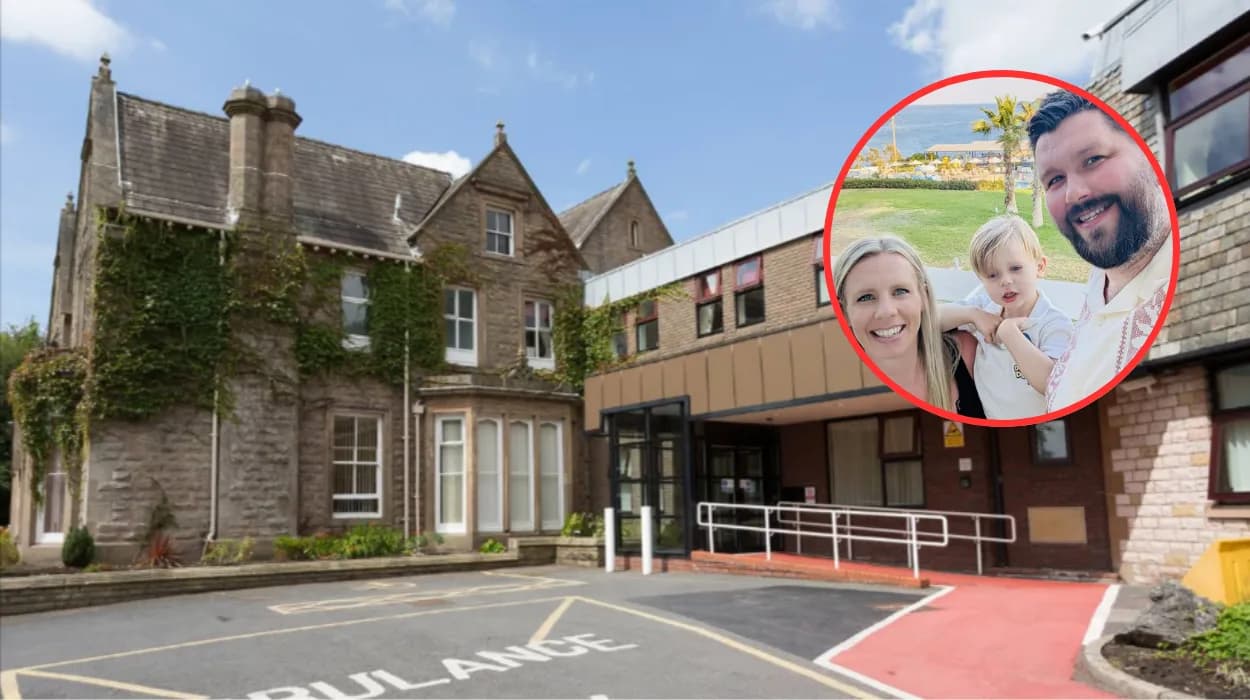
Key Points
- Natalie Rowan, a mum from Westhoughton, Bolton, is campaigning to raise awareness of childhood cancer following her son Harris's survival of a rare liver cancer.
- Harris, now four years old, was diagnosed with liver cancer at just nine months old in July 2022.
- Initial symptoms included a bloated stomach and loss of appetite, noticed during an out-of-hours doctor’s appointment suspected to be a throat infection.
- Doctors at the hospital identified an enlarged liver, leading to a rapid suspicion of liver cancer by the next day.
- The cancer had spread to Harris’s lungs, placing him on a high-risk treatment protocol.
- Harris was transferred to Royal Manchester Children’s Hospital for urgent treatment.
- Swift diagnosis enabled immediate treatment, which cleared the cancer from his lungs and made him eligible for a life-saving liver transplant.
- Harris has now been cancer-free for nearly three years as of May 2026.
- Ms Rowan launched a fund to support research and improve early diagnosis of childhood cancers.
- Ms Rowan emphasized: "Awareness is power, and anything that speeds up diagnosis is hugely important for more beneficial outcomes."
- Ms Rowan further stated: "Time was of the essence because the cancer had already spread to Harris’s lungs and the extent of the disease meant he was on a very high-risk treatment protocol."
Westhoughton (Bolton Today) May 7, 2026 - A determined mother from Westhoughton is spearheading a campaign to heighten public awareness of childhood cancer after her young son battled and overcame a rare form of liver cancer. Natalie Rowan’s four-year-old son, Harris, faced the disease at just nine months old, undergoing life-saving treatment that has left him nearly three years cancer-free. Her efforts underscore the critical role of early detection in improving outcomes for young patients.
What Led to Harris’s Diagnosis?
Natalie Rowan first sought medical help for Harris in July 2022, initially suspecting a routine throat infection during an out-of-hours doctor’s appointment. As reported in The Bolton News, doctors quickly observed his bloated stomach and loss of appetite, prompting further investigation. At the hospital, medics discovered an enlarged liver, and by the following day, they suspected liver cancer, highlighting the speed at which symptoms can escalate in infants.
This rapid progression caught the family off guard. Ms Rowan recounted the pivotal moments, noting how everyday symptoms masked a grave condition. The swift transfer to Royal Manchester Children’s Hospital marked the beginning of intensive care, where time-sensitive interventions proved vital.
How Did the Cancer Spread and Affect Treatment?
The cancer had already metastasized to Harris’s lungs by the time of diagnosis, classifying his case as high-risk. As detailed by The Bolton News, Ms Rowan said:
"Time was of the essence because the cancer had already spread to Harris’s lungs and the extent of the disease meant he was on a very high-risk treatment protocol."
This spread necessitated aggressive measures, yet the prompt identification allowed treatment to commence without delay.
Medical teams cleared the cancer from Harris’s lungs, stabilizing his condition sufficiently for a liver transplant. Such interventions are rare in children, with liver cancer like hepatoblastoma or undifferentiated sarcoma occurring in fewer than one in a million cases annually in the UK, according to general paediatric oncology statistics. Harris’s survival story stands as a testament to the efficacy of high-risk protocols when enacted swiftly.
Why Is Early Diagnosis So Crucial?
Ms Rowan has launched a dedicated fund to bolster research and enhance early diagnostic tools for childhood cancers.
"Awareness is power, and anything that speeds up diagnosis is hugely important for more beneficial outcomes,"
Ms Rowan stated, as quoted in The Bolton News. Her campaign emphasizes that delays in spotting subtle signs, such as abdominal distension or appetite loss, can prove fatal in fast-growing pediatric tumours.
In the UK, childhood cancer affects around 1,900 children yearly, with liver cancers comprising about 1-2% of cases. Early detection, often through ultrasound or blood tests prompted by vigilant parents, boosts survival rates from under 50% in advanced stages to over 70% in localized disease. Ms Rowan’s experience illustrates how parental intuition can bridge the gap to lifesaving care.
What Role Did the Royal Manchester Children’s Hospital Play?
Harris’s transfer to Royal Manchester Children’s Hospital was decisive. This specialist facility, known for its paediatric oncology expertise, handled the complex treatment protocol. The hospital’s multidisciplinary team managed chemotherapy, surgical resection, and transplant preparation, clearing lung metastases and enabling the transplant.
As per reports from The Bolton News, the hospital’s rapid response was key to Harris becoming eligible for the transplant. Royal Manchester, part of Manchester University NHS Foundation Trust, treats hundreds of childhood cancer cases annually, boasting survival rates aligning with national averages of 84% for all pediatric cancers. Harris’s case exemplifies their high-stakes success.
How Has Harris Fared Since Treatment?
Now four years old, Harris marks nearly three years cancer-free, a milestone celebrated by his family. Post-transplant, he has regained normal childhood vitality, free from the shadows of his ordeal. Ms Rowan’s updates portray a thriving boy, underscoring long-term survivorship possible with modern medicine.
Survivors like Harris face ongoing monitoring for graft rejection or secondary cancers, but his progress inspires hope. Regular check-ups at specialist centres ensure any recurrence is caught early, a protocol Ms Rowan champions through her awareness drive.
What Is the Broader Impact of Childhood Liver Cancer?
Childhood liver cancer, primarily hepatoblastoma, demands multidisciplinary care involving oncologists, surgeons, and transplant experts. In the UK, the Children’s Cancer and Leukemia Group (CCLG) coordinates such efforts, with survival rates improving due to protocols like SIOPEL (International Society of Paediatric Oncology Liver Tumour Group). Harris’s high-risk status aligned with Stage IV disease, where lung spread complicates prognosis.
Statistics from Cancer Research UK indicate liver tumours represent 0.5% of childhood malignancies, often presenting with non-specific symptoms delaying diagnosis. Ms. Rowan’s fund aims to fund biomarkers or AI-driven screening to shave weeks off detection times, potentially saving lives.
Why Is Natalie Rowan Campaigning Now?
Ms Rowan’s initiative stems directly from her family’s brush with tragedy. By sharing Harris’s story publicly via The Bolton News, she seeks to empower other parents. Her fund targets research grants for diagnostic innovations, partnering potentially with CCLG or local NHS trusts.
"Awareness is power," she reiterated, driving donations and discussions. Community support in Westhoughton, a close-knit Bolton suburb, has rallied around the Rowans, with local businesses and residents contributing early pledges.
What Challenges Do Families Face in Similar Cases?
High-risk protocols involve intense chemotherapy, often causing severe side effects like immunosuppression and organ strain. For Harris, the lung spread heightened urgency, with transplant waits posing additional risks. Families endure emotional, financial, and logistical burdens, including travel to centres like Manchester.
Support charities such as CLIC Sargent, which provide aid, but Ms Rowan calls for more funding into prevention and screening. Her story highlights disparities, as rural or underserved areas face longer diagnostic delays.
How Can Awareness Campaigns Change Outcomes?
Ms Rowan’s message aligns with global efforts like World Childhood Cancer Day, emphasizing symptoms like persistent bloating or weight loss. Education via schools, GPs, and social media can prompt earlier GP visits, reducing stage-at-diagnosis mortality.
Evidence from similar campaigns shows a 10-15% uptick in early detections post-awareness drives. By attributing her fund to tangible goals—such as portable ultrasound pilots—Ms Rowan positions it for impact.
What’s Next for the Rowan Family and Their Fund?
Looking ahead, the Rowans focus on Harris’s milestones while growing the fund. Plans include a Westhoughton fundraiser and online crowdfunding, with proceeds split between research and family support packs. Ms Rowan remains cautiously optimistic, monitoring Harris closely.
Her neutral, fact-driven advocacy avoids sensationalism, focusing on empowerment. As a Westhoughton resident, she leverages local media like The Bolton News to amplify reach, ensuring every detail—from July 2022’s first appointment to today’s cancer-free status—fuels the cause.