Key Points
- New Traffic Controls Proposed: Bolton Council has announced major plans for a new Traffic Regulation Order (TRO) affecting key road networks in Westhoughton.
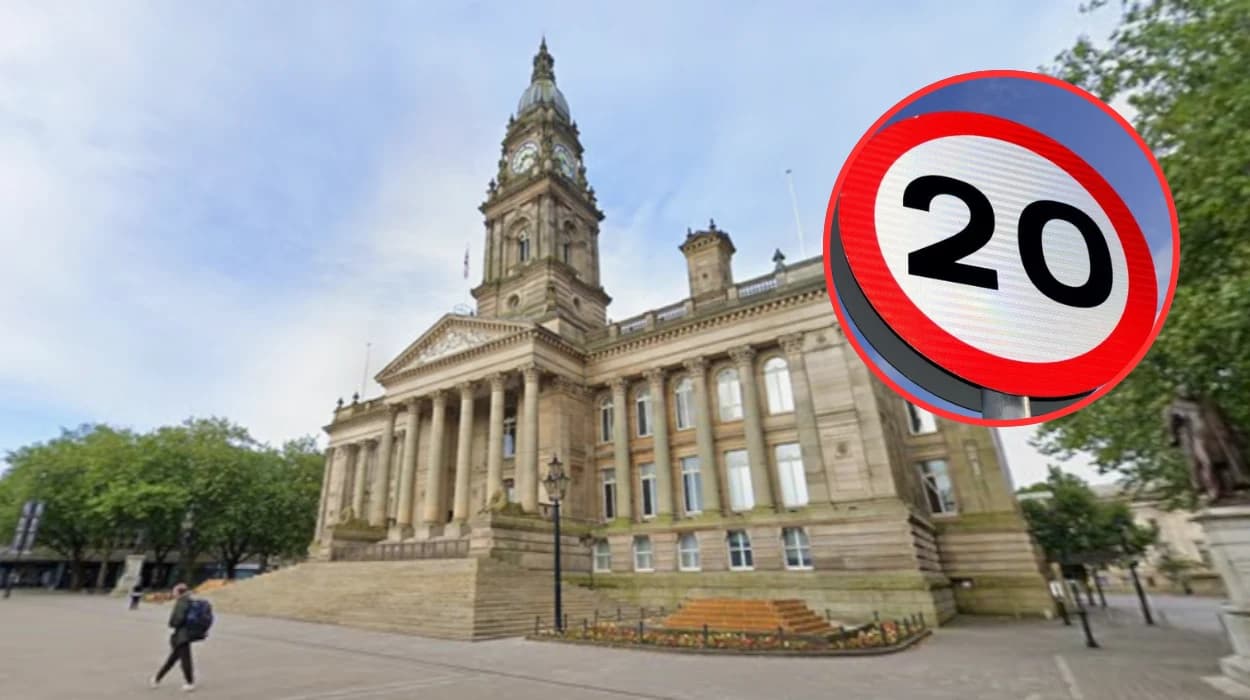
- Speed Limit Reduction: The proposed measures would introduce a mandatory 20mph speed limit in designated parts of Chequerbent, Westhoughton.
- Goods Vehicle Prohibition: The scheme includes a formal ban prohibiting heavy goods vehicles from accessing specified local residential roads in Chequerbent.
- Council Safety Objectives: According to local authority officials, the regulations aim to improve highway access, clear road obstructions, resolve parking ambiguities, and protect pedestrian safety.
- Public Consultation Open: Affected residents and business owners have been given a statutory 28-day period from the notice date of 7 August 2026 to submit formal comments, objections, or letters of support.
- Official Contact Information: Representations and requests for legal scheme drawings must be submitted directly to Bolton Council’s Highways and Engineering Division via email at highways@bolton.gov.uk.
Westhoughton (Bolton Today) August 10, 2026 — Proposals for a sweeping new traffic scheme in Westhoughton could soon see speed limits cut to 20mph alongside strict new prohibitions on heavy goods vehicles, according to formal plans unveiled by local authority officials. Bolton Council has officially announced its intention to introduce a comprehensive Traffic Regulation Order (TRO) targeted at specific thoroughfares within the Chequerbent district of Westhoughton. The initiative, which has already received preliminary approval in principle from council leaders, is designed to curb excessive vehicle speeds, enhance overall road safety, eliminate recurring traffic obstructions, and provide clearer rules regarding parking and access for both motorists and pedestrians.
What Are the Proposed Traffic Restrictions in Westhoughton?
As reported by Maddie Avery, Trainee Reporter for The Bolton News, the proposed council measures center on a dual approach to managing vehicular traffic in the Chequerbent area of Westhoughton. Under the proposed Traffic Regulation Order (TRO), selected roadways will undergo a permanent reduction in speed limit down to 20mph. Concurrently, the council plans to enact a legal prohibition that prevents heavy goods vehicles from utilizing designated residential streets as through-routes.
The primary intention behind this dual-pronged intervention is to tackle growing concerns regarding residential traffic volume, vehicle speeds, and physical road blockages. The council has formally stated that these traffic management measures are essential to ensure that emergency vehicles, local transport, and residents can navigate the neighborhood without facing severe delays or safety risks caused by poorly parked cars or oversized commercial freight vehicles.
Which Areas in Chequerbent Will Be Affected by the New Proposals?
Chequerbent, an established residential and commuter area within the broader town of Westhoughton, has long served as a key arterial link connecting local roads to major highways across the Metropolitan Borough of Bolton. The specific scope of the proposed restrictions focuses on key corridors within Chequerbent where narrow carriageways, parked vehicles, and heavy traffic flow have created logistical challenges.
According to reporting published by Maddie Avery in The Bolton News, the formal public notice identifies designated sections of Chequerbent where the 20mph limit and heavy vehicle restrictions will be enforced once the legal framework is finalized. Local road users who rely on these routes daily are being urged to inspect the official scheme drawings provided by the local authority to verify how individual streets and property access points will be impacted by the new signage and legal restrictions.
Why Is Bolton Council Introducing a 20mph Speed Restriction?
The decision by Bolton Council to implement lower speed thresholds stems from a broader highway safety strategy aimed at reducing collision risks and encouraging active travel such as walking and cycling. As highlighted by Maddie Avery of The Bolton News, council officials maintain that establishing a 20mph zone in Chequerbent is crucial for maintaining the safe and efficient movement of all traffic, with a particular emphasis on vulnerable road users such as pedestrians and children.
According to official council documentation cited in news reports, the specific objectives of the proposed 20mph limit include:
- Enhancing Pedestrian Protection: Decreasing vehicle impact speeds significantly reduces the severity of injuries in the event of an accident.
- Improving Highway Access: Lower speeds allow vehicles to emerge safely from driveways and side streets onto busier main roads.
- Clearing Road Obstructions: Reduced speeds assist in managing tight bottlenecks caused by parked cars on narrow residential lanes.
- Removing Parking Ambiguity: The Traffic Regulation Order works in tandem with parking enforcement to clarify precisely where vehicles may and may not park safely.
Explore More Westhoughton News
Forshaw Demolition Enters Administration: Family Business Collapses in Westhoughton 2026
New Derian House Charity Shop Opens in Westhoughton, Bolton 2026
How Will the Prohibition on Goods Vehicles Impact Local Transport and Deliveries?
Alongside speed reductions, the proposed restriction on goods vehicles represents a major shift in how commercial freight moves through Westhoughton. Heavy goods vehicles (HGVs) navigating narrow residential corridors in Chequerbent have previously contributed to pavement damage, elevated noise levels, structural vibrations, and traffic gridlock.
As reported by Maddie Avery in The Bolton News, the statutory order will prohibit heavy goods vehicles from driving through restricted streets in Chequerbent, effectively redirecting heavy haulage toward designated primary arterial routes better equipped to accommodate large vehicles. Council officers have indicated that exceptions will typically remain in place for essential local services—such as refuse collection vehicles, emergency services, and scheduled delivery trucks requiring direct access to local addresses—ensuring that daily business operations and household deliveries are not unnecessarily disrupted while preventing heavy commercial traffic from using residential neighborhoods as shortcuts.
How Can Residents and Businesses Submit Their Comments or Objections?
A mandatory statutory consultation process is currently underway to allow the public to share feedback on the proposed regulations before they are formally passed into law. As reported by Maddie Avery of The Bolton News, Bolton Council issued the formal public notice on August 7, 2026, triggering a 28-day window during which residents, business owners, and transport operators can submit formal representations.
What Is the Deadline for Submissions?
All comments, formal objections, or statements of support must be submitted in writing within 28 days of the notice date. The statutory consultation period will close at the end of the business day on September 4, 2026.
How Can the Public Contact the Highways Department?
Members of the public seeking additional information, including detailed scheme drawings, statutory maps, and full draft legal notices, can contact Bolton Council’s Highways and Engineering Division directly:
- Email Contact: highways@bolton.gov.uk
- Department: Highways & Engineering Division, Bolton Council
- Required Details: Written representations should reference the Chequerbent, Westhoughton Traffic Regulation Order and state clearly the specific grounds for any objection or comment.
What Is a Traffic Regulation Order and How Does the Legal Process Work?
To fully understand the impact of the proposed speed limit and weight restrictions in Westhoughton, it is helpful to examine the statutory framework governing road changes in the United Kingdom. Under the provisions of the Road Traffic Regulation Act 1984, local highway authorities—such as Bolton Council—possess legal powers to make Traffic Regulation Orders (TROs) to manage speed limits, turn movements, parking restrictions, and vehicle class prohibitions on public roads.
The creation of a TRO follows a strict statutory procedure:
- Preliminary Approval: Council highways officers conduct traffic surveys and safety audits, presenting an initial draft to council committees for approval in principle.
- Public Notice & Consultation: The authority publishes legal notices in local newspapers—such as The Bolton News—and installs notices on nearby street lamps to notify the community.
- Review of Objections: During the 28-day consultation period, officers collect public feedback. If substantial objections are received, council cabinet members or highway committees must review them before deciding whether to modify, abandon, or proceed with the order.
- Formal Enactment: Once approved, the legal order is formally signed, road signage and road markings are installed, and the restrictions become legally enforceable by police and local authority civil enforcement officers.
What Are the Potential Benefits and Concerns Raised Regarding 20mph Zones?
The rollout of 20mph speed limits across urban and residential neighborhoods has been a prominent topic of debate across Greater Manchester and the wider United Kingdom in recent years. Proponents and road safety campaigners argue that lower speed limits save lives, reduce air and noise pollution, and make neighborhoods significantly more pleasant for walking and cycling. Research published by transport authorities indicates that a pedestrian struck by a vehicle traveling at 20mph has a substantially higher survival rate compared to one struck at 30mph.
However, traffic schemes also frequently spark debate among local motorists and business communities. Common points raised during public consultations include concerns over increased travel times, potential traffic displacement onto adjacent unmanaged streets, and questions regarding how strictly lower speed limits will be monitored and enforced by local police. By inviting public representations, Bolton Council aims to balance the safety requirements of local residents with the practical mobility needs of motorists across Westhoughton.
What Steps Will Bolton Council Take Following the Consultation Period?
Once the statutory 28-day public notice window closes on September 4, 2026, engineers and planning officers within Bolton Council's Highways and Engineering Division will collate and analyze every submission received.
If no formal objections are lodged, or if minor concerns can be addressed through technical adjustments without altering the core purpose of the scheme, the council will proceed to enact the Traffic Regulation Order. Following formal enactment, contractor teams will be deployed to install new 20mph speed limit signage, gateway markings, and goods vehicle restriction signage across the Chequerbent area of Westhoughton.
If significant objections are raised by residents or commercial entities, a detailed summary report will be presented to Bolton Council’s executive cabinet member for environmental services and highways. The leadership will then evaluate whether to confirm the order as originally drafted, order a public inquiry, or modify the proposed traffic restrictions to better accommodate community needs.