Key Points
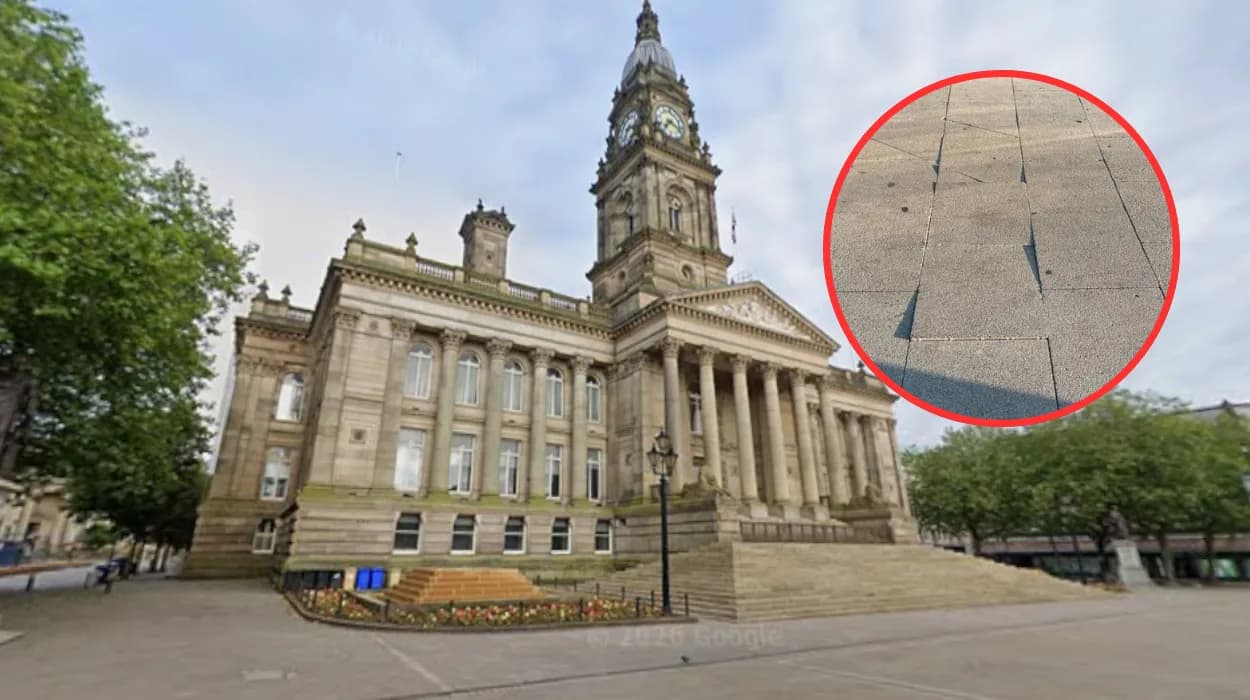
- Location and Hazard: Loose paving slabs outside a prominent venue on Market Street in Westhoughton created a persistent trip hazard in one of the town's primary shopping and social hubs.
- Timeline of Inaction: The defect was formally reported to Bolton Council in April 2024 by local representative Councillor David Wilkinson, but remained unresolved for nearly four months.
- Safety Concerns Raised: Local community members and local politicians highlighted the high risk to vulnerable pedestrians, noting reports of residents already tripping over the dislodged stones.
- Council Administrative Delays: Councillor Wilkinson criticised municipal internal communication, stating that the council's departments failed to coordinate effective repairs despite earlier promises.
- Municipal Response & Resolution: Following press coverage, Bolton Council confirmed that contractors had been scheduled to carry out emergency repair work to rectify the pavement damage.
- Cause of Damage: Local authority officials attributed the pavement damage to heavy vehicles mounting the pedestrian footway along Market Street.
Westhoughton (Bolton Today) July 25, 2026 - Municipal highways teams have scheduled urgent repair works to eliminate a prominent pedestrian danger outside a popular high street venue, following nearly four months of mounting community frustration over council delays.
The intervention by Bolton Council targets two severely dislodged paving flags directly outside the Wetherspoons pub on Market Street in Westhoughton—an area recognised as one of the busiest pedestrian thoroughfares in the borough. The defect, which was initially logged with local authority officers in April 2024, had deteriorated into a substantial trip hazard, drawing sharp criticism from elected representatives and members of the public who warned that the inaction posed a direct threat to elderly and vulnerable pedestrians.
Confirmation of the impending repair work came after local ward representatives publicly condemned administrative breakdowns within the local authority, alleging that municipal departments had failed to communicate effectively despite explicit assurances given earlier in the spring that the footway would be made safe.
What led to the footway defect on Market Street?
Market Street serves as the main retail and social spine of Westhoughton, supporting high footfall throughout the week due to its concentration of independent shops, eateries, services, and public houses. The specific section of footway requiring intervention lies outside the public house operated by JD Wetherspoon, a location subject to continuous foot traffic from morning until late evening.
According to municipal assessment reports, the deterioration of the stone slabs was exacerbated by vehicle encroachment. As reported by Dan Dougherty of The Bolton News, a spokesperson for Bolton Council confirmed that
“vehicles using the pavement have caused damage to the paving.”
Urban high streets with narrow carriageways frequently experience issues where delivery lorries, maintenance vans, and commercial vehicles mount footways to unload goods or pass stationary traffic. Over time, the repeated axle weight of heavy vehicles causes the underlying bedding mortar to crack and shift, leaving heavy stone flags unstable, raised, or rocking underfoot. When left unaddressed, these shifting stones permit water ingress, accelerating sub-base erosion during periods of rainfall and increasing the risk of complete slab displacement.
Why did Bolton Council delay fixing the loose paving slabs for four months?
Despite the high profile of Market Street and the clear hazard presented by the destabilised stonework, the issue remained unaddressed from mid-spring into mid-summer. The initial notification regarding the defect was submitted to highway engineers during the spring period by local Liberal Democrat representative Councillor David Wilkinson.
As reported by Dan Dougherty of The Bolton News, Councillor David Wilkinson expressed strong dissatisfaction with the prolonged administrative response, stating that
“the delay on the resetting of these two paving stones is ridiculous.”
Councillor Wilkinson outlined the history of the reporting process, explaining that he had formally drawn the council's attention to the specific footway defect months prior. As reported by Dan Dougherty of The Bolton News, Councillor David Wilkinson stated that
“I raised it with Bolton Council way back in April and was promised the work would be done. The delay has meant the loose paving stones have become a much more serious trip hazard which for a vulnerable person can cause serious injury.”
Addressing the underlying cause of the four-month backlog, Councillor Wilkinson pointed to internal coordination failures within the local authority's highways and maintenance divisions. As reported by Dan Dougherty of The Bolton News, Councillor David Wilkinson stated that
“it appears that the left and right hands in the council weren't talking to each other so the work promised in April is still waiting in July.”
Under standard statutory frameworks governing highway maintenance—specifically Section 41 of the Highways Act 1980—local authorities owe a legal duty to maintain public highways and footways under their jurisdiction in a safe condition. While highway inspection regimes categorize defects based on severity and risk assessments, administrative oversights or miscommunication between reporting teams and external repair contractors can result in critical low-to-medium priority repairs falling through logistical gaps.
What safety risks did local residents and representatives highlight?
The delay in executing repairs generated significant concern among Westhoughton residents, many of whom navigate Market Street daily to access essential services, public transport, and local businesses. Uneven or rocking paving slabs represent a recognized hazard for pedestrians, particularly older adults, visually impaired individuals, parents pushing prams, and residents with mobility impairments.
As reported by Dan Dougherty of The Bolton News, Councillor David Wilkinson highlighted that a member of the public had reported an actual tripping incident at the site prior to council intervention. Councillor Wilkinson noted that
“someone even commented on my post about it saying they'd seen someone trip over it the other day.”
Detailing the eyewitness account, as reported by Dan Dougherty of The Bolton News, a local resident commented on the councillor's community updates, stating that
“I saw someone trip over this the other day whilst walking their dog – could have been so much worse!”
Trips and falls on municipal footways frequently lead to serious physical injuries, including fractures, soft tissue damage, and lost mobility among vulnerable citizens. Beyond the immediate health implications for residents, unresolved footway defects expose municipal authorities to substantial public liability claims. Across the United Kingdom, local councils expend millions of pounds annually defending and settling personal injury claims stemming from poorly maintained pavements and carriageways.
Explore More Westhoughton News
Westhoughton Farmers Market Returns to Kyria Studio Bolton 2026
Glass Painting Workshop at The Beer School, Westhoughton 2026
How did Bolton Council respond to the growing public frustration?
Following public intervention by ward representatives and enquiries from regional news media, Bolton Council moved to clarify its stance and confirm a definitive timeframe for the repair works.
As reported by Dan Dougherty of The Bolton News, an official spokesperson for Bolton Council stated that
“the contractor has scheduled the repairs, in co-ordination with the businesses along Market Street, and aims to complete this week.”
The council's statement acknowledged the operational necessity of coordinating footway repairs with adjacent commercial operations. Executing masonry and paving work outside a high-volume venue such as a public house requires carefully timed access to ensure public safety while minimizing commercial disruption to trade and pedestrian flow.
What are the broader highway maintenance challenges facing local authorities in Bolton?
The situation on Market Street in Westhoughton reflects broader systemic pressures facing local highway authorities across Greater Manchester and the wider United Kingdom. Municipal budgets for preventative highway maintenance have faced sustained fiscal constraints over the past decade, forcing local councils to prioritize reactive repairs on high-tier road networks over minor pavement defects.
How do councils prioritize footway repairs?
Highway departments typically operate a risk-based assessment framework to categorize footway defects:
- Category 1 Hazards: Severe defects (such as deep potholes or vertical slab displacements exceeding specific millimetre thresholds) that present an immediate danger are flagged for emergency response within 24 to 48 hours.
- Category 2 Defects: Minor defects, shallow dips, or loose stones are categorized as non-urgent. These are scheduled for routine maintenance blocks, which can stretch into weeks or months depending on contractor availability and budget allocations.
When footway damage occurs in high-density pedestrian zones, critics argue that traditional risk-scoring systems fail to account for footfall volume, leading to situations where heavily trafficked hazards are treated with the same scheduling priority as quiet residential cul-de-sacs.
How does vehicle encroachment damage high street pavements?
High street footways are historically designed to sustain pedestrian loads rather than vehicular stress. The rising frequency of commercial deliveries, kerb-mounting by service vehicles, and heavy goods vehicles (HGVs) maneuvering through tight urban centres inflicts severe structural stress on slabbed pavements.
- Underlying Sub-base Compression: Heavy wheel loads crush the underlying sand and cement mortar bed.
- Flag Displacement: Crushed mortar creates voids beneath the paving stones, allowing flags to rock when stepped on.
- Weather Deterioration: Rainwater penetrates cracks, freezing during cold spells and breaking apart adjacent paving flags.
Municipalities increasingly face calls to install physical deterrents, such as bollards, or enforce stricter parking and loading regulations to prevent vehicle encroachment from destroying newly repaired paved surfaces.
When will the Market Street repairs in Westhoughton be completed?
With Bolton Council confirming that maintenance crews were deployed to resolve the hazard within the third week of July 2024, local representatives and residents expect Market Street’s footway to return to a safe state.
Councillor Wilkinson and local community groups have indicated that they will monitor the completion of the work to ensure the replacement paving is laid flush and securely bedded to prevent recurrence. The resolution highlights the key role played by local reporting, active ward governance, and local press accountability in driving municipal action to safeguard public spaces.