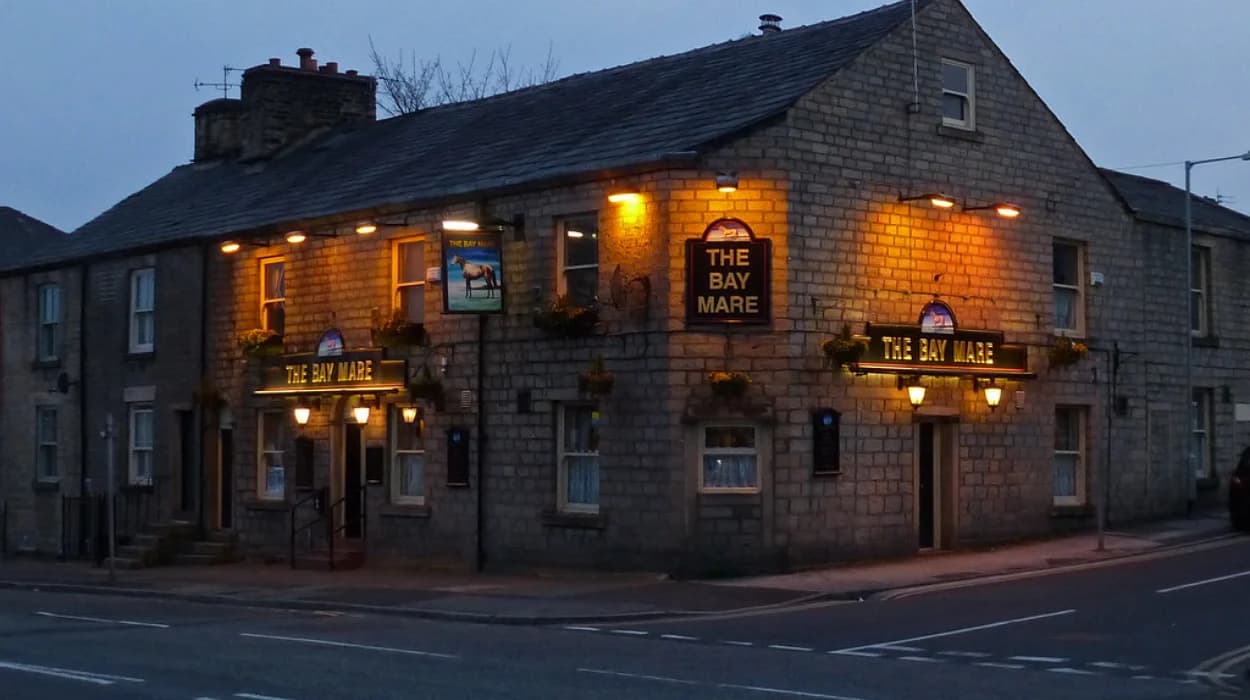
Astley Bridge is one of the most established residential districts in Bolton, located north of Bolton town centre in Greater Manchester. The area developed from a rural settlement into a significant suburban community during the nineteenth and twentieth centuries, driven by industrial expansion, population growth, transport improvements, and local commerce. Today, Astley Bridge remains an important part of Bolton’s urban landscape, combining historic institutions, independent businesses, community facilities, and long-standing social traditions.
Understanding local life in Astley Bridge requires examining how shopping, food culture, community activity, and public spaces evolved alongside Bolton’s industrial and social development. The district provides a valuable example of how historic communities adapt to economic change while maintaining local identity.
How did Astley Bridge develop into a major residential and commercial district of Bolton?
Astley Bridge evolved from agricultural land into a densely populated suburban district during the nineteenth century. Textile manufacturing, improved transport networks, expanding housing developments, and growing local commerce transformed the area into one of Bolton’s most important community and retail centres.
The name Astley Bridge derives from a historic crossing over the River Astley, a tributary associated with the area's early settlement patterns. For centuries, the district remained largely rural and formed part of the wider township landscape surrounding Bolton.
Significant change began during the Industrial Revolution. Between 1801 and 1901, Bolton's population expanded dramatically as cotton manufacturing became one of Lancashire's most important industries. Workers required housing close to mills, and suburban districts such as Astley Bridge experienced sustained growth.
New terraced housing developments appeared throughout the nineteenth century. Examples include streets built for textile workers, housing constructed for skilled tradespeople, and residential developments serving managers and business owners. Improved roads connected Astley Bridge to central Bolton, encouraging commercial activity along key routes.
The arrival of tram services in the late nineteenth century strengthened links with the town centre. Local businesses expanded to meet the needs of a growing population. Grocers, bakers, butchers, tailors, and public houses became central features of daily life.
By the early twentieth century, Astley Bridge had developed into a distinct suburban community with its own shopping areas, schools, churches, recreational facilities, and social institutions.
What role have local shops played in Astley Bridge community life?
Local shops formed the economic and social foundation of Astley Bridge. Independent retailers supplied essential goods, created employment opportunities, supported family businesses, and served as important gathering places where residents exchanged news and maintained community relationships.
Retail activity historically concentrated along major roads serving the district. Small family-run businesses dominated the local economy throughout much of the nineteenth and twentieth centuries.
Traditional shopping patterns reflected the needs of industrial households. Residents typically purchased food, clothing, household goods, and services from local retailers located within walking distance of their homes. Before widespread car ownership, neighbourhood shopping played a critical role in everyday life.
Several categories of businesses became particularly important.
Food retailers and daily necessities
Bakers supplied fresh bread each morning. Butchers provided locally sourced meat. Greengrocers sold seasonal produce. Dairy deliveries connected households directly with regional farms.
These businesses operated within a highly localized economy where personal relationships often lasted for generations.
Clothing and household goods
Tailors, cobblers, drapers, and household suppliers supported working-class and middle-class families alike. Clothing repair and custom tailoring remained common well into the twentieth century.
Financial and professional services
Banks, solicitors, pharmacies, and insurance providers gradually appeared as Astley Bridge expanded. Their presence reflected increasing economic stability and growing population density.
Many independent retailers remain an important feature of Astley Bridge today. Their continued operation demonstrates the enduring value of local commerce within suburban communities.
How has food culture shaped everyday life in Astley Bridge?
Food culture in Astley Bridge reflects Bolton’s industrial heritage, Lancashire traditions, immigration patterns, and modern consumer preferences. Local cafés, bakeries, restaurants, takeaways, and pubs contribute significantly to community identity and social interaction.
Food has long served as a reflection of local economic and cultural change.
During the nineteenth century, working families often relied on affordable, filling meals suitable for physically demanding industrial employment. Traditional Lancashire foods became deeply embedded in local culture.
Examples include Lancashire hotpot, meat and potato pie, black pudding, and oat-based products. These dishes provided substantial nutrition while remaining affordable for large households.
Local bakeries played a particularly important role. Fresh bread, pastries, cakes, and regional specialties became staples of daily life. Many bakeries served as informal social centres where residents interacted regularly.
The twentieth century brought greater diversity to Bolton’s food landscape.
Population mobility, international migration, and changing consumer preferences introduced new cuisines and dining experiences. Restaurants, cafés, and takeaways expanded beyond traditional British fare.
Today, Astley Bridge residents have access to a broad range of food options. Examples include traditional cafés, independent coffee shops, family-owned restaurants, South Asian cuisine establishments, Mediterranean eateries, and modern takeaway businesses.
Food venues continue to function as social spaces where residents meet friends, conduct informal business discussions, and participate in community life.
Why are cafés, pubs, and restaurants important social spaces in Astley Bridge?
Cafés, pubs, and restaurants provide essential venues for social interaction, community cohesion, and local identity. These establishments encourage regular social contact and support the informal networks that strengthen neighbourhood relationships across generations.
Social gathering places have been central to British community life for centuries.
In Astley Bridge, public houses historically served workers employed in nearby mills and industries. Beyond food and drink, pubs offered meeting spaces for local organizations, sports clubs, and charitable groups.
Working men's clubs became another important feature of community life during the nineteenth and twentieth centuries. These institutions hosted educational events, entertainment programmes, and social activities.
Cafés gained increasing popularity during the twentieth century as lifestyles changed. They offered accessible spaces for families, older residents, and community groups.
Restaurants expanded local social opportunities by providing venues for celebrations, family gatherings, and cultural exchange.
Research conducted by urban sociologists consistently shows that accessible social spaces strengthen community trust and increase civic participation. Astley Bridge's hospitality sector contributes directly to these outcomes by supporting everyday interactions among residents.
How have community institutions influenced local identity in Astley Bridge?
Community institutions provide continuity, social support, and civic engagement opportunities. Churches, schools, libraries, sports clubs, charities, and voluntary organizations have shaped local identity while preserving important aspects of Astley Bridge’s historical character.
Institutional development closely followed population growth.
Religious organizations played a foundational role in community formation. Churches often provided educational services, welfare assistance, and social programmes before the expansion of government-supported public services.
Schools became major community anchors during the nineteenth century. Educational institutions promoted literacy, workforce development, and social mobility.
Sports organizations also emerged as important contributors to local life.
Examples include football clubs, cricket clubs, bowling clubs, and youth sporting programmes. These organizations foster community participation and strengthen local pride.
Libraries and community centres expanded opportunities for lifelong learning and cultural engagement.
Volunteer groups continue to support neighbourhood improvement initiatives, heritage projects, environmental activities, and charitable fundraising efforts.
Together, these institutions create networks of social capital that help maintain community resilience during periods of economic and demographic change.
What historic landmarks and public spaces remain important today?
Historic landmarks and public spaces preserve Astley Bridge’s heritage while continuing to serve modern residents. Religious buildings, memorials, parks, historic streetscapes, and civic structures provide visible connections between the district’s past and present.
Many aspects of Astley Bridge's historical development remain visible within the built environment.
Victorian and Edwardian architecture continues to define significant portions of the district. Examples include terraced housing developments, former commercial premises, and institutional buildings constructed during periods of rapid expansion.
Historic churches remain among the most prominent architectural features in the area. Their presence reflects the importance of religion and civic organization during the nineteenth century.
War memorials commemorate residents who served during major conflicts. These monuments continue to play a role in annual remembrance activities.
Public parks and recreational spaces provide additional links to historical community planning. Victorian urban reformers increasingly recognized the health benefits of accessible green spaces for industrial populations.
To experience this historic landmark in person today, consult our comprehensive How Astley Bridge Became Part of Bolton: Administrative and Urban History Explained for itineraries and visiting parameters.
Preservation of these assets contributes to local identity while supporting educational and cultural tourism opportunities.
How did industrial change affect shopping and community life in Astley Bridge?
Industrial change transformed Astley Bridge’s economy, population structure, and commercial activity. The decline of traditional textile manufacturing altered employment patterns, reshaped consumer behaviour, and encouraged diversification within local businesses and services.
The cotton industry formed the economic foundation of Bolton throughout much of the nineteenth century.
Industrial employment supported local spending power, which in turn sustained neighbourhood retailers and service providers.
The twentieth century brought substantial economic restructuring.
Global competition, technological change, and shifts in manufacturing reduced employment within traditional industries. Many mills closed, affecting communities across Bolton.
Local businesses adapted in response.
Retailers diversified product offerings. Service industries expanded. New commercial sectors emerged to meet changing consumer needs.
Shopping patterns also evolved due to increased car ownership and the development of larger retail centres.
Despite these changes, Astley Bridge retained a strong local commercial identity. Independent businesses continued serving residents, demonstrating the adaptability of neighbourhood-based economies.
The district's experience reflects broader patterns observed throughout former industrial communities across northern England.
What community events and traditions connect residents today?
Community events strengthen social cohesion, celebrate local heritage, and encourage civic participation. Seasonal celebrations, charity fundraisers, cultural activities, remembrance ceremonies, and sports events help maintain continuity between historical traditions and contemporary community life.
Community events create opportunities for residents to engage with shared traditions and collective identity.
Religious celebrations remain important for many local institutions. Churches continue organizing seasonal programmes and charitable activities.
Remembrance events honour military service and local sacrifice. These commemorations maintain historical awareness while reinforcing community values.
Sports competitions and recreational activities attract participation from multiple generations.
Examples include youth tournaments, local league competitions, and community fitness programmes.
Charitable fundraising events support both local causes and national organizations.
Neighbourhood festivals and community gatherings contribute to social inclusion by bringing together residents from different backgrounds.
Research in community development consistently demonstrates that regular civic participation increases social trust and strengthens neighbourhood resilience. Astley Bridge's event calendar contributes to these positive outcomes.
Why does Astley Bridge remain an important part of Bolton’s cultural landscape?
Astley Bridge remains significant because it combines historical continuity, active community institutions, diverse local businesses, and preserved heritage assets. The district demonstrates how established suburban communities maintain identity while adapting to economic and social change.
Astley Bridge occupies an important position within Bolton's historical and cultural geography.
The district reflects several major themes in British urban history. These include industrialization, suburban growth, community institution building, retail development, and post-industrial adaptation.
Its streets, businesses, public spaces, and community organizations preserve evidence of these historical processes.
Modern Astley Bridge continues serving as a residential, commercial, and social centre for thousands of residents. Independent shops support local economic activity. Food businesses contribute cultural diversity. Community organizations strengthen civic engagement.
Heritage preservation efforts ensure that important aspects of the district's historical character remain visible for future generations.
For educators, Astley Bridge offers a practical case study of urban development and community formation. For genealogical researchers, it provides valuable insight into the environments experienced by families connected to Bolton's industrial history. For visitors, it presents an authentic example of a historic Lancashire community that continues to evolve while retaining strong local identity.
The enduring importance of Astley Bridge lies in this balance between continuity and change. Its commercial streets, community institutions, food culture, and historic landscape collectively illustrate how local communities preserve heritage while adapting to contemporary realities. As Bolton continues to develop during the twenty-first century, Astley Bridge remains a significant contributor to the borough’s cultural, social, and historical identity.
FAQS
What is Astley Bridge known for?
Astley Bridge is known for its rich industrial heritage, historic connection to the cotton industry, established residential communities, independent shops, local food businesses, and strong community identity within Bolton.