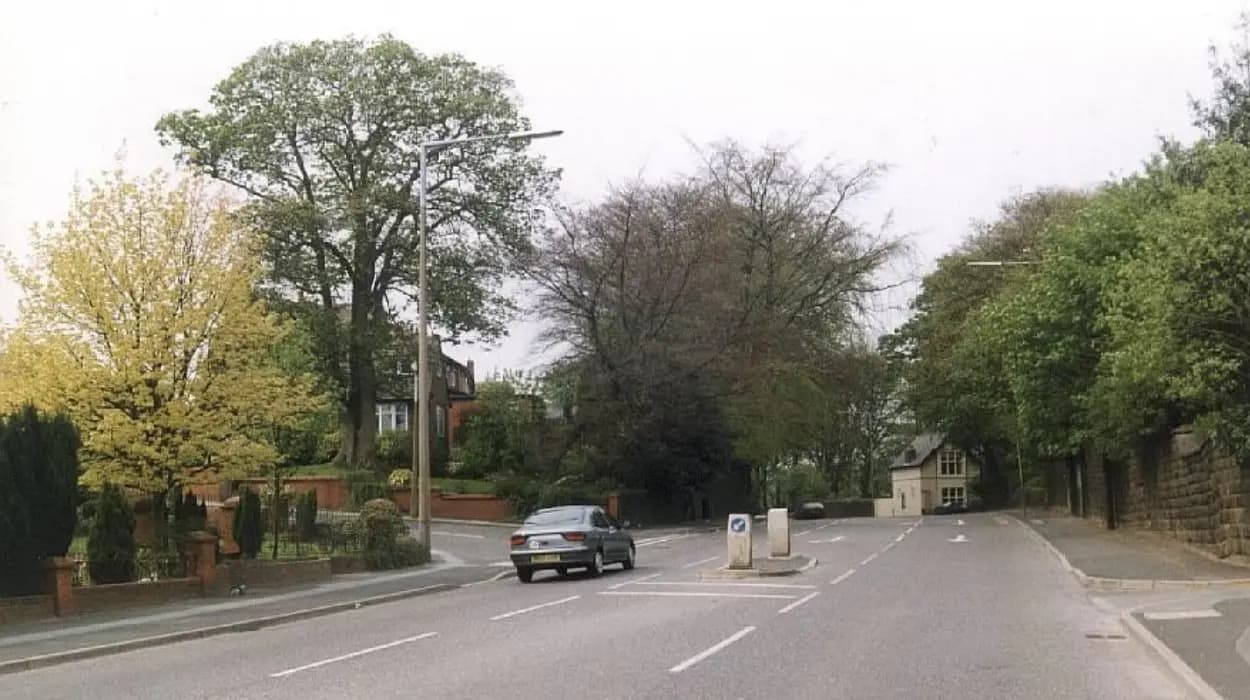
Astley Bridge is one of Bolton’s most historically significant districts. Located north of Bolton town centre in Greater Manchester, the area evolved from a small rural settlement into a thriving industrial suburb during the nineteenth century. The History of Astley Bridge: From Rural Lancashire Hamlet to Industrial Bolton Suburb reflects the wider transformation of Lancashire during the Industrial Revolution, illustrating how agriculture, textile manufacturing, transport infrastructure, and suburban growth reshaped communities across northern England. Its development mirrors broader changes in British economic and social history.
What is the historical significance of Astley Bridge?
Astley Bridge represents the transition of northern England from an agricultural landscape to an industrial urban society. Its development illustrates the impact of textile manufacturing, transport expansion, population growth, and suburbanisation on Lancashire communities between the eighteenth and twentieth centuries.
Astley Bridge occupies a strategic position north of Bolton and historically formed part of the township of Sharples in Lancashire. The district developed around the crossing of Astley Brook, which gave the area its name and provided an important geographical feature influencing settlement patterns.
The historical significance of Astley Bridge lies in its ability to demonstrate multiple phases of English regional development. These phases include agricultural settlement, industrial expansion, suburban growth, and modern regeneration. Each phase left physical and cultural evidence that remains visible today.
Astley Bridge also illustrates the wider history of Lancashire's textile economy. During the nineteenth century, Lancashire became the centre of global cotton manufacturing. Communities such as Astley Bridge supplied labour, infrastructure, and industrial sites that supported this growth.
Understanding the History of Astley Bridge: From Rural Lancashire Hamlet to Industrial Bolton Suburb provides valuable insight into how local developments reflected broader national trends in industrialisation, urbanisation, and economic expansion.
How did Astley Bridge begin as a rural Lancashire settlement?
Astley Bridge originated as a small agricultural community within the township of Sharples. Farming dominated the local economy for centuries, with dispersed farmsteads, grazing land, and rural tracks forming the area's landscape before industrial development accelerated during the nineteenth century.
Before industrialisation, the area consisted primarily of farmland, agricultural holdings, and scattered cottages. Livestock farming and crop cultivation supported local livelihoods and connected the settlement to Bolton's markets.
The location between Bolton and the West Pennine Moors offered access to agricultural land and trade routes. Historical maps reveal a landscape dominated by fields, streams, and small rural roads rather than dense housing developments.
Population levels remained relatively low throughout the seventeenth and eighteenth centuries. Most residents lived in isolated farmhouses or small clusters of dwellings. Several historic field patterns and road alignments established during this period continued to influence later urban development.
Parish records, land surveys, and estate documents demonstrate the gradual evolution of the area before the onset of large-scale industrialisation.
Why did industrialisation transform Astley Bridge during the nineteenth century?
Industrialisation transformed Astley Bridge because nearby cotton manufacturing created demand for labour, housing, transport, and industrial sites. Textile expansion attracted investment and population growth, converting farmland into factories, workers’ housing, and commercial developments.
A defining chapter in the History of Astley Bridge: From Rural Lancashire Hamlet to Industrial Bolton Suburb was the arrival of industrialisation. This period fundamentally changed the area's economy, population distribution, housing patterns, and physical landscape.
The Industrial Revolution transformed Lancashire into one of the world's leading manufacturing regions. Bolton became a major centre of cotton spinning and weaving, creating opportunities for surrounding districts such as Astley Bridge.
As industrial activity expanded, landowners and investors recognised the potential of undeveloped land around Bolton. Agricultural fields gave way to factories, warehouses, workshops, and housing developments designed to accommodate growing numbers of workers.
The district's population increased significantly throughout the Victorian era. New residents arrived from surrounding rural communities and other parts of Britain in search of employment opportunities.
Industrial growth also encouraged the construction of schools, churches, shops, and public services, helping to establish Astley Bridge as a distinct suburban community.
How did the textile industry shape Astley Bridge’s development?
The textile industry shaped Astley Bridge through employment, housing construction, infrastructure investment, and population expansion. Cotton mills became major economic drivers, influencing settlement patterns and creating the urban environment that defined the district throughout the Victorian era.
Textile manufacturing provided the foundation for economic growth throughout the area. Mills required large workforces, leading to the rapid construction of housing and supporting infrastructure.
Industrial buildings became prominent landmarks. Built primarily from brick and stone, these structures reflected the scale and importance of Lancashire's cotton industry. Their architecture continues to influence the character of many former industrial communities.
Rows of terraced housing were developed to accommodate workers and their families. These residential areas remain a defining feature of Astley Bridge's urban landscape.
The textile industry also stimulated supporting sectors, including engineering, transport, retail, and construction. Together, these industries contributed to sustained economic growth during the nineteenth and early twentieth centuries.
What role did transport play in the growth of Astley Bridge?
Transport improvements enabled Astley Bridge to expand by connecting residents, workers, and businesses with Bolton and wider Lancashire. Better roads, public transport services, and regional infrastructure strengthened economic activity and encouraged suburban development throughout the nineteenth and twentieth centuries.
Efficient transport networks were essential for industrial success. Cotton, coal, machinery, and finished goods required reliable methods of movement between factories and markets.
Road improvements strengthened connections between Astley Bridge and Bolton town centre. Increased accessibility encouraged residential and commercial development throughout the district.
The expansion of Lancashire's railway network during the nineteenth century further supported regional growth. Nearby rail connections improved access to national markets and facilitated the movement of workers and materials.
Public transport systems, including tramways and later bus services, enhanced mobility and reinforced Astley Bridge's role as an important suburban community.
Which historic buildings and landmarks define Astley Bridge?
Astley Bridge contains several important historic buildings that reflect its religious, industrial, educational, and residential heritage. Churches, former mill structures, historic schools, and Victorian-era housing collectively preserve evidence of the district’s historical evolution.
The area's architectural heritage reflects successive phases of development. Religious buildings constructed during the nineteenth century served expanding populations and became important community institutions.
Former mill buildings remain among the most visible reminders of industrial prosperity. Even where original manufacturing functions have ceased, these structures continue to contribute to the area's historic character.
Victorian housing developments demonstrate how industrial expansion influenced urban planning and residential growth. Schools, public buildings, and community facilities further illustrate the evolution of local society.
Together, these landmarks create a valuable historical record that supports education, heritage preservation, and cultural tourism.
How did community life evolve in Astley Bridge?
Community life evolved from small agricultural networks into a diverse urban society shaped by industrial employment, religious institutions, education, and civic organisations. Local identity strengthened through shared workplaces, neighbourhoods, schools, and social activities across generations.
Industrialisation transformed social relationships as workers increasingly lived near factories and interacted within growing residential neighbourhoods.
Churches played an important role in community development by providing educational programmes, charitable services, and social activities. Schools became centres of learning and civic engagement.
The growth of sports clubs, voluntary organisations, and local associations strengthened social connections and contributed to a strong sense of community identity.
Migration brought new skills, traditions, and cultural influences to the area, helping shape the diverse population that characterises Astley Bridge today.
What green spaces and natural features connect Astley Bridge to its rural past?
Astley Bridge retains important natural features that preserve connections to its agricultural origins. Parks, woodland areas, waterways, and surrounding countryside provide evidence of the district’s historical landscape while supporting recreation and environmental conservation today.
Despite extensive urban development, Astley Bridge retains significant links to its rural heritage. Astley Brook remains a notable natural feature that influenced early settlement and economic activity.
Nearby parks and open spaces preserve aspects of the historic landscape while providing recreational opportunities for residents and visitors. Woodland areas and walking routes contribute to environmental conservation and local wellbeing.
To experience this historic landscape in person today, consult our comprehensive [Things to Do in Astley Bridge: Parks, Walks and Hidden Green Spaces Guide] for itineraries and visiting parameters.
The area's proximity to the West Pennine Moors further reinforces connections with Lancashire's rural past, offering access to landscapes that have shaped local history for centuries.
How has Astley Bridge changed since the decline of the textile industry?
Astley Bridge adapted to post-industrial change through economic diversification, residential development, heritage preservation, and community investment. Former industrial sites gained new uses while local institutions continued supporting a strong sense of place and historical continuity.
The later stages of the History of Astley Bridge: From Rural Lancashire Hamlet to Industrial Bolton Suburb demonstrate how former industrial communities adapted to economic restructuring while preserving significant elements of their built and cultural heritage.
The decline of Britain's textile industry during the twentieth century brought substantial economic challenges to Lancashire communities. Mill closures affected employment and altered local economic structures.
Astley Bridge responded through redevelopment, regeneration projects, and investment in residential and commercial infrastructure. Former industrial sites were repurposed for modern uses while retaining elements of their historical significance.
Community organisations, local authorities, and heritage groups played important roles in preserving historical assets and supporting regeneration initiatives.
Why does the history of Astley Bridge remain important today?
The history of Astley Bridge remains important because it explains the district’s identity, built environment, and community development. Historical understanding supports heritage preservation, educational research, cultural tourism, and informed planning for future generations within Bolton.
The history of Astley Bridge provides valuable context for understanding broader developments in Lancashire and northern England. It demonstrates how industrialisation transformed landscapes, economies, and communities while creating lasting cultural legacies.
For educators, researchers, and genealogists, the area offers important historical evidence through buildings, archives, maps, and local records. For visitors, it provides opportunities to explore the heritage of one of Bolton's most distinctive districts.
From its origins as a rural Lancashire hamlet to its development as a major industrial suburb, Astley Bridge represents an important chapter in Bolton's story. Its evolution reflects wider national changes while maintaining a unique local identity.
FAQS
Why is Astley Bridge historically important?
Astley Bridge is historically important because it illustrates the transformation of Lancashire from a rural agricultural region into a major industrial centre during the Industrial Revolution.