Astley Bridge is widely associated with Bolton’s industrial expansion and textile manufacturing heritage. Long before cotton mills, factory chimneys, and Victorian urban growth transformed the landscape, the area existed as a rural settlement shaped by agriculture, waterways, transport routes, and medieval landholding patterns. Understanding the early history of Astley Bridge provides valuable insight into how northern England’s countryside evolved into one of the most significant industrial regions in Britain.
The story of Astley Bridge begins centuries before industrialisation. Its development reflects broader historical changes across Lancashire, including medieval agricultural systems, population growth, religious transformation, transport improvements, and regional economic expansion. These foundations established the conditions that later enabled Bolton and its surrounding districts to become major centres of textile production.
What was Astley Bridge before the arrival of the textile mills?
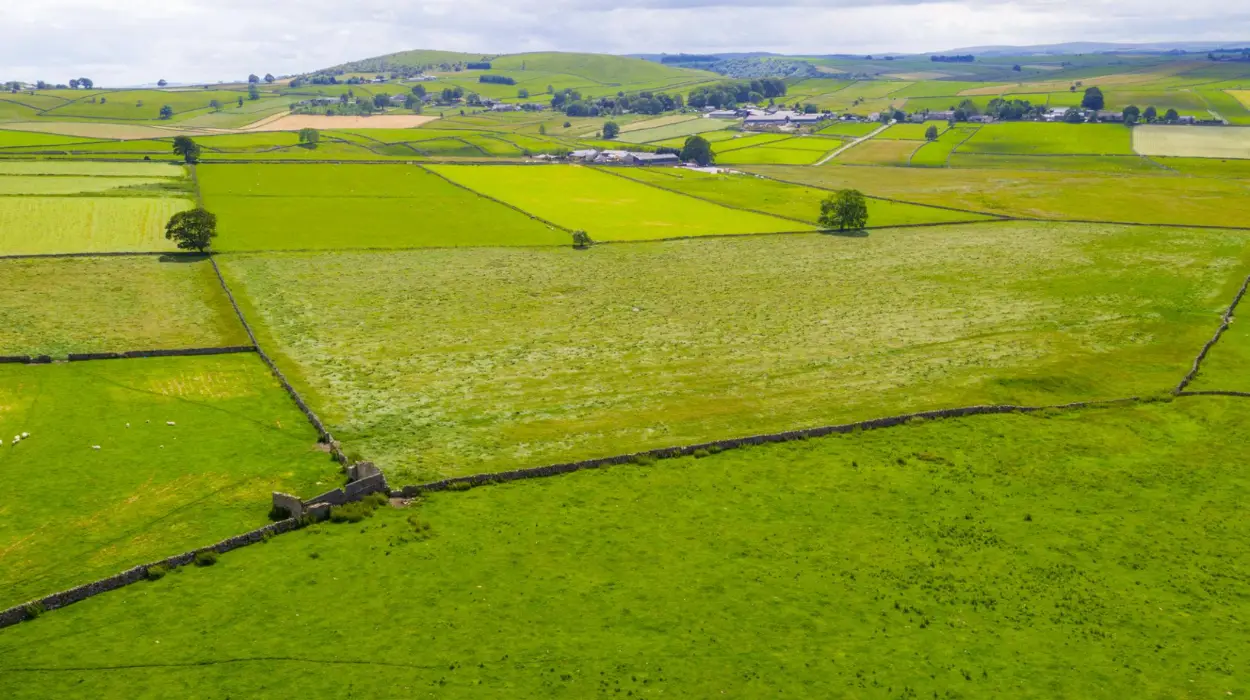
Before industrialisation, Astley Bridge was a rural agricultural area north of Bolton consisting of farmland, scattered farmsteads, watercourses, and transport crossings. Its economy depended on farming, livestock rearing, and small-scale domestic production that supported nearby settlements throughout medieval and early modern Lancashire.
The name Astley Bridge refers to a crossing point that developed over a local watercourse on one of the routes connecting Bolton with settlements to the north. Historical records indicate that the area formed part of the wider rural landscape surrounding Bolton Parish for many centuries.
During the medieval period, most residents worked in agriculture. Fields were divided into cultivated strips, grazing areas, and common land. Families produced food primarily for local consumption rather than large commercial markets. Livestock such as cattle, sheep, and pigs played an essential role in the rural economy.
The landscape consisted of rolling countryside, small farms, woodland areas, streams, and open fields. Settlements were dispersed rather than concentrated. Individual farmhouses and agricultural holdings occupied the land that would later become densely populated residential districts.
Water shaped local development. Streams provided drinking water, supported livestock, powered small industrial activities, and influenced transport routes. Bridges became important landmarks because they enabled movement between communities throughout the year.
The rural character of Astley Bridge remained dominant until the late eighteenth century, when industrial growth accelerated across Lancashire.
How did rural Bolton develop during the medieval period?
Medieval Bolton developed as a market settlement surrounded by agricultural land. The wider region relied on farming, local trade, religious institutions, and feudal land management systems that structured economic and social life between the eleventh and fifteenth centuries.
The origins of Bolton can be traced to the medieval manor system established after the Norman Conquest of 1066. Land ownership was organised through feudal arrangements, with tenants working agricultural land under obligations to local lords.
Bolton gradually emerged as an important local centre. Markets facilitated the exchange of grain, livestock, wool, and household goods. The surrounding countryside supplied food and raw materials to the settlement.
Parish churches served both religious and administrative functions. They recorded baptisms, marriages, and burials while acting as focal points for community life. Religious institutions influenced education, social organisation, and local governance.
Agricultural production followed seasonal cycles. Farmers cultivated crops such as oats, barley, and rye while maintaining pasture for grazing animals. Productivity remained dependent on weather conditions, available labour, and traditional farming techniques.
Archaeological evidence from Lancashire demonstrates the existence of medieval field systems, farmsteads, and transport routes throughout the region. These features illustrate how rural communities organised land use long before industrial development altered the landscape.
Population levels remained relatively modest. Most people lived and worked within short distances of their homes, creating tightly connected local communities.
Why was the landscape around Astley Bridge important to early settlement?
The landscape around Astley Bridge provided fertile agricultural land, reliable water sources, transport connections, and natural resources. These environmental advantages encouraged settlement, supported farming activities, and influenced the long-term development of the area throughout centuries of rural occupation.
Geography played a central role in determining where people settled. The area north of Bolton offered access to cultivable land and freshwater resources that sustained agricultural communities.
Several streams flowed through the surrounding countryside. Watercourses supplied households and livestock while also supporting early milling operations. Even before large textile mills emerged, small water-powered activities existed in various parts of Lancashire.
The region's gently undulating terrain allowed agricultural expansion while providing routes for movement between settlements. Roads often followed older pathways that linked farms, villages, markets, and parish centres.
Woodlands supplied timber for construction, fuel for heating, and materials for tools and agricultural equipment. Natural resources influenced economic activity long before industrial extraction and manufacturing became dominant.
The bridge crossing itself became strategically important because it facilitated travel and commerce. Infrastructure that improved movement often encouraged the growth of nearby settlements.
Over time, these geographical advantages helped transform a rural locality into an area capable of supporting larger populations and economic diversification.
How did agriculture shape everyday life in Astley Bridge and rural Bolton?
Agriculture determined employment, settlement patterns, food production, social structures, and seasonal routines. Most households depended directly on farming activities, making agricultural productivity the foundation of local economic and community life before industrialisation transformed Lancashire.
Farming represented the principal occupation for most residents. Agricultural work included ploughing, sowing, harvesting, animal husbandry, fencing, and maintenance of rural infrastructure.
Households often combined multiple economic activities. Families cultivated crops while raising livestock and producing goods for local exchange. This diversified approach reduced vulnerability to poor harvests or market fluctuations.
Seasonal rhythms governed daily life. Spring involved planting and preparation. Summer focused on maintenance and grazing. Autumn centred on harvesting. Winter required repairs, food storage, and livestock care.
Housing reflected agricultural needs. Farmhouses incorporated storage areas, barns, and outbuildings designed to support rural production. Settlement patterns remained dispersed because residents lived close to their land.
Community cooperation was essential. Neighbours assisted one another during labour-intensive periods such as harvesting. Shared responsibilities also included maintaining roads, boundaries, and common resources.
Agriculture influenced social status. Land ownership often determined wealth and local influence, while tenant farmers and agricultural labourers occupied different positions within the rural hierarchy.
The agricultural foundation of Astley Bridge persisted for centuries and continued influencing local identity even after industrial development began.
What transport routes connected Astley Bridge to surrounding communities?
Early transport routes connected Astley Bridge with Bolton, neighbouring villages, farms, and regional markets. Roads, bridges, footpaths, and packhorse routes enabled movement of people, livestock, agricultural products, and commercial goods throughout the wider Lancashire countryside.
Transport networks evolved gradually. Medieval and early modern roads were often unpaved and heavily affected by weather conditions. Nevertheless, they remained essential for communication and trade.
Packhorse routes formed a significant component of regional transport infrastructure. Horses carried goods across Lancashire before the widespread development of modern roads and canals.
Bridges improved reliability by allowing crossings over rivers and streams. These structures reduced travel difficulties and contributed to economic integration between settlements.
Bolton's market function increased the importance of local transport connections. Farmers from surrounding areas transported produce into the town for sale and exchange.
By the seventeenth and eighteenth centuries, growing commercial activity created pressure for improved infrastructure. Road improvements enhanced access to regional markets and encouraged economic growth.
The transport links established during the rural period later supported industrial expansion by facilitating the movement of raw materials, manufactured goods, and workers.
Many modern roads still follow historical routes established centuries earlier, reflecting the enduring influence of early transport geography.
How did religion and local institutions influence rural society?
Religious institutions shaped education, governance, social welfare, record-keeping, and community identity. Parish churches acted as administrative centres that connected rural populations while influencing everyday life throughout medieval and early modern Lancashire.
The parish system represented one of the most important institutions in rural England. Churches organised religious services while also fulfilling administrative responsibilities.
Parish records preserved information about births, marriages, and deaths. These documents remain valuable sources for historians and genealogical researchers studying local populations.
Religious observance structured the calendar. Festivals, holy days, and weekly services created shared experiences that reinforced community cohesion.
Church authorities frequently assisted vulnerable residents through forms of local welfare. Community support mechanisms helped address poverty and hardship before modern social services existed.
Education often had religious foundations. Basic literacy and religious instruction were provided through institutions connected to the church.
The religious changes associated with the English Reformation during the sixteenth century altered governance structures, property ownership, and community practices throughout Lancashire.
Despite these transformations, parish institutions remained central to local life for generations.
What changes occurred in Astley Bridge before industrialisation began?
Population growth, commercial expansion, improved transport, and increasing domestic textile production gradually transformed Astley Bridge during the seventeenth and eighteenth centuries. These developments created economic foundations that prepared the area for later industrial growth.
Industrialisation did not appear suddenly. Significant changes occurred before the construction of large factories and mills.
Population levels increased across many parts of Lancashire during the seventeenth and eighteenth centuries. Growing demand for food, housing, and employment encouraged economic adaptation.
Domestic textile production became increasingly important. Families often combined farming with spinning and weaving activities performed within their homes. This arrangement became known as the domestic or cottage industry system.
Commercial networks expanded as regional and national markets developed. Rural communities became more connected to wider economic trends.
Agricultural improvements increased productivity in some areas. New techniques and organisational changes enabled more efficient land use.
Infrastructure improvements strengthened connections between settlements. Better roads supported trade and mobility while encouraging investment.
These gradual developments created a transitional period in which traditional rural lifestyles coexisted with emerging commercial opportunities.
What evidence survives from Astley Bridge’s pre-industrial past today?
Evidence of Astley Bridge’s pre-industrial history survives through historic road alignments, parish records, archaeological findings, landscape features, historic buildings, and local archives. These sources provide valuable insights into the area’s agricultural and rural heritage before industrialisation.
Many elements of the historic landscape remain visible despite extensive urban development.
Historic routes continue influencing modern transport networks. Road patterns frequently reflect centuries-old pathways established during the rural era.
Parish registers preserve demographic information spanning generations. Researchers use these records to reconstruct family histories and community development.
Archaeological investigations reveal evidence of earlier settlement patterns, agricultural practices, and land use systems. Excavations across Lancashire have documented field boundaries, farmstead remains, and material culture associated with rural life.
Historic buildings provide tangible connections to the past. Surviving farmhouses and older structures illustrate architectural traditions that predate industrial expansion.
Local archives contain maps, legal documents, estate records, and census materials that help historians understand long-term change.
To experience this historic landscape in person today, consult our comprehensive Astley Bridge Through the Centuries: A Complete History of Bolton’s Northern District for itineraries and visiting parameters.
Heritage organisations continue documenting and preserving these resources for future generations.
Why does the early history of Astley Bridge remain important today?
The early history of Astley Bridge explains how geography, agriculture, transport, and community institutions shaped local development. Understanding this rural foundation provides essential context for Bolton’s industrial heritage, cultural identity, and ongoing preservation efforts.
Industrial heritage often receives greater public attention because mills, factories, and urban growth produced visible transformations. However, the rural centuries that preceded industrialisation established the conditions necessary for those changes to occur.
Agricultural communities created settlement patterns, transport routes, and social institutions that endured across generations. Economic networks developed gradually rather than appearing suddenly during the Industrial Revolution.
The study of rural history also contributes to broader understanding of British social and economic development. Local examples illustrate national processes including population growth, agricultural change, religious transformation, and commercial expansion.
For genealogists, pre-industrial records provide essential evidence for tracing family histories. Parish documents and land records often preserve information unavailable elsewhere.
For educators, Astley Bridge offers a case study demonstrating how landscapes evolve over time. Rural environments, transport infrastructure, economic systems, and demographic trends interacted to shape historical outcomes.
For heritage preservationists, recognising the area's agricultural past encourages more comprehensive conservation approaches that extend beyond industrial landmarks.
Astley Bridge's story begins long before cotton mills dominated the skyline. Its earliest chapters reveal a landscape shaped by farming, waterways, community institutions, and gradual economic change. Those rural foundations formed the basis upon which modern Bolton emerged. Understanding that history provides a richer and more complete picture of one of Lancashire's most significant communities.
FAQS
What was Astley Bridge like before the Industrial Revolution?
Astley Bridge was a rural agricultural landscape made up of farmland, scattered farmsteads, streams, and small transport crossings. Most people worked in farming or related cottage industries, and the area formed part of the wider rural hinterland of Bolton.