Astley Bridge originated as a rural crossing point on the northern approaches to Bolton, developing from agricultural landscapes and medieval transport routes into a distinct settlement area that later became one of Bolton’s most important industrial and residential districts during the nineteenth century.
Astley Bridge is a northern district of Bolton in Greater Manchester, England. Its historical development reflects broader changes that shaped Lancashire from the medieval period through the Industrial Revolution and into the modern era. Understanding Astley Bridge requires examining the landscape, economy, transport networks, and communities that existed long before large-scale textile mills transformed the region.
The district takes its name from a bridge crossing the River Astley, a watercourse that formed part of the natural geography north of Bolton. Historically, rivers and streams determined settlement patterns throughout Lancashire. They supplied water, enabled agriculture, and created natural routes between communities.
Before industrialisation, the area consisted largely of farmland, scattered farmsteads, grazing land, and small rural holdings. These agricultural landscapes connected to the wider township of Bolton-le-Moors, an historic settlement recorded in medieval documents and parish records.
Bolton itself emerged as an important market settlement during the Middle Ages. By the thirteenth century, markets and local trade supported surrounding agricultural communities. Astley Bridge functioned as part of this rural hinterland, supplying food, livestock, and agricultural products to Bolton's growing population.
The area's strategic position on routes leading north toward Blackburn and other Lancashire settlements ensured continued importance. Transport corridors frequently shaped settlement growth, and Astley Bridge benefited from its location near established roads connecting multiple communities across the region.
What was the landscape of Astley Bridge like before industrialisation?
Before industrialisation, Astley Bridge consisted of agricultural fields, pastureland, woodland fragments, streams, and dispersed farmsteads. The landscape reflected centuries of rural land use, supporting farming families and local markets while remaining closely connected to the countryside surrounding Bolton.
The physical geography of Astley Bridge played a decisive role in its early development. The district occupies elevated ground north of central Bolton, with valleys and watercourses cutting through the landscape. These natural features influenced both agriculture and transportation.
Historical maps from the eighteenth century show a predominantly rural environment. Fields were enclosed for agricultural production, while roads connected isolated farmhouses and small settlements. Farming represented the primary economic activity for most residents.
Livestock husbandry formed a significant component of local agriculture. Farmers raised cattle and sheep suited to Lancashire's climate and terrain. Arable farming also existed, producing crops necessary for local consumption and regional trade.
Water resources were especially important. Streams supplied households, livestock, and agricultural operations. Watercourses later became valuable industrial assets because they could power machinery before widespread steam technology.
The surrounding countryside also contained woodland remnants and common land. These spaces provided timber, fuel, and grazing opportunities. Rural communities relied heavily upon local natural resources, creating a close relationship between settlement patterns and environmental conditions.
Population density remained relatively low compared with later industrial periods. Farmhouses, cottages, and agricultural buildings dominated the built environment. The landscape reflected stability and continuity rather than rapid urban expansion.
Why was Bolton’s medieval growth important to Astley Bridge?
Bolton’s medieval expansion created economic opportunities for nearby rural districts including Astley Bridge. Market activity, religious institutions, and regional trade networks increased demand for agricultural production, strengthening links between the town and its surrounding countryside over several centuries.
The medieval history of Bolton provides essential context for understanding Astley Bridge. Bolton-le-Moors developed as a market town serving a broad rural area across south-east Lancashire. Markets enabled agricultural producers to sell goods and acquire essential supplies.
Economic relationships between Bolton and surrounding communities became increasingly integrated. Farmers from districts such as Astley Bridge participated in local commerce and contributed to regional food production.
Religious institutions also influenced development. Parish structures shaped community organisation, taxation, land management, and social life. The historic Parish Church of Bolton served an extensive population across the region, including residents living in rural northern districts.
Manorial systems governed much of medieval land ownership. Local landholders controlled agricultural estates and exercised authority over tenants. These arrangements influenced settlement patterns and economic relationships for centuries.
Transport routes linking farms to Bolton's market became increasingly important. Regular movement of people, livestock, and goods strengthened connections between town and countryside. Roads that later supported industrial development often followed much older medieval pathways.
By the early modern period, Bolton had established itself as a significant regional centre. This growing urban influence created conditions that eventually supported the transformation of nearby rural districts such as Astley Bridge.
How did farming shape everyday life in early Astley Bridge?
Agriculture shaped nearly every aspect of daily life in early Astley Bridge, determining employment, settlement patterns, seasonal activities, family structures, and local trade. Most residents depended directly or indirectly on farming for income and sustenance.
For centuries, agriculture formed the foundation of local society. Families worked land that often passed through generations, creating strong connections between people and place. Rural households combined crop cultivation, livestock management, and domestic production.
Agricultural work followed seasonal rhythms. Spring planting, summer maintenance, autumn harvesting, and winter preparation structured annual life. These cycles influenced social customs, labour requirements, and local economic activity.
Many households supplemented farming income through cottage industries. Domestic textile production became increasingly important throughout Lancashire during the seventeenth and eighteenth centuries. Families often combined agricultural work with spinning and weaving activities conducted within their homes.
Housing reflected rural economic realities. Farmhouses and cottages were practical structures designed to support agricultural livelihoods. Buildings frequently incorporated storage spaces, workshops, and facilities for livestock.
Community life centred on parish institutions, markets, and local networks. Social relationships often developed through shared agricultural work, religious observance, and mutual assistance during demanding seasonal periods.
Historical records indicate that Lancashire's rural economy became increasingly diversified during the eighteenth century. This diversification created foundations for later industrial expansion while preserving many traditional agricultural practices.
What role did transport routes play in the development of Astley Bridge?
Transport routes established Astley Bridge as an important connecting point between Bolton and northern Lancashire. Roads, bridges, and later turnpike improvements facilitated movement, trade, communication, and eventual industrial growth throughout the region.
Transport infrastructure has influenced Astley Bridge since its earliest development. The district's name itself highlights the significance of a bridge crossing associated with the River Astley.
In pre-industrial England, roads varied greatly in quality. Many routes were difficult to navigate during adverse weather. Despite these limitations, transport networks remained essential for moving agricultural goods and maintaining regional connections.
The eighteenth century witnessed substantial improvements through the turnpike system. Turnpike trusts collected tolls and invested in road maintenance. These developments enhanced travel efficiency and increased commercial activity across Lancashire.
Improved transport supported broader economic integration. Farmers gained better access to markets, while merchants could transport goods more effectively. Such changes benefited settlements located along important routes.
Astley Bridge's location on northern approaches to Bolton increased its strategic value. Traffic moving between Bolton and other Lancashire communities frequently passed through the area, encouraging gradual development.
Transport improvements also prepared the district for industrialisation. Efficient movement of raw materials, manufactured goods, and workers became essential during the nineteenth century. Existing routes provided a framework for subsequent economic transformation.
How did the domestic textile industry influence rural Astley Bridge?
The domestic textile industry introduced manufacturing activities into rural Astley Bridge before factory production emerged. Spinning and weaving supplemented agricultural incomes, connected households to regional markets, and laid foundations for later industrial development.
Lancashire's textile tradition predates large industrial mills. During the seventeenth and eighteenth centuries, many rural households participated in domestic textile production known as the putting-out system.
Under this arrangement, merchants supplied raw materials to workers who processed them within their homes. Spinners and weavers completed various stages of production before returning finished goods for sale and distribution.
Astley Bridge residents likely participated in these regional economic networks. The combination of agriculture and textile production became characteristic of many Lancashire communities.
Domestic manufacturing altered household economies. Families diversified income sources and became increasingly connected to wider commercial markets. Economic relationships extended beyond immediate local communities.
The textile trade also encouraged skills development. Knowledge of spinning, weaving, and related processes spread throughout rural areas. These skills later supported workforce requirements during industrialisation.
As demand for textile products increased, production systems expanded. Technological innovations gradually transformed manufacturing methods and encouraged concentration of production within dedicated facilities. This transition marked the beginning of profound changes throughout Lancashire.
Why did industrialisation transform Astley Bridge during the nineteenth century?
Industrialisation transformed Astley Bridge because textile manufacturing, improved transport, technological innovation, and population growth created conditions for rapid urban expansion. Rural landscapes gave way to mills, housing developments, and modern infrastructure across the district.
The nineteenth century represents the most dramatic period in Astley Bridge's historical evolution. The Industrial Revolution fundamentally altered economic structures, settlement patterns, and social conditions throughout Lancashire.
Bolton emerged as one of Britain's major textile centres. Cotton spinning and weaving industries expanded rapidly, attracting investment, labour, and technological innovation. Nearby districts including Astley Bridge experienced significant growth as industrial activity spread outward from the town centre.
Steam power reduced dependence on traditional water sources and enabled larger manufacturing facilities. Mill construction accelerated across the region, creating employment opportunities and attracting new residents.
Population growth accompanied industrial expansion. Workers migrated from rural areas and other regions seeking employment. Demand for housing increased substantially, leading to extensive residential development.
Urban infrastructure expanded to support growing communities. Roads, schools, churches, and public services became increasingly important. The character of Astley Bridge changed from predominantly agricultural to predominantly industrial and residential.
This transformation reflected broader national trends. Across Britain, industrialisation reshaped landscapes, economies, and societies. Astley Bridge provides a local example of these far-reaching historical processes.
Which historic landmarks and structures preserve Astley Bridge’s past?
Several historic buildings, transport features, religious institutions, and surviving landscape elements preserve Astley Bridge’s heritage. These physical remnants provide evidence of rural origins, industrial growth, and community development across multiple historical periods.
Historical preservation allows modern residents and visitors to understand Astley Bridge's evolution. Surviving structures document different phases of local development and provide tangible connections to the past.
Religious buildings remain among the most significant heritage assets. Churches often preserve architectural evidence of nineteenth-century expansion and community organisation. They also contain records valuable to genealogical researchers and historians.
Historic residential properties illustrate changing housing patterns. Some buildings originated during rural agricultural periods, while others reflect industrial-era growth and urbanisation.
Transport infrastructure also contributes to historical understanding. Roads, bridges, and route alignments often preserve elements of earlier transport networks. These features reveal how movement and communication shaped local development.
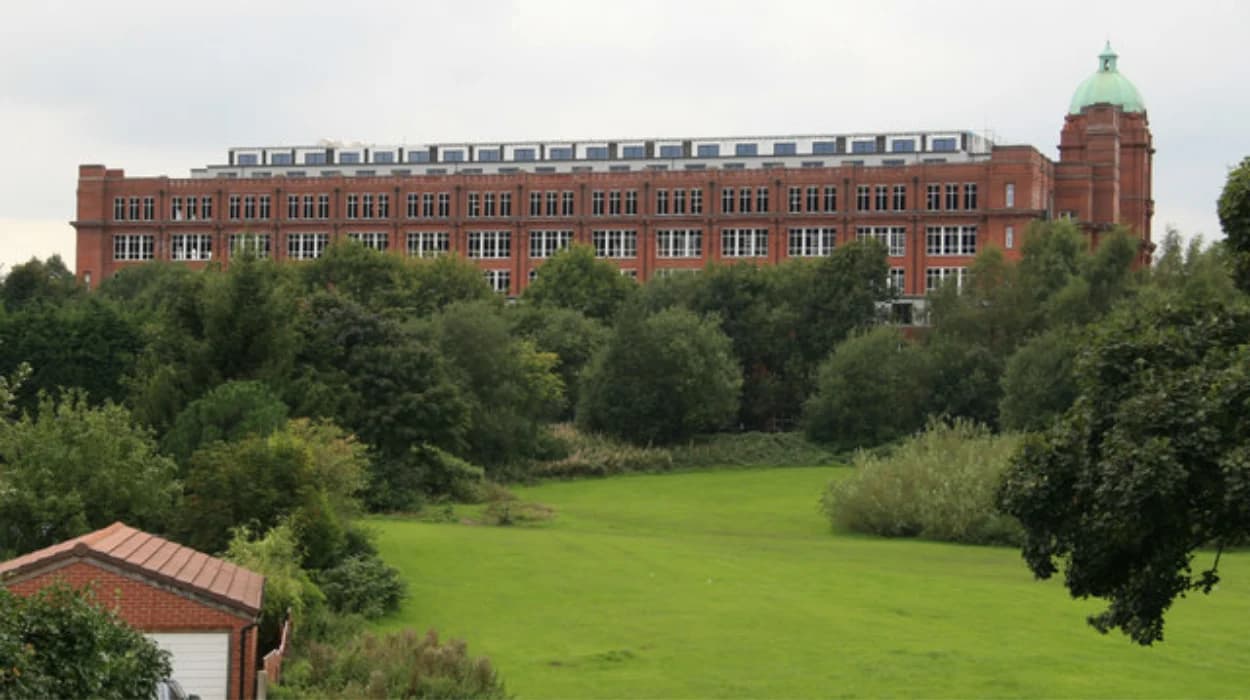
Industrial heritage remains particularly important. Surviving mill buildings, warehouses, and related structures demonstrate the economic activities that transformed the district. Even where original facilities no longer exist, archaeological evidence and historical documentation provide valuable insights.
To experience this historic landscape in person today, consult our comprehensive Before the Mills: The Early History of Astley Bridge and Rural Bolton for itineraries and visiting parameters.
Preservation efforts help maintain these connections between past and present. Local heritage organisations, historical societies, and conservation initiatives contribute to protecting important historical resources.
How does historical research help explain Astley Bridge today?
Historical research explains modern Astley Bridge by revealing how geography, agriculture, transport, industry, and population growth shaped its development. Archival records, maps, archaeology, and heritage studies provide evidence for understanding long-term community change.
Researchers draw upon multiple sources to reconstruct Astley Bridge's history. Census records document population changes and occupational patterns. Parish registers provide information about families, births, marriages, and deaths.
Historical maps reveal landscape transformation over time. Comparisons between eighteenth-century, nineteenth-century, and modern mapping demonstrate the scale of urban and industrial development.
Archaeological investigations contribute additional evidence. Material remains help researchers understand settlement patterns, land use, and economic activity across different historical periods.
Academic studies examining Lancashire's industrialisation provide broader context. These analyses connect local developments to national and international economic trends.
Genealogical research has become increasingly important. Many descendants of Bolton families use historical records to trace ancestors associated with Astley Bridge and surrounding communities. Such investigations contribute valuable perspectives on local social history.
Municipal archives and heritage institutions preserve extensive collections of documents, photographs, and maps. These resources support ongoing scholarship and public understanding of local history.
What is the lasting historical significance of Astley Bridge?
Astley Bridge is historically significant because it demonstrates the transition from rural agricultural settlement to industrial urban district. Its development reflects major themes in British history including agricultural change, industrialisation, urbanisation, and heritage preservation.
The history of Astley Bridge illustrates long-term processes that shaped modern Britain. The district evolved from a rural landscape characterised by farming and dispersed settlement into an integrated part of one of Lancashire's most important industrial centres.
This transformation occurred through identifiable stages. Agricultural foundations supported early communities. Transport improvements strengthened regional connections. Domestic textile production diversified local economies. Industrialisation accelerated urban growth. Modern preservation efforts protect historical legacies.
Astley Bridge also highlights the relationship between local and national history. Events and developments affecting Britain as a whole often produced visible consequences within individual communities. Studying the district therefore provides insight into broader historical change.
The area's heritage remains relevant today. Historic buildings, surviving landscapes, archival collections, and community memory continue to inform understanding of local identity. Educational institutions, researchers, and heritage organisations rely upon these resources to interpret the past.
For history enthusiasts, cultural tourists, educators, preservationists, and genealogical researchers, Astley Bridge offers an important case study of continuity and change across several centuries. Its story demonstrates how geography, economy, technology, and community interaction collectively shape the evolution of place.
From medieval agricultural origins to industrial prominence and contemporary heritage conservation, Astley Bridge remains a valuable historical component of Bolton's wider narrative. Understanding this development provides a deeper appreciation of both local history and the broader forces that transformed northern England.
FAQS
What was Astley Bridge like before the Industrial Revolution?
Before the Industrial Revolution, Astley Bridge was a predominantly rural area consisting of farmland, pasture, small farmsteads, woodland, and streams. Most residents worked in agriculture and were closely connected to the nearby market town of Bolton.