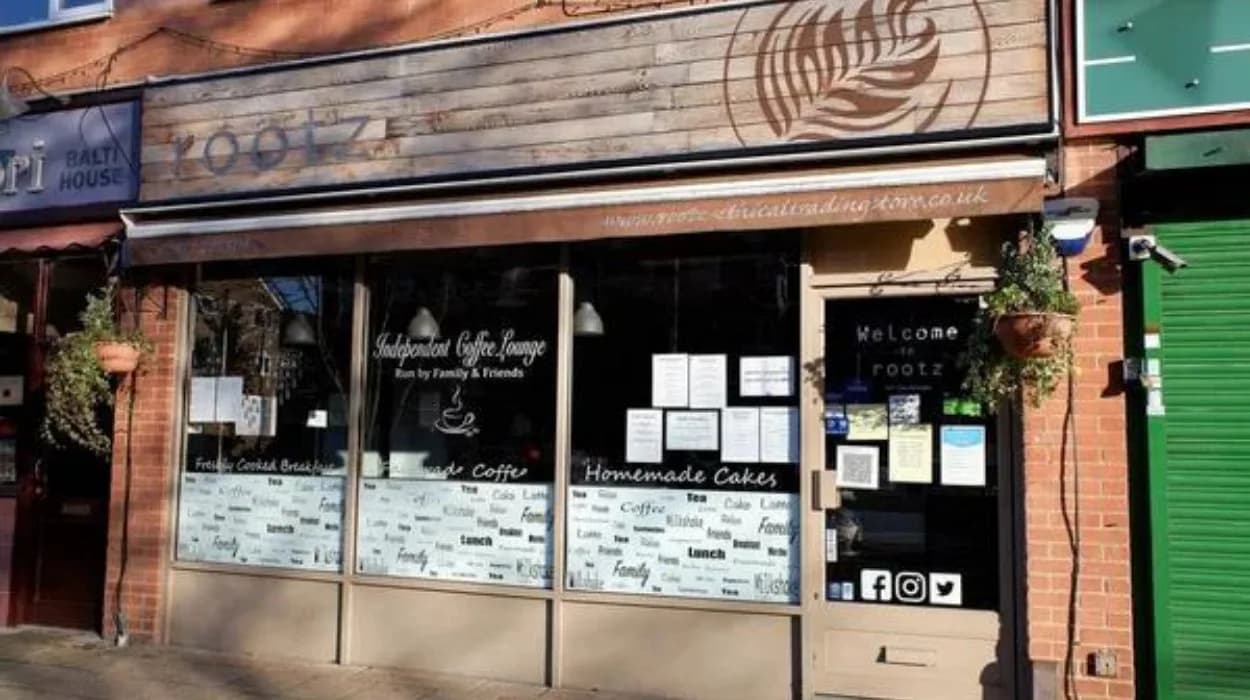
Horwich has developed a thriving independent café culture that reflects the town's industrial heritage, strong community identity, and growing visitor economy. Located on the western edge of the Metropolitan Borough of Bolton, Horwich combines historic streets, local businesses, and easy access to countryside attractions such as Rivington and Winter Hill. Independent cafés have become an important part of this landscape, offering locally roasted coffee, homemade food, and welcoming spaces that attract residents, walkers, cyclists, and tourists throughout the year.
Unlike national coffee chains, independent cafés in Horwich often occupy historic buildings, support regional suppliers, and contribute directly to the local economy. They preserve character while adapting former retail units, Victorian properties, and traditional high street premises into modern social spaces. This combination of heritage and hospitality makes Horwich one of Greater Manchester's most attractive destinations for speciality coffee.
Whether visitors are beginning a walk, meeting friends, working remotely, or exploring the area's history, Horwich offers a diverse range of cafés that provide memorable coffee experiences alongside authentic local charm.
Why has Horwich become a popular destination for independent cafés?
Horwich combines historic character, a growing visitor economy, excellent transport connections, and strong community support for local businesses. These factors encourage independent cafés to thrive while attracting walkers, cyclists, commuters, families, and tourists seeking quality coffee in distinctive surroundings throughout the year.
Horwich lies approximately five miles west of Bolton town centre and has evolved from a textile and engineering town into one of the borough's most attractive visitor destinations. The town benefits from nearby countryside, excellent rail links via Horwich Parkway, and its position close to the M61 motorway.
The expansion of walking and cycling tourism has significantly increased demand for independent cafés. Thousands of visitors travel to nearby Rivington, Winter Hill, Smithills, and the West Pennine Moors each year. Many begin or finish their journeys within Horwich, making cafés an essential part of the visitor experience.
Independent businesses have also benefited from changing consumer preferences. Customers increasingly value handcrafted coffee, locally sourced ingredients, environmentally responsible practices, and personalised service over standardised chain experiences.
Historic commercial buildings along Chorley New Road, Lee Lane, and adjoining streets have provided attractive locations for café owners. Rather than replacing Horwich's architectural identity, many cafés operate within renovated heritage properties that preserve original brickwork, stone facades, timber features, and traditional shopfronts.
These characteristics strengthen Horwich's reputation as both a local community centre and an attractive day-trip destination within Greater Manchester.
Which independent cafés are most popular in Horwich?
Several independent cafés have established excellent reputations by combining speciality coffee, homemade food, welcoming interiors, and consistent customer service. Their individual identities create a varied café scene that appeals to different visitors while strengthening Horwich's independent high street economy.
Among Horwich's best-known independent cafés are venues specialising in artisan coffee, freshly baked cakes, breakfast menus, brunch dishes, and locally produced ingredients.
Some cafés focus on premium espresso prepared using speciality beans sourced from respected UK roasters. Others emphasise relaxed surroundings where visitors can spend extended periods working, reading, or meeting friends.
Many cafés also cater for outdoor visitors. Walkers arriving from Rivington Pike, cyclists returning from Winter Hill, and families exploring local parks frequently choose Horwich cafés for refreshments before continuing their journeys.
Several establishments rotate seasonal menus featuring regional produce, homemade soups, sandwiches, pastries, and cakes. This flexibility encourages repeat visits throughout the year.
Independent ownership allows businesses to adapt quickly to customer preferences while maintaining distinctive identities rather than following national corporate standards.
The variety of cafés ensures visitors can choose between traditional tearoom-style environments, modern speciality coffee houses, contemporary brunch venues, and artisan bakeries serving premium coffee.
What makes independent coffee different from large coffee chains?
Independent cafés emphasise coffee quality, skilled preparation, local sourcing, personalised customer service, and unique environments rather than standardised products. This approach creates memorable experiences while supporting local economies and encouraging sustainable business relationships across regional supply networks.
Independent cafés often purchase beans from specialist roasters who prioritise traceable sourcing and ethical production.
Baristas typically receive extensive training in espresso extraction, milk texturing, brewing techniques, and flavour profiling. These skills influence the consistency and quality of each cup.
Many cafés regularly change their coffee offerings to showcase beans from different producing countries including Ethiopia, Colombia, Brazil, Guatemala, Kenya, and Costa Rica.
Independent operators frequently collaborate with nearby bakeries, dairy producers, and food suppliers. This strengthens local supply chains while reducing transport distances.
Interior design also distinguishes independent cafés. Historic features, locally commissioned artwork, comfortable seating, and personalised décor create environments that reflect Horwich's character rather than uniform corporate branding.
Customers increasingly value these authentic experiences because they connect food, coffee, architecture, and local identity within one visit.
How has Horwich's history influenced its café culture?
Horwich's industrial development, railway heritage, Victorian expansion, and strong community traditions created commercial streets that now support thriving independent cafés. Historic buildings and preserved town character provide distinctive settings that strengthen the modern hospitality sector.
Horwich experienced rapid growth during the nineteenth century following industrial expansion across Lancashire.
The arrival of the railway transformed local commerce. Engineering industries, textile manufacturing, and supporting businesses attracted thousands of workers, increasing demand for shops, markets, and public meeting places.
The establishment of the Lancashire and Yorkshire Railway locomotive works in 1886 represented one of Horwich's most significant economic developments. The works employed thousands of skilled workers during its operational history.
Commercial streets expanded alongside residential neighbourhoods. Many Victorian buildings constructed during this period continue serving retail purposes today, although their uses have evolved.
Modern independent cafés occupy several of these historic premises, allowing visitors to experience contemporary hospitality within buildings connected to Horwich's industrial past.
Rather than demolishing older commercial architecture, many property owners have invested in restoration and adaptive reuse. This preserves local heritage while supporting sustainable economic development.
The continued use of historic buildings demonstrates how heritage conservation and independent business growth can complement each other.
What coffee styles can visitors expect in Horwich?
Visitors find espresso-based drinks, filter coffee, pour-over brewing, flat whites, cappuccinos, seasonal beverages, and speciality single-origin coffees. Independent cafés increasingly prioritise bean quality, brewing precision, and flavour consistency to satisfy both casual drinkers and experienced coffee enthusiasts.
Espresso remains the foundation of most speciality coffee menus.
Flat whites have become particularly popular because they balance espresso intensity with finely textured steamed milk.
Many cafés also prepare cappuccinos, lattes, americanos, cortados, mochas, and macchiatos using professional espresso machines calibrated throughout the day.
Filter brewing methods provide different flavour profiles compared with espresso. Pour-over coffee highlights acidity, sweetness, and regional characteristics within individual beans.
Seasonal menus often introduce beverages using ingredients such as cinnamon, ginger, honey, maple syrup, chocolate, and locally inspired flavours.
Tea remains equally important. Independent cafés frequently stock loose-leaf teas, herbal infusions, and traditional English breakfast blends alongside premium coffee offerings.
This broad selection allows cafés to accommodate diverse customer preferences without sacrificing product quality.
Why do walkers and cyclists regularly visit Horwich cafés?
Horwich provides convenient access to surrounding countryside, making independent cafés natural meeting points before and after outdoor activities. Fresh food, quality coffee, secure environments, and central locations attract recreational visitors throughout every season of the year.
Horwich serves as an important gateway to several popular outdoor destinations.
Nearby walking routes include Rivington Pike, Winter Hill, Smithills Moor, Healey Nab, and sections of the West Pennine Moors.
Cyclists regularly travel through Horwich using regional road routes and recreational trails connecting Bolton, Chorley, and Blackburn.
Independent cafés support these visitors by offering early opening hours, hearty breakfasts, packed lunches, takeaway coffee, and post-exercise refreshments.
Some cafés provide outdoor seating where customers can relax with friends after completing local routes.
The close relationship between outdoor recreation and independent hospitality has strengthened Horwich's visitor economy while encouraging longer stays within the town.
To experience the surrounding attractions in person today, consult our comprehensive [History of Horwich High Street and Local Businesses] for itineraries and visiting parameters.
How do independent cafés contribute to Horwich's local economy?
Independent cafés create employment, strengthen local supply chains, increase visitor spending, encourage high street regeneration, and support neighbouring businesses. Their economic contribution extends beyond hospitality by reinforcing community investment and sustaining commercial activity throughout the town centre.
Small businesses generate significant economic benefits because a larger proportion of revenue remains within the local economy.
Independent cafés employ baristas, chefs, bakers, managers, cleaners, and suppliers from surrounding communities.
Many purchase ingredients from regional producers including bakeries, dairies, butchers, fruit suppliers, and artisan food businesses.
Visitors attracted by cafés often spend additional money in independent retailers, bookshops, gift shops, florists, and local markets.
Successful cafés also encourage property investment by demonstrating continued demand for commercial premises within Horwich's historic centre.
This cycle of investment strengthens long-term economic resilience while preserving active high streets that remain attractive to residents and tourists alike.
What architectural features give Horwich cafés their unique atmosphere?
Many cafés occupy restored Victorian and Edwardian commercial buildings featuring traditional brickwork, stone detailing, timber interiors, large display windows, and historic shopfronts. These preserved architectural elements create welcoming environments that reflect Horwich's commercial heritage and distinctive townscape.
Horwich experienced substantial building development during the late nineteenth and early twentieth centuries.
Commercial architecture from this period typically included decorative brick façades, sandstone detailing, tall windows, and narrow shopfronts designed to maximise natural light.
Modern café conversions often preserve original fireplaces, exposed brick walls, timber beams, cast-iron columns, and period flooring.
Adaptive reuse reduces demolition while extending the lifespan of historic buildings.
These architectural details create environments that differ significantly from purpose-built chain coffee outlets.
Visitors often value the combination of heritage architecture and contemporary interior design because it enhances the authenticity of the café experience.
Preservation also supports wider conservation objectives by maintaining the historic appearance of Horwich's commercial streets.
How do independent cafés support community life in Horwich?
Independent cafés function as informal community spaces where residents, families, businesses, charities, and visitors regularly meet. They encourage social interaction, host local events, and strengthen neighbourhood identity while supporting inclusive public life throughout the town.
Cafés increasingly serve purposes beyond food and drink.
Remote workers use cafés as flexible workspaces equipped with wireless internet and comfortable seating.
Community organisations frequently organise informal meetings, fundraising events, reading groups, and creative workshops within café spaces.
Parents meet after school activities, retirees gather for regular conversations, and local entrepreneurs conduct business discussions over coffee.
These everyday interactions strengthen community cohesion while increasing footfall across Horwich's commercial centre.
Independent ownership also allows café operators to respond directly to community needs through partnerships with schools, charities, sports clubs, and local events.
The resulting relationships reinforce the importance of cafés as essential social infrastructure rather than purely commercial businesses.
What should visitors consider when choosing a café in Horwich?
Visitors should consider coffee quality, food options, opening hours, accessibility, atmosphere, dietary choices, location, and customer reviews. Matching these factors to individual preferences ensures enjoyable experiences whether visiting briefly or spending several relaxed hours exploring Horwich.
Different cafés specialise in different experiences.
Visitors seeking speciality coffee often prioritise bean quality, brewing methods, and skilled baristas.
Families frequently value spacious seating, children's menus, and welcoming environments.
Walkers and cyclists benefit from cafés located near parking facilities, transport connections, and popular trailheads.
Those working remotely often prefer reliable internet access, electrical sockets, quiet surroundings, and extended opening hours.
Accessibility also remains important. Step-free entrances, accessible toilets, and spacious layouts improve inclusivity for all visitors.
Considering these practical factors helps visitors identify cafés that best suit their individual requirements.
Why do independent cafés remain an important part of Horwich's future?
Independent cafés preserve local identity, encourage sustainable economic growth, support heritage buildings, strengthen tourism, and foster community relationships. Their continued success contributes directly to Horwich's attractiveness as both a historic town and a modern visitor destination.
Horwich continues evolving while maintaining strong connections with its industrial and architectural heritage.
Independent cafés represent an important element of this transition because they combine commercial sustainability with cultural preservation.
Growing interest in local tourism, heritage experiences, speciality coffee, and independent retail supports continued investment in the sector.
Future regeneration initiatives across Bolton and Horwich increasingly recognise the importance of vibrant high streets populated by locally owned businesses rather than exclusively national retailers.
As visitor numbers continue growing across nearby countryside destinations, independent cafés remain well positioned to welcome new audiences while preserving the distinctive character that makes Horwich memorable.
Their contribution extends beyond coffee alone. They preserve historic buildings, create employment, strengthen local supply chains, encourage sustainable tourism, and provide welcoming community spaces that reflect Horwich's enduring identity.
FAQS
What are the best independent cafés in Horwich?
Horwich is home to several highly rated independent cafés offering speciality coffee, homemade cakes, artisan breakfasts, and friendly service. Many are located around Lee Lane and the town centre, making them popular with both residents and visitors.