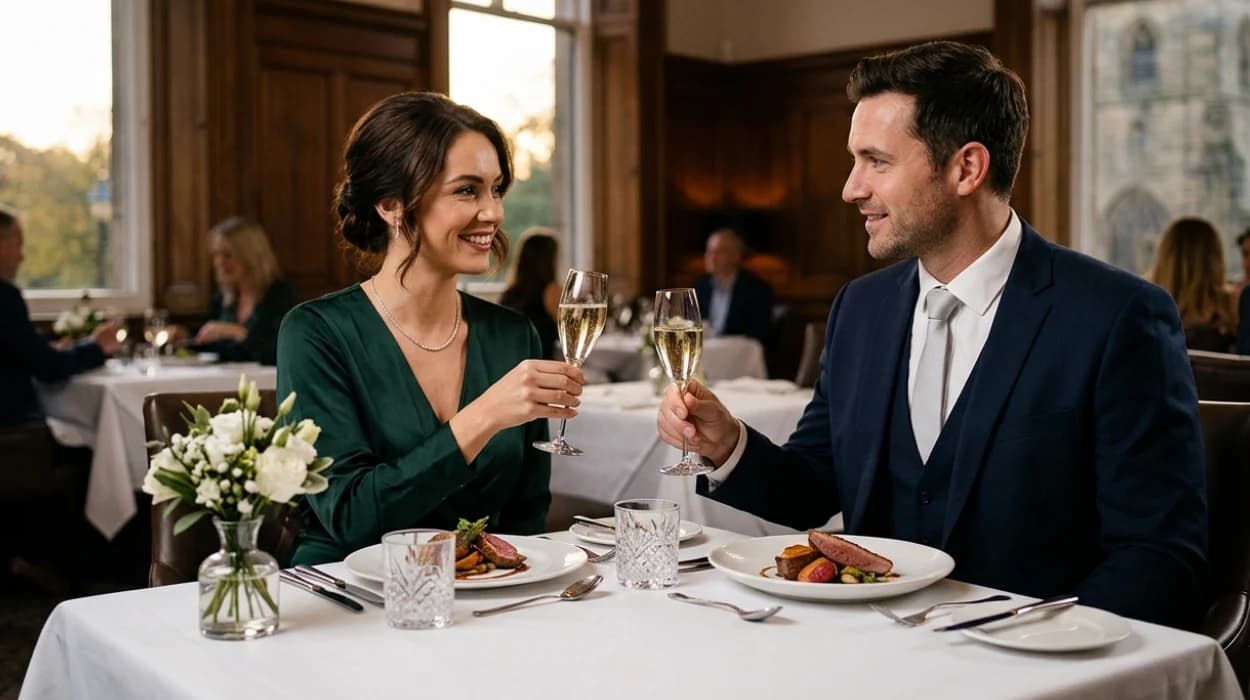
The hospitality sector in Greater Manchester has experienced a significant transition, moving from traditional industrial catering toward premium, experiential gastronomy. In the Metropolitan Borough of Bolton, this evolution manifests as a sophisticated fine dining landscape that caters specifically to milestones, celebrations, and celebratory events. Local establishments combine historic architecture, agricultural proximity to Lancashire farms, and modern culinary design to offer distinct upscale options.
Understanding the precise offerings of the region allows diners to make informed choices for birthdays, anniversaries, and corporate events. This comprehensive guide by Bolton Today outlines the definitions, historical contexts, core components, and top destinations defining premium gastronomy across the borough.
What Defines a True Fine Dining Experience in Bolton?
Fine dining in Bolton is defined by exceptional ingredient sourcing, precision cooking techniques, an elegant physical environment, and highly structured, attentive table service. These establishments elevate a standard meal into a curated culinary event specifically optimized for celebrating important milestones.
Definition and Core Criteria
Academic research defines fine dining through specific structural dimensions that distinguish it from casual or upscale-casual eating houses (Harr, n.d.). To qualify as a premium gastronomic establishment, an elite venue must demonstrate excellence across 3 distinct areas: food quality, service delivery, and environmental atmospherics (Serhan & Serhan, 2019). The ingredients must consist of premium, often locally sourced or specialized items that require intricate preparation and high chef expertise. The physical space must utilize deliberate spatial layouts, professional lighting, acoustic dampening, and high-quality tableware to establish an exclusive ambiance (BAE, n.d.).
Service Frameworks and Operational Precision
The operational mechanics of a high-end restaurant rely on a rigorous hierarchy and strict service pacing. Premium venues deploy professional kitchen structures and dedicated front-of-house staff, including front-of-house managers, sommeliers, and head servers, to ensure seamless customer interaction (Inequity, 2012). Customer satisfaction is heavily influenced by the perceived pace of the service encounter, meaning the timing between courses must be tightly managed to balance relaxation with momentum (Noone et al., 2009). This operational precision ensures that reservation windows are fully optimized and table turnaround times remain unobtrusive to the guest experience (Kim & Tang, 2024).
How Has Bolton’s Upscale Gastronomy Scene Evolved Historically?
Bolton’s upscale gastronomy scene evolved from historic industrial-era public houses and grand coaching inns that dotted the Lancashire landscape. Over many decades, these traditional venues systematically modernized their culinary techniques and service standards to fulfill contemporary consumer demands for experiential dining.
The Transition from Industrial Coaching Inns to Premium Venues
The geographic footprint of premium hospitality in the borough is deeply tied to its textile and manufacturing heritage. During the 19th and early 20th centuries, large-scale residential manor houses and rural coaching estates served as the primary hubs for formal gatherings. As the economic foundation of the region shifted, these properties underwent structural conversions. Historic rural properties in areas like Edgworth, Bromley Cross, and Rivington preserved their exterior heritage while reconfiguring their interior spaces into modern kitchens and refined dining halls. This structural conservation preserves a unique architectural character that cannot be replicated by newly built city-centre structures.
Shifting Consumer Habits and the Demand for Experience
The modernization of local menus mirrors broader macroeconomic changes across Greater Manchester. Consumers increasingly view dining out not merely as food consumption, but as a primary form of social entertainment and celebration (Serhan & Serhan, 2019). Studies indicate that modern diners prioritize the unique atmosphere and specialized image of a venue when selecting a location for a milestone or social night out (Franchuk, n.d.). The transition away from heavy, singular-concept British fare toward modern international menus, multi-course tasting formats, and precision wine pairings reflects this cultural shift toward culinary exploration.
What Are the Best Premium Restaurants in Bolton for Special Occasions?
The best premium restaurants in Bolton for a special occasion include Provenance Food Hall and Restaurant, Retreat West Church, and The Retreat Bromley Cross. These venues provide specialized menus, distinct architectural settings, and premium service frameworks designed specifically for hosting major milestones.
Provenance Food Hall and Restaurant (Westhoughton)
Located on Market Street in Westhoughton, Provenance represents a highly structured approach to sustainable, farm-to-fork fine dining. The venue operates with a dual-concept model, utilizing a ground-floor craft butchery and food hall that directly supplies the first-floor dining room.
- Culinary Component: The kitchen focuses heavily on seasonal Lancashire produce, utilizing aged beef cuts, locally landed seafood, and regional vegetables.
- The Experience: The space features exposed brickwork and contemporary design, creating a sophisticated yet accessible atmosphere suitable for family milestones and formal anniversaries.
Retreat (Bromley Cross and West Church Street)
The Retreat brand operates 2 prominent locations within the borough, each occupying historically significant architectural structures that enhance the celebratory atmosphere. The original site sits in the affluent suburb of Bromley Cross, while the sister venue occupies a striking, converted church building on West Church Street near the town centre.
- Culinary Component: The menus deliver a sophisticated mixture of classic British culinary arts and modern Mediterranean styles. Key dishes include pan-seared scallops, precision-cooked fillets, and complex vegetarian options.
- The Experience: The West Church Street location features vaulted ceilings, stained glass elements, and dramatic lighting, making it a highly visual setting for large celebrations, wedding breakfasts, and corporate events.
The Thomas Egerton (Egerton)
Situated in the rural northern fringes of the borough, The Thomas Egerton combines the historic warmth of a traditional country inn with the elevated execution of a premium gastropub.
- Culinary Component: The menu relies on meticulous execution of classic pairings, featuring locally sourced venison, fresh market fish, and intricate pastry desserts.
- The Experience: Its location in the scenic area of Egerton provides a tranquil, rustic backdrop that appeals to multi-generational groups celebrating birthdays or retirement dinners.
Explore More Things To Do In Bolton
Ultimate Bolton Breakfast and Brunch Guide: Greater Manchester 2026
Best Beer Gardens and Outdoor Pubs to Visit: Bolton Today
Why Is Atmosphere and Architecture Critical for Celebration Venues?
Atmosphere and architecture are critical because visual environments, building heritage, and interior design directly dictate customer satisfaction during celebrations. Premium surroundings establish immediate psychological prestige, validating the importance of the special occasion for the hosts and guests.
The Psychology of Servicescapes
In hospitality literature, the physical environment of a restaurant is known as the servicescape. The design elements of a dining room—including spatial layouts, furniture quality, linen selection, and wall decor—directly govern a guest’s emotional state and subsequent return intentions (BAE, n.d.). For special occasions, the standard for these components increases significantly. Diners seek an environment that feels distinct from daily life, which is achieved through high-ceiling dynamics, customized ambient lighting, and bespoke table settings that signal a premium experience.
Structural Heritage as an Elite Differentiator
The utilization of historic buildings provides local restaurants with an immediate competitive advantage over modern developments. When a venue integrates historical elements like original timber framing, local Yorkstone flooring, or ecclesiastical architecture, it enriches the overall sense of occasion. These physical attributes provide talking points for guests, offer unique backdrops for commemorative photography, and deepen the cultural connection to the Lancashire region.
How Do Ingredient Sourcing and Menus Elevate These Venues?
Ingredient sourcing and menus elevate these venues by replacing generic supply-chain items with traceable, seasonal, and hyper-local products. Elite kitchens transform these raw materials using advanced cooking techniques to deliver intricate flavors that cannot be recreated at home.
Traceability and the Regional Supply Chain
A core pillar of premium gastronomy is the total transparency and regional identity of the menu components. Local chefs partner directly with agricultural suppliers across the North West to guarantee freshness and quality. Examples of key regional ingredients include:
- Lancashire Beef and Lamb: Sourced from dedicated pasture lands in the Ribble Valley and West Lancashire plains, aged for a minimum of 28 days to enhance texture and flavor profile.
- Bowland Game: Seasonal venison, pheasant, and partridge sourced directly from regional managed estates during autumn and winter.
- Fleetwood Seafood: Fresh catches landed daily at the nearby port of Fleetwood, providing premium sea bass, cod, and hand-dived scallops.
Advanced Culinary Techniques
The preparation of these ingredients requires advanced technical mastery within the kitchen. Premium venues move away from basic roasting and frying, opting instead for complex methods such as sous-vide precision immersion, artisanal wood-fire smoking, fermentation, and intricate emulsion processes. These techniques alter food textures and concentrate flavors, providing a complex dining experience that validates the premium pricing tier of the meal.
What Financial and Operational Models Support Fine Dining?
The financial and operational models supporting fine dining rely on high average spend per head, meticulous inventory management, and structured reservation systems. These mechanisms counteract high labor and premium ingredient costs to ensure long-term business sustainability.
Managing High Labor and Material Inputs
Fine dining restaurants operate with significantly higher overhead costs than standard casual eateries. The ratio of kitchen staff to diners is much higher, given the intricate plating and multi-layered preparation required for each dish. Furthermore, premium ingredients carry volatile market prices and short shelf lives, requiring highly accurate inventory forecasting. To remain profitable, venues rely on strategic menu engineering, pairing high-margin items like wines, signature cocktails, and artisanal desserts with core protein dishes.
The Role of Advanced Booking and Deposit Policies
Because premium restaurants rely on fresh, specialized inventory and extensive staff preparation, unexpected table vacancies present severe financial challenges (Kim & Tang, 2024). To mitigate the substantial risk of late cancellations and empty tables, many elite establishments utilize digital platforms like Resy or Tock to enforce clear reservation fees and deposit policies (Kim & Tang, 2024). These advanced reservation systems stabilize restaurant revenue streams and allow management to optimize staffing levels and ingredient purchasing for specific dining sessions.
How Should Consumers Select the Ideal Venue for Their Specific Milestone?
Consumers should select the ideal venue by analyzing their group size, the precise demographic mix of their guests, dietary requirements, and the desired atmospheric theme. Matching these specific variables to a restaurant's specialized operational strengths ensures a flawless celebratory event.
Audience Demographics and Group Dynamics
Different celebrations demand specific venue layouts and service profiles. When organizing a multi-generational family event, such as a golden wedding anniversary or a landmark birthday, accessibility, acoustic comfort, and a menu with broad appeal are essential factors. Venues that balance contemporary innovation with traditional elements are ideally suited for these groups. Conversely, corporate events or intimate romantic milestones often prioritize privacy, expansive wine profiles, and modern tasting menus.
Assessing Venue Capabilities
To assist planners in matching their specific event requirements with the optimal local venue, the following table contrasts the key structural and culinary attributes of the top-tier establishments in the borough.
What Future Trends Are Shaping the Local Upscale Dining Landscape?
Future trends shaping the local upscale dining landscape include the deep integration of digital reservation technology, hyper-personalized guest experiences, and a heightened focus on environmental sustainability. These shifts redefine luxury as a blend of eco-conscious sourcing and seamless service.
Digital Integration and Personalization
The evolution of consumer behavior continues to alter how premium restaurants interact with their client base. Digital tools allow venues to track client preferences, mapping details like specific allergies, favorite tables, and previous wine selections across repeat visits. This data enables front-of-house teams to deliver highly personalized hospitality that anticipates guest needs before they are voiced. Furthermore, modern consumers increasingly utilize social media platforms to evaluate a restaurant's community reputation, presentation style, and overall image before booking (Hwang et al., 2021).
The Sustainability Mandate
Environmental sustainability has evolved from a marketing preference into a core structural requirement for premium dining operations. Modern consumers expect elite venues to minimize food waste, eliminate single-use plastics, and source ingredients from ethically managed local ecosystems. Restaurants that champion low-carbon supply chains, zero-waste kitchen practices, and seasonal agricultural collaborations are building stronger brand equity and ensuring long-term resilience in the modern marketplace.
FAQS
What qualifies a restaurant as fine dining in Bolton?
Fine dining restaurants in Bolton distinguish themselves through premium ingredient sourcing, refined culinary techniques, structured table service, elegant interiors, and carefully managed guest experiences. These venues focus on creating immersive dining occasions rather than simply serving meals.