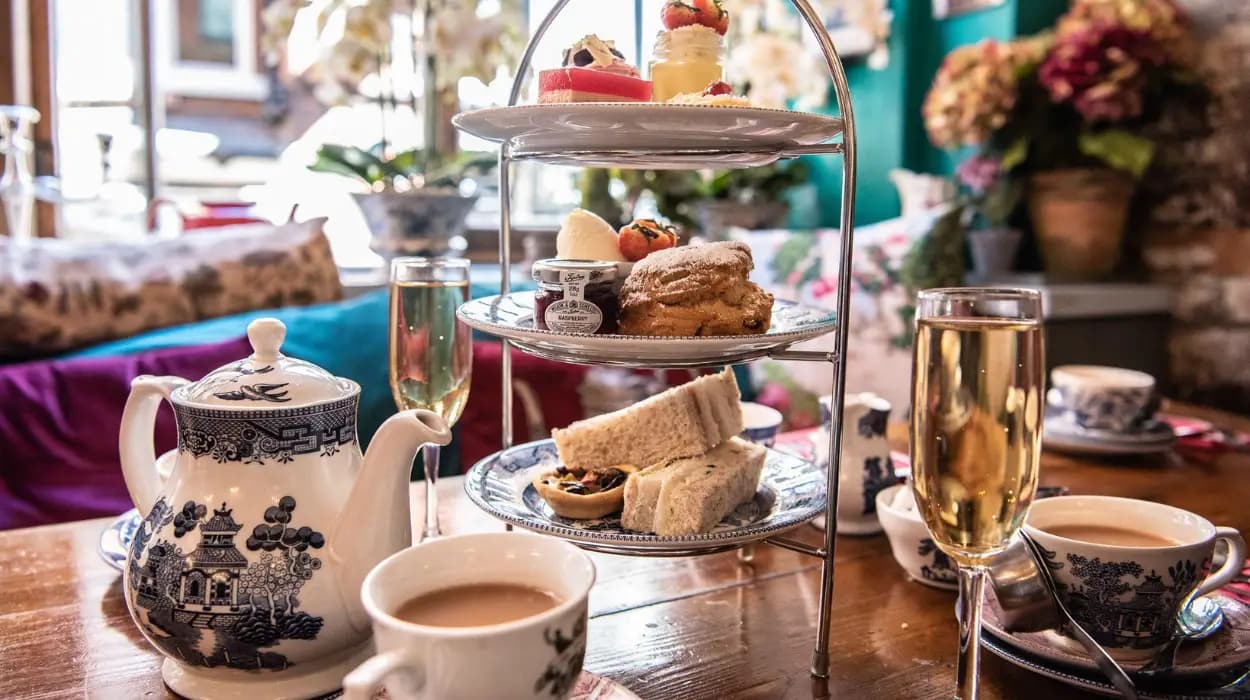
Afternoon tea remains one of Britain's most enduring culinary traditions. In Bolton Town Centre, the custom blends Victorian heritage, Lancashire hospitality, historic architecture, and modern independent cafés to create memorable experiences for visitors. The tradition reflects more than food. It represents social history, local commerce, changing dining habits, and the continued preservation of British café culture.
Today, Bolton Town Centre offers afternoon tea experiences in restored heritage buildings, traditional tearooms, hotels, and contemporary cafés. Visitors encounter locally baked cakes, Lancashire specialities, loose-leaf teas, finger sandwiches, and artisan pastries while exploring one of Greater Manchester's most historically significant market towns.
What makes afternoon tea in Bolton Town Centre worth experiencing?
Afternoon tea in Bolton Town Centre combines British culinary tradition, Victorian social customs, independent local businesses, historic architecture, and Lancashire hospitality. Visitors enjoy authentic tea services while exploring centuries of commercial, industrial, and cultural history preserved throughout Bolton's historic centre.
Afternoon tea originated in England during the early nineteenth century. The custom is widely attributed to Anna Maria Russell, the seventh Duchess of Bedford, who began requesting tea and light refreshments during the long period between luncheon and dinner around the 1840s. The habit spread rapidly among Britain's upper and middle classes before becoming part of everyday social life.
Bolton developed into one of Britain's leading textile manufacturing towns during the Industrial Revolution. Economic prosperity encouraged the construction of hotels, assembly rooms, cafés, bakeries, and tea establishments throughout the town centre.
Unlike London's grand hotels, Bolton's afternoon tea culture evolved around community gathering spaces. Families, workers, merchants, business owners, and visitors regularly met in cafés near the marketplace and shopping streets.
Modern afternoon tea experiences preserve many Victorian customs while adapting menus to contemporary tastes. Traditional tiered stands remain central, offering finger sandwiches, freshly baked scones, clotted cream, preserves, cakes, pastries, and premium tea selections.
Many establishments now include vegetarian, vegan, gluten-free, and children's afternoon tea options without abandoning traditional presentation.
How did Bolton's history influence its afternoon tea culture?
Bolton's textile prosperity, Victorian urban expansion, expanding middle class, and flourishing retail economy created ideal conditions for tea rooms, cafés, confectioners, and bakeries to become central features of everyday life throughout the town centre during the nineteenth and twentieth centuries.
Tea became increasingly affordable after import volumes expanded throughout the British Empire during the nineteenth century.
Industrial workers sought places to meet after work.
Merchants conducted business discussions over tea.
Women's social groups regularly gathered in respectable tea rooms rather than taverns.
Bolton's famous market also contributed significantly.
Fresh dairy products from Lancashire farms supplied local bakeries.
Regional butter enhanced scones.
Nearby farms produced seasonal fruits for preserves.
Local flour mills supported bread and cake production.
The growth of Bolton Market encouraged specialist bakers, confectioners, and tea merchants to establish businesses nearby, creating an interconnected food economy.
Many Victorian commercial buildings that survive today continue serving hospitality purposes, preserving both architectural heritage and culinary traditions.
Where can visitors enjoy traditional afternoon tea in Bolton Town Centre?
Bolton Town Centre offers afternoon tea in historic hotels, independent cafés, bakeries, restaurants, and heritage-inspired venues. Each combines traditional British tea service with locally produced ingredients and welcoming Lancashire hospitality within convenient walking distance of major attractions.
Several independent establishments specialise in traditional afternoon tea throughout the town centre.
Historic hotels often provide formal afternoon tea with elegant table settings.
Independent cafés usually emphasise homemade baking and locally sourced ingredients.
Bakeries frequently prepare fresh scones throughout the day, ensuring quality and authenticity.
Menus generally include:
Freshly prepared finger sandwiches
Warm fruit scones
Clotted cream
Strawberry or raspberry preserves
Victoria sponge
Lemon drizzle cake
Chocolate desserts
Loose-leaf tea
Speciality coffee
Many venues also celebrate seasonal events including Christmas afternoon tea, Easter menus, Mother's Day experiences, and summer garden tea services.
Accessibility has improved considerably, making many venues suitable for families, wheelchair users, and visitors seeking relaxed dining experiences.
To experience this historic culinary tradition alongside local attractions today, consult our comprehensive [History of Afternoon Tea Culture in Bolton] for itineraries and visiting parameters.
Why is Bolton Market important to the afternoon tea experience?
Bolton Market supplies fresh ingredients, supports independent food businesses, preserves regional culinary traditions, and reflects centuries of commercial history. Its continued success strengthens the quality and authenticity of afternoon tea experiences throughout Bolton Town Centre today.
Bolton Market traces its origins back several centuries.
Markets historically supplied households, inns, bakeries, and cafés with essential ingredients.
Fresh eggs, butter, cream, seasonal fruit, vegetables, cheeses, and baked goods all contributed to traditional afternoon tea.
Lancashire remains renowned for dairy production.
High-quality cream supports authentic scone preparation.
Regional preserves often feature locally grown berries.
Traditional Lancashire cheeses occasionally appear within savoury afternoon tea menus.
Modern visitors benefit from this long-established local supply chain.
Independent cafés frequently source ingredients from local producers, supporting sustainable regional food networks while maintaining freshness.
The market also introduces visitors to local delicacies beyond afternoon tea, creating a broader understanding of Lancashire's culinary heritage.
Which traditional foods define a Bolton afternoon tea?
Traditional afternoon tea in Bolton includes finger sandwiches, freshly baked scones, clotted cream, fruit preserves, sponge cakes, pastries, biscuits, and premium tea. Lancashire ingredients strengthen authenticity while reflecting regional baking traditions developed across generations of local families.
Classic finger sandwiches typically include cucumber, smoked salmon, egg mayonnaise, ham, or mature cheddar cheese.
Freshly baked scones remain the centrepiece.
The traditional serving order includes:
Warm scones
Clotted cream
Fruit preserve
Cake selection
Tea
Regional baking traditions also influence dessert selections.
Lancashire recipes frequently include:
Eccles cakes
Fruit loaf
Treacle tart
Shortbread
Butter cake
Seasonal fruit pastries
Tea selections increasingly feature both classic and contemporary blends.
Popular choices include English Breakfast, Earl Grey, Darjeeling, Assam, herbal infusions, and green tea.
Modern establishments balance heritage recipes with evolving dietary preferences while maintaining recognisable British afternoon tea customs.
How does Victorian architecture enhance the afternoon tea experience?
Victorian commercial buildings, restored interiors, decorative brickwork, large windows, and preserved public spaces create atmospheric settings that connect modern afternoon tea with Bolton's nineteenth-century commercial expansion and architectural heritage.
Much of Bolton Town Centre expanded rapidly during the Victorian era.
Industrial prosperity financed impressive civic architecture.
Banks, hotels, commercial buildings, shopping arcades, and public institutions adopted ornate architectural styles popular throughout nineteenth-century Britain.
Historic interiors often feature:
High ceilings
Decorative plasterwork
Wood panelling
Traditional staircases
Large sash windows
Original masonry
These architectural details create environments closely associated with the period when afternoon tea became nationally fashionable.
Conservation efforts ensure many heritage buildings continue serving practical commercial purposes rather than becoming static museum exhibits.
Visitors therefore experience living heritage rather than reconstructed history.
How has afternoon tea in Bolton changed over time?
Afternoon tea evolved from an upper-class Victorian custom into an accessible social tradition enjoyed by families, tourists, students, professionals, and community groups. Modern venues preserve historic customs while introducing contemporary menus and dietary flexibility.
Early afternoon tea primarily reflected aristocratic customs.
Industrial prosperity expanded participation among Britain's growing middle class.
By the early twentieth century, cafés and tea rooms welcomed wider sections of society.
Following the Second World War, changing lifestyles altered café culture.
Coffee shops gained popularity.
Fast food expanded.
Traditional afternoon tea temporarily declined.
The twenty-first century witnessed renewed interest.
Heritage tourism encouraged preservation.
Independent cafés revived homemade baking.
Consumers increasingly sought locally produced food and authentic dining experiences.
Digital tourism has further increased demand.
Visitors now search online for heritage cafés, afternoon tea recommendations, and local culinary experiences before arriving in Bolton.
What role does afternoon tea play in Bolton's tourism economy?
Afternoon tea supports independent businesses, strengthens cultural tourism, preserves local food traditions, encourages longer visitor stays, and complements Bolton's wider heritage attractions, museums, markets, parks, and historic buildings throughout the town centre.
Food tourism represents a growing segment of Britain's visitor economy.
Travellers increasingly combine culinary experiences with cultural exploration.
Bolton benefits from this trend by offering authentic local hospitality within an accessible historic setting.
Afternoon tea encourages visitors to spend additional time exploring nearby attractions.
Many combine tea with visits to:
Historic churches
Museums
Public gardens
Shopping streets
Art galleries
Heritage buildings
Walking tours
Independent hospitality businesses also contribute significantly to local employment.
Bakers, chefs, hospitality staff, suppliers, farmers, and food producers all participate within Bolton's wider visitor economy.
Seasonal events further strengthen tourism by attracting both regional and national visitors throughout the year.
How do local businesses preserve Bolton's afternoon tea traditions?
Independent cafés, family-owned bakeries, heritage venues, local suppliers, and skilled pastry chefs preserve recipes, baking techniques, hospitality standards, and community traditions while adapting responsibly to changing customer expectations and modern dietary requirements.
Many Bolton businesses remain family operated across multiple generations.
Traditional recipes pass directly between bakers and pastry chefs.
Fresh production continues daily rather than relying exclusively upon industrial manufacturing.
Local sourcing strengthens authenticity.
Regional dairy farms provide cream.
Lancashire producers supply preserves.
Independent bakeries prepare cakes using established methods refined over decades.
Businesses also preserve social traditions.
Afternoon tea remains associated with celebrations including birthdays, anniversaries, baby showers, retirement gatherings, and family reunions.
These occasions reinforce afternoon tea's enduring cultural significance beyond its culinary value.
Modern technology has expanded visibility through online booking systems, digital reviews, and tourism websites while preserving traditional service standards.
Why does afternoon tea remain an enduring part of Bolton's cultural identity?
Afternoon tea connects Bolton's industrial heritage, Victorian traditions, local food production, independent businesses, historic architecture, and community hospitality. The experience continues reflecting British cultural heritage while supporting sustainable tourism and preserving Lancashire's distinctive culinary traditions for future generations.
Afternoon tea represents continuity.
It links nineteenth-century customs with contemporary tourism.
Historic buildings continue welcoming visitors.
Traditional recipes remain widely recognised.
Independent cafés maintain community gathering spaces.
The experience also illustrates broader themes within British history.
Industrialisation expanded prosperity.
Improved transport increased food distribution.
Growing literacy encouraged newspaper reading in cafés.
Women's social participation expanded through respectable public meeting places.
Today, afternoon tea remains accessible to residents, domestic visitors, and international tourists alike.
Its continued popularity demonstrates the resilience of Britain's culinary traditions despite changing lifestyles and global food influences.
Bolton Town Centre successfully combines historical authenticity with modern hospitality, ensuring afternoon tea remains an important part of the town's visitor experience for decades to come.
FAQS
What is the best place for afternoon tea in Bolton Town Centre?
Bolton Town Centre has a variety of independent cafés, tea rooms, and hotels serving traditional afternoon tea. The best choice depends on whether you prefer a classic Victorian-style experience, homemade cakes, or a modern afternoon tea menu.