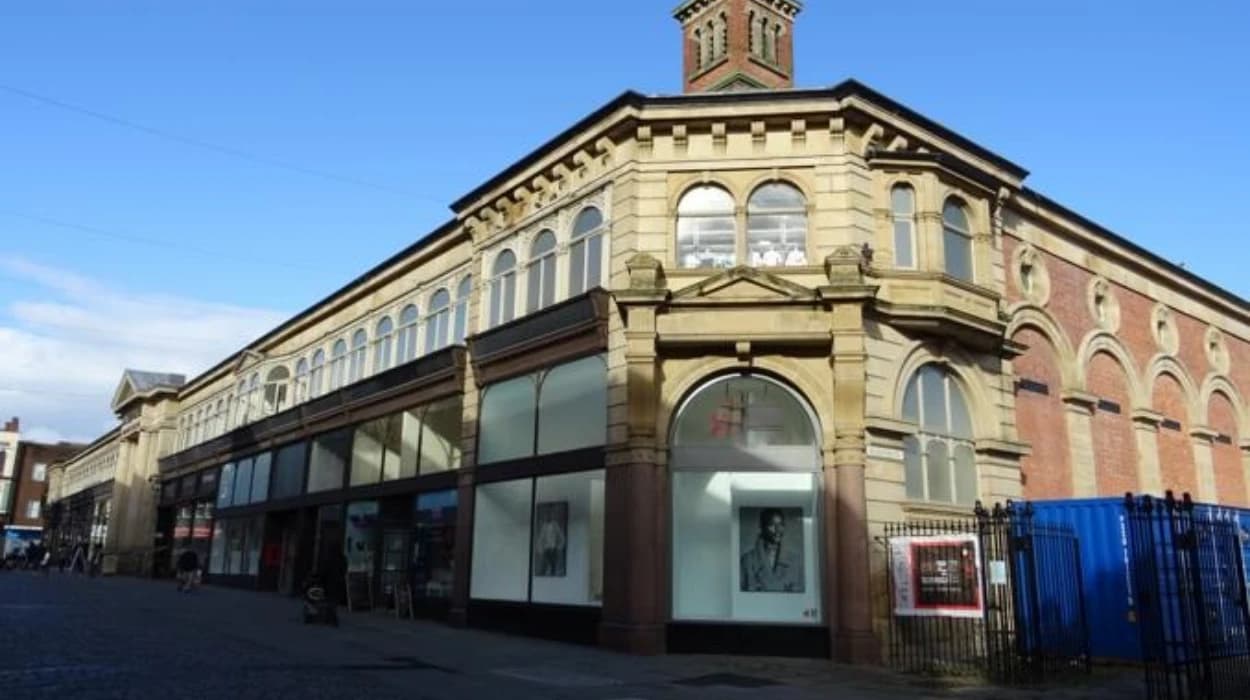
Afternoon tea culture in Bolton reflects the town’s transformation from a Lancashire market settlement into one of Britain's leading industrial centres. While afternoon tea originated among the British upper classes during the nineteenth century, Bolton developed its own distinctive tea traditions through textile manufacturing, civic institutions, religious organisations, public parks, cafés, and family-run tearooms. Today, the custom remains an important part of the town's cultural heritage, connecting Victorian social customs with modern hospitality.
What is the history of afternoon tea culture in Bolton?
Afternoon tea culture in Bolton developed during the Victorian period as industrial prosperity, expanding middle-class society, improved food distribution, and Britain's tea trade combined to establish afternoon tea as an important social tradition across homes, churches, hotels, public institutions, and local tearooms.
Afternoon tea is a light meal traditionally served between lunch and the evening meal. It typically includes tea, sandwiches, scones, cakes, and pastries. The custom became fashionable in Britain during the 1840s before spreading throughout towns including Bolton during the second half of the nineteenth century.
Bolton, located in Greater Manchester and historically part of Lancashire, experienced extraordinary industrial growth during the Industrial Revolution. Cotton spinning and textile manufacturing transformed the town into one of Britain's largest industrial centres. This economic expansion created new middle-class households, merchants, manufacturers, teachers, ministers, and professionals who adopted social customs associated with Victorian respectability.
Tea itself had become significantly more affordable by the late nineteenth century. Improvements in global shipping, expanding imports from India and Ceylon (modern Sri Lanka), railway distribution networks, and reductions in tea duties enabled wider sections of society to consume tea regularly.
Afternoon tea in Bolton therefore evolved differently across social groups. Wealthy families held elaborate tea gatherings in drawing rooms, while working-class households enjoyed simpler tea meals after factory shifts. Churches, temperance societies, women's organisations, and charitable institutions also embraced afternoon tea as part of community life.
Rather than remaining an exclusive aristocratic ritual, afternoon tea became a shared cultural practice across Bolton's growing population.
Why did afternoon tea become popular during Bolton's industrial era?
Industrialisation increased incomes, expanded the middle class, improved food availability, strengthened retail trade, and created structured working hours that encouraged afternoon tea as both a domestic tradition and an important social gathering across Victorian Bolton.
The Industrial Revolution fundamentally changed daily life in Bolton.
Before industrialisation, Lancashire villages operated largely around agriculture and cottage industries. By the mid-nineteenth century, Bolton contained hundreds of textile mills employing tens of thousands of workers. According to nineteenth-century census records, Bolton's population grew dramatically throughout the Victorian period as employment opportunities attracted workers from across Britain.
Industrial prosperity also supported the construction of new residential districts, public buildings, schools, churches, and commercial centres.
The Victorian middle class increasingly valued etiquette, hospitality, cleanliness, and domestic refinement. Afternoon tea became one expression of these social ideals.
Tea also suited changing work patterns. Manufacturers, clerks, teachers, and shopkeepers often returned home during the late afternoon or gathered with acquaintances in hotels and cafés before the evening meal.
Improved railway connections between Bolton, Manchester, Liverpool, Preston, Blackburn, and Wigan accelerated deliveries of fresh baked goods, dairy products, sugar, and imported tea.
Local bakers expanded production of sponge cakes, fruit cakes, seed cakes, buns, Eccles cakes, and seasonal pastries to accompany afternoon tea.
Tea drinking therefore reflected wider economic developments rather than simply changing culinary tastes.
How did Victorian society shape afternoon tea traditions in Bolton?
Victorian social values emphasised hospitality, etiquette, domestic order, charitable activity, and respectable public behaviour, making afternoon tea an established feature of family life, community gatherings, fundraising events, and formal social visits throughout Bolton.
Victorian Britain placed considerable importance on manners and social etiquette.
Hosting afternoon tea demonstrated refinement and respectability. Households carefully arranged tea services, polished silverware, decorative china, embroidered tablecloths, and seasonal flowers when entertaining guests.
Women's magazines published detailed advice on serving etiquette, conversation, dress, and menu planning.
Bolton families followed many of these customs while adapting them to local traditions.
Religious organisations played an equally significant role.
Methodist chapels, Anglican churches, Baptist congregations, and Congregational churches regularly organised tea meetings to support missionary work, educational projects, chapel construction, and charitable fundraising.
These gatherings frequently attracted hundreds of attendees.
Tea meetings combined worship, speeches, communal meals, hymn singing, and local fundraising.
Working-class participation expanded because these events offered affordable social occasions that strengthened neighbourhood relationships.
Afternoon tea therefore became closely connected with community identity rather than private luxury alone.
Who introduced afternoon tea to Britain, and how did the tradition reach Bolton?
Anna Maria Russell, Duchess of Bedford, popularised afternoon tea during the 1840s among Britain's aristocracy, and the custom gradually spread through newspapers, etiquette guides, expanding railways, urban growth, hotels, and rising middle-class culture into industrial towns including Bolton.
The modern afternoon tea tradition is generally credited to Anna Maria Russell, Duchess of Bedford.
During the early nineteenth century, wealthy households often ate only two substantial meals daily. A long interval separated lunch from the evening dinner.
The Duchess began requesting tea, bread, butter, and cakes during the afternoon to reduce hunger before dinner.
Her social gatherings soon became fashionable among aristocratic circles.
The practice rapidly spread through London society before reaching provincial towns.
Bolton merchants, industrialists, civic leaders, clergy, and professionals travelled frequently to Manchester and London, bringing fashionable customs back to Lancashire.
Victorian newspapers promoted tea etiquette.
Cookbooks provided recipes suitable for afternoon gatherings.
Department stores and household retailers sold increasingly affordable porcelain tea sets and decorative serving ware.
By the late nineteenth century, afternoon tea had become a recognised feature of British domestic culture across social classes.
What foods were traditionally served during afternoon tea in Bolton?
Traditional Bolton afternoon tea combined imported tea with locally baked bread, butter, sandwiches, scones, fruit preserves, seasonal cakes, Lancashire dairy products, and regional baked goods that reflected both national customs and local culinary traditions.
Although tea originated overseas, much of the accompanying food came from Lancashire producers.
Traditional menus commonly included:
Freshly brewed black tea.
Thin bread-and-butter slices.
Cucumber sandwiches.
Egg sandwiches.
Ham sandwiches.
Seed cakes.
Victoria sponge.
Fruit cake.
Currant buns.
Scones served with butter, preserves, and cream where available.
Lancashire dairy farming supported supplies of butter, cream, and milk.
Local bakeries developed strong reputations for producing fresh cakes daily.
Eccles cakes, although originating nearby, became popular throughout Greater Manchester and Lancashire.
Seasonal celebrations introduced richer desserts during Christmas, Easter, harvest festivals, and civic celebrations.
Tea services themselves also reflected changing consumer markets.
Imported porcelain from Staffordshire factories became increasingly common within middle-class households.
Silver teapots, sugar bowls, cream jugs, and matching cups became symbols of respectable domestic entertaining.
Where did people enjoy afternoon tea in historic Bolton?
Historic afternoon tea took place inside private homes, hotels, public parks, church halls, civic buildings, department stores, educational institutions, and independent tearooms that expanded alongside Bolton's commercial development during the nineteenth and twentieth centuries.
Private homes remained the primary location for afternoon tea.
Families gathered daily while neighbours visited during weekends or special occasions.
Beyond domestic settings, Bolton developed numerous public venues serving tea.
Hotels catered for travellers and business visitors.
Independent cafés welcomed shoppers visiting the expanding commercial centre.
Church halls hosted regular tea meetings.
Women's institutes organised afternoon gatherings.
Schools served tea during fundraising events.
Public parks also became important social spaces.
Following the opening of Victorian parks, families increasingly combined recreational walks with refreshments.
Visitors attended concerts, flower shows, and civic celebrations before enjoying tea nearby.
To experience this historic tradition in person today, consult our comprehensive [Best Afternoon Tea Experiences in Bolton Town Centre for Every Curious Visitor] for itineraries and visiting parameters.
Many historic buildings associated with Bolton's Victorian commercial expansion still contribute to the town's heritage landscape, even where their original hospitality functions have changed.
How did tea influence Bolton's social and community life?
Tea strengthened community relationships by encouraging conversation, charitable fundraising, educational events, women's organisations, family gatherings, religious meetings, and civic celebrations that crossed economic and occupational boundaries within Bolton society.
Tea functioned as more than a beverage.
It provided a social framework.
Victorian Bolton contained hundreds of voluntary organisations that depended upon communal events.
Tea gatherings supported hospital appeals.
School improvements.
Library campaigns.
Church maintenance.
Missionary societies.
Workers' associations.
Women's educational groups.
Political meetings.
Friendly societies.
Temperance organisations particularly embraced tea.
Rather than meeting in public houses, members gathered for alcohol-free refreshments.
Tea became associated with moral reform, family stability, and healthy recreation.
Women's roles within community leadership also expanded through organising tea events.
Planning menus, decorating halls, arranging fundraising, and welcoming visitors developed organisational experience that contributed to wider civic participation.
These traditions continued well into the twentieth century.
How did Bolton's tearooms and cafés evolve during the twentieth century?
Twentieth-century Bolton witnessed the expansion of commercial tearooms, department-store cafés, transport refreshment rooms, and family-run businesses that adapted traditional afternoon tea for changing shopping habits, leisure activities, and tourism.
Urban commercial growth encouraged new hospitality businesses.
Shopping increasingly became a leisure activity rather than simply a necessity.
Department stores incorporated cafés where customers could rest during lengthy shopping trips.
Independent tearooms attracted business meetings, family celebrations, and social clubs.
After the First World War, tea remained Britain's preferred social beverage despite changing dining habits.
Electric lighting, improved food preservation, commercial baking, and modern kitchen equipment expanded menu choices.
Following the Second World War, cafés adapted to changing consumer expectations by offering lighter meals alongside traditional afternoon tea.
Although coffee culture expanded during the late twentieth century, afternoon tea retained cultural significance through hotels, heritage venues, garden centres, and special celebrations.
Many contemporary establishments continue serving menus inspired by Victorian traditions.
What historic buildings and heritage sites preserve Bolton's afternoon tea legacy?
Historic civic architecture, Victorian parks, churches, former hotels, educational institutions, museums, and preserved commercial buildings continue illustrating the environments where afternoon tea developed as an enduring part of Bolton's cultural history.
Heritage survives through places as much as customs.
Bolton's Victorian architecture reflects the prosperity that supported afternoon tea culture.
Historic churches preserve records of tea meetings and charitable events.
Municipal buildings demonstrate expanding civic confidence during the late nineteenth century.
Museums preserve domestic objects including tea services, ceramics, kitchen equipment, cookbooks, photographs, and household furnishings.
Historic parks continue hosting community events similar to those enjoyed by Victorian families.
Archival collections also contain advertisements for cafés, bakeries, confectioners, hotels, and tea merchants operating throughout Bolton.
Genealogists frequently discover references to tea gatherings within newspapers, chapel magazines, parish records, business advertisements, and family diaries.
These documentary sources reveal how deeply afternoon tea became woven into everyday community life.
Why does afternoon tea remain important in Bolton today?
Afternoon tea remains culturally important because it preserves Victorian hospitality traditions, supports heritage tourism, encourages local food businesses, celebrates historic architecture, and connects present-day residents with Bolton's industrial, social, and community history.
Modern afternoon tea combines historical authenticity with contemporary hospitality.
Hotels offer traditional menus inspired by nineteenth-century customs.
Independent cafés reinterpret classic recipes using locally sourced ingredients.
Community organisations continue arranging afternoon teas for fundraising and celebrations.
Visitors increasingly seek heritage experiences rather than solely modern attractions.
Historic food traditions therefore contribute to cultural tourism.
Educational programmes also use afternoon tea to explain wider themes including Britain's global trade networks, industrialisation, changing family life, women's history, and urban development.
Researchers studying genealogy benefit because afternoon tea appears frequently within newspapers, church records, civic reports, cookbooks, commercial advertisements, and family correspondence.
These records provide valuable insight into everyday life rather than only major political events.
The continued popularity of afternoon tea demonstrates the durability of traditions established more than 150 years ago.
Although menus have evolved, the essential principles remain unchanged.
Tea continues bringing families, friends, visitors, and communities together.
Bolton's afternoon tea heritage therefore represents far more than a culinary custom.
It reflects industrial prosperity, community cooperation, religious life, commercial innovation, domestic culture, and civic identity.
As heritage tourism continues expanding across Britain, Bolton's Victorian history offers visitors an opportunity to understand how ordinary daily rituals shaped the character of one of Lancashire's most significant industrial towns.
Preserving this tradition through historic venues, museums, community events, archival research, and educational interpretation ensures that future generations continue recognising afternoon tea as an important chapter in Bolton's wider social and cultural history.
FAQS
What is the history of afternoon tea in Bolton?
Afternoon tea became popular in Bolton during the Victorian era as the town's textile industry expanded. Rising prosperity, growing middle-class households, and Britain's flourishing tea trade helped establish afternoon tea as an important social tradition.