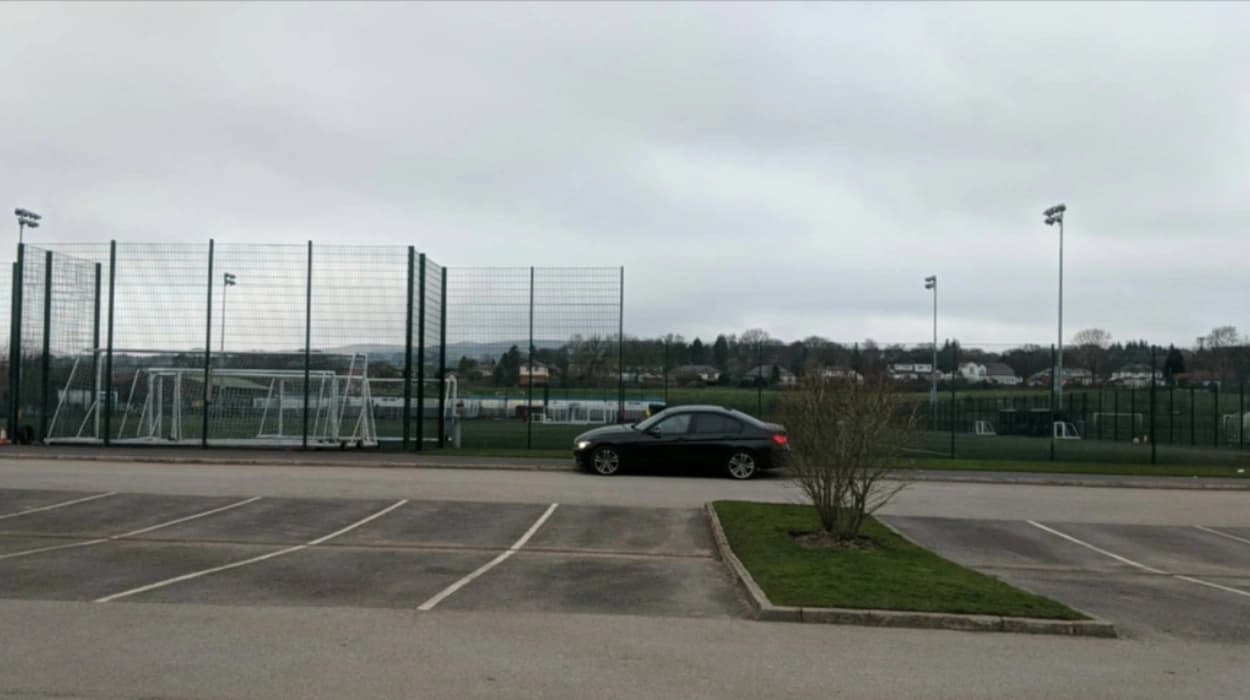
Key Points
- Academy Status Elevation: Bolton Wanderers Football Club has officially confirmed its strategic intent to elevate its youth academy from Category Three to Category Two status, marking a significant milestone after six years operating at the lower tier.
- Bureaucratic and Official Delays: The formal seal of approval from the Premier League for the Category Two upgrade may be deferred until next summer, necessitating temporary operational workarounds.
- Interim Competitive Strategy: Due to the projected timeline of the Premier League's official approval, the club is set to maintain its progressive 'B Team' model within the Central League infrastructure for the time being.
- Strategic Competitive Advantages: Achieving Category Two status will permit the club to reintroduce multi-tiered age-group competitive football beneath the first-team squad and structurally expand its geographical youth talent catchment regulations.
- Resurrection of the Lostock 'Bubble': A cornerstone of the structural development is the reconstruction of the indoor training facility dome at Lostock, which was catastrophically destroyed by Storm Malik in January 2022.
- First-Team Management Endorsement: First-team manager Steven Schumacher has strongly endorsed the facility upgrades, noting that an indoor baseline is essential for executing technical shape and set-piece training during severe winter weather conditions.
- Championship-Ready Objectives: The infrastructure project is part of a broader development 'checklist' across the Lostock training complex and Toughsheet Community Stadium designed to align the club’s facilities with EFL Championship standards.
- Management Vacancy: Following the departure of B Team manager Andy Taylor to National League side Barrow, a permanent managerial replacement for the development squad remains unconfirmed.
Bolton (Bolton Today) June 16, 2026 - Bolton Wanderers Football Club has officially initiated a comprehensive infrastructure and structural redevelopment project at its Lostock training ground, systematically targeting an upgrade of its youth academy to prestigious Category Two status alongside critical facility enhancements.
The extensive modernisation plan aims to transition the club’s youth apparatus away from the Category Three tier it has occupied for the past six seasons, completely restructuring the pathway to the first team. However, senior club executives have acknowledged that administrative timelines dictated by governing bodies mean the official seal of approval from the Premier League may not materialize until next summer. This projected delay implies that the club will continue to deploy its specialized B Team model within the Central League framework for the immediate future, ensuring youth development continuity while the physical and regulatory upgrades are completed step by step.
The tactical rationale underpinning this sweeping structural overhaul focuses heavily on elevating the daily competitive environment for the club's emerging prospects. By securing Category Two certification, the Greater Manchester club will earn the right to reintroduce formal, age-specific league football directly outside the first-team structure, while simultaneously broadening its regulatory geographical catchment area to scout and sign elite young talent. Furthermore, the logistical checklist features the imminent return of Lostock’s iconic indoor dome facility, known colloquially as the 'Bubble,' which has remained out of commission since sustaining catastrophic weather damage over four years ago. First-team manager Steven Schumacher has publicly expressed his strong backing for the investment, characterizing the ongoing construction as a critical operational step to prepare the entire club for the strenuous demands of EFL Championship level football.
Why is Bolton Wanderers targeting a Category Two academy upgrade?
As meticulously documented by Chief Football Writer Marc Iles of The Bolton News, the executive leadership at Bolton Wanderers has confirmed absolute plans to step up from their long-held Category Three status, a designation that has defined the club's youth academy operations for the last six years. The core motivation driving this systemic transition is the ambition to maximize both recruitment reach and competitive scheduling. Under governing football association rules, a rise to Category Two standing allows a professional club to significantly widen its geographical catchment borders, liberating scouts from tight localized radius restrictions and allowing the club to compete aggressively for elite young players across a much wider territory.
Furthermore, Marc Iles noted that the promotion would fundamentally transform the fixtures calendar for the club's developmental squads. Achieving this status unlocks a highly structured, intensely competitive, and federally regulated match list against rival academies operating at the exact same elevated tier. This replaces a more fragmented fixture system with elite, high-stakes games designed to prepare prospects directly for senior professional football.
What is causing the delay in the academy's official reclassification?
Despite the club's aggressive internal push, bureaucratic procedures mean the formal transition will not occur overnight. According to detailed reporting published by Marc Iles in The Bolton News, the official seal of approval from the Premier League—the governing entity responsible for auditing and validating academy categories—may now not formally arrive until the summer of next year.
This multi-month timeline persists despite the fact that Bolton Wanderers are already successfully meeting the vast majority of the stringent criteria mandated for the Step Up. These pre-existing alignments include satisfying the rigorous benchmarks regarding the overall quality and the sheer quantity of specialized coaching hours delivered to the youth players. Because the official administrative certification remains pending, the club's leadership has opted for stability, confirming that they will continue with their current B Team blueprint within the Central League structure for the time being until the Premier League's regulators conclude their assessment.
How will the B Team structure adapt during the transition period?
The operational management of the interim development squad faces both structural and personnel adjustments during this extended transition phase. As broken by Marc Iles of The Bolton News, the club is currently managing a leadership vacancy within its youth development staff. Former B Team manager Andy Taylor officially stepped away from his managerial role last month, subsequently completing a professional move to join National League club Barrow.
At the time of reporting, the Bolton Wanderers board has not yet finalized or confirmed a permanent managerial replacement to fill the void left by Taylor. The lack of a permanent figurehead means the club must navigate the upcoming Central League schedule under transitional coaching staff, even as executive planners work behind the scenes to prepare the squad's infrastructure for the eventual multi-tier age-group format required by Category Two specifications.
Explore More Bolton Wanderers News
Championship Transfer Tracker Summer Signings: Bolton 2026
Bolton Wanderers Issued Championship Warning After Promotion: Bolton News 2026
What role does the Lostock 'Bubble' play in the club's infrastructure strategy?
A visible and highly anticipated element of the physical transformation at the Lostock training ground is the complete restoration of the indoor training facility, known by supporters and staff alike as the 'Bubble.' Writing for The Bolton News, Chief Football Writer Marc Iles highlighted that the return of this covered asset is anticipated to occur prior to the onset of the harsh winter months. Crucially, the club intends to push forward with this specific deployment regardless of whether the academy’s formal regulatory upgrade is ratified immediately or deferred for another twelve months.
The indoor facility has been entirely out of action since January 2022, when it was structurally destroyed by the high winds of Storm Malik. The asset holds immense historical and practical value for the club; it was originally purchased in late 2017 by the Bolton Wanderers Development Association utilizing specialized club lottery cash reserves, and it had been heavily utilized by a succession of previous first-team managers to maintain training consistency when local geographic weather patterns deteriorated.
What has manager Steven Schumacher said about the indoor facility upgrades?
First-team manager Steven Schumacher has been vocal regarding the immediate benefits that the infrastructure investments will bring to his senior squad, looking forward to having a reliable facility that can fully insulate his players during severe winter climates.
In an exclusive statement provided to Marc Iles of The Bolton News, Schumacher explained the tactical necessity of the indoor project:
"I think getting the dome up would be a big step forward. It obviously helps with the Category Two status for the Academy, but I think it would help us in the first team as well, because some days here, as you well know, are so windy. And if you are trying to do set pieces or shape work, having the dome and having a base indoors would be important, because getting information on in the worst conditions is sometimes very difficult."
Schumacher's commentary emphasizes that the physical constraints of the open-air Lostock site frequently disrupt strategic technical preparation, making the covered dome an operational priority for the first team just as much as it is a regulatory requirement for the youth academy audit.
Is the training ground currently prepared for EFL Championship football?
The overhaul at Lostock is part of a broader, highly detailed organizational 'checklist' of physical works that must be systematically executed around both the training complex and the main stadium. This aggressive push is designed to modernise the club's assets as they gear up for sustained football at the EFL Championship level.
When questioned regarding the current state of the facilities and whether they matched the standards of the English second tier, manager Steven Schumacher gave a candid assessment to The Bolton News:
"I think there have been general improvements in and around the place for a while now and obviously there are areas where it can still get better. I am sure there will be investment for us to improve again. It is not quite a Championship-ready facility yet, but I'm sure we will all work towards that goal because we all want to see the club keep improving year-in, year-out."
Schumacher further contextualized the master plan, emphasizing a methodical, step-by-step approach to the club's capital investment:
"The Bubble is just one part of it. There are lots of things that I think we can build and improve on around the training ground but it's bit by bit, and I'm sure it will all come together."
This measured approach highlights an internal consensus between the coaching staff and the board, recognizing that while the current site requires significant modernization to truly become a "Championship-ready facility," the financial and physical commitments are being deployed incrementally to ensure long-term club stability.