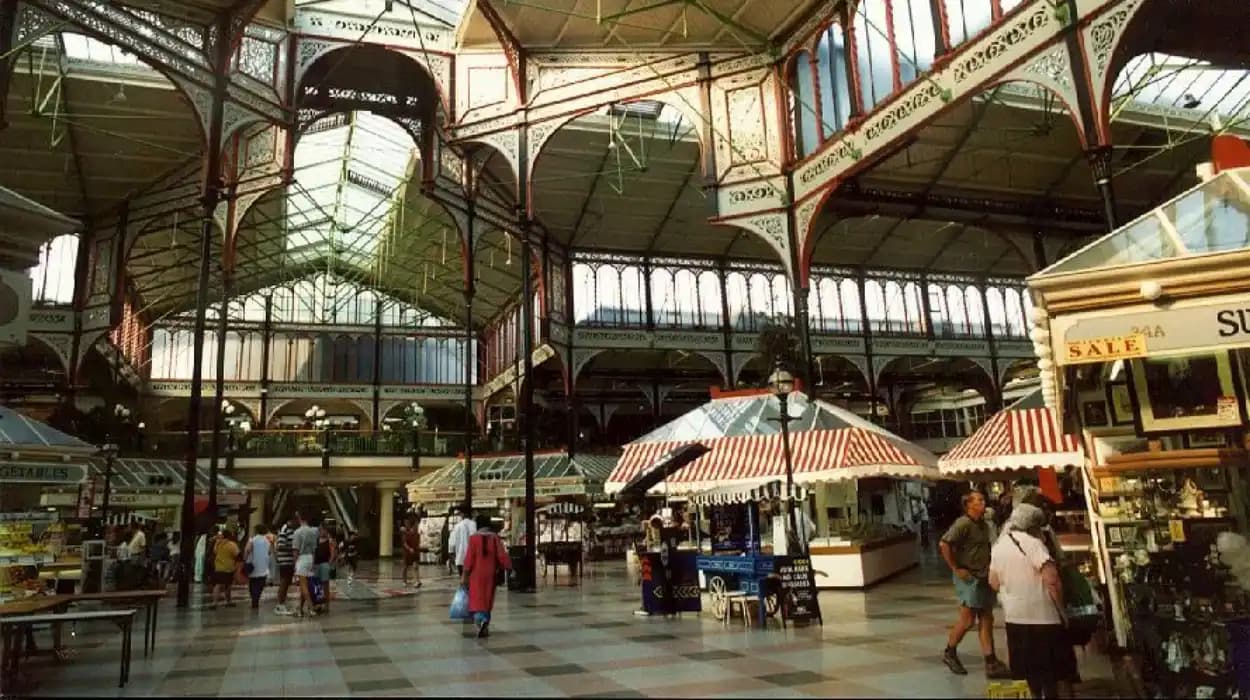
Traditional Bolton dishes represent the culinary heritage of the Metropolitan Borough of Bolton in Greater Manchester, England. These foods developed through centuries of agricultural practices, textile industry growth, religious traditions, and working-class culture. Local ingredients, industrialisation, and Lancashire's farming economy shaped recipes that remain part of Bolton's identity today. Many dishes originated between the medieval period and the nineteenth century, reflecting the daily lives of farmers, mill workers, miners, and market traders. Their continued preparation preserves an important part of Bolton's cultural history and demonstrates how food connects communities across generations.
What are traditional Bolton dishes and why are they historically significant?
Traditional Bolton dishes are historic foods developed from Lancashire's agricultural economy, industrial workforce, and local customs. They preserve centuries of regional identity, demonstrate changing food production methods, and provide evidence of how ordinary families adapted local ingredients to economic, religious, and seasonal conditions.
Traditional Bolton cuisine belongs to the wider food heritage of historic Lancashire. Before the creation of Greater Manchester in 1974, Bolton formed part of Lancashire, and its culinary traditions evolved alongside neighbouring towns including Bury, Blackburn, Preston, and Wigan.
Food historians define traditional regional dishes as recipes consistently prepared within a locality over multiple generations. Bolton's historic recipes relied on ingredients that were inexpensive, widely available, and suitable for the region's cool climate. Oats, potatoes, root vegetables, barley, dairy products, lamb, beef, and locally baked bread formed the foundation of everyday meals.
During the medieval period, Bolton remained a rural settlement where farming dominated local life. Families produced much of their own food. Seasonal preservation methods, including salting, drying, smoking, and pickling, ensured supplies lasted throughout winter.
The Industrial Revolution transformed Bolton into one of Britain's leading cotton-manufacturing towns during the eighteenth and nineteenth centuries. Between 1770 and 1900, the town's population increased dramatically as textile mills attracted thousands of workers. Long factory shifts demanded filling, affordable meals that provided sufficient energy. Many of Bolton's best-known traditional dishes emerged or became firmly established during this industrial era.
Today, museums, heritage organisations, local bakeries, and community events continue preserving these recipes. They remain an important part of Bolton's cultural landscape and regional identity.
How did Lancashire's history shape Bolton's traditional food?
Lancashire's farming economy, medieval manorial system, Industrial Revolution, and expanding urban population directly influenced Bolton's food culture. Economic change encouraged practical recipes using affordable local ingredients, while industrial employment increased demand for filling meals suitable for long working days.
Bolton developed within one of England's most productive agricultural regions. The county supported mixed farming, including cattle grazing, sheep farming, dairy production, and cereal cultivation.
Before industrialisation, families typically consumed bread, porridge, cheese, butter, vegetables, and occasional meat. Wealthier households enjoyed greater access to imported spices and luxury ingredients, while ordinary labourers relied on simple seasonal foods.
The expansion of textile manufacturing during the eighteenth century fundamentally altered eating habits. Mill workers often left home before sunrise and returned after dark. Meals needed to be portable, inexpensive, and satisfying.
Bolton Market became a central distribution point for regional produce. Farmers supplied potatoes, onions, carrots, cabbage, dairy products, eggs, and meat. Local butchers sold inexpensive cuts suitable for slow cooking.
The arrival of canals and later railways improved food transport. Imported sugar, tea, spices, dried fruit, and flour became increasingly accessible during the nineteenth century. Traditional recipes gradually incorporated these new ingredients while maintaining their local character.
Economic hardship also influenced culinary development. Working families reduced waste by using every edible portion of an animal, creating nutritious dishes from offal, bones, oats, and leftover bread.
Which traditional Bolton dishes have the deepest historical roots?
Bolton's oldest surviving dishes include Lancashire Hotpot, Butter Pie, Black Pudding, Eccles-style pastries, Rag Pudding, Chorley Cake, Parkin, and traditional oat-based foods. Each reflects centuries of agricultural production, religious observance, and industrial working-class life across Lancashire.
Lancashire Hotpot
Lancashire Hotpot remains one of the region's most recognised traditional dishes.
Its origins date to the late eighteenth and early nineteenth centuries. The dish combines lamb or mutton with onions and sliced potatoes cooked slowly in a covered pot.
The name derives from the cooking vessel rather than the ingredients. Slow cooking tenderised inexpensive meat while allowing families to prepare meals before leaving for work.
Industrial workers appreciated the practicality of a meal requiring minimal supervision.
Butter Pie
Butter Pie developed as a meat-free alternative during Roman Catholic observance of Friday abstinence.
The pie traditionally contains sliced potatoes, onions, butter, and seasoning enclosed within pastry.
Large Catholic communities across Lancashire, including Bolton, maintained the recipe throughout the nineteenth century.
Rag Pudding
Rag Pudding combines minced beef and onions wrapped in suet pastry before steaming inside cloth.
The cloth, known historically as the "rag," gave the pudding its distinctive name.
The recipe became especially popular among cotton mill workers because steaming produced a filling meal using inexpensive ingredients.
Black Pudding
Black Pudding dates back several centuries across northern England.
Made from pork blood, oats, fat, and seasoning, it reflects historic practices of using every part of slaughtered livestock.
Bolton families commonly purchased black pudding from local butchers and market stalls.
Parkin
Parkin consists of oatmeal, black treacle, ginger, and syrup.
The cake became associated with autumn celebrations, particularly around Bonfire Night during the nineteenth century.
Its long shelf life suited working households.
Why did mill workers influence Bolton's food traditions?
Cotton mill workers required inexpensive, energy-rich meals capable of sustaining physically demanding labour. Their dietary needs encouraged practical recipes featuring potatoes, oats, pastry, root vegetables, slow-cooked meats, and preserved foods that remained filling throughout long factory shifts.
The Industrial Revolution fundamentally altered daily eating patterns.
By the mid-nineteenth century, Bolton contained hundreds of cotton mills employing thousands of workers.
Typical factory shifts lasted between ten and twelve hours before reforms gradually reduced working hours.
Breakfast commonly included porridge, oatcakes, bread, cheese, or dripping.
Midday meals needed portability. Meat pies, butter pies, bread, cheese, and leftovers served this purpose.
Evening meals frequently centred on stews, soups, or hotpots prepared in advance.
Women's domestic labour played an essential role in maintaining family nutrition despite demanding factory schedules.
Cookbooks from Victorian Lancashire describe economical preparation methods that maximised limited household budgets.
These industrial-era food traditions continued well into the twentieth century.
What ingredients defined traditional Bolton cooking?
Traditional Bolton recipes relied on locally produced potatoes, oats, barley, onions, root vegetables, dairy products, lamb, beef, pork, and seasonal fruits. These ingredients reflected Lancashire agriculture, affordable household budgets, and practical methods of preserving nutritious food throughout the year.
Potatoes became increasingly important after widespread cultivation during the eighteenth century.
Oats represented another defining ingredient.
Unlike southern England, northern counties relied heavily on oatmeal because cooler climates favoured its cultivation.
Oats appeared in porridge, bread, biscuits, puddings, and cakes.
Lancashire's dairy industry supplied butter, milk, cream, and regional cheeses.
Root vegetables remained available throughout winter through storage techniques.
Onions provided flavour in countless traditional recipes.
Lamb and mutton reflected widespread sheep farming across upland Lancashire.
Beef appeared in puddings, pies, soups, and stews.
Pork supported sausage production, cured meats, and black pudding.
Imported ingredients including tea, sugar, raisins, currants, and spices gradually entered everyday cooking following expanding trade during the eighteenth and nineteenth centuries.
How did Bolton Market preserve traditional food culture?
Bolton Market preserved traditional food culture by connecting local farmers, butchers, bakers, and consumers. Continuous trading encouraged regional recipes, supported family businesses, maintained seasonal food traditions, and transmitted culinary knowledge across successive generations within the community.
Markets formed the economic heart of historic towns.
Bolton Market traces its origins to medieval trading privileges granted centuries ago.
Farmers transported produce directly from surrounding villages.
Customers purchased fresh meat, vegetables, dairy products, baked goods, and preserved foods.
Independent bakers maintained regional pastry traditions including meat pies and sweet cakes.
Traditional butchers continued producing black pudding according to long-established methods.
Market stalls also encouraged recipe sharing between generations.
Many Bolton residents still associate traditional dishes with market shopping and local food producers.
Food heritage initiatives continue documenting historic recipes connected with Bolton Market.
To experience this historic culinary heritage alongside the town's landmarks today, consult our comprehensive [Traditional Foods Every Tourist Should Try While Exploring Bolton Town Centre Attractions] for itineraries and visiting parameters.
How have traditional Bolton dishes been preserved into the modern era?
Museums, heritage organisations, independent bakeries, community festivals, family recipes, and historical research preserve Bolton's traditional dishes. These institutions document cooking methods, support local producers, and ensure culinary heritage remains accessible for future generations and educational study.
Historic preservation increasingly recognises food as intangible cultural heritage.
Organisations including local museums document historic cookbooks, kitchen equipment, and domestic life.
Family businesses continue producing regional pies, puddings, cakes, and baked goods using traditional methods.
Schools increasingly incorporate local food history into educational programmes exploring industrial heritage.
Community heritage events celebrate regional recipes alongside demonstrations of historic cooking techniques.
Academic researchers examine household account books, census records, agricultural statistics, and trade directories to reconstruct everyday diets.
Historic England and other heritage bodies acknowledge that culinary traditions contribute to understanding regional identity even when recipes themselves receive no formal legal protection.
What role did religion and seasonal customs play in Bolton's traditional foods?
Religious observance, agricultural seasons, harvest celebrations, Christmas traditions, and community festivals shaped Bolton's historic recipes. Seasonal availability determined ingredients, while religious practices influenced meat consumption, fasting customs, and festive baking across Lancashire communities.
Christian religious observance strongly influenced historic eating habits.
Roman Catholic communities observed meat-free Fridays, encouraging recipes including Butter Pie.
Harvest periods increased supplies of fresh vegetables and grains.
Autumn celebrations featured Parkin and other oat-based cakes.
Christmas introduced richer foods containing dried fruits, spices, and preserved ingredients.
Winter slaughtering produced cured meats and black pudding for long-term storage.
Seasonal preservation methods ensured continuous food supplies despite limited refrigeration before the twentieth century.
Community gatherings also centred around shared meals, strengthening local identity.
Why do traditional Bolton dishes remain important today?
Traditional Bolton dishes preserve regional identity, support cultural tourism, strengthen community heritage, and provide valuable evidence for historians studying everyday life. Their continued preparation connects modern residents with centuries of agricultural, industrial, and social development across historic Lancashire.
Food represents one of the most accessible forms of cultural heritage.
Unlike historic buildings, recipes remain living traditions practiced within homes, bakeries, restaurants, and community events.
Culinary heritage supports local tourism by encouraging visitors to experience authentic regional cuisine.
Historians increasingly recognise food as evidence of broader economic and social change.
Traditional Bolton dishes reveal changing agricultural systems, industrial employment, transport networks, migration patterns, and domestic life.
Genealogical researchers studying Lancashire families gain valuable insight into the daily experiences of ancestors through historical food culture.
Modern interest in regional identity has also increased appreciation for traditional recipes that distinguish Bolton from other parts of Britain.
Preservation efforts continue documenting these culinary traditions for future generations.
The survival of Lancashire Hotpot, Butter Pie, Rag Pudding, Black Pudding, Parkin, and other historic foods demonstrates the resilience of Bolton's cultural identity. Although ingredients and preparation methods have evolved, the historical foundations remain closely connected to the town's agricultural origins, industrial expansion, and enduring community traditions.
FAQS
What is the most famous traditional dish from Bolton?
Lancashire Hotpot is the most famous traditional dish associated with Bolton. The slow-cooked meal of lamb or mutton, onions, and sliced potatoes became popular during the Industrial Revolution because it was affordable, nutritious, and suitable for working families.