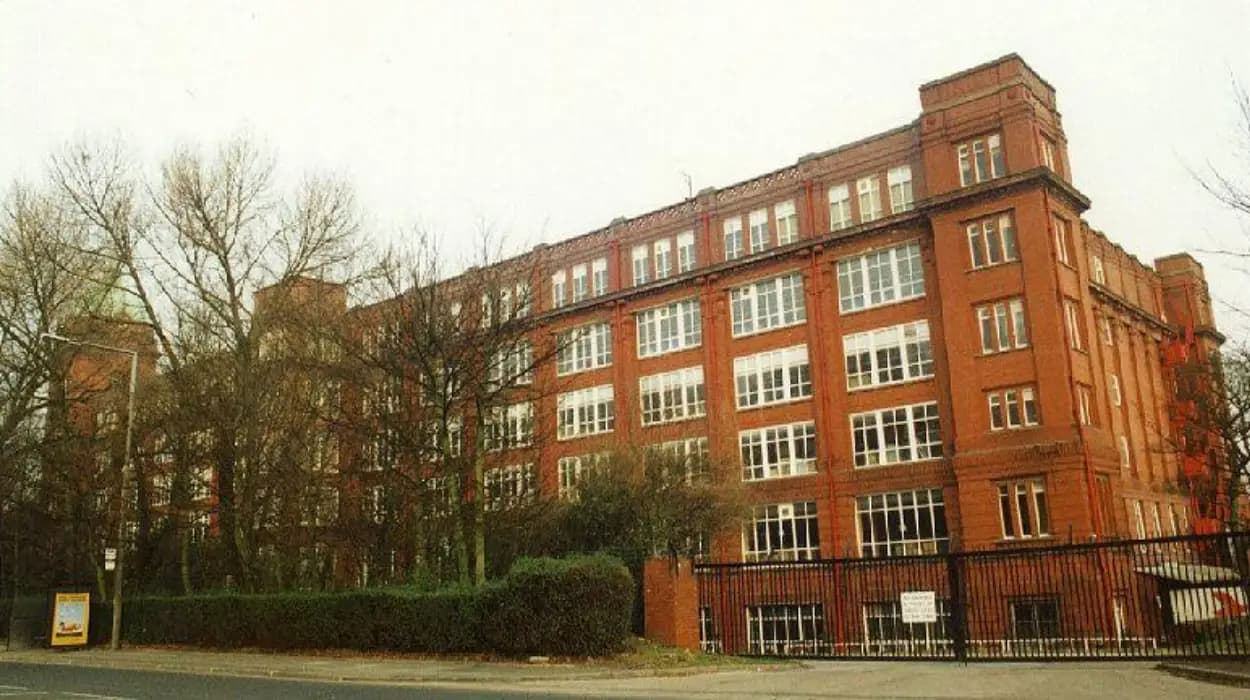
Astley Bridge is one of the most significant examples of how industrialisation transformed a rural Lancashire settlement into an urban manufacturing district. Located north of Bolton town centre in Greater Manchester, Astley Bridge evolved from scattered agricultural land into a thriving industrial community during the nineteenth century. Its growth reflected wider economic changes occurring across north-west England, particularly the expansion of textile production, engineering, transportation networks, and urban housing.
Understanding the historical development of Astley Bridge provides insight into the forces that reshaped Britain during the Industrial Revolution. The area's landscape, population, architecture, and economy changed dramatically over a relatively short period. Many of the roads, buildings, and community institutions visible today originated during this era of rapid transformation.
What was Astley Bridge before industrialisation?
Before industrialisation, Astley Bridge consisted primarily of agricultural land, dispersed farms, rural tracks, and small settlements connected to Bolton. The area's economy depended on farming, cottage industries, and local trade, with few permanent urban characteristics before the nineteenth century.
The name Astley Bridge derives from a crossing point over the River Astley, which itself contributed to the area's identity and development. Prior to large-scale industrial growth, the district formed part of the historic township landscape surrounding Bolton.
During the eighteenth century, most residents worked in agriculture. Farms produced livestock, grain, and other agricultural products for local consumption and regional markets. The countryside contained fields divided by stone walls and hedgerows, creating a landscape typical of Lancashire's rural settlements.
Small-scale textile production also existed. Families often combined farming with domestic spinning and weaving. This cottage industry system represented an important stage in Britain's pre-industrial economy. Textile workers operated from homes rather than factories, producing cloth for merchants who distributed materials and collected finished products.
Road infrastructure remained limited. Transport relied heavily on horse-drawn carts travelling along local routes connecting villages and market towns. Population density remained low, and development occurred gradually rather than through planned urban expansion.
The rural character of Astley Bridge persisted until technological and economic changes associated with the Industrial Revolution created new opportunities for industrial investment.
How did the Industrial Revolution change Astley Bridge?
The Industrial Revolution transformed Astley Bridge by introducing mechanised textile production, attracting investment, increasing employment opportunities, and encouraging rapid population growth. Industrial expansion altered land use, transportation systems, and settlement patterns throughout the nineteenth century.
Britain's Industrial Revolution accelerated after the late eighteenth century. Lancashire became one of the world's leading textile-producing regions due to technological innovations and access to expanding domestic and international markets.
The invention of mechanised spinning and weaving machinery increased production capacity dramatically. Factory owners required larger premises capable of housing increasingly sophisticated equipment. Rural areas near established towns became attractive locations for industrial development.
Astley Bridge benefited from its proximity to Bolton, an important cotton manufacturing centre. Entrepreneurs recognised opportunities to establish mills beyond the crowded town centre while remaining connected to labour markets and transport routes.
As industrial facilities expanded, agricultural land gradually disappeared. Fields were replaced by factories, warehouses, workshops, workers' housing, and commercial premises. The physical landscape changed from open countryside to a more densely developed urban environment.
Industrialisation also altered social structures. Employment shifted from seasonal agricultural work toward wage-based factory labour. Families increasingly depended upon industrial incomes rather than farming activities.
These developments positioned Astley Bridge within the broader industrial economy that made Lancashire a global centre of textile production.
Why did textile manufacturing become important in Astley Bridge?
Textile manufacturing became important because Lancashire possessed established cotton-processing expertise, access to labour, and strong commercial connections. Astley Bridge provided suitable land for mills while remaining closely linked to Bolton's expanding industrial economy and transportation infrastructure.
Cotton manufacturing dominated the economy of much of north-west England during the nineteenth century. Raw cotton imported from overseas markets arrived at British ports before entering processing networks throughout Lancashire.
Factories converted raw fibres into yarn and cloth using increasingly mechanised production methods. These operations required significant investment in machinery, buildings, and power systems.
Several mills emerged in and around Astley Bridge as industrialists sought locations capable of supporting large-scale manufacturing. The area's geography and access to transportation routes facilitated industrial expansion.
The textile industry generated employment for men, women, and children. Workers operated machinery, maintained equipment, transported materials, and performed administrative tasks. Factory employment created demand for housing, shops, schools, and religious institutions.
By the late nineteenth century, textile production had become a defining characteristic of Astley Bridge's identity. The industry's influence extended beyond economics, shaping social life, local politics, and community development.
Industrial prosperity also encouraged investment in public infrastructure, contributing to long-term urban growth.
How did population growth reshape the community?
Rapid population growth reshaped Astley Bridge through urban expansion, housing construction, social diversification, and increased demand for public services. Industrial employment attracted workers from surrounding rural areas and neighbouring industrial districts throughout the nineteenth century.
Population growth represented one of the most visible consequences of industrialisation. Employment opportunities encouraged migration from rural communities across Lancashire and beyond.
As workers arrived, demand for accommodation increased substantially. Developers constructed terraced housing to accommodate factory employees and their families. Many of these residential areas followed patterns common throughout industrial Britain.
New neighbourhoods emerged near workplaces. Housing density increased significantly compared with earlier rural settlement patterns. Streets, public facilities, and commercial districts expanded alongside residential construction.
The growing population created demand for educational institutions. Schools provided basic literacy and numeracy skills necessary for participation in an increasingly industrial society.
Religious organisations also expanded. Churches, chapels, and associated charitable institutions played important roles in community life. They offered social support, educational opportunities, and moral guidance within rapidly changing urban environments.
Population growth contributed to greater social complexity. Astley Bridge evolved from a small rural district into a more diverse community containing industrial workers, business owners, professionals, and civic leaders.
What role did transportation play in Astley Bridge's development?
Transportation infrastructure supported industrial growth by improving movement of raw materials, manufactured goods, and workers. Better roads, railway connections, and regional transport networks integrated Astley Bridge into Lancashire's wider industrial economy during the nineteenth century.
Industrial success depended upon efficient transportation systems. Manufacturers required reliable access to markets, suppliers, and labour.
Before industrialisation, transport limitations constrained economic development. The expansion of roads and railways reduced these constraints and facilitated larger-scale production.
Railways transformed northern England during the nineteenth century. They enabled rapid movement of cotton, coal, machinery, and finished goods between manufacturing centres and ports.
Bolton's railway connections strengthened Astley Bridge's links with regional and national markets. Businesses gained improved access to customers and suppliers, supporting continued industrial expansion.
Transportation improvements also influenced residential patterns. Workers could travel more easily between employment centres and housing districts. Commercial activity increasingly concentrated along key transport corridors.
The relationship between transportation and industrial growth created a cycle of development. Improved infrastructure encouraged investment, while expanding industry generated demand for further transport improvements.
This integration into regional networks contributed significantly to Astley Bridge's economic success.
Which industries shaped Astley Bridge beyond textiles?
Although textiles dominated local employment, engineering, construction, retail, transport services, and supporting trades also contributed to Astley Bridge's economic development. Industrial diversification strengthened the area's resilience and expanded employment opportunities throughout the nineteenth and early twentieth centuries.
Textile manufacturing generated demand for numerous supporting industries. Engineering firms produced machinery required for mill operations. Maintenance workshops repaired equipment and supplied replacement components.
Construction companies benefited from continual demand for factories, housing, schools, churches, and commercial buildings. Urban growth required substantial investment in physical infrastructure.
Retail businesses expanded alongside population growth. Shops supplied food, clothing, household goods, and other necessities to local residents. Commercial districts developed to serve expanding communities.
Financial institutions also played important roles. Banks provided capital for industrial investment and facilitated commercial transactions.
Transport-related employment increased as industrial production expanded. Workers participated in freight handling, logistics, railway operations, and associated services.
Together, these sectors created a more diversified local economy than textile manufacturing alone. Their development contributed to long-term economic stability and urban maturity.
How did industrialisation affect living conditions in Astley Bridge?
Industrialisation improved employment opportunities and economic activity but also created challenges related to housing density, sanitation, public health, and working conditions. These issues reflected broader urban experiences across industrial Britain during the nineteenth century.
Rapid urban growth frequently outpaced infrastructure development. Housing construction occurred quickly to meet demand from expanding populations.
Many industrial workers lived in terraced housing located near factories. These homes provided accommodation close to employment but often lacked modern sanitation facilities during the early phases of urban development.
Public health became an important concern. Growing populations increased pressure on water supplies, waste disposal systems, and healthcare services.
Throughout the nineteenth century, local authorities and reformers introduced measures designed to improve urban conditions. Investments in sanitation, public utilities, and health services gradually enhanced quality of life.
Working conditions also evolved. Factory labour involved long hours and physically demanding tasks. Legislative reforms introduced by the British government increasingly regulated employment practices, particularly concerning women and children.
Despite challenges, industrial employment offered economic opportunities unavailable within traditional agricultural systems. Rising incomes and improved public infrastructure contributed to gradual social progress over time.
What historic buildings and landmarks reflect Astley Bridge's industrial past?
Historic mills, religious buildings, schools, civic structures, and surviving residential streets reflect Astley Bridge's industrial heritage. These landmarks provide tangible evidence of nineteenth-century urban development and illustrate how industrialisation transformed the local landscape.
Built heritage offers valuable insights into historical development. Surviving industrial and civic structures demonstrate the scale of investment that accompanied economic growth.
Former mill sites remain among the most important reminders of Astley Bridge's manufacturing history. Even where original buildings no longer survive, their locations help historians understand patterns of industrial expansion.
Religious institutions constructed during the nineteenth century illustrate population growth and community organisation. Churches and chapels often served as important social centres in addition to their religious functions.
Schools established during periods of rapid urbanisation demonstrate increasing emphasis on education. These institutions reflected broader social reforms occurring throughout Victorian Britain.
Residential streets also form part of the area's historic character. Terraced housing developments reveal how industrial communities accommodated expanding populations.
Many heritage assets continue to contribute to local identity. To experience this historic landscape in person today, consult our comprehensive The Complete Visitor Guide to Astley Bridge: What to See and Do Nearby for itineraries and visiting parameters.
Preservation efforts help ensure these historical connections remain accessible to future generations.
How has Astley Bridge preserved its historical identity?
Astley Bridge preserves its historical identity through heritage conservation, community engagement, historical research, and continued recognition of industrial-era landmarks. Local organisations and public institutions play important roles in documenting and protecting historical resources.
Heritage preservation involves identifying, documenting, and protecting historically significant sites and structures. Across Britain, former industrial communities increasingly recognise the cultural value of their historical assets.
Local historical societies contribute through research projects, archival preservation, and educational activities. These initiatives help maintain public awareness of the area's development.
Historic buildings often receive legal protections designed to prevent inappropriate alterations or demolition. Preservation policies support long-term conservation goals while accommodating contemporary needs.
Museums, archives, and academic institutions also contribute valuable research. Historical records including census data, property documents, maps, and photographs provide evidence supporting ongoing scholarship.
Genealogical researchers frequently utilise these resources when tracing family histories connected to Lancashire's industrial communities. Astley Bridge's development generated extensive documentary records that remain valuable for historical investigation.
The preservation of industrial heritage strengthens understanding of broader social and economic transformations that shaped modern Britain.
Why does the history of Astley Bridge remain important today?
Astley Bridge's history remains important because it demonstrates how industrialisation transformed communities, economies, and landscapes. Its development provides a case study of broader national changes that influenced modern Britain and continue to shape local identity today.
The transition from farmland to factory town reflects one of the most significant processes in British history. Industrialisation altered patterns of employment, settlement, transportation, education, and governance.
Astley Bridge illustrates how local communities responded to technological innovation and economic change. The area's growth mirrors developments experienced throughout Lancashire's industrial districts.
Historical understanding also supports heritage preservation and informed urban planning. Recognising the significance of historic landscapes encourages balanced approaches to future development.
For educators, the district provides a practical example of industrial transformation. Students can examine how national economic trends influenced local environments and everyday life.
For cultural tourists, Astley Bridge offers connections to the industrial heritage that helped shape modern Britain. For genealogical researchers, its records provide valuable evidence of family histories linked to Lancashire's manufacturing economy.
Today, traces of agricultural origins, industrial expansion, and urban development remain visible throughout the area. Together, they form a historical narrative spanning centuries of economic and social change.
Astley Bridge's evolution from rural farmland to industrial community represents more than local history. It reflects the broader story of Britain's transformation during the Industrial Revolution and demonstrates how technological innovation reshaped landscapes, populations, and societies across the nation. The surviving buildings, street patterns, institutions, and historical records continue to provide valuable evidence of this remarkable period of development, ensuring that Astley Bridge remains an important part of Lancashire's historical heritage.
FAQS
What was Astley Bridge like before industrialisation?
Before industrialisation, Astley Bridge was primarily a rural area consisting of farmland, scattered farms, rural tracks, and small settlements connected to Bolton's agricultural economy.