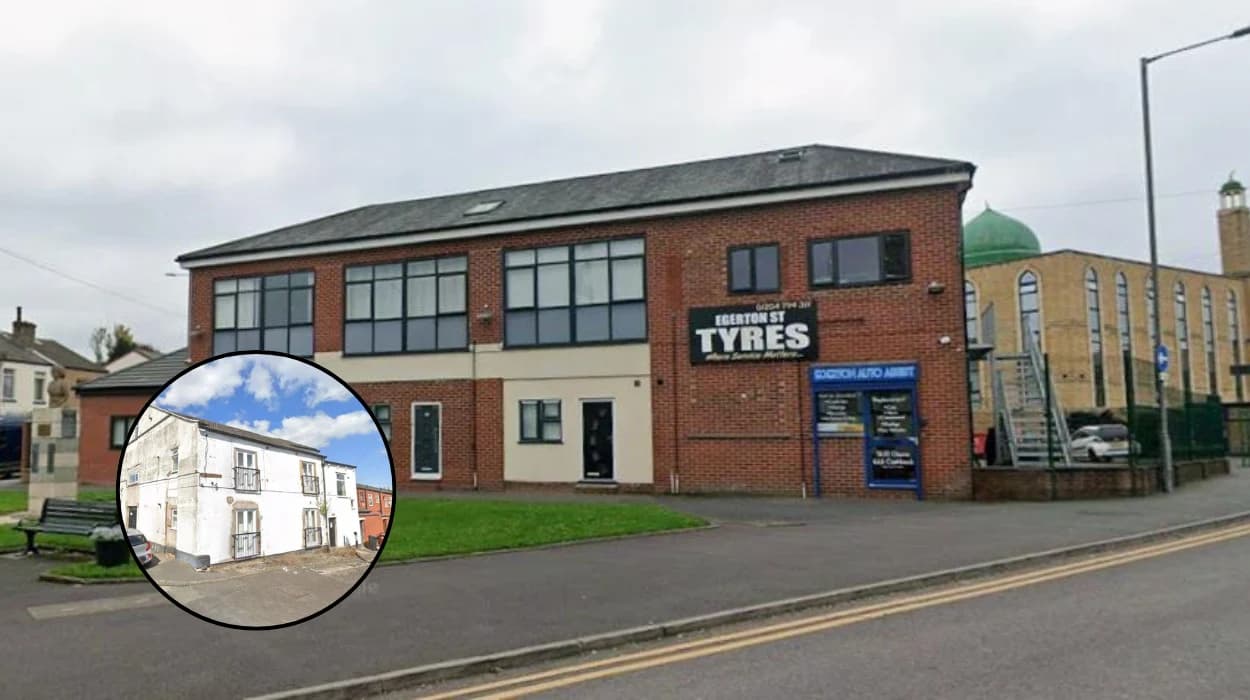
Key Points
- Mr S Hussain applied for retrospective planning permission to convert a former hairdressers and garage in Moses Gate, Farnworth, into five self-contained flats.
- The application also sought approval for an already-built outdoor staircase, alterations to create new windows and block others, a front garden enclosed by a 2m high brick wall, and expansion of the staircase for added outdoor space.
- Bolton Council rejected the plans because three flats (numbers 25, 29, and 31) do not meet minimum floorspace requirements, one flat (number 33) lacks sufficient headroom, proposed private and communal spaces are too small, and there was no assessment of noise and air quality impacts from the adjacent vehicle repair business.
- Mr Hussain appealed the decision to The Planning Inspectorate.
- Inspector Andreea Spataru visited the site on 29 October and dismissed the appeal.
- Main issues identified by the inspector: impact on the character and appearance of the area, and adequacy of living conditions for flat occupants.
- The area is described as a “mixed use” zone with the site next to a garage, featuring a “modest, functional streetscape”.
- The outdoor staircase was deemed “visually intrusive” due to its prominent position, stark metal construction, and contrasting colour against the brickwork.
- Extending the landing for flat 31 would increase bulk and projection, eroding visual coherence and exacerbating negative impacts on the streetscape.
- Flats fall below minimum floorspace standards; lounge and upper bedroom of flat 33 below minimum ceiling height.
- Private outdoor space for flats 25 and 31 lacks evidence of adequate usability and quality.
- No evidence on noise and air quality, significant due to proximity to the existing business; precautionary approach taken in absence of robust evidence and mitigation.
- Proposal fails to provide high standards of amenity, particularly regarding noise and air pollution.
What Led to the Initial Rejection by Bolton Council?
Bolton Council turned down Mr S Hussain’s application because three of the proposed flats—numbers 25, 29, and 31—failed to meet minimum floorspace requirements. Flat number 33 was flagged for insufficient headroom, particularly in its lounge and upper bedroom.
The council also criticised the proposed private and communal spaces as too small. Crucially, there was no assessment of noise and air quality to demonstrate that residents would not be adversely affected by the adjacent vehicle repair business, as noted in the authority’s decision documented on Bolton Council’s website.
These concerns formed the backbone of the refusal, prompting Mr Hussain to lodge an appeal with The Planning Inspectorate.
Why Did Inspector Andreea Spataru Visit the Site?
Inspector Andreea Spataru conducted a site visit on 29 October to evaluate the appeal firsthand. Her inspection focused on two primary issues: the impact of the flats on the character and appearance of the area, and whether the development would deliver adequate living conditions.
She characterised the locality as a “mixed use” area, with the site positioned directly next to a garage, contributing to a “modest, functional streetscape”. This context underscored the challenges of integrating residential units amid ongoing commercial activity.
How Does the Outdoor Staircase Affect the Streetscape?
The already-built outdoor staircase emerged as a key visual detractor. Inspector Spataru described it as “visually intrusive within the street scene” owing to its “prominent position”, “stark metal construction”, and “contrasting colour against the brickwork”.
Mr Hussain had proposed extending the landing to provide outdoor space for flat number 31, alongside a front garden enclosed by a 2m high brick wall. However, the inspector ruled that this would
“increase the bulk and projection of this feature, making it even more dominant”.
She elaborated:
“This would further erode the visual coherence of the streetscape and exacerbate the negative impact of the development on the character and appearance of the area.”
These observations, drawn from her decision notice, emphasise how the alterations clashed with the area’s modest aesthetic.
Do the Flats Meet Minimum Space Standards?
Inspector Spataru confirmed that the floor space across the five flats fell below nationally described minimum standards. Specifically, the lounge and upper bedroom in flat number 33 did not provide enough ceiling height.
While private outdoor space was proposed for flats 25 and 31, the inspector noted:
“the submitted evidence does not demonstrate that these spaces would be adequate in terms of usability and quality.”
This shortfall extended to communal areas, failing to offer residents viable living environments.
What Role Did Noise and Air Quality Play in the Decision?
Proximity to the existing vehicle repair business amplified concerns over noise and air pollution. The inspector highlighted the absence of any evidence assessing these impacts, stating:
“This omission is significant given the proximity of the existing business and the potential for adverse effects”.
In her ruling, Ms Spataru adopted a precautionary approach: “in the absence of robust evidence and mitigation”. She concluded that the proposal failed to provide “high standards of amenity for the occupants” with “particular regard to noise and air pollution”.
Who Is Mr S Hussain and What Was His Full Proposal?
Mr S Hussain spearheaded the bid for retrospective planning permission to regularise the conversion of the building in Moses Gate, Farnworth, into five self-contained flats. The application encompassed the outdoor staircase already constructed, alterations to form new windows while blocking others, a new front garden bounded by a 2m high brick wall, and staircase expansion to enhance outdoor space.
This comprehensive package aimed to transform the former hairdressers and garage into viable residential units, but it encountered resistance at both council and inspectorate levels.
What Is the Broader Context of Planning Appeals in Farnworth?
Farnworth, part of Bolton, features mixed-use zones where industrial and residential elements coexist, often leading to planning disputes. The inspector’s emphasis on “visual coherence” and amenity standards aligns with national planning policy framework requirements for high-quality developments.
Local coverage, including from Bolton Council sources, underscores recurring issues with retrospective applications in such areas, where unpermitted works heighten scrutiny.
How Has Bolton Council Responded to Similar Cases?
Bolton Council has consistently enforced space standards and environmental assessments in residential conversions. In this instance, their rejection paved the way for the appeal, but the inspectorate’s alignment reinforces the authority’s stance.
No further statements from council officials have been reported beyond the initial decision notice.
What Happens Next for the Farnworth Site?
With the appeal dismissed, Mr S Hussain must now comply with enforcement measures to revert the unauthorised changes. The site’s future remains uncertain, potentially reverting to its prior commercial use or facing new proposals.
The Planning Inspectorate’s decision notice serves as the definitive public record, accessible via their portal.
Why Are National Space Standards Critical Here?
The inspector invoked technical housing standards, mandating minimum floor areas and ceiling heights to ensure habitable homes. Flats 25, 29, and 31 undersized, and flat 33’s headroom deficits violated these, as cross-verified in council and inspectorate documents.
This adherence prioritises occupant welfare over developer convenience.