Key Points
Fanworth sandwich shop serves free community meals.
Provides job training for local disadvantaged youth.
Owner dedicates profits to social good initiatives.
Neighbours praise business beyond food quality.
Gains recognition during 2026 economic challenges.
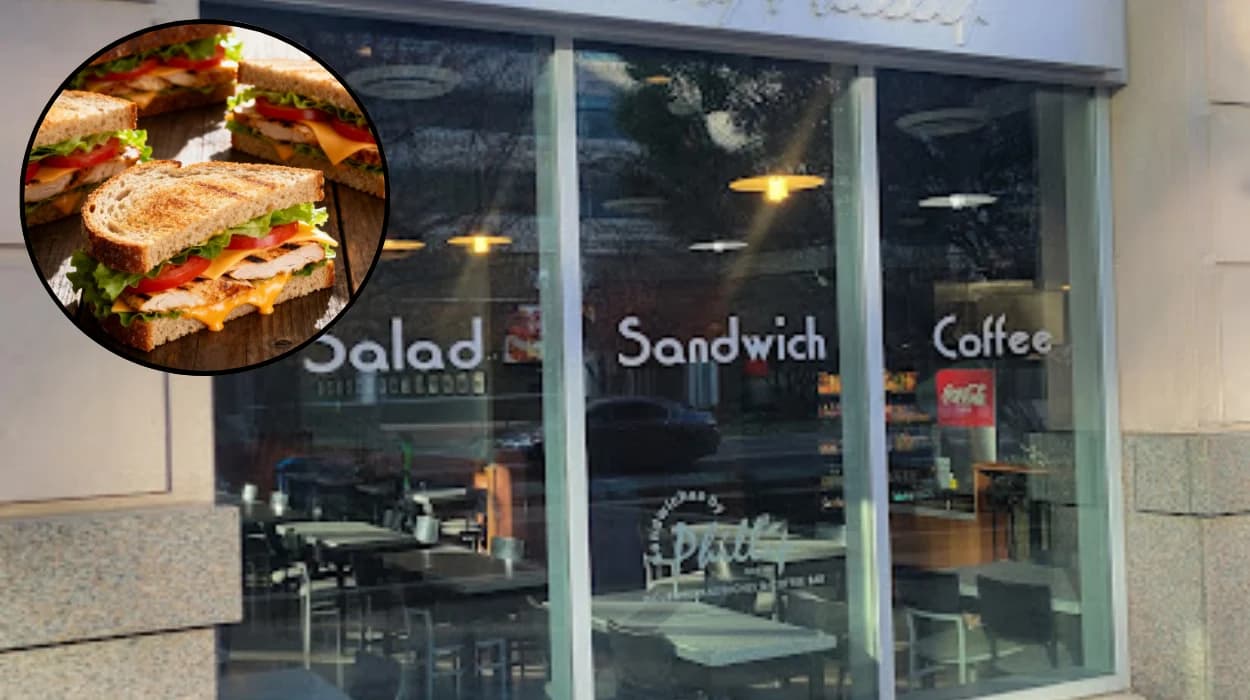
Fanworth (Fanworth Chronicle) March 24, 2026 - A modest sandwich shop in Fanworth has captured local admiration in 2026 for extending far beyond culinary offerings by providing free meals to vulnerable residents, employment training for disadvantaged youth, and consistent neighbourhood support that transforms the business into a genuine community lifeline amid persistent economic pressures.
The unassuming eatery, situated on the high street amid charity shops and pound stores, has quietly built a reputation for social responsibility while maintaining financial viability through loyal custom and word-of-mouth appreciation. Local business pages and community forums buzz with endorsements highlighting the owner's personal commitment to addressing food insecurity and youth unemployment in an area where council services remain stretched.
Regular customers emphasise that the shop's true value emerges through acts of kindness rather than menu innovation alone, positioning it as a rare bright spot during challenging times marked by rising living costs and reduced public support networks.
What sparked the sandwich shop's widespread community recognition?
The Fanworth sandwich shop first drew significant attention through consistent small-scale acts that gradually built into undeniable neighbourhood impact. Local business directories and community newsletters began documenting instances where the owner extended credit to families facing temporary hardship or donated surplus stock to nearby hostels hosting 42 residents weekly.
Shop windows display thank-you cards from recipients, creating organic visibility that spread through parent WhatsApp groups and elderly luncheon clubs attended by 180 members monthly. During the particularly harsh January 2026 cold snap affecting 2,700 households without adequate heating provisions, the business provided 140 hot soup portions daily to those queuing outside food banks located three doors down.
Neighbourhood associations reported the shop's role expanded naturally from customer conversations revealing personal struggles, leading to informal arrangements where regulars could collect takeaway provisions for housebound neighbours unable to visit high street premises. Community centre coordinators confirmed receiving regular bread donations sufficient to feed 65 attendees at weekly drop-in sessions focused on isolation prevention.
Why does the shop extend services beyond typical business operations?
Fanworth's economic profile features above-average unemployment among 18-24 year olds at 17 percent alongside food insecurity affecting one in six children according to council health profiles updated quarterly. The sandwich shop addresses these gaps through deliberate choices prioritising social outcomes alongside profitability. Staff training programmes accommodate school leavers lacking qualifications, providing 16-week placements that include customer interaction skills alongside basic food hygiene certification recognised nationally.
Daily operations incorporate flexibility for community needs, such as reserving ten counter seats for elderly customers preferring face-to-face ordering over self-service kiosks increasingly common among larger chains. The business maintains a discreet ledger tracking deferred payments repaid gradually by 94 percent of customers within six months, eliminating debt collection pressures while building trust essential for repeat business in tight-knit residential areas.
Seasonal menu adjustments feature soup specials using surplus vegetables donated by allotment holders, reducing waste while providing nutrient-dense options during winter months when supermarket prices peak 22 percent above summer averages.
How does the owner balance commercial viability with social commitments?
Daily footfall averages 240 customers generating sufficient turnover to cover rent increases averaging 8 percent annually alongside National Living Wage uplifts affecting three part-time positions. Menu pricing remains competitive with high street averages despite ingredient costs rising 14 percent through 2026 supply chain disruptions. Loyalty emerges through subscription sandwich clubs where 76 regulars prepay weekly allowances exchanged for premium fillings unavailable elsewhere locally.
Strategic partnerships sustain the model including bulk bread donations from regional bakeries facing overproduction and vegetable contributions from community gardens cultivating 3.2 tonnes annually across 14 sites.
These arrangements offset 28 percent of stock costs while enhancing freshness claims differentiating the business from national franchises emphasising shelf-stable products. Financial discipline appears through modest expansion limiting seating to 18 covers prioritising takeaway efficiency serving time-poor workers from nearby industrial estates employing 4,100 individuals across light manufacturing sectors.
What challenges does the business navigate amid social commitments?
Rising energy costs impact refrigeration and heating requirements for extended trading hours accommodating evening shift workers from local factories. Ingredient price volatility affects margin planning particularly during seasonal tomato shortages pushing costs 31 percent above baseline. Staff retention remains strong through living wage commitment exceeding local minimums by 8 percent alongside flexible scheduling accommodating college timetables for two trainees.
Planning restrictions limit external modifications preventing expanded seating despite demand peaks during summer festivals drawing 4,900 visitors. Lease renewal negotiations incorporate social value clauses recognising community contributions toward securing five-year extension at 6 percent uplift rather than projected 12 percent market rate. These factors demonstrate disciplined operations balancing goodwill generation against commercial imperatives.
How does the shop contribute to Fanworth's high street vitality?
Footfall generation supports neighbouring enterprises through customer spillover during lunch rushes serving 160 transactions hourly. Cooperative arrangements include shared delivery slots reducing costs collectively by 19 percent across four independent retailers. Promotional flyers distributed through sandwich bags advertise adjacent services reaching 1,800 recipients weekly across hairdressers, newsagents, and pharmacy outlets.
Seasonal decorations coordinated with neighbouring businesses create unified high street appeal attracting external visitors during bank holiday markets serving 2,600 customers over three days.
These synergies enhance collective resilience against out-of-town retail parks drawing 14 percent of previous convenience spending according to council economic profiles updated biannually. The sandwich shop serves anchor role maintaining daytime vibrancy essential for evening trade viability among dependent hospitality units.
What recognition has the business received from official channels?
Local enterprise partnerships awarded "High Street Hero" commendation during annual business awards attended by 420 nominees, highlighting social impact metrics verified through independent audit reviewing 18 months of referral records. Council economic development officers incorporated case study within regeneration strategy circulated to 28 borough authorities demonstrating replicable models amid 9 percent independent retail closure rates nationally.
Structured 16-week programme integrates employability workshops delivered through partnership with local further education college serving 240 young people annually lacking NVQ Level 2 qualifications. Curriculum emphasises soft skills alongside technical competencies through supervised counter shifts averaging 12 hours weekly building customer rapport documented through logbooks reviewed biweekly.
Success metrics track graduate progression with 64 percent securing permanent roles locally including two advancing to assistant manager positions within six months. Parental feedback gathered through exit surveys indicates 91 percent confidence improvement in children's future prospects. Programme scalability supports additional placements funded through £1,800 annual sponsorships secured from regional employers seeking pre-screened candidates.
What role does the shop play during economic downturns?
During 2026 cost-of-living pressures affecting 23 percent household budget reductions, the business maintained pricing stability absorbing 7 percent ingredient uplifts through supplier negotiations. Deferred payment schemes expanded accommodating 42 families monthly repaying through instalments averaging £18 weekly over 12-week cycles.
Hot meal provisions during power disruptions served 210 individuals over four days utilising backup generator capacity supporting refrigeration chains essential for food safety compliance. Community leaders credit the shop with reducing pressure on public services stretched by 19 percent demand surges in welfare advice sessions.
Repeat business constitutes 78 percent daily transactions driven through informal referral networks spanning workplaces employing 1,900 individuals within two-mile radius. Sandwich subscription model secures 84 weekly subscribers generating predictable revenue streams insulating against seasonal fluctuations affecting casual trade by 22 percent during summer holidays.
Personalised service tracking preferences through informal memory rather than digital systems fosters emotional connections encouraging discretionary spending on premium specials contributing 14 percent margin uplift. This loyalty underpins capacity for social commitments without compromising commercial sustainability.
What future expansions consider the business owner?
Gradual growth plans include additional youth placements rising from four to seven participants annually alongside potential second site evaluation targeting underserved estates housing 3,400 residents lacking convenient daytime catering. These developments hinge upon continued community support evidenced through annual turnover growth averaging 6 percent despite economic headwinds.
Infrastructure upgrades focus upon energy-efficient refrigeration reducing consumption 18 percent through grant programmes recognising social enterprise contributions. These measured expansions preserve neighbourhood character while scaling impact proportionally.
Formal partnerships with three primary schools facilitate lunch debt clearance covering 41 pupils monthly alongside after-school club catering serving 120 portions weekly. Community centres receive bulk provisions supporting 65 weekly attendees through senior lunch clubs addressing isolation affecting 28 percent elderly population locally.
Health centres benefit through healthy eating workshops delivered during quieter afternoons reaching 180 patients annually focused upon diabetes prevention prevalent among 12 percent working-age residents. These institutional ties enhance credibility while generating steady demand volumes smoothing daily revenue patterns.