Key Points
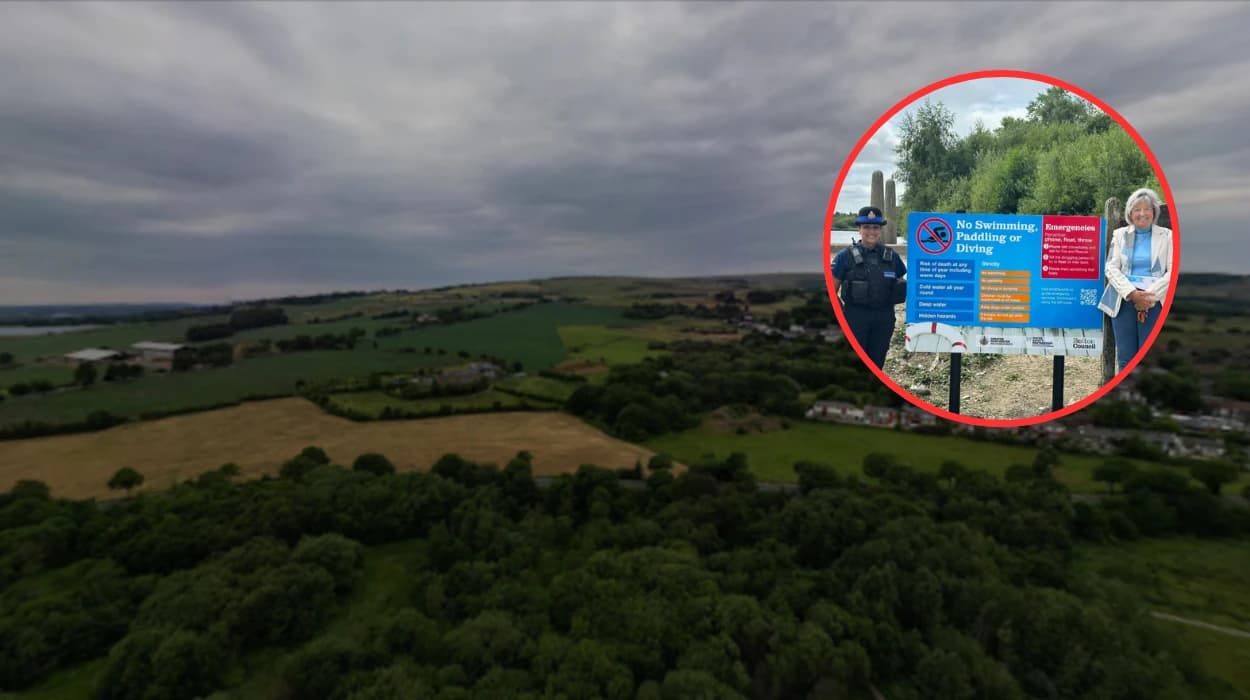
- New Public Safety Signage Installed: Fresh water safety signs have been erected at Doffcocker Lodge and Moses Gate Country Park in Bolton to warn visitors of open water hazards.
- Emergency Services Joint Campaign: The initiative forms a central component of the multi-agency Safe4Summer campaign, uniting Greater Manchester Fire and Rescue Service (GMFRS), Greater Manchester Police (GMP), and local municipal councils.
- Sobering Incident Statistics: GMFRS has already attended more than 80 water-related incidents across Greater Manchester this year, seven of which tragically resulted in fatalities, including a recent death at Clifton Country Park.
- Hidden Underwater Hazards Highlighted: Official warnings focus on the peril of cold water shock, sudden drops in depth, strong underwater currents, hidden obstacles beneath the surface, and slippery or steep banks.
- Core Survival Advice: Authorities urge anyone who falls into difficulty to follow the "float to live" guidance (lying on the back, tilting the head back, and regulating breathing), while bystanders are instructed to follow the "phone, float, throw" protocol.
- Broader Bolton Hotspots Identified: Alongside Doffcocker Lodge and Moses Gate, emergency teams have flagged several local water sites of elevated concern, including Thorns Close in Astley Bridge, Stones Bank Road in Egerton, and Jumbles Country Park.
- School Outreach and Educational Engagement: Police Community Support Officers (PCSOs) are actively delivering targeted educational talks in local schools to educate children and young people on making informed decisions around open water.
Bolton (Bolton Today) July 24, 2026 — Emergency services and civic leaders across Bolton have issued urgent safety warnings and installed high-visibility warning signage at popular nature sites, including Doffcocker Lodge and Moses Gate Country Park, following a sharp rise in water-related emergencies across the region. Launched as a flagship element of the annual, multi-agency Safe4Summer campaign—which brings together Greater Manchester Fire and Rescue Service (GMFRS), Greater Manchester Police, and local borough councils—the preventative measures aim to forestall further seasonal tragedies as rising temperatures entice residents and youths towards local bodies of open water.
Data released by Greater Manchester Fire and Rescue Service reveals that fire crews across the county have been called out to more than 80 water incidents so far this year, with seven incidents culminating in fatal outcomes. Amongst these loss-of-life occurrences was a widely reported tragedy at nearby Clifton Country Park, an event that has underscored the life-threatening risks associated with unmonitored outdoor swimming and recreational dipping.
Why have new warning signs been installed across Bolton parks?
The installation of prominent advisory signs at key beauty spots across Bolton represents a proactive effort by public safety agencies to disrupt dangerous swimming behaviours before the summer heat reaches its peak. Doffcocker Lodge and Moses Gate Country Park attract thousands of visitors, families, and young people every week during warmer spells. However, the seemingly calm and welcoming surfaces of these natural and artificial water bodies often disguise severe subterranean hazards.
As detailed in comprehensive coverage by journalist Joe Regent of The Bolton News, the updated signage serves a dual purpose: explicitly outlining the physical perils present beneath the water level and providing immediate, simple instruction on how to react effectively if a member of the public witnesses an individual struggling in the water. By placing clear instructions at physical entry points and shoreline paths, officials hope to prompt visitors to pause and evaluate the unseen risks before stepping or jumping into open water.
Local ward councillors have warmly welcomed the physical intervention. Speaking directly to reporter Joe Regent of The Bolton News, Councillor Sue Priest voiced major concerns regarding the public’s lack of awareness concerning underwater geography and physiological risk. Councillor Sue Priest stated that
"People don't realise how deep it is and how dangerous it is to get out,"
further adding that many individuals simply
"don't understand the reason around cold water shock."
Echoing those concerns in the same news report by Joe Regent of The Bolton News, Councillor Roger Hayes emphasised that the expenditure on public safety infrastructure is fully justified if it prevents even a single drowning incident. Councillor Roger Hayes noted:
"If it dissuades one person who could get into trouble, it's worth the money,"
explaining that while people naturally view entering the water as an appealing activity during hot weather,
"you don't realise the dangers."
What are the hidden hazards of open water swimming?
While open bodies of water such as lakes, reservoirs, rivers, abandoned quarries, and lodges look inviting on hot sunny afternoons, safety experts stress that water conditions in the United Kingdom remain inherently hazardous throughout the calendar year. One of the primary physiological dangers identified by rescue professionals is cold water shock, an involuntary bodily reaction that occurs when a person is suddenly immersed in water below 15 degrees Celsius.
In an extensive briefing reported by Joe Regent of The Bolton News, Water Safety Development Officer Jim Bridge from Greater Manchester Fire and Rescue Service explained the deceptive nature of open water temperatures during the summer period. As reported by Joe Regent of The Bolton News, Jim Bridge clarified that while members of the public frequently assume warm air temperature guarantees warm water, the reality beneath the surface is vastly different. Jim Bridge stated:
"On a hot day, that water will be warm. It will be warm on the surface, but underneath that surface, it will be freezing cold."
When a body experiences sudden immersion in cold water, the nervous system triggers an automatic gasp reflex, followed by rapid hyperventilating and a sudden spike in heart rate and blood pressure. If an individual inhales water during this initial involuntary gasp, drowning can occur within seconds. Furthermore, cold water rapidly cools the muscles in the arms and legs, leading to thermal swim failure, where even proficient swimmers lose muscle control and capability within minutes.
Beyond the severe physiological reaction of cold water shock, rescue teams warn of numerous physical obstacles hidden below the surface:
- Undetectable Submerged Objects: Abandoned machinery, shopping trolleys, jagged rocks, discarded fishing tackle, heavy tree branches, and rubbish can inflict impact injuries or trap limbs beneath the surface.
- Steep and Slippery Egress Points: Many lodges, reservoirs, and rivers feature steep silt banks, mud shelves, or algae-covered stone walls that become virtually impossible to climb once a swimmer becomes wet, cold, and exhausted.
- Sudden Variations in Depth: Ponds, lodges, and quarry pools frequently drop off without warning, taking unsuspecting paddlers or waders instantly out of their depth.
- Strong Underwater Currents: Flowing rivers, canal locks, and deep reservoirs often harbor powerful undertows and hidden currents capable of pulling even strong swimmers under or away from safety.
Explore More Bolton News
Two-Storey Extension Plans Submitted at Duncombe Road, Great Lever 2026
Latest Bolton Planning Applications Validated Across Borough Bolton 2026
What advice do emergency services give to parents and young people?
With the summer school holiday period officially underway, fire officials, police officers, and youth workers are calling upon parents, guardians, and carers to take an active role in water safety education by holding open, honest conversations with children regarding the real risks of open water recreation.
As reported by Joe Regent of The Bolton News, Water Safety Development Officer Jim Bridge of Greater Manchester Fire and Rescue Service issued a direct plea to families across the region. Jim Bridge stated:
"Now the summer holidays have begun, we are asking all parents and carers to have a direct conversation with their children about staying safe around open water. Rivers, lakes, canals, reservoirs, quarries, and other open water can look inviting in warm weather, but they can be extremely dangerous."
Jim Bridge further highlighted that physical fitness or swimming skill offers no guarantee of safety when unexpected hazards are encountered. As documented by journalist Joe Regent in The Bolton News, Jim Bridge stressed that
"Even strong swimmers can get into difficulty because of cold water shock, hidden objects, strong currents, sudden changes in depth, and steep or slippery banks that make it hard to get out."
In addition to parental discussions at home, local law enforcement units are directly engaging with youth populations across educational institutions. As reported by Joe Regent of The Bolton News, Police Community Support Officers (PCSOs) Paul and Bav have been carrying out routine educational outreach across local schools throughout Bolton. The officers explained that their interactive sessions are designed to equip young people with the facts needed to make informed choices rather than simply issuing prohibitions, helping pupils understand that even calm, pristine-looking water carries severe inherent risks.
What should you do if you or someone else gets into trouble in open water?
Emergency services stress that knowing the correct survival techniques can mean the difference between life and death during a water emergency. The campaign heavily promotes two simple, easy-to-remember protocols designed for both victims in the water and observers on the bank.
How should an individual react if falling into deep water?
For anyone who unexpectedly finds themselves in difficulty or suffering from cold water shock, the official guidance from Greater Manchester Fire and Rescue Service is to "Float to Live".
As reported by Joe Regent of The Bolton News, Water Safety Development Officer Jim Bridge detailed the exact steps a struggling swimmer should take:
- Fight the Instinct to Thrash: Resisting the urge to swim wildly or thrash around conserves energy and prevents water inhalation during the initial gasp reflex.
- Lean Back: Tilt your head back so your ears are submerged and your nose and mouth remain clear of the water.
- Gently Adjust: Extend your arms and legs to maintain stability. If necessary, gently scull your hands or kick your feet lightly to stay afloat.
- Regulate Breathing: Focus entirely on controlling your breathing until the shock passes, which typically takes between 60 and 90 seconds. Once calm, call out for help or navigate slowly towards a safe exit point.
What steps should bystanders take if they spot someone drowning?
Bystanders who spot a person in distress in open water are strongly advised never to enter the water themselves, as secondary drownings frequently occur when untrained rescuers attempt to swim out to victims. Instead, emergency services urge the public to follow the "Phone, Float, Throw" sequence:
- Phone: Immediately call 999 and ask for the Fire and Rescue Service if inland, or the Coastguard if near coastal waters. Provide location details, referencing landmark signs or location tools such as What3Words.
- Float: Direct the person in the water to lie on their back, tilt their head back, and stay calm using the "Float to Live" technique.
- Throw: Search the immediate perimeter for life-saving equipment, such as throw lines or lifebuoys. If official rescue gear is absent, throw any available buoyant object—such as a football, a plastic container, an inflatable toy, or a sealed container—to help the victim stay above water until professional crews arrive.