Key Points
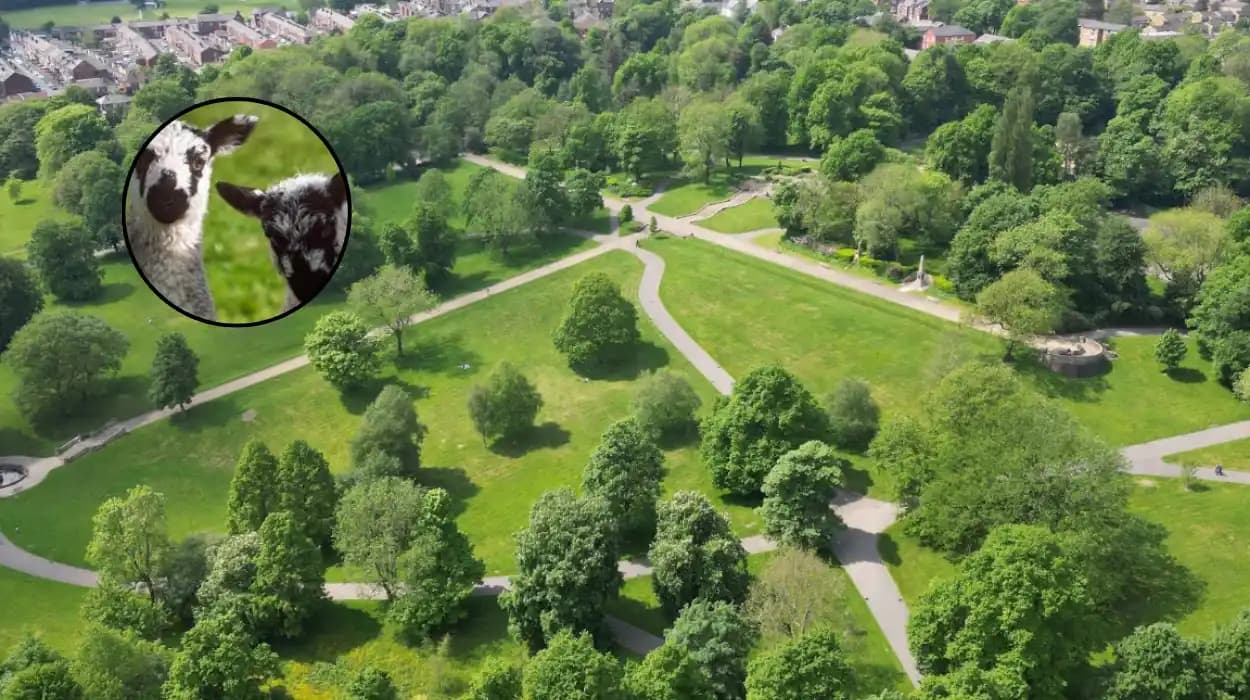
- Adorable newborn lamb twins have been photographed in the Bolton countryside during the ongoing UK lambing season.
- The images capture the twin lambs lying close together, offering a heart‑warming snapshot of rural farm life.
- The photographs are being used to highlight the wider spring lambing period across the UK, in which farmers across the country are shepherding new births.
- The story has been reported by Yahoo News UK and The Bolton News, which carried the same or closely related coverage.
- No specific farm name, owner, or exact field location has been disclosed in the main published accounts, with the focus placed on the general Bolton rural area.
Bolton (Bolton Today) April 17, 2026 – Adorable newborn lamb twins have been photographed cuddling together in the Bolton countryside, offering a heart‑warming glimpse of the busy UK lambing season.
What has been captured in the Bolton countryside?
Yahoo News UK, which syndicates the story, reports that “adorable newborn lamb twins have been captured in the Bolton countryside, offering a heart‑warming glimpse into the busy UK lambing season.” The images show the two tiny lambs lying close to each other as they rest, their bodies touching, which has been described as a “perfect pair” in accompanying captions.
The Bolton News, a local title, carried the same or near‑identical wording, stating that the photographs provide “a heart‑warming glimpse into the busy UK lambing season.” The piece does not give the name of the specific farm or the farmer, instead describing the setting broadly as the Bolton countryside. This suggests the farmer or landowner has chosen to remain anonymous or has not been publicly identified in the published coverage.
How does this fit into the national lambing season?
As reported by Yahoo News UK, the Bolton lamb‑twin images are being used to illustrate the wider spring lambing period that is currently taking place across the UK. Across the country, farmers are monitoring pregnant ewes and assisting with births, often in lambing sheds or sheltered fields, to ensure both mothers and lambs survive the critical first hours.
In related seasonal coverage, farming outlets and social‑media updates have shown other lambing events in recent weeks, including twin births on Sussex farms and Welsh open‑farm lambing days. These accounts stress that early‑season lambs are particularly vulnerable and that close human supervision can be crucial for successful births. The Bolton case, while not detailed with veterinary or management specifics, is presented in the same spirit: as a positive, spring‑time snapshot of rural livestock life.
Why is lambing season important for farmers?
Independent farming reports and media covering the 2026 lambing season note that each lamb born represents both an economic and emotional investment for producers. As described in a separate 2018 Country Living report on a Sussex farm, farmers frequently assist with births, place newborns in front of the ewe’s face so she can lick and bond with them, and then monitor the pair for signs of strength and appetite.
Social‑media posts from UK lambing operations in 2026 show that some farms are already celebrating strong start‑of‑season groups, with one farmer writing that the “early group is thriving” and sharing photos of healthy lambs. Another account notes that the 2026 lambing season has concluded for that particular farm, with the last lamb born in mild weather conditions. These updates underpin the broader context in which the Bolton twin images are framed: a period of intense work that is also a source of visible joy.
How are media outlets presenting the Bolton lamb photos?
The Bolton‑twin lamb story has been picked up by Yahoo News UK and echoed by local‑title coverage, according to the sources available. Although the precise original photographer has not been named in the widely circulated text, the articles emphasise the animals’ cuteness and the narrative of the busy lambing season, rather than focusing on individual biographies or technical details.
The wording in Yahoo News UK and The Bolton News is closely aligned, suggesting that the content may have originated with a syndicated or shared news‑agency cutline that was then republished. This kind of cooperative distribution is common for human‑interest or seasonal features, allowing multiple outlets to share a single visual package under agreed‑rights terms. Neither outlet, in the material available, attributes the photos to a specific freelance photographer or farm source, instead treating them as part of a broader rural‑story package.
Public and social‑media reaction
While the Bolton‑twin lamb piece itself gives only the basic description, the wider lambing‑season coverage on platforms such as Facebook, Instagram, and TikTok shows that similar images tend to attract a large and positive audience response. Short‑form videos of twin lambs taking their first steps or snuggling together have been captioned with celebratory phrases such as “the first lambs of the year have been born – a pair of healthy twins,” indicating that such moments are valued as both farm milestones and public‑relations content.
In the Bolton‑specific case reported by Yahoo News UK and The Bolton News, no explicit reaction metrics (such as comment counts or like numbers) are included in the accessible text, so the scale of audience engagement cannot be quantified here. However, the choice by both national and local outlets to run the image suggests editors expect a strong emotional response from readers, consistent with the broader pattern of social‑media interest in lambing‑season visuals.
Background of the particular development
The photographs of the newborn lamb twins in the Bolton countryside are part of a wider seasonal cycle known as the UK lambing season, which typically runs from late winter through early spring and can extend into early summer depending on the flock and region. During this period, sheep farmers move ewes into lambing sheds or sheltered fields, where staff and sometimes volunteers monitor them for signs of labour and possible complications.
Lambing‑season coverage in UK media often blends practical agricultural reporting with feel‑good imagery, such as close‑up shots of newborn lambs or videos of first steps. These stories serve both to inform the public about rural life and to support farm tourism initiatives, including open‑farm days and “lambing‑viewing” events where visitors can observe the process under controlled conditions. The Bolton twin‑lamb images, then, sit within this established tradition of using spring‑time livestock births as a hook for human‑interest coverage.
Industry‑level commentary in 2026 indicates that lambing remains a financially sensitive period: each surviving lamb contributes to a farmer’s income, while stillbirths, early deaths, or poor health can quickly erode margins. At the same time, online platforms show that many farmers and keepers now share their lambing‑season progress directly with followers, using photos and videos to build a narrative of resilience and continuity in rural communities. The Bolton case, though lightly detailed in the published text, can therefore be read as one small but visible thread within these larger seasonal and economic patterns.
Prediction: how this development can affect the particular audience
For local Bolton residents and UK‑based readers, the image of the cuddling lamb twins is likely to function primarily as a seasonal mood‑lifter, reinforcing a sense of rural continuity and the arrival of spring. Because the story is framed in gentle, non‑controversial language and focuses on the visual appeal of the animals, it is unlikely to spark policy debate or activist campaigns, but it may encourage more interest in visiting nearby farms or countryside walks during the lambing months.
For farmers and agricultural professionals, the widespread syndication of such images may serve as a low‑cost promotion of rural life, even if this specific Bolton case does not name a particular business. When media outlets repeatedly pair lamb‑twin photos with mentions of the “busy UK lambing season,” they help maintain public awareness of the time and labour involved in livestock farming, which can indirectly support calls for better veterinary access, rural infrastructure, and support for smallholders.
For national and international audiences scrolling through news feeds or social‑media aggregates, the Bolton‑twin lamb visuals are likely to be treated as a brief, feel‑good diversion rather than a deep engagement with farming issues. Yet the repeated exposure to lambing‑season coverage may, over time, subtly shape perceptions of UK agriculture as both economically important and emotionally resonant, especially when such images are paired with factual reporting on farm‑labour demands and animal‑welfare standards.