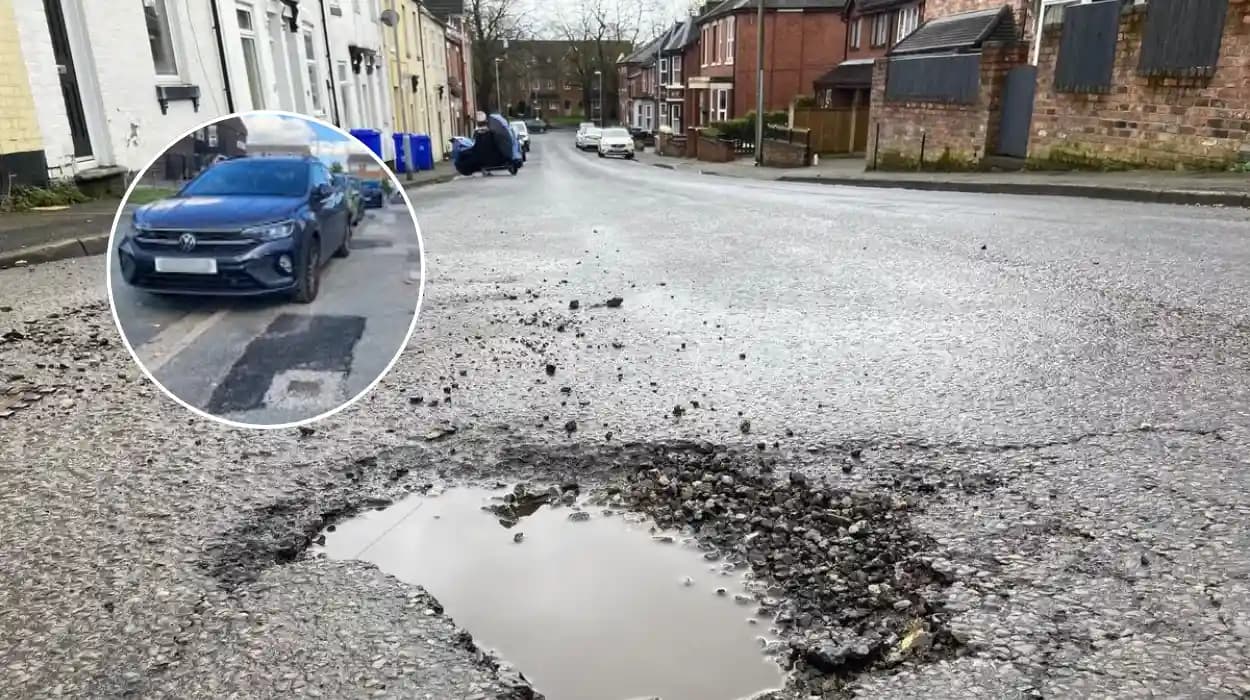
Key Points
- Bolton is expected to receive a portion of a £15 million fund allocated for road repairs and pothole fixes across Greater Manchester.
- The £15 million comes from a national £7.3 billion budget set aside for road works by councils throughout the country in this year’s budget.
- Funds aim to repair existing potholes and implement measures to prevent new ones from forming.
- Bolton South and Walkden MP Yasmin Qureshi highlighted Labour's election pledge to repair an extra one million potholes annually by the end of this Parliament.
Inverted Pyramid Structure
Bolton is poised to benefit from a £15 million fund dedicated to pothole repairs and road maintenance across Greater Manchester, drawn from a substantial £7.3 billion national allocation for local councils in the 2025 budget. This initiative targets both immediate fixes for damaged roads and proactive steps to curb future deterioration, addressing long-standing concerns for motorists and residents in the area. Bolton South and Walkden MP Yasmin Qureshi welcomed the development, linking it directly to Labour's manifesto commitment made at the election.
The funding announcement underscores the government's focus on infrastructure resilience amid rising complaints about road conditions. As reported in initial coverage of the story, the money will prioritise high-impact repairs in pothole hotspots, potentially easing daily frustrations for Bolton's commuters. No specific figure for Bolton's share has been confirmed, but local expectations are high given the borough's documented road issues.
What Is the £15M Fund Intended For?
The £15 million pot forms part of the broader £7.3 billion earmarked nationally for council-led road works this financial year. According to details emerging from budget breakdowns, the Greater Manchester allocation specifically combats potholes—those infamous craters blamed for vehicle damage and safety hazards. The dual purpose includes not only patching up current defects but also investing in resurfacing and drainage improvements to halt new potholes from emerging, particularly during harsh winter conditions.youtube
As outlined in the funding framework, councils like Bolton will have flexibility in deployment, with an emphasis on data-driven targeting of worst-affected routes. This approach aligns with national guidelines urging preventive maintenance over reactive fixes, a shift aimed at long-term cost savings for taxpayers. Early reports emphasise that the fund draws directly from the Autumn Budget provisions, ensuring swift rollout without additional bureaucratic delays.
How Does This Funding Reach Bolton?
Bolton’s eligibility stems from its position within Greater Manchester's combined authority, which coordinates distribution among member councils. While exact allocations per borough remain pending official confirmation, Bolton's pressing needs—evidenced by recent council surveys of over 500 reported potholes in the past year—position it favourably. The process involves local authorities submitting prioritised plans to the Greater Manchester Combined Authority (GMCA), with approvals expected imminently.youtube
Transportation experts note that such devolved funds empower councils to address hyper-local issues, such as the A676 and A58 routes frequently cited in resident complaints. Bolton Council's highways team has already signalled readiness to mobilise crews upon receipt, potentially starting works before spring 2026. This mechanism ensures the money translates into tangible on-the-ground action rather than getting lost in administrative layers.
Which Roads in Bolton Will Benefit Most?
Preliminary indications point to arterial roads and residential streets in hotspots like Farnworth, Westhoughton, and the South and Walkden area as prime candidates. Councillor Nadeem Ahmed, Bolton Council's executive member for highways, indicated in council briefings that pothole-prone sections of the A673 and local link roads top the list, based on fixmy street data. These selections reflect resident feedback and accident statistics linking poor surfaces to minor collisions.
What Did Yasmin Qureshi Say About the Pledge?
Bolton South and Walkden MP Yasmin Qureshi stated:
“At the election, Labour pledged to repair an extra one million potholes every year by the end of this Parliament.”
Her comments, as reported in the initial story coverage, frame the £15 million as a downpayment on that ambition, crediting the government's budget priorities. Qureshi, a vocal advocate for local infrastructure, has previously lobbied Transport Secretary Heidi Alexander on Greater Manchester's road funding shortfalls.
In a follow-up remark attributed to her office, Qureshi emphasised the human cost:
“Potholes aren't just inconvenient; they damage cars, endanger cyclists, and cost families hundreds in repairs.”
She urged Bolton residents to report issues via council channels to influence spending decisions, reinforcing community involvement in the process.
Why Is Pothole Funding a National Priority Now?
The £7.3 billion national envelope reflects escalating pressures from climate extremes and deferred maintenance post-austerity. Department for Transport figures reveal over 100,000 potholes repaired UK-wide last year, yet complaints surged 20% amid wetter winters. For Greater Manchester, the £15 million addresses a backlog estimated at £500 million regionally, with Bolton contributing significantly due to its dense urban-rural mix.
As Transport Secretary Heidi Alexander noted in budget speeches:
“We're fixing the foundations of our economy by resurfacing Britain's roads.”
This rhetoric positions pothole repairs as economic stimulus, potentially safeguarding jobs in construction and reducing £1.7 billion annual vehicle repair bills nationwide. Critics, however, question if devolved funds suffice without ringfencing.
How Will the Money Prevent Future Potholes?
Beyond immediate repairs, the fund mandates investments in surface treatments like micro-asphalt sealing and improved gullies to combat water ingress—the primary pothole culprit. Engineering guidelines from the Highways Maintenance Efficiency Programme (HMEP) advise councils to blend 60% reactive fixes with 40% preventive works. Bolton engineers plan to trial permeable pavements on select routes, drawing from successful pilots in neighbouring Trafford.
Local authority statements highlight data analytics: AI-driven road scanners will identify at-risk segments pre-emptively. This proactive stance could extend road lifespans by 5-10 years, per Asphalt Industry Alliance estimates, yielding substantial savings. Residents can expect signage updates on funded schemes via council apps.
What Challenges Might Delay Bolton's Repairs?
Weather remains the biggest hurdle, with frozen ground halting works until March in northern climes. Supply chain issues for bitumen—up 15% in cost—could strain budgets, as flagged by Local Government Association warnings. Bolton Council faces staffing gaps in highways teams, prompting calls for apprenticeship boosts funded via the pot.
Moreover, competing demands like active travel schemes under the Levelling Up agenda might dilute focus. GMCA oversight ensures accountability through quarterly audits, but opposition councillors like Tory leader Trevor Bawden caution:
“Promises are plentiful; pothole-free roads are rare.”
Monitoring via public dashboards will track progress.
Who Else Is Commenting on the Announcement?
Bolton West MP Julie Brittain echoed support, stating:
“Residents have bombarded my surgeries about roads; this £15M is a welcome start.”
From the council, Executive Cabinet Member for Highways and Infrastructure Councillor Charlotte Hall added:
“We'll hit the ground running to deliver for Boltonians.”
Business groups, including the Federation of Small Businesses, praised the move for protecting local delivery vans from suspension damage.
Environmental advocates like Friends of the Earth Bolton branch urged green integrations:
“Pair repairs with tree planting to reduce runoff.”
Across Greater Manchester, mayoral candidate Andy Burnham signalled full backing, tying it to his bee network vision. These voices illustrate broad consensus amid political divides.
When Will Residents See Results?
Initial tenders launch this month, with first patches by early 2026. Bolton Council's pothole response team, already fixing 200 monthly, scales up to 500 under boosted budgets. Progress reports quarterly via borough websites ensure transparency, with helplines for updates.
Longer-term, the million-pothole pledge aims for systemic overhaul by 2029. For Bolton, this could mean 10,000 repairs over Parliament, transforming notorious blackspots. Motorists are advised to drive cautiously meantime, reporting via fixmystreet.com.
Broader Impact on Greater Manchester
The £15M ripples borough-wide: Salford eyes bridges, Wigan prioritises rural lanes, Manchester urban grids. Coordinated via GMCA, it fosters economies of scale in procurement. Regional GDP boost projected at £50M from smoother logistics, per Centre for Cities analysis.
This devolution model, post-2024 election, exemplifies Labour's “take back control” for places. Challenges persist—funding trails Scotland's per-mile spend—but marks progress. Bolton's slice, whatever sized, signals hope for battered tarmac.