Key points
- More than 114 memorial plaques were stolen from the gardens at Overdale Crematorium in Bolton, Greater Manchester, between 6pm on Friday, April 10, and 7am on Monday, April 13, 2026.
- The plaques, made of gunmetal and affixed to stones along pathways, commemorate people whose remains were cremated at the site and are used by families for quiet remembrance.
- Bolton Council staff discovered the theft on Monday morning and described the act as “disgusting” and “repugnant”, saying families are left heartbroken and devastated.
- Greater Manchester Police have launched an investigation and are treating the theft as a priority, with the council working alongside officers to identify suspects.
- The plaques have little commercial value compared with other metals such as brass, but authorities suspect they may have been targeted for scrap metal resale, despite tighter rules on scrap‑metal sales.
- This incident follows a July 2024 overnight theft of more than 800 plaques from the same crematorium gardens; in total, over 900 plaques have now been taken over the last two years.
- The council has asked bereaved families who suspect their loved one’s plaque has been stolen to contact the crematorium, saying it will help discuss replacement options.
Bolton (Bolton Daily) April 16, 2026 - Bolton Council is appealing for information after more than 114 memorial plaques were stolen from the gardens at Overdale Crematorium in Bolton, Greater Manchester, prompting police to hunt for the “disgusting” thieves behind the raid. Council staff discovered the theft when they arrived at the site on Monday morning, April 13, and found that around 114 metal plaques honouring people whose remains were cremated at the site had vanished from their stone fittings along the pathways.
What happened at the crematorium?
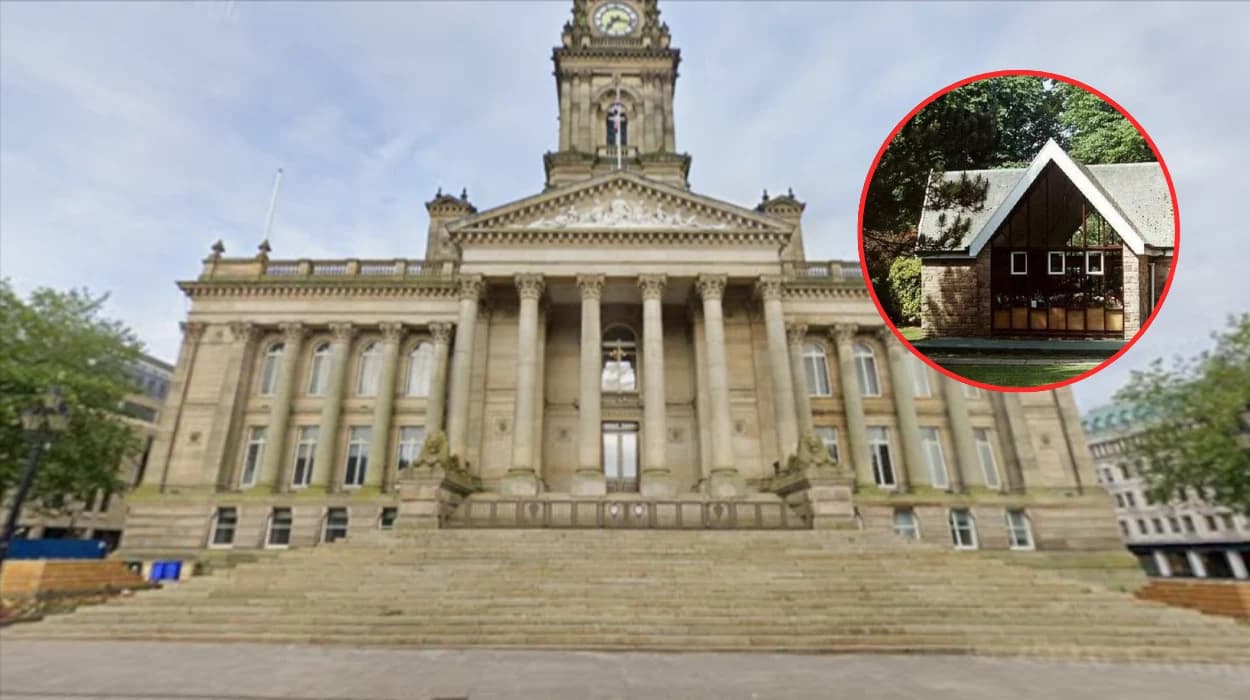
Overdale Crematorium, which sits adjacent to Heaton Cemetery and is owned and operated by Bolton Council, is used by local families for funerals and as a place of quiet reflection. The memorial plaques are fixed horizontally across stone plinths, each bearing the name of a deceased person and sometimes a short message, and are positioned along the garden paths where visitors regularly return to pay their respects.
According to a council spokesperson cited by the BBC and other outlets, the plaques were present when staff carried out checks on Friday evening and were first noted missing on Monday morning, narrowing the window to sometime between 6pm on Friday, April 10, and 7am on Monday, April 13.
“This is a repugnant act, and it’s hard to fathom how anyone could stoop so low as to take plaques that honour loved ones from a memorial site,”
The spokesperson said, as reported by the Manchester Evening News and the BBC.
How are the metal plaques constructed and valued?
The stolen plaques are made of gunmetal, a type of copper alloy, which has a lower market value than brass or other more valuable metals commonly targeted by scrap‑metal thieves. As reported by the Local Democracy Reporting Service and picked up by the BBC, officials believe the plaques may have been taken with the intention of selling them to scrap dealers, even though the metal itself is not highly lucrative.
UK‑wide changes to scrap‑metal regulations have tightened the process for selling such material, requiring sellers to present photo identification and a bank account, and banning cash‑only transactions. A council source told the BBC that these rules make it harder for would‑be thieves to off‑load the plaques easily, although the authorities still consider the scrap‑metal angle a plausible motive.
Who has responded, and what are they saying?
Bolton Council has issued a formal statement through its press office and social‑media channels, condemning the theft and confirming that it reported the incident to Greater Manchester Police.
“Families who have visited these plaques regularly for decades will be heartbroken to see them missing,”
a council spokesperson said, as reported by the BBC and the Express.
Police have not yet identified any suspects but have opened a criminal investigation, with officers examining the site, nearby CCTV, and any potential leads from scrap‑metal yards. A force spokesperson, quoted by the BBC, said officers were treating the theft as a serious offence and urged anyone with information to come forward.
Local residents and bereaved families have also spoken out through social media and local news platforms. As reported by the Manchester Evening News and community‑focused outlets, several people described the theft as “appalling” and said it felt like an additional violation of their grief.
How does this relate to previous thefts?
The latest theft is not the first time plaques have been taken from Overdale’s gardens. In July 2024, more than 800 memorial plaques were stolen overnight in a previous raid on the same site, then operated under the same council‑run management. Combined with the 114 plaques reported missing in April 2026, locals and council figures have noted that well over 900 plaques have now been removed from the crematorium gardens over the past two years.
Bolton councillors have previously expressed fury at earlier thefts, with environmental‑portfolio councillors describing such acts as “cruel beyond belief” and calling for tougher enforcement and better security measures. In the current case, the council has reiterated that it is working with police and the crematorium management to review security and prevent further incidents.
What help is being offered to affected families?
The council has urged families who believe their loved one’s plaque has been stolen to contact the crematorium so staff can log the loss and discuss possible replacement options. Because the plaques are custom‑made and often carry sentimental inscriptions, the council notes that any replacement would need to be arranged on a case‑by‑case basis, and costs may fall to the bereaved families unless specific funding or compensation schemes are introduced.
Community‑based groups and local charities have also begun to flag the issue, with some urging residents to take photographs of existing plaques or to record plaque reference numbers where available, as reported by local Facebook‑based news pages.
Background of the development
The repeated theft of memorial plaques from Overdale Crematorium reflects a broader pattern seen in parts of the UK where bereaved families have watched as commemorative metalwork vanishes from cemeteries and crematorium gardens. In several cases, metal plaques or even entire headstones have been taken for their scrap‑metal content, despite often being made from relatively low‑value alloys such as gunmetal or cast iron.
Stronger regulations on scrap‑metal dealing, introduced in England and Wales in recent years, require licensed dealers to keep detailed records of sellers and ban cash‑only transactions, aiming to deter metal theft and aid police investigations. However, enforcement gaps and ease of access to some sites mean that cemetery and crematorium thefts still occur, particularly in quiet or poorly monitored areas.
Overdale’s repeated losses have prompted local councillors and officers to raise questions about site security, including lighting, fencing, and surveillance coverage, at a location designed as a place of peace rather than a high‑security facility.
Prediction: How this development could affect key audiences
For bereaved families who visit Overdale, the theft of plaques may intensify feelings of loss and erode trust in the permanence of physical memorials. If no clear progress is reported in recovering plaques or catching suspects, some may avoid visiting the site altogether or demand greater transparency from the council and police about how the site is being protected.
For local residents and community groups, the repeated incidents could heighten concerns about wider crime and antisocial behaviour in the surrounding area, especially if other metal‑related thefts from public spaces are reported. This may push local authorities to invest more in visible security measures at cemeteries and crematoria, or to launch public‑awareness campaigns about illegal scrap‑metal trading.
For policymakers and local councils, the Overdale case may become a reference point in discussions about tightening cemetery security, revising scrap‑metal‑sale rules, or exploring alternative, less‑valuable materials for memorial plaques. Some councils elsewhere in the UK have already begun experimenting with lighter, non‑metallic plaques or QR‑code‑linked digital memorials to reduce the risk of theft, a trend that could be accelerated if high‑profile cases like Overdale continue.