Key Points
- Licensing Application Lodged: Morgan’s Coffee Bar, a popular local venue located in the Horwich and Blackrod area, has submitted an official application for a new premises licence.
- Alcohol and Live Music Proposals: The proprietors have requested legal permission to serve alcohol on the premises and to host live music events on specifically designated special days.
- Family-Owned Venture: The business is owned and operated by local entrepreneurs Jay Morgan and Sam Morgan, who have spearheaded the brand’s presence in the community.
- Regulatory Supervision: The formal application has been lodged with Bolton Council's licensing department, which will oversee the public consultation and statutory determination process.
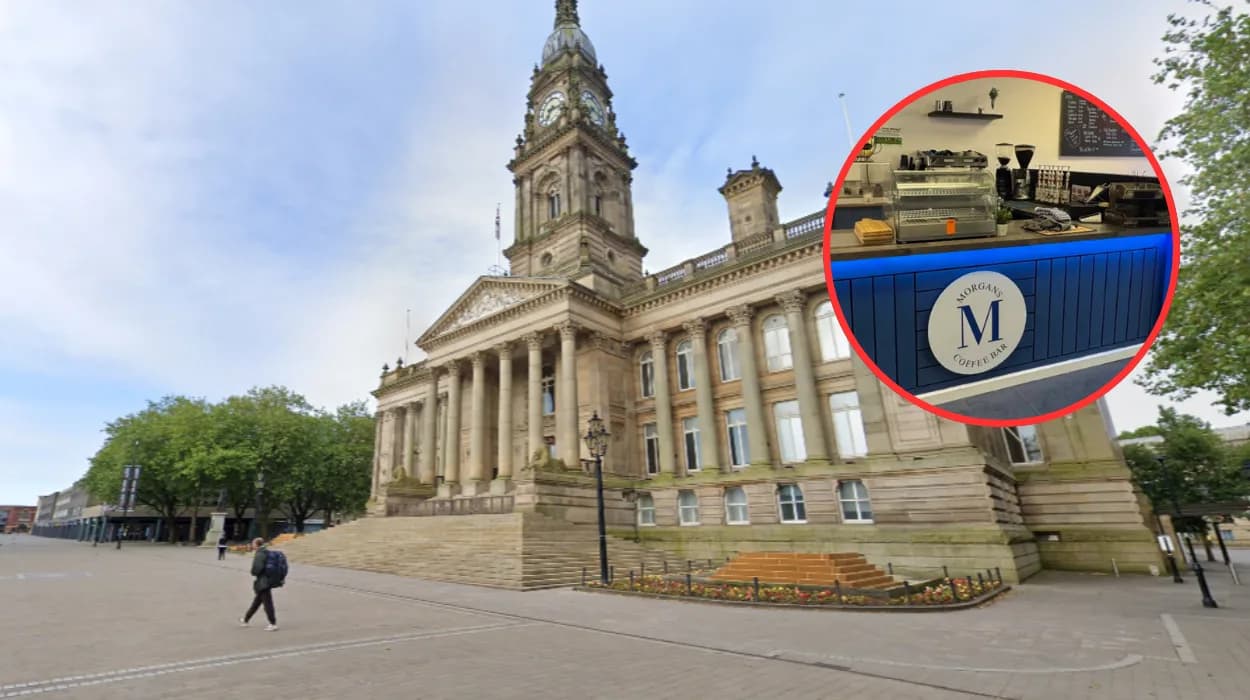
Horwich (Bolton Today) June 3, 2026 - A popular local hospitality venue has launched an official bid to transform its current operational model by introducing a variety of licensed activities to its commercial offerings. Morgan’s Coffee Bar, situated in the bustling locale of Blackrod, near Horwich, has formally submitted an application to local government authorities for a comprehensive premises licence. The regulatory request seeks legal permission to introduce the retail sale of alcohol and the staging of regulated entertainment, signaling an ambitious expansion strategy by the venue's independent proprietors.
As detailed in the public notices processed by the local authority, the regulatory filing introduces a significant shift for the establishment, which has established itself within the regional daytime economy. The application outlines provisions for the on-site consumption of alcohol alongside the capacity to curate and host live entertainment events. If approved by the municipal regulatory body, the venue will transition from a traditional coffee-oriented cafe model into a flexible, multi-functional evening and weekend destination.
What Are the Key Proposals in the Morgan’s Coffee Bar Licensing Application?
The application submitted to the local government authority covers several distinct categories of regulated commercial operations. According to administrative filings tracked by regional reporters, the core of the request centers around obtaining a premises licence under the Licensing Act 2003. This would legally permit the management to retail alcohol to patrons within designated internal and potentially external boundary lines.
Furthermore, the statutory filing includes specific provisions regarding the hosting of live music and related entertainment broadcasts. As reported by Dan Dougherty, a veteran local government reporter for The Bolton News, the owners of the establishment, Jay Morgan and Sam Morgan, have specifically tailored their operational requests to cover "special days" rather than standard, unrestricted late-night weekend operations. This operational framework is designed to give the establishment the legal flexibility to host occasional evening events, community gatherings, and acoustical performances without transitioning fully into a conventional public house or late-night nightclub asset.
The administrative documentation emphasizes that the inclusion of live music is intended to enhance the cultural fabric of the immediate neighborhood, offering an intimate setting for local acoustic artists, poetry readings, or small-scale community showcases. The exact operational schedules, including the precise layout plans and hours during which alcohol sales will be permitted, remain subject to scrutiny by statutory consultees, including Greater Manchester Police and local environmental health officers.
Who Are the Business Owners Behind the Blackrod Expansion Scheme?
At the helm of the business expansion are local independent entrepreneurs Jay Morgan and Sam Morgan. The entrepreneurial duo has been responsible for cultivating the brand's identity within the competitive northern Bolton hospitality market. Originally established to serve high-quality artisanal beverages, light refreshments, and daytime meals, the proprietors have increasingly looked toward diversification to navigate the contemporary economic pressures facing independent high street businesses.
Images supplied to regional media outlets show Jay and Sam Morgan on-site at Morgan’s Coffee Bar, confirming their direct involvement in the day-to-day management and strategic long-term planning of the site. Local business advocates note that independent venues across the United Kingdom are increasingly pursuing dual-concept models—operating as coffee shops by day and intimate bars or event spaces by night—to maximize square footage utility and stabilize revenue streams amidst rising supply chain costs.
By adding an alcohol and entertainment component to their portfolio, the Morgans aim to capture a slice of the early evening and weekend leisure market. The move comes at a time when residents in secondary towns and villages like Blackrod and Horwich are increasingly looking for localized entertainment options, preferring to stay within walking distance of their homes rather than commuting into major urban centers like central Bolton or Manchester for evening leisure.
How Does the Licensing Process Work with Bolton Council?
The progression of the application submitted by Morgan’s Coffee Bar depends entirely on a strict statutory process managed by Bolton Council’s licensing team. Under the prevailing legislative framework, any commercial entity seeking to introduce alcohol sales or regulated live entertainment must submit a comprehensive operating schedule detailing how they intend to promote the four fundamental licensing objectives.
Explore More Horwich News
Horwich's Bowling Green Named Pub of the Week for Live Acts (2026)
Lost Bolton Pub The Squirrel: Favourite Coach Trip Stop Remembered
What Are the Four Licensing Objectives?
- The Prevention of Crime and Disorder: Measures must be outlined to ensure the premises do not become a focal point for anti-social behavior or illegal activities.
- Public Safety: The infrastructure must meet stringent fire safety, capacity management, and building control standards.
- The Prevention of Public Nuisance: This requires adequate soundproofing, waste management, and control over patrons leaving the venue to prevent sleep disruption in surrounding residential properties.
- The Protection of Children from Harm: Establishments must implement strict age-verification procedures, such as Challenge 25, to prevent underage alcohol consumption.
Following the formal receipt of the Morgan family’s application, a mandatory public consultation period is initiated. During this window, a public notice must be prominently displayed on the exterior of the building and published within regional newspapers of record, such as The Bolton News. This notice grants local residents, neighboring commercial operators, and statutory bodies the legal right to submit formal representations either in support of or in opposition to the business expansion.
If no adverse representations are received from any parties during the allocated statutory consultation window, the licence is typically granted automatically under delegated powers by municipal officers. However, should a local resident object on valid grounds, or if environmental health specialists express concerns regarding sound amplification levels, the application will be referred to a formal hearing of the Bolton Council Licensing Sub-Committee. During such a hearing, councillors weigh the evidence presented by both the business owners and the objectors before rendering a final determination.
What Impact Could the Events Licence Have on the Horwich and Blackrod Community?
The potential transformation of Morgan’s Coffee Bar into a licensed event venue has prompted widespread conversation among nearby residents and the broader commercial sector in Horwich and Blackrod. For many, the expansion represents a welcome boost to the local evening economy, which has undergone significant changes in recent years due to changing consumer habits.
Supporters of such licensing adaptations argue that independent coffee shops are uniquely positioned to offer low-risk, highly controlled environments for moderate alcohol consumption. Unlike traditional vertical-drinking establishments, coffee bars tend to attract a mature, community-focused demographic, minimizing the risk of rowdy behavior or neighborhood disruption. The inclusion of live music is also viewed positively by local cultural advocates, who point to a historical shortage of intimate performance spaces for grassroots musicians within the outer boroughs of Bolton.
Conversely, licensing applications in predominantly residential or mixed-use areas frequently face scrutiny from adjacent property owners. The primary anxieties typically revolve around potential noise breakout from live musical equipment, increased vehicular traffic, and the potential for ambient street noise as patrons exit the premises late at night. The commitment by Jay and Sam Morgan to restrict live music events to "special days" rather than standard weekly occurrences is seen by industry analysts as a proactive measure designed to mitigate these specific neighborhood concerns from the outset.
The outcome of the application will ultimately serve as an indicator of Bolton Council’s current regulatory stance on supporting independent high street diversification vs. safeguarding residential amenity. As high streets continue to evolve away from traditional retail models, multi-functional spaces like Morgan’s Coffee Bar are increasingly becoming the norm rather than the exception.
How Can Members of the Public Review or Contest the Application?
Members of the local community who wish to inspect the full details of the licensing application can do so by contacting the Licensing Unit at Bolton Council during standard administrative operational hours. The full operating schedule, including proposed hours of operation and specific conditions volunteered by the applicants, is maintained within the council’s public register.
All formal representations regarding the application must be submitted in writing to the local authority within the strict deadlines specified on the official public notice. Under legislative guidelines, representations must explicitly relate to one or more of the four core licensing objectives; generalized objections based on moral grounds or commercial competition are legally discounted during the review process.