Key Points
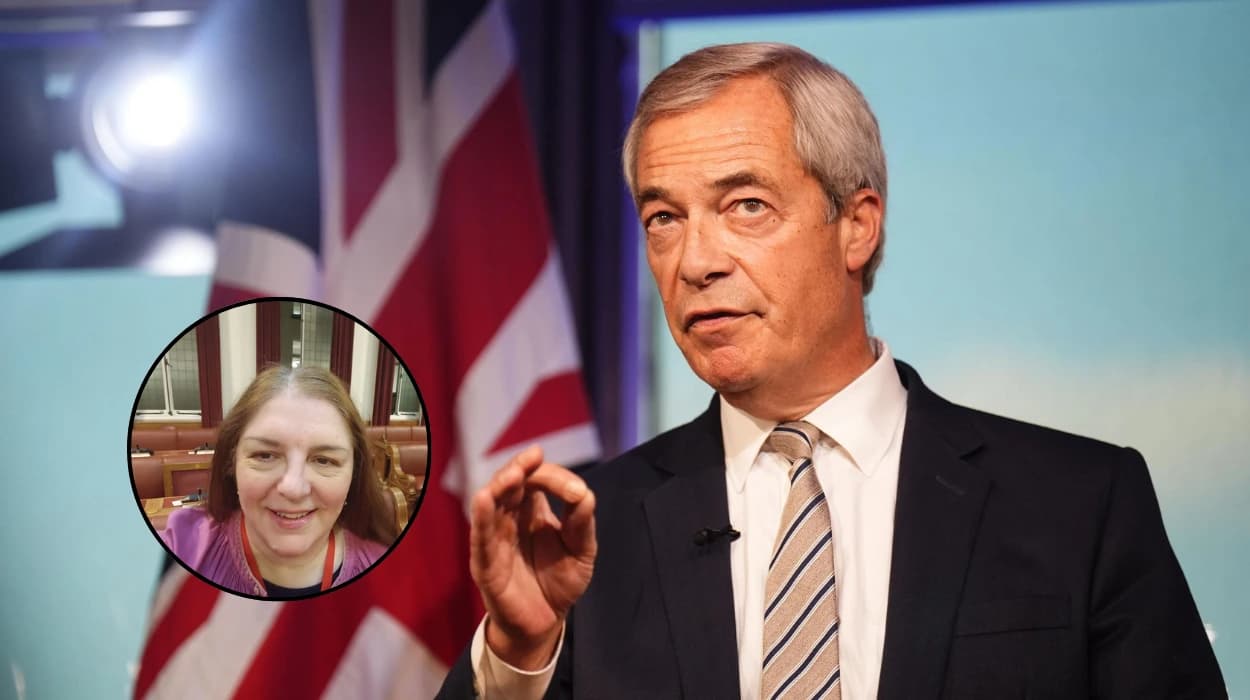
- Bolton councillor Susan (Sue) Haworth has become the town’s first Reform UK councillor after formally joining the party.
- Haworth, who represents Farnworth North, previously served as a Labour cabinet member on Bolton Council.
- She left the Labour group in early August and has since been serving as an Independent councillor.
- Reform UK has publicly welcomed Haworth and described her move as a boost for its local presence in Greater Manchester.
- Haworth has lived in Bolton since 2000 and has around 12 years’ experience as an elected councillor.
- Before entering local politics, Haworth worked in public sector management and healthcare roles.
- Her defection reduces Labour’s representation on Bolton Council and introduces Reform UK to the authority for the first time.
A long‑serving Bolton councillor has become the town’s first Reform UK representative after leaving Labour earlier this year, altering the political make‑up of Bolton Council and giving the anti‑establishment party a foothold in the chamber.
Why has Sue Haworth joined Reform UK?
Susan Haworth, widely known as Sue Haworth, represents the Farnworth North ward and has confirmed that she is now sitting as a Reform UK councillor on Bolton Council. She had previously announced in early August that she was quitting the Labour group and at that time made clear her intention to align with Reform, serving as an Independent in the interim while she completed the formalities of her move.
Reform UK has said publicly that it has “welcomed” Haworth into the party and stressed that her decision reflects a wider appeal of its platform among disillusioned members of the main parties. For Haworth, the switch marks the culmination of a period of distance from Labour that followed internal disagreements and a broader national debate over Labour’s direction.
Who is Susan Haworth and what is her background?
Sue Haworth has lived in Bolton since around 2000 and has become a familiar figure in local politics over more than a decade. She has been an elected councillor for approximately 12 years, during which time she served in cabinet roles when Labour controlled the authority, giving her experience of frontline decision‑making at town hall level.
Before entering politics, Haworth worked in public sector management and healthcare, bringing that professional experience into debates over local services, social care and community health provision. Supporters have often highlighted that background as evidence of her understanding of pressures on local services, while critics have questioned whether her latest move reflects a shift in policy priorities or a protest against Labour’s internal culture.
How did the split from Labour unfold?
In early August, Haworth resigned from the Labour group on Bolton Council, confirming that she would no longer serve under the party’s banner. At that point she publicly signalled her intention to join Reform UK, but continued to sit as an Independent councillor while processes relating to her membership and group registration were completed.
Her departure followed a period of rising national support for Reform UK in opinion polls and growing unease among some Labour members over the party’s national stance on key policy areas. Locally, the move has been interpreted by some observers as a sign of wider volatility in party loyalties, although Labour remains the dominant force on the council in terms of seat numbers.
What does Haworth’s move mean for Bolton Council?
Haworth’s decision to join Reform UK means that, for the first time, the party is represented on Bolton Council, adding a new voice to debates over local budgets, planning, and services. Her switch slightly reduces Labour’s overall footprint in the chamber and introduces a councillor aligned with a party that has campaigned strongly on issues such as immigration, council tax and political accountability.
While one councillor does not immediately change control of the authority, it can influence scrutiny committees, alliances on particular votes and the prominence given to Reform UK’s policy positions in local media coverage. The development also gives Reform UK a platform to contest future local elections in Bolton with a sitting councillor as a figurehead, something parties often see as a strategic advantage.
How is Reform UK positioning this defection?
Reform UK has framed Haworth’s decision as evidence that its message is resonating beyond the national stage and into local government, especially in traditional Labour areas. Party spokespeople have argued that councillors like Haworth bring experience of running services and dealing with constituents’ concerns, which they say will help translate national themes into local campaigns.
The party will likely use Haworth’s profile and long local presence in Farnworth North to build name recognition and galvanise supporters ahead of upcoming local and national contests. At the same time, Reform will be under pressure to show tangible results for residents, as voters weigh whether the new affiliation leads to any change in how issues such as housing, streets, public safety and economic development are handled.
How might Labour and other parties respond?
Labour’s local leadership will need to manage the optics of losing a former cabinet member to a rival party that positions itself as an insurgent force. Public comments from Labour figures in similar cases tend to emphasise that the party remains committed to its programme and suggest that individuals who leave are out of step with members and voters, rather than the other way round.
Other parties represented on Bolton Council, such as the Conservatives and Liberal Democrats where applicable, may watch closely to see whether Haworth’s move shifts voting patterns on contentious issues or simply adds another voice to a fragmented opposition landscape. For voters, the key test will be whether day‑to‑day representation in Farnworth North changes in tone or priorities now that their councillor sits under the Reform UK banner.