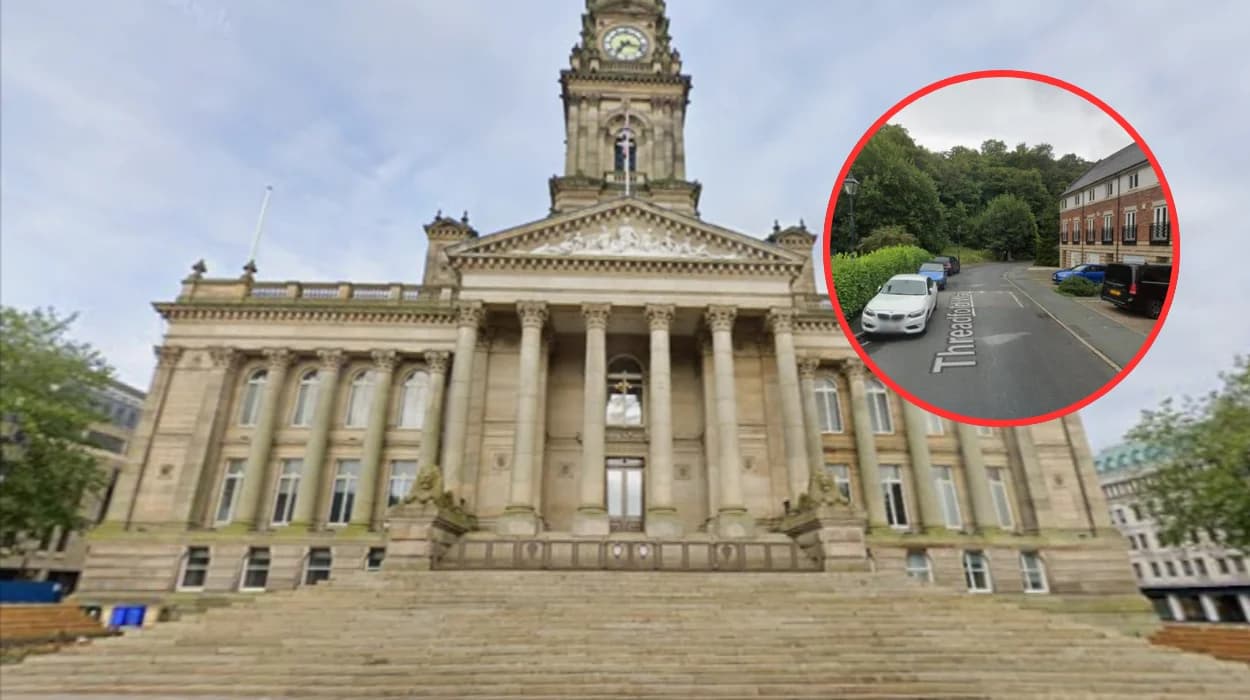
Key Points
- Bolton Council chiefs have rejected a petition requesting double yellow lines on Threadfold Way estate to address parked cars blocking the footpath.
- The petition highlighted safety concerns from vehicles obstructing pedestrian access and visibility.
- Council officers assessed the situation and determined that existing parking restrictions suffice, with no need for additional double yellow lines.
- Residents expressed frustration over ongoing parking issues, describing the estate as a "car park" for non-residents.
- The decision was debated at a council committee meeting, focusing on traffic management and resident complaints.
- Broader context includes national discussions on pavement parking, with government plans for stricter fines.
- Council policy states double yellow lines will not resolve neighbour disputes, treating them as civil matters.
Bolton (Bolton Today) April 24, 2026 - Council chiefs in Bolton have struck down a petition urging the installation of double yellow lines on Threadfold Way estate, where parked cars have been repeatedly blocking the footpath and posing safety risks to pedestrians. The decision came after a detailed assessment by council officers, who concluded that current measures adequately manage parking without further restrictions. This ruling has sparked debate among residents frustrated by persistent obstructive parking.
Why Did Residents Launch the Petition?
Residents on Threadfold Way submitted the petition to Bolton Council, citing severe disruptions from vehicles parked across the footpath. As reported in The Bolton News, the petition gathered signatures from locals who described how cars turned their quiet estate into an unauthorised parking zone, blocking visibility and access for prams, wheelchairs, and emergency services. One resident commented on social media, linked via The Bolton News Facebook page,
"Cars are parked on either side of the road blocking any view. Our estate isn't your car park, please be more considerate and park elsewhere".
The core issue revolves around non-residents using the estate for overflow parking, likely from nearby commercial or busy areas. According to the council's official committee report, available on bolton.moderngov.co.uk, the petition explicitly requested double yellow lines to prohibit such parking. Residents argued that this obstruction endangered vulnerable pedestrians, forcing them into the road.
What Was the Council's Official Response?
Bolton Council's highways team reviewed the petition and recommended rejection. In the committee report titled "15.4.26 Threadfold Way - petition for double yellow lines," officers noted that a site visit revealed no consistent pattern of footpath blockage warranting new restrictions. They emphasised that double yellow lines are reserved for significant traffic flow or safety issues, not isolated complaints.
As per Bolton Council's parking restrictions request page,
"double yellow lines will not be used to resolve neighbour disputes. These are a civil matter between neighbours".
The council struck down the petition at the meeting, prioritising evidence-based interventions over public pressure. No specific councillor names were quoted in the primary coverage, but the decision reflects standard protocol under highways policy.
Who Supported the Petition and What Did They Say?
Local residents led the charge, with hundreds potentially engaging via social media amplification by The Bolton News. Sue, a resident highlighted in Facebook comments shared by The Bolton News, urged drivers to "park elsewhere," underscoring community exasperation. The petition itself, as detailed in the PDF report, originated from "a member of the public," though no named lead petitioner was specified.
Broader resident sentiment echoes national frustrations, as covered by BBC News. In related pavement parking stories, angry residents welcomed government fines for obstructions, feeling "scared" and at risk. While not directly tied to Threadfold Way, this context amplifies local voices in Bolton.
Why Did the Council Reject Double Yellow Lines?
The rejection stemmed from a lack of qualifying evidence under council criteria. Officers' assessment in the April 2026 committee report found that parked vehicles did not systematically block the footpath or impede traffic flow. Existing restrictions, such as single yellow lines or controlled zones nearby, were deemed sufficient.
Council guidelines prioritise major hazards over petitions alone. As stated on the Bolton Council website, requests must demonstrate "a good reason" beyond disputes, focusing on public safety or congestion. Debate at the meeting likely weighed resident pleas against these standards, with chiefs opting for no change.
What Are the Broader Parking Issues in Bolton?
Bolton faces ongoing parking challenges across estates and town centres. In Deane and Daubhill, contrasting to Threadfold Way, Bolton Council approved double yellow lines due to "persistent obstructive parking issues" blocking driveways and safety [ from boltontoday.co.uk]. A council spokesperson there affirmed,
“We are committed to making our communities safer and more accessible. The introduction of double yellow lines is part of a wider strategy”.
Facebook discussions via The Bolton News reveal similar gripes, with one post noting council responses to car park operators amid resident backlash:
"They should pay us. The council are just robbing hoods".
These reflect tensions over enforcement and fees.
How Does This Fit the National Pavement Parking Debates?
The Threadfold Way case mirrors UK-wide concerns. BBC reporting on January 19, 2026, highlighted residents "in danger" from pavement-blocking cars, praising government plans for local authority fines. Enhanced powers aim to curb such parking, aligning with Bolton's resident complaints.
In other regions, like Bolton le Sands, Facebook groups question blocked parking near footpath works. Caledon Council's 2019 debate on all-day parking in downtown Bolton (distinct location) showed divisions, with Coun. Annette Groves calling it a "band aid" and Insp. Ryan Carothers warns of gridlock. These precedents inform Bolton's cautious approach.
What Happens Next for Threadfold Way Residents?
No immediate changes are planned, per the council's ruling. Residents may pursue civil avenues for neighbour disputes or re-submit with stronger evidence. Monitoring continues, as officers can revisit if issues escalate.
The petition debate underscores resident-council dynamics. As The Bolton News detailed on April 25, 2025 (updated contextually), such stories highlight parking as a flashpoint. Locals might escalate via councillors or national campaigns.
Could Double Yellow Lines Be Introduced Later?
Possibly, if data shows worsening problems. Bolton Council's process requires formal requests with photos or logs proving need. The Threadfold Way report sets a precedent: petitions alone insufficient without verification.
In Deane/Daubhill, approval followed "repeatedly complained" issues, suggesting escalation could sway outcomes. National policy shifts may pressure councils like Bolton's.
What Do Experts Say on Pavement Parking Solutions?
Journalistic guides emphasise balanced reporting, as in Grammarly's news writing tips: use the inverted pyramid, quotes, and context. On parking, councils favour traffic calming over lines, per historical debates like Caledon's, where studies recommended people-focused streets.
Bolton prioritises "wider strategy," as in Deane. Residents should document systematically for future bids.
Impact on Local Safety and Community
Obstructed footpaths heighten risks for elderly, children, and disabled. BBC residents felt "in danger," mirroring Threadfold Way. Rejection maintains the status quo, potentially prolonging tensions.
Yet, over-restriction could deter visitors, as in Caledon, where pilots balanced traffic and viability. Bolton navigates this delicately.