Key Points
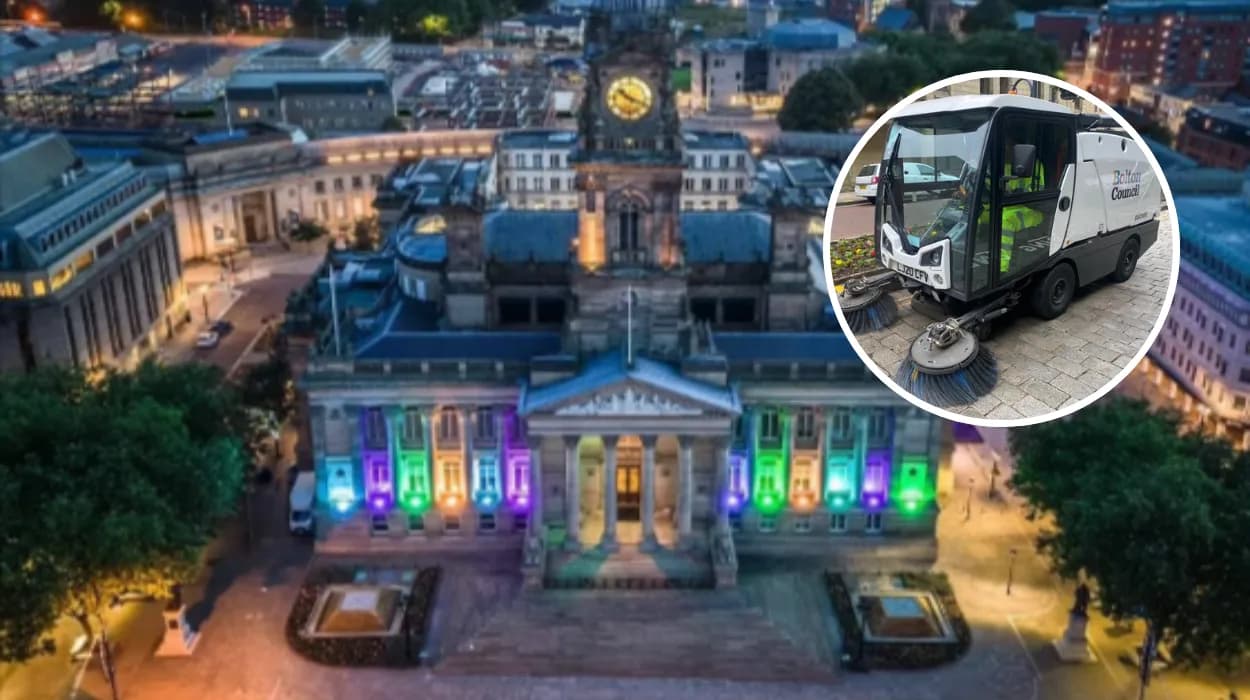
- Bolton Council has approved the purchase of three new large diesel-powered street sweepers to replace its ageing fleet from 2016.
- The decision aims to maintain statutory cleansing requirements and prevent service disruptions or increased complaints.
- The new sweepers are expected to cost an additional £555,000, funded from the existing revenue vehicle purchase budget for fleet services.
- One existing sweeper will be retained to build resilience in the service.
- Cllr Hamid Khurram, Cabinet Member for Highways and Regulatory Services, is set to approve the procurement.
- The approval follows a council meeting on or around 13 April 2026, with hopes expressed for the next fleet to be fully electric.
- The current fleet is nearly a decade old, risking failure to meet legal cleansing obligations without replacement.
- Director of Place Jon Dyson prepared the report recommending the purchase.
Bolton (Bolton Today) April 23, 2026 – Bolton Council has approved the acquisition of three new large diesel-powered street sweepers, addressing the borough's ageing fleet and ensuring continued street cleansing services, with aspirations for a fully electric replacement in the future.
What Prompted the Approval of New Street Sweepers?
The decision stems from the critical condition of Bolton Council's existing mechanical sweepers, acquired in 2016 and now approaching ten years of service. As reported by journalists at UK News Yahoo, Jon Dyson, Director of Place for Bolton Council, drafted a comprehensive report highlighting that without replacement, the council risked failing to meet "statutory cleansing requirements," potentially leading to missed service rounds and a surge in resident complaints. The report, prepared ahead of a key council meeting on Wednesday, 13 April 2026, underscored the urgency, noting the fleet's vulnerability after nearly a decade of heavy use.
This approval aligns with broader efforts to modernise Bolton's public services amid ongoing pressures. The Bolton News initially covered the story, detailing how the new vehicles will bolster operational reliability in a borough where clean streets are vital for public health and satisfaction.
Who Recommended and Approved the Purchase?
Jon Dyson, Bolton Council's Director of Place, authored the pivotal report recommending the procurement of three new large sweepers. According to UK News Yahoo coverage, Dyson's document specified retaining one current sweeper "to build resilience for the service," ensuring no immediate gaps in coverage.
Cllr Hamid Khurram, the Council's Cabinet Member for Highways and Regulatory Services, is positioned to give final approval. The same report anticipates his sign-off during the April 13 meeting, reflecting a streamlined decision-making process typical in local government procurement. As noted in The Bolton News, this move has been welcomed as a pragmatic step forward.
What Is the Cost and Funding Mechanism?
The procurement carries an estimated additional cost of £555,000 to the capital programme. UK News Yahoo reports that this will be funded entirely from Bolton Council's existing revenue vehicle purchase budget allocated for fleet services, avoiding the need for new borrowing or cuts elsewhere.
This funding approach demonstrates fiscal prudence, drawing on pre-allocated resources amid tight local authority budgets. The Bolton News emphasised that the investment is essential to sustain core services without escalating taxpayer burdens.
Why Diesel-Powered Sweepers Now?
The selected sweepers are diesel-powered, chosen for their proven reliability in demanding municipal operations. The Director of Place's report, as cited by UK News Yahoo, prioritises immediate operational needs over electrification at this stage, given the fleet's dire state.
Despite the diesel choice, council discussions hint at transitional ambitions. The Bolton News reported hopes that "the next fleet will be fully electric," aligning with national trends towards greener public vehicles. This reflects a phased strategy, balancing short-term reliability with long-term sustainability goals.
What Are the Risks of Not Replacing the Fleet?
Failure to replace the sweepers could jeopardise statutory obligations under environmental health laws. UK News Yahoo quoted the report's stark warning: without new vehicles, Bolton Council
"might struggle to fulfil their statutory cleansing requirements,"
resulting in
"missed service rounds and an increase in complaints."
Such disruptions could harm public trust and hygiene standards in a densely populated borough like Bolton. Retaining one older sweeper provides a buffer, but experts note that nine-year-old vehicles are prone to breakdowns, amplifying risks.
How Does This Fit Bolton Council's Greener Fleet Plans?
Bolton Council has been actively trialling electric vehicles, with workers praising them as "clean, quiet and practical." As per the official Bolton Council website, these trials form part of a modernisation push for its 250-vehicle fleet, driven by the 2035 ban on new petrol and diesel sales.
Cllr Richard Silvester, Executive Member for Climate Change and Environment, commented on the EV positives, stating the council's intent to shift away from fossil fuels. However, the street sweeper decision prioritises urgency, with electric options eyed for future cycles. The Bolton News echoed this forward-looking stance.
What Benefits Do Electric Street Sweepers Offer in Future?
Industry analyses highlight electric sweepers' advantages, including reduced emissions, lower operational costs, and quieter performance. The Electrification Coalition notes that they
"reduce operational costs and harmful emissions compared to a diesel-powered sweeper,"
while enabling flexible scheduling.
In Toronto's context, eco-friendly sweeping has cut fuel use by up to 25% via electrification and optimisation, per The Road Cleaners blog—lessons applicable to UK councils like Bolton. Bolton Labour's past initiatives, such as a clean-up team with £300 fines, complement such tech upgrades.
Who Are the Key Players in Bolton's Street Maintenance?
Cllr Hamid Khurram leads highways efforts, while Jon Dyson oversees place-related operations. Cllr Richard Silvester champions environmental transitions.
Historically, Bolton Conservatives invested in greener bin wagons in 2021, fulfilling election pledges with CO2-reducing tech, as per their site. Recent £725,000 route upgrades, including benches and signage on roads like Chorley New Road (£10,400) and Horwich (£195,800), show holistic infrastructure focus.
When and How Was the Decision Made?
The approval culminated at a council meeting around 13 April 2026. UK News Yahoo detailed the timeline: Dyson's report was tabled, leading to Cllr Khurram's expected endorsement.
The Bolton News broke the story on 22 April 2026 (article ID 26040522), confirming the green light for diesel sweepers with electric hopes ahead.
What Broader Context Surrounds Bolton's Fleet Decisions?
Bolton faces fly-tipping challenges, prompting Labour's 2024 clean-up team trial on unadopted roads, funded for one year with fines up to £300. Eurelectric's fleet report stresses electrification's total cost of ownership edge for high-use vehicles.
Nationally, the 2035 deadline accelerates shifts, mirroring Bolton's EV trials. This sweeper approval is a stopgap, ensuring service continuity while paving the way for zero-emission futures.
Future Implications for Bolton Residents?
Residents can expect uninterrupted cleansing, reducing litter and health risks. The resilience plan mitigates downtime, while electric aspirations promise quieter, cleaner operations long-term.
Council investments, from sweepers to route enhancements, signal commitment to liveable streets. As Cllr Silvester implied, practical EVs could transform daily services. Bolton's story exemplifies local government's balancing act: reliability today, sustainability tomorrow.